How to Fix Snipping Tool Issues on Windows 11
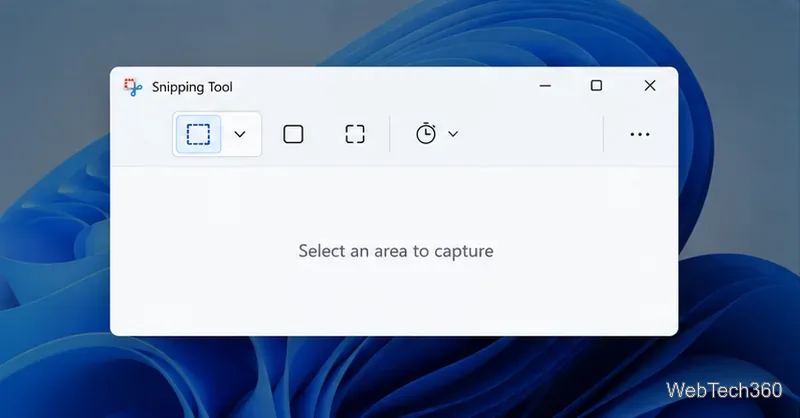
Fix common Snipping Tool problems in Windows 11 with steps to test the shortcut, update or repair the app, reinstall it, and restore missing capture notifications.
Are you excited to upgrade to Windows 11 but hitting roadblocks with your older PC? Don't worry—updating your BIOS is often the key to unlocking full compatibility. This straightforward guide will walk you through the process, ensuring your system meets essential requirements like TPM 2.0 and Secure Boot. By the end, you'll feel confident and empowered to make the switch smoothly. Let's dive in and get your machine ready! 🚀
Windows 11 brings a fresh, modern interface and enhanced security, but it demands specific hardware support. Microsoft requires features like a compatible 64-bit processor, 4GB RAM, and crucially, TPM 2.0 (Trusted Platform Module) along with Secure Boot. If your PC is from the last decade, its BIOS (Basic Input/Output System) might lack these or have outdated versions that don't support them fully.
Updating the BIOS isn't just about compliance—it's a game-changer. It can improve stability, fix bugs, and even boost performance. Imagine booting into Windows 11 without those frustrating error messages. Plus, with the latest firmware, your system gains better hardware recognition and security against modern threats. Ready to see if your PC qualifies? Keep reading for a quick compatibility check.
Before jumping into updates, verify your system's readiness. This saves time and prevents unnecessary risks.
msinfo32, and hit Enter. Look under System Summary for BIOS Version/Date. If it's pre-2018 or lacks TPM mentions, an update is likely needed.Pro Tip: If your motherboard supports it, enabling Secure Boot here too sets the stage for Windows 11. Feeling stuck? The next section covers identifying your motherboard for targeted updates.
Every BIOS update is motherboard-specific, so pinpoint yours first. This step ensures you download the right files and avoid bricking your system.
Look for updates mentioning "TPM 2.0 enablement" or "Windows 11 readiness." Manufacturers like Dell and HP often bundle these in their latest firmware. Once identified, download the file—it's typically a .zip with instructions. Excited? You're halfway there; now for the safe update process.
Updating BIOS is powerful but requires caution—power interruptions can cause failures. Follow these prep steps to minimize risks and keep things smooth.
| Preparation Step | Why It Matters | How to Do It |
|---|---|---|
| Backup Your Data | Protects files in case of issues | Use Windows Backup or external drive |
| Ensure Stable Power | Prevents update corruption | Plug into UPS or wall outlet; avoid batteries |
| Disable Fast Boot | Allows clean BIOS access | In Windows Power Options, turn off Fast Startup |
| Update Chipset Drivers | Ensures compatibility | Download from motherboard maker's site first |
With preparations done, you'll approach the update with peace of mind. A quick note: If you're on a laptop, check for OEM-specific tools like Dell's SupportAssist for guided updates. Now, let's get to the action!
Time to update! Methods vary by manufacturer, but we'll cover the most common: USB flash method and in-BIOS utility. Always follow your board's manual for nuances.
Brands like MSI offer tools like "M-Flash" or live updaters. Download, run as admin, and follow on-screen prompts. This is user-friendly but still requires a stable setup.
Success! Your BIOS update should now enable full Windows 11 compatibility. Test by running PC Health Check again—it should greenlight your upgrade.
Even with care, hiccups happen. Here's how to handle them without stress:
For advanced troubleshooting, refer to your manufacturer's forum or support. Remember, a successful update often feels like giving your PC a new lease on life—smoother, safer, and ready for Windows 11.
With BIOS updated, installation is a breeze. Download the Windows 11 ISO from Microsoft, create a bootable USB via Rufus, and boot from it (set in BIOS boot order). During setup, it will detect your enabled TPM and Secure Boot.
Post-install, enjoy features like Snap Layouts and improved multitasking. If you encounter driver issues, grab the latest from your hardware makers. You've done the hard part—now reap the rewards!
Updating BIOS for Windows 11 compatibility is more than a technical chore; it's an investment in your computing experience. By following this guide, you've equipped your system for years of reliable performance. If your PC still falls short, consider a hardware upgrade— but for most, this fix does the trick. Share your success in the comments below, and happy upgrading! 🎉
For the latest official guidance, visit Microsoft Support on TPM 2.0.
Fix common Snipping Tool problems in Windows 11 with steps to test the shortcut, update or repair the app, reinstall it, and restore missing capture notifications.
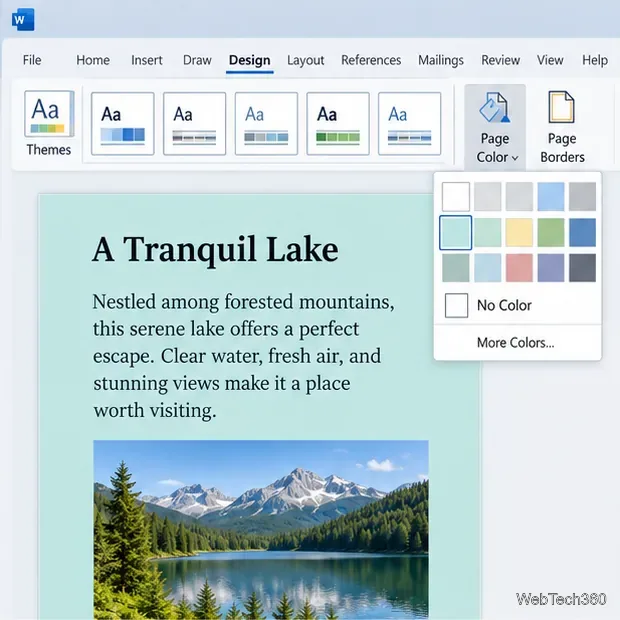
Choose a color-capable printer, enable Word’s background-print setting, and check the preview so page colors, images, and graphics print as expected.
Learn how to use WinX DVD Ripper to convert a DVD you’re entitled to copy into an MP4 file, choose the right title and destination, and troubleshoot playback problems on Windows 10 or 11.
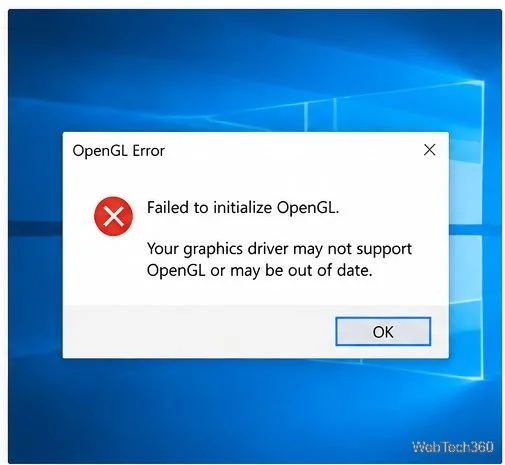
Troubleshoot OpenGL errors in Windows 10 by checking graphics drivers, repairing system files, reinstalling the affected app, and reviewing graphics settings.
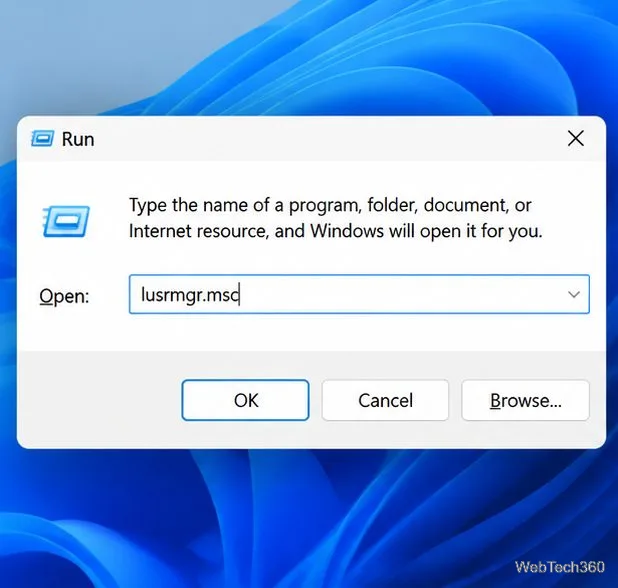
Learn when to use net user, lusrmgr.msc, and net localgroup to view, create, disable, and manage local Windows accounts safely.
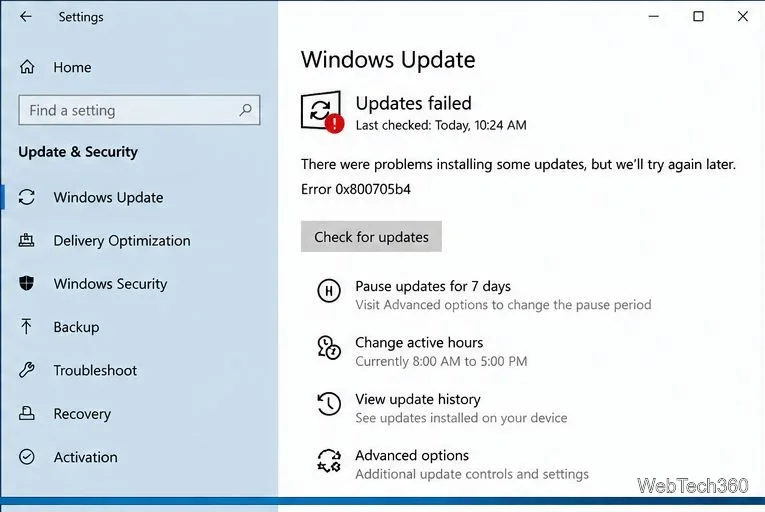
Resolve Windows Update error 0x800705b4 with practical checks for connectivity, update services, cached files, and damaged Windows system components.
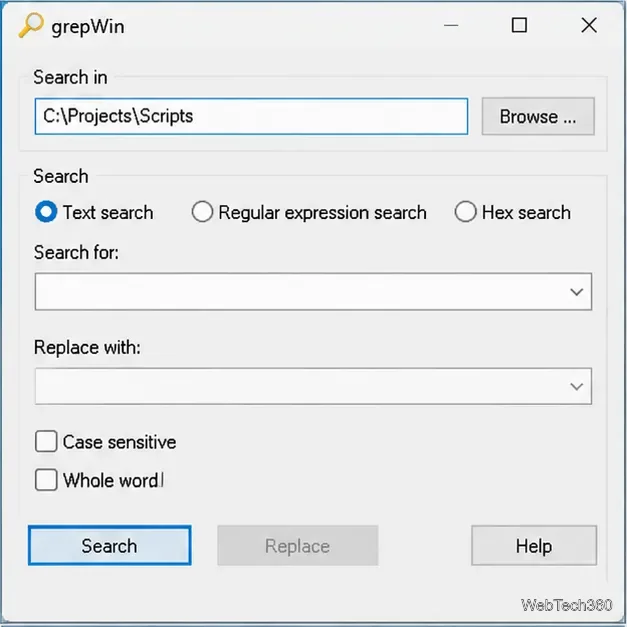
Find words or phrases across multiple text files on Windows 10 with grepWin. Learn how to choose folders, filter file types, include subfolders, and read matches safely.
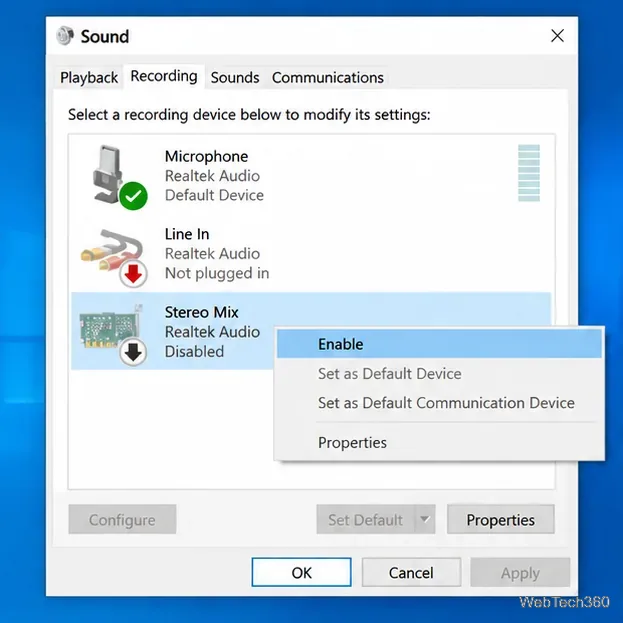
Capture your PC’s playback with FFmpeg on Windows 10. Enable Stereo Mix or use a loopback device, find its DirectShow name, and save clean audio.
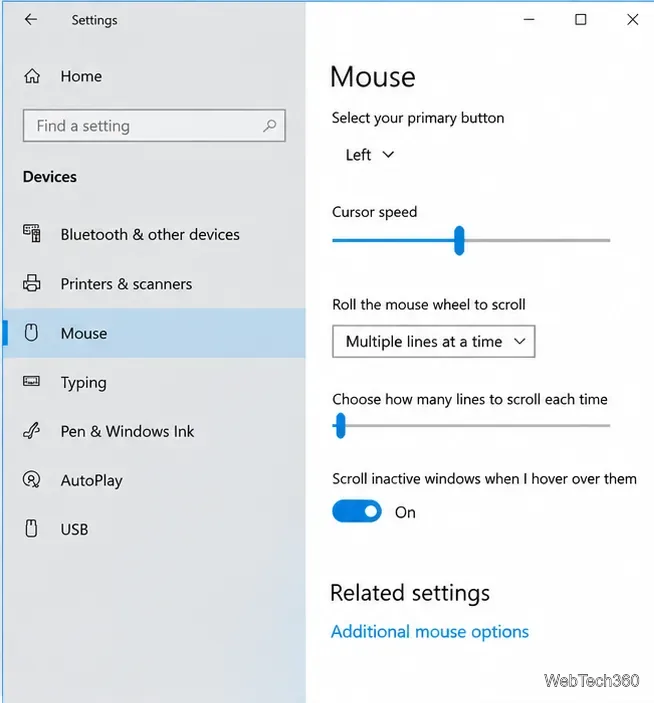
Learn how to adjust Windows 10 mouse pointer speed, change pointer precision, and set hardware DPI with a supported gaming mouse or manufacturer app.
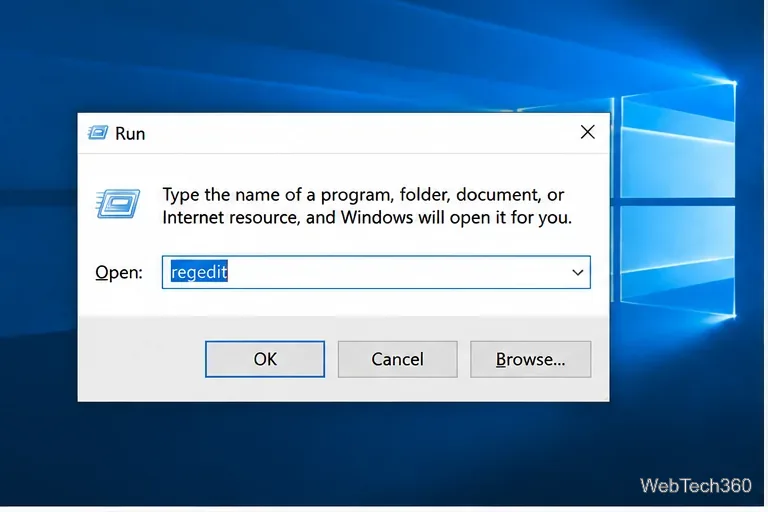
Learn what the legacy Edge blocker registry setting does, how to set it safely, and why it will not stop updates for Microsoft Edge already installed.