How to Set Up an Email Signature in Outlook.com
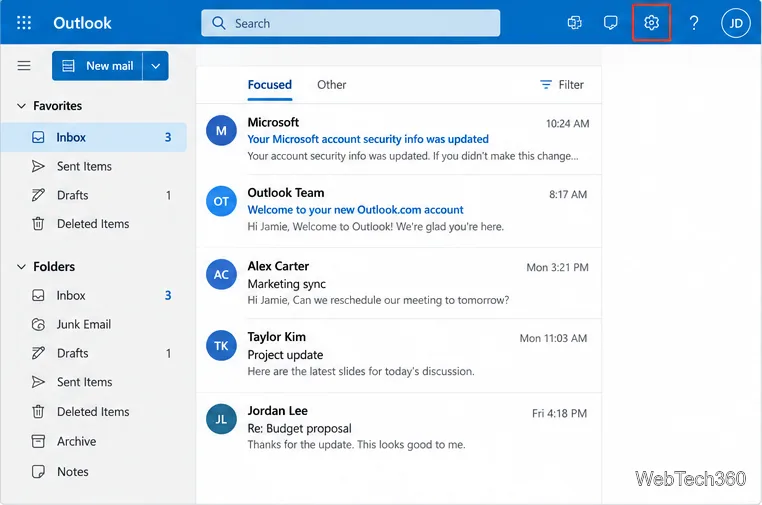
Create a reusable Outlook.com email signature, choose when it appears automatically, and insert it manually when you need a different sign-off.
Are you ready to dive into the world of Windows 11? This modern operating system brings stunning visuals, enhanced security, and productivity boosts—but there's a catch. To install or upgrade to Windows 11, your PC must meet strict hardware requirements, including TPM 2.0. If you're hitting roadblocks during setup, enabling TPM 2.0 in BIOS is often the key. Don't worry; this guide will walk you through it simply and confidently, so you can get back to enjoying your upgraded system without frustration. Let's get started! 🚀
Before we jump into the steps, let's quickly understand TPM 2.0. Trusted Platform Module (TPM) is a hardware-based security feature built into most modern motherboards or available as a discrete chip. It acts like a digital vault, safeguarding encryption keys, passwords, and sensitive data against tampering.
Windows 11 mandates TPM 2.0 for core security functions like BitLocker encryption and Windows Hello. Without it, you'll see errors like "This PC can't run Windows 11" during installation. Enabling it in BIOS (or UEFI firmware) unlocks these protections, making your system more resilient to threats. Plus, it's a straightforward tweak that future-proofs your hardware for upcoming updates.
Imagine the peace of mind knowing your data is locked down tight— that's the TPM 2.0 advantage! If your PC supports it (most devices from the last five years do), you're just a few BIOS tweaks away.
Not every older machine has TPM 2.0, but many do—it's often disabled by default. To check compatibility without diving into hardware specs:
tpm.msc, and hit Enter.Pro tip: Intel 8th-gen or later, AMD Ryzen 2000 series or newer, usually include firmware TPM (fTPM) or discrete options. If you're on an older setup, consider a TPM module add-on, but let's focus on enabling what's already there. Ready to proceed? Follow these steps carefully for a smooth experience.
Enabling TPM 2.0 in BIOS varies slightly by motherboard brand (ASUS, Gigabyte, MSI, etc.), but the process is similar. We'll cover the general method, with notes for popular vendors. Always back up important data before entering BIOS, just in case. Let's dive in!
👉 Power on your PC and immediately start tapping the BIOS key. Common keys include:
| Motherboard Brand | BIOS Entry Key |
|---|---|
| ASUS, MSI | Delete (Del) |
| Gigabyte | Delete (Del) |
| Dell, HP | F2 or F10 |
| Lenovo | F1 or F2 |
| General (others) | F2, F10, or Esc |
If you're unsure, check your motherboard manual or boot screen prompt. Once inside, you'll see a blue or black interface—navigate using arrow keys (mouse support varies).
In the BIOS menu, look for tabs like "Advanced," "Security," or "Boot." Here's where it gets specific:
Can't find it? Search the BIOS help or update your firmware to the latest version from your manufacturer's site for better visibility. Updating BIOS can also resolve compatibility quirks—always download from official sources to avoid risks.
Windows 11 also needs Secure Boot enabled for full compatibility. While in BIOS:
This duo—TPM 2.0 and Secure Boot—creates a fortress around your boot process. Save changes (usually F10) and exit; your PC will restart.
Back in Windows, rerun tpm.msc. You should now see TPM 2.0 as "ready." Proceed with your Windows 11 installation or upgrade via Settings > Update & Security > Windows Update.
Congratulations! You've just boosted your PC's security. If everything checks out, you'll be exploring Windows 11's sleek interface in no time. 🎉
Encountering hurdles? You're not alone—here's how to overcome them:
If issues persist, the Microsoft Community forums are a goldmine—search for your exact error. Remember, patience pays off; a secure setup is worth it!
Why stop at installation? TPM 2.0 enhances everyday use:
Enabling it today means a smoother ride tomorrow. Feeling empowered? Share your success in the comments below—we'd love to hear how it went!
Enabling TPM 2.0 in BIOS might seem technical, but it's a game-changer for Windows 11 users. With these steps, you've got the tools to overcome barriers and embrace enhanced security. If you're upgrading from Windows 10, this is your gateway to innovation. Dive in, stay safe, and enjoy the upgrade—your PC will thank you! 😊
For the latest Windows 11 requirements, check Microsoft's official documentation: Windows 11 Specs.
Create a reusable Outlook.com email signature, choose when it appears automatically, and insert it manually when you need a different sign-off.
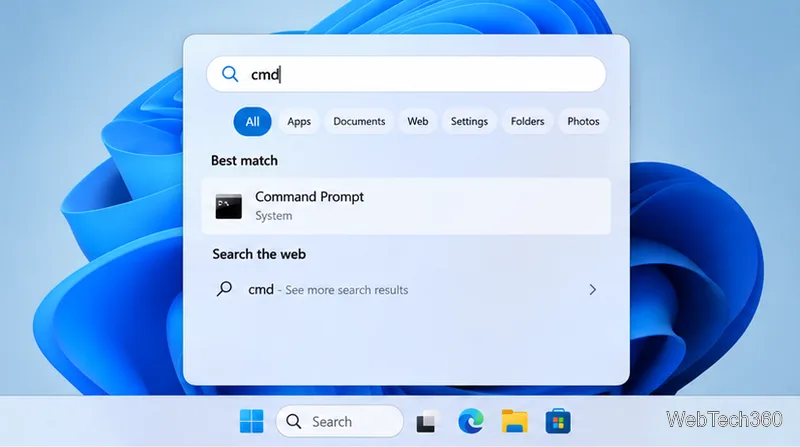
Open Command Prompt with Start search, Run, File Explorer, or Windows Terminal. See how to launch it as an administrator and find it on older PCs.
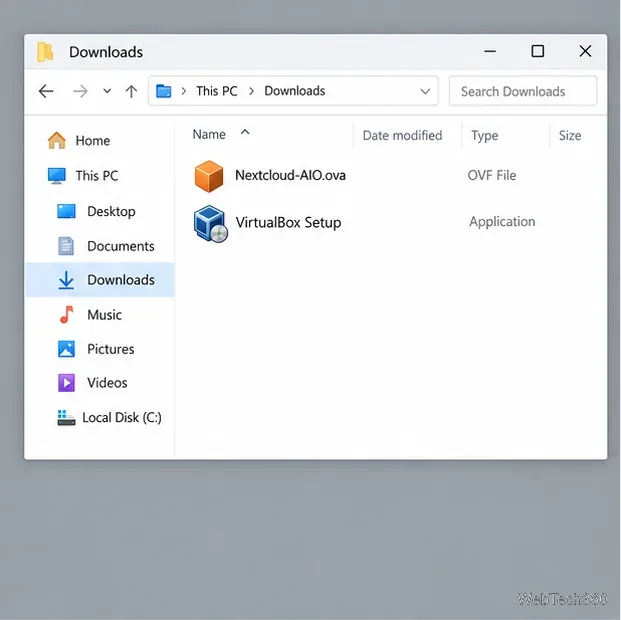
Set up a Nextcloud sync server on Windows Server with the AIO virtual machine, VirtualBox, bridged networking, domain, HTTPS, and backup guidance.
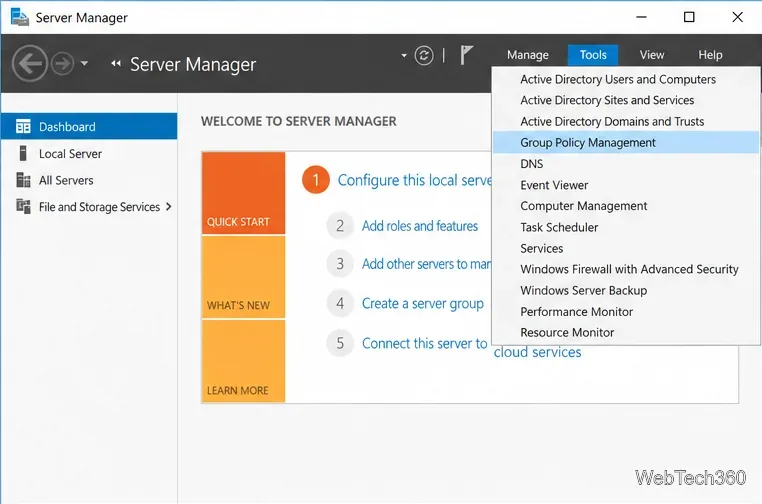
Learn how to create, link, configure, and verify a Windows Server Group Policy Object with a pilot OU, a wallpaper example, and troubleshooting checks.
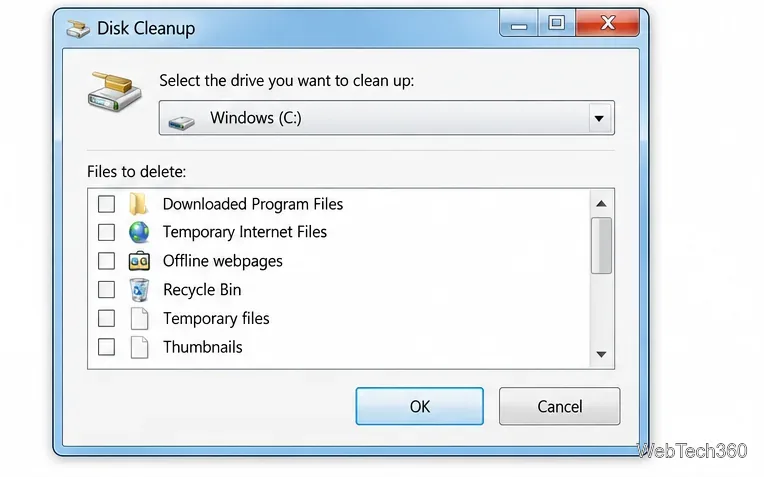
Learn how Windows 7 Disk Cleanup, Disk Defragmenter, System Restore, and built-in troubleshooters handle common maintenance tasks, with important safety limits.
Speed up a Windows 7 PC by finding bottlenecks, reducing startup load, clearing disk space, adjusting visual effects, and upgrading wisely.
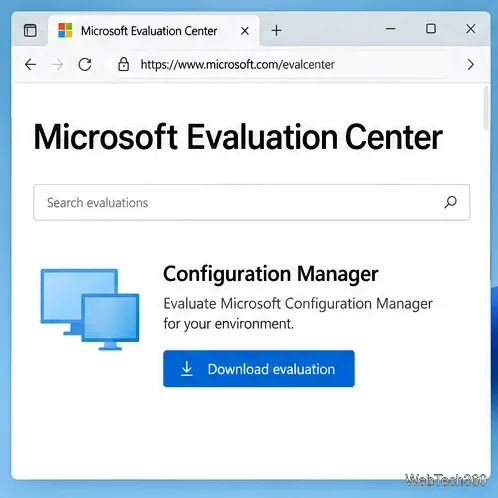
Set up Configuration Manager as a standalone primary site with supported Windows Server, SQL Server, evaluation media, and current setup prerequisites.
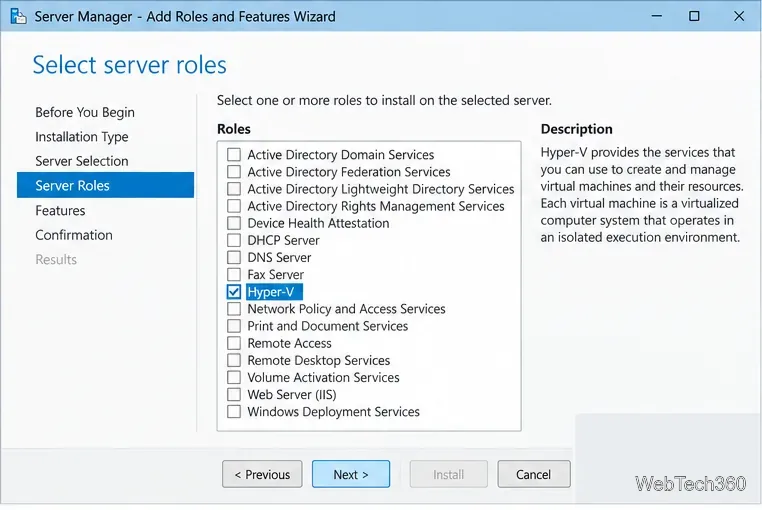
Host GitLab Self-Managed on Windows Server by running Ubuntu Server in Hyper-V, then configure its network, HTTPS address, first login, and backups.
Install Abyss Web Server X1 on Windows Server, create the console login, publish a test page, and configure the service to start at boot.
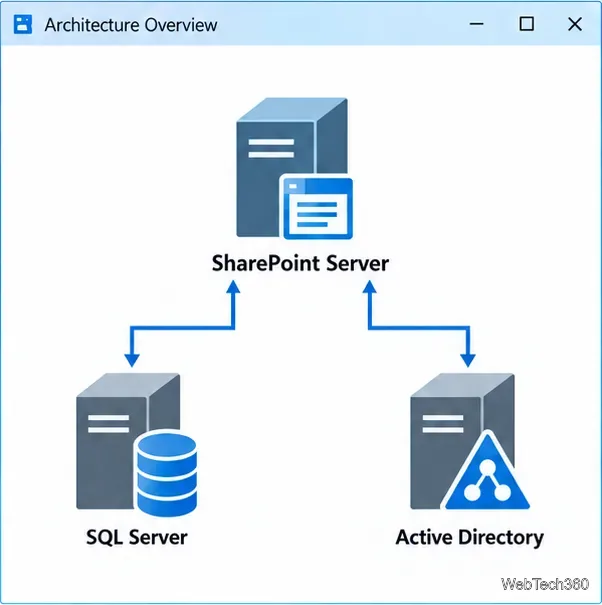
Install SharePoint Server Subscription Edition on Windows Server with current hardware, SQL, prerequisite, setup, and farm-configuration guidance.