How to Check for Open Ports on Windows Server
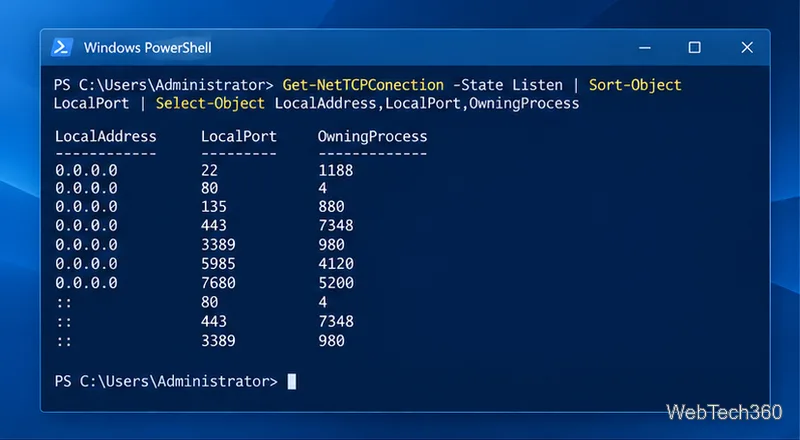
Find local TCP listeners, identify the process using a port, and test whether a Windows Server port is reachable with PowerShell, PortQry, or Nmap.
Encountering the frustrating Windows 11 "File Access Denied" error can halt your workflow in an instant. Whether you're trying to open a document, delete a stubborn file, or install software, this error pops up like an unwelcome gatekeeper, blocking your path. But don't worry—it's a common issue with straightforward solutions. In this guide, we'll walk you through proven methods to fix file access denied Windows 11, restoring your access quickly and safely. By the end, you'll have your files back under control, feeling empowered and ready to tackle your tasks. Let's dive in! 🚀
The access denied error Windows 11 typically occurs when your user account lacks the necessary permissions to interact with a file or folder. This can stem from ownership issues, security settings, or even third-party software interference. Windows 11's enhanced security features, like User Account Control (UAC), are designed to protect your system, but they sometimes overreach, denying access to legitimate files.
Common triggers include:
Recognizing these causes is the first step to resolution. Now, let's get to the fixes—starting with the simplest ones that often do the trick.
Before jumping into advanced tools, try these beginner-friendly steps. They're quick, require no downloads, and can resolve up to 70% of cases.
Sometimes, a simple elevation of privileges is all it takes. Here's how:
cd path\to\file and attempt the action (e.g., del filename for deletion).This bypasses standard user restrictions, granting temporary admin access. If successful, the resolve file permissions Windows 11 issue is likely permission-related.
Files often "belong" to the system or another user, causing denial. Reclaim ownership with these steps:
Pro tip: If prompted for admin rights, ensure you're logged in as an administrator. This method is a game-changer for inherited files from backups or migrations.
Once ownership is yours, tweak permissions:
Be cautious—granting full control to sensitive system files can pose security risks. Only do this for personal folders.
If basic fixes don't cut it, these deeper solutions target underlying system glitches. Stay with me—these steps build on what we've covered, ensuring comprehensive coverage.
Overzealous antivirus can lock files. For Windows Defender:
For third-party tools like Norton or McAfee, check their quarantine or real-time scan settings. Remember to scan the file afterward for safety. 😊
For batch fixes or tricky folders, Command Prompt shines. Open it as admin and use:
takeown /F "C:\path\to\folder" /R /D Yicacls "C:\path\to\folder" /grant administrators:F /T (replace with your username).These commands recursively apply changes, saving time on large directories. If you're dealing with external drives, ensure they're not set to read-only via Properties.
Corrupted system files can trigger troubleshoot access denied Windows 11 issues. Repair them:
DISM /Online /Cleanup-Image /RestoreHealth (this may take 10-20 minutes).sfc /scannow.These tools are built into Windows 11 and use the latest updates to restore integrity. For more on DISM, check Microsoft's official guide: Microsoft DISM Documentation.
Fixing is great, but prevention keeps you ahead. Adopt these habits:
Additionally, keep Windows 11 updated via Settings > Windows Update—the latest patches often refine permission handling.
If these steps fail, the issue might involve hardware (e.g., failing HDD) or deep malware. Consider:
| Issue Type | Next Step | Why It Helps |
|---|---|---|
| Persistent on All Files | Run full antivirus scan | Detects hidden threats |
| External Drive Specific | Check disk health with chkdsk |
Repairs file system errors |
| System-Wide | Reset Windows (keep files) | Refreshes core settings |
For hardware woes, tools like CrystalDiskInfo can diagnose drive health. If all else fails, Microsoft Support is a reliable resource: Microsoft Windows Support.
Dealing with the Windows 11 "File Access Denied" error doesn't have to be a nightmare. From simple admin runs to system repairs, these steps equip you to fix file access denied Windows 11 efficiently. Start with the quick fixes, progress as needed, and you'll soon be back to seamless file management. Got a unique scenario? Share in the comments below—we're here to help! Your frustration-free computing awaits. 👏
Find local TCP listeners, identify the process using a port, and test whether a Windows Server port is reachable with PowerShell, PortQry, or Nmap.
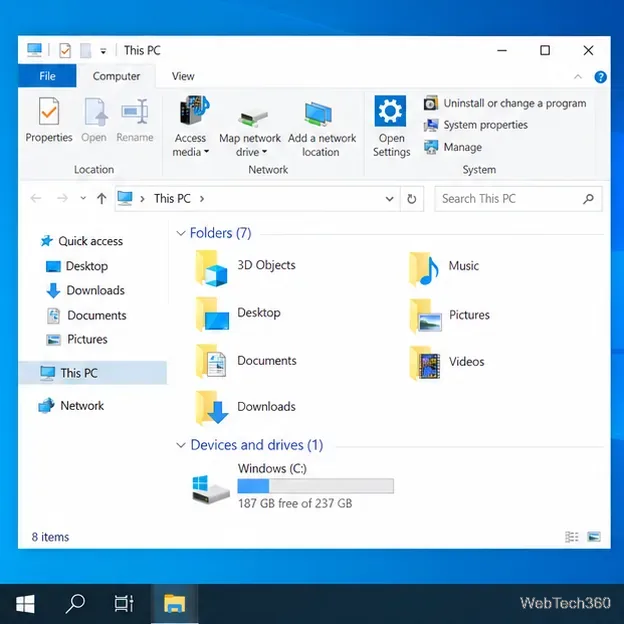
Map a shared folder as a drive letter in Windows 10, reconnect it at sign-in, confirm access, and fix common path, credential, and network discovery issues.
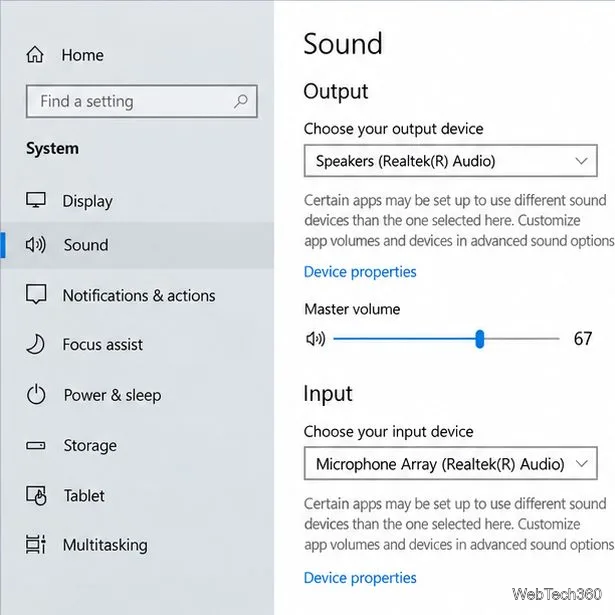
Hear your microphone through Windows 10 speakers with the Listen to this device setting. Choose the right input and output, test the route, and prevent feedback.
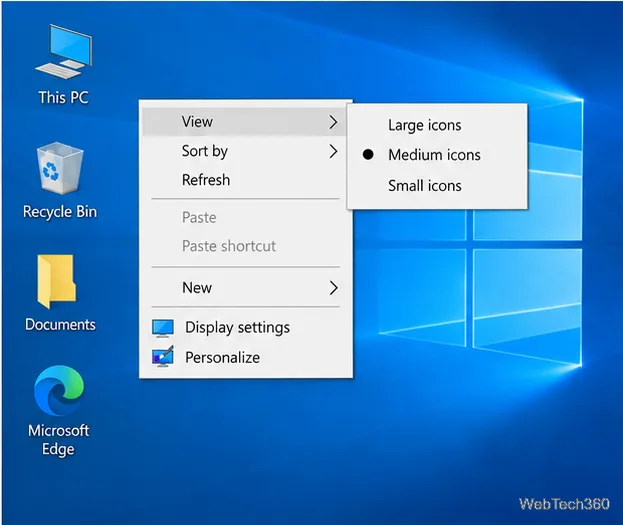
Change icon size on Windows 10 with desktop, taskbar, and File Explorer controls. Learn when display scaling helps and how to fix unexpected size changes.
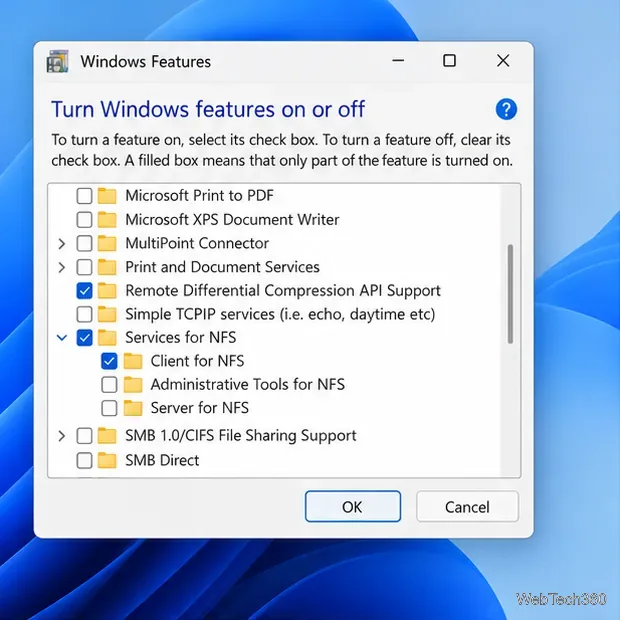
Map an NFS share to a Windows 11 drive letter with the built-in Client for NFS. Check protocol compatibility, mount the export, and troubleshoot access issues.
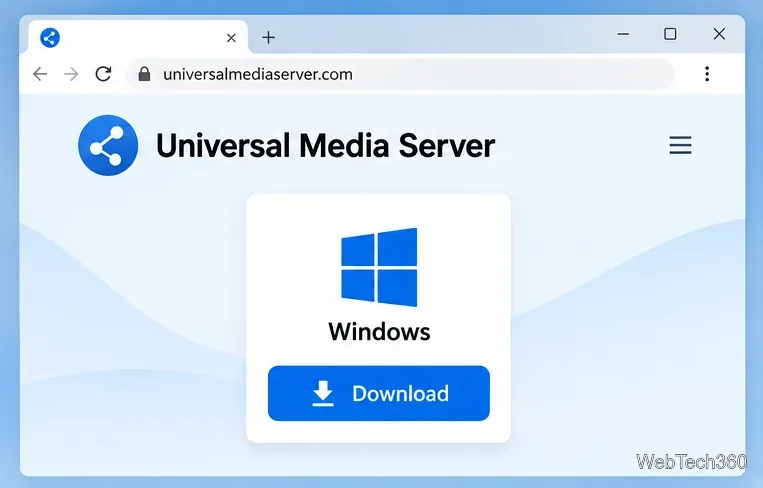
Install Universal Media Server on Windows Server, share selected folders, set LAN-only firewall access, and test DLNA playback from a TV or browser.
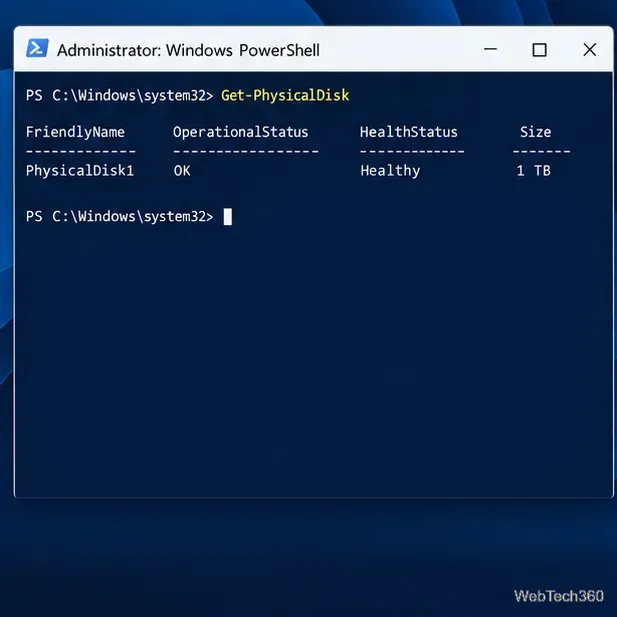
Check Windows Server disk status and reliability counters, verify SMART data when available, and separate hardware warnings from NTFS errors.
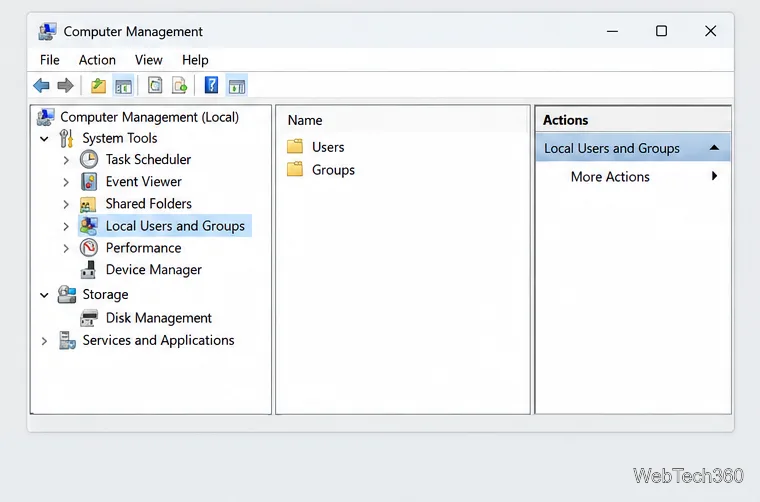
Create, grant admin rights to, disable, or remove local Windows Server users with Computer Management or PowerShell. Learn when to use Active Directory instead.
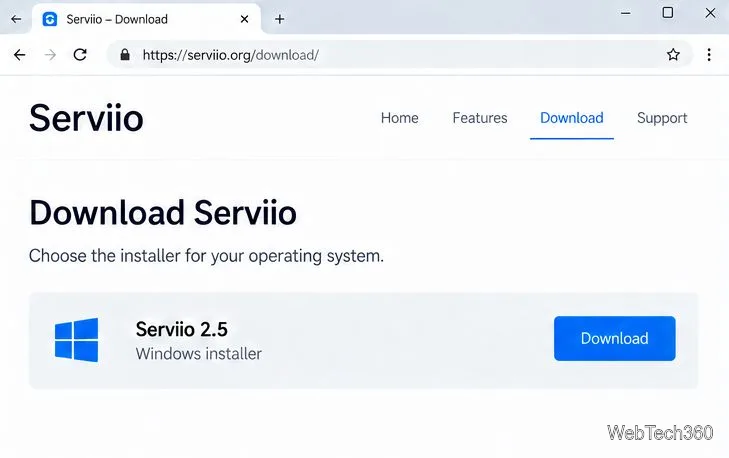
Install Serviio on Windows Server, share local or NAS media folders, and test DLNA playback. Learn how to check the Windows service, firewall, and Pro-only browser features.
Convert PNG, JPG, or BMP files to Windows ICO with GIMP. Prepare a square image, keep transparency when needed, add standard sizes, and check the export.