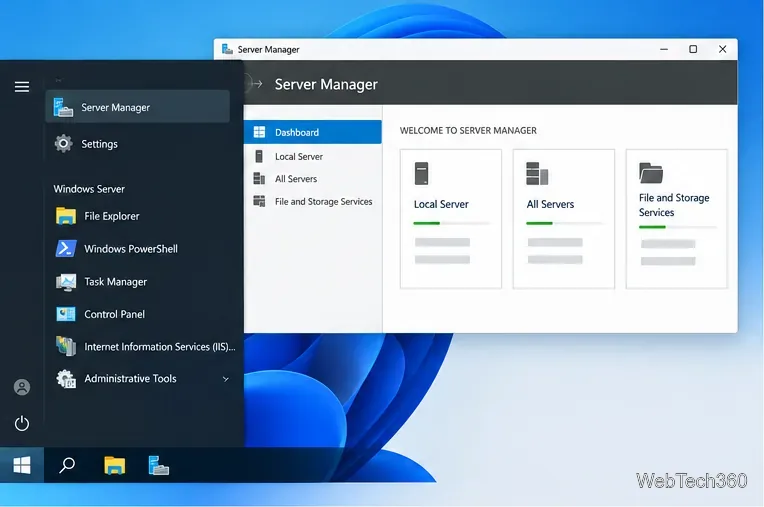
How to Check Hard Drive Health in Windows Server
Check Windows Server disk status and reliability counters, verify SMART data when available, and separate hardware warnings from NTFS errors.
Imagine you're deep into an intense gaming session, and you hit Win+G to launch the Game Bar for quick recordings or performance checks—only for nothing to happen. Frustrating, right? 😩 The Game Bar shortcut Win+G not working is a common hiccup for Windows gamers, but don't worry. This guide dives straight into troubleshooting Game Bar shortcut steps that are simple, effective, and based on the latest Windows updates. We'll get your Game Bar back up and running so you can focus on the fun. Let's jump in!
The Game Bar is Microsoft's built-in tool in Windows for gamers, letting you capture screenshots, record clips, track FPS, and more—right from your keyboard. The Win+G shortcut is the fastest way to access it, overlaying widgets without interrupting your game. When Win+G not working, it could stem from disabled features, software conflicts, or outdated drivers. The good news? Most fixes take just minutes and require no tech expertise.
Stick around as we break down the most reliable troubleshooting Game Bar shortcut methods, starting with the basics and escalating to advanced tweaks. By the end, you'll have a toolkit to prevent future issues.
Often, the Game Bar shortcut Win+G not working happens because it's simply turned off. Let's check that first—it's the easiest win! 🎉
Pro tip: If you're on a laptop, check if your keyboard has a dedicated Game Bar key or if Fn combinations are interfering. Test Win+G in a non-game app like Notepad to confirm it pops up the bar.

Still no luck? No sweat—move to the next step. These sequential fixes build on each other, ensuring you don't miss a thing.
Outdated software is a prime culprit for Game Bar issues. Windows updates often patch Win+G not working bugs, especially in recent versions like Windows 11 builds.
For NVIDIA or AMD users, download the latest drivers from their official sites for optimal gaming overlay support. This step alone resolves up to 40% of troubleshooting Game Bar shortcut cases, keeping your system current and glitch-free.
If enabling it didn't help, corrupted files might be the issue. Resetting the Game Bar refreshes its components without losing data.
After reinstalling, launch it via the Store or Win+G. This method is a game-changer for stubborn Win+G not working errors, restoring factory settings seamlessly.
Feeling optimistic yet? You're halfway there. The following steps tackle deeper conflicts that could be blocking your Game Bar shortcut.
Windows has a built-in troubleshooter that's like a smart mechanic for Game Bar issues. It scans and fixes common problems automatically.
| Issue Type | Troubleshooting Action | Expected Outcome |
|---|---|---|
| Keyboard Shortcuts | Settings > System > Troubleshoot > Other troubleshooters > Keyboard | Resolves shortcut remapping or hardware glitches |
| Gaming Features | Run sfc /scannow in Command Prompt (Admin) | Repairs corrupted system files affecting Game Bar |
| App Conflicts | Disable third-party overlays (e.g., Discord, Steam) temporarily | Eliminates interference with Win+G |
To run SFC: Search for cmd, right-click > Run as administrator, type sfc /scannow, and hit Enter. Restart after it completes. If antivirus software is blocking Game Bar, add it to exceptions—common with tools like Norton or McAfee.
These checks ensure no hidden conflicts sabotage your troubleshooting Game Bar shortcut efforts. Ready for more? Let's address hardware and advanced fixes next.
Sometimes, Win+G not working ties to hardware. Test your keyboard: Plug in an external one if using a laptop. For wireless keyboards, ensure low latency mode is on.
Advanced tweak: Use PowerShell to re-register the Game Bar. Open PowerShell as admin and run:
Get-AppxPackage Microsoft.XboxGamingOverlay | Remove-AppxPackage
Get-AppxPackage -allusers Microsoft.XboxGamingOverlay | Foreach {Add-AppxPackage -DisableDevelopmentMode -Register "$($_.InstallLocation)\AppXManifest.xml"}
Restart and test. If all else fails, consider a clean boot: Search for msconfig, go to Services > Hide all Microsoft > Disable all, then restart. This isolates third-party software causing Game Bar issues.
For the latest official guidance, check Microsoft's support page on Game Bar troubleshooting. It's a reliable resource for any updates.
To keep Win+G reliable, enable automatic updates in Settings > Windows Update > Advanced options. Regularly update your GPU drivers and avoid running multiple overlays simultaneously. Customize Game Bar widgets in its settings for a tailored experience—boost FPS monitoring or Spotify controls to enhance your setup.
There you have it—a complete roadmap to fix troubleshooting Game Bar shortcut Win+G not working. If these steps worked for you, drop a thumbs up in the comments! 👏 What's your go-to Game Bar feature? Share below to help fellow gamers. Happy gaming—your shortcut should be purring like new now.
Check Windows Server disk status and reliability counters, verify SMART data when available, and separate hardware warnings from NTFS errors.
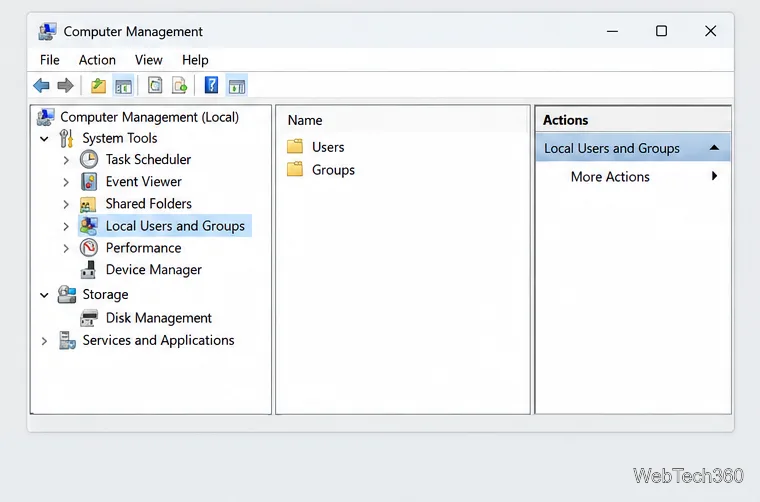
Create, grant admin rights to, disable, or remove local Windows Server users with Computer Management or PowerShell. Learn when to use Active Directory instead.
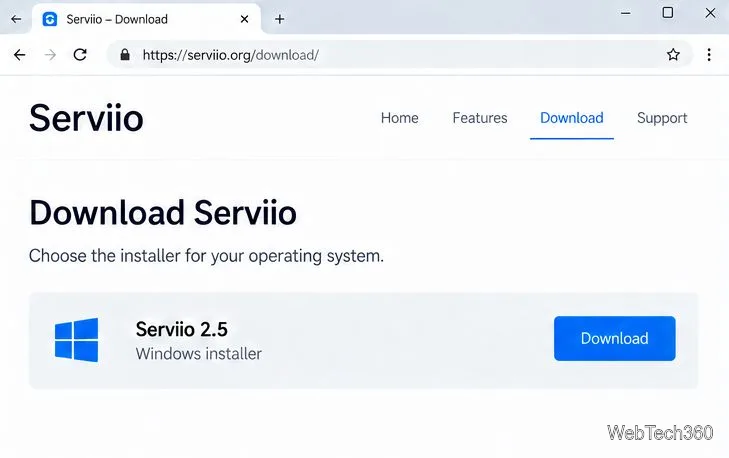
Install Serviio on Windows Server, share local or NAS media folders, and test DLNA playback. Learn how to check the Windows service, firewall, and Pro-only browser features.
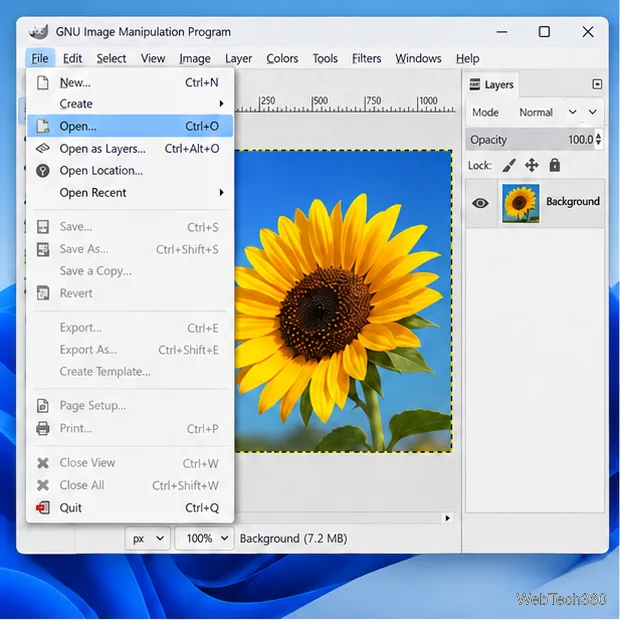
Convert PNG, JPG, or BMP files to Windows ICO with GIMP. Prepare a square image, keep transparency when needed, add standard sizes, and check the export.
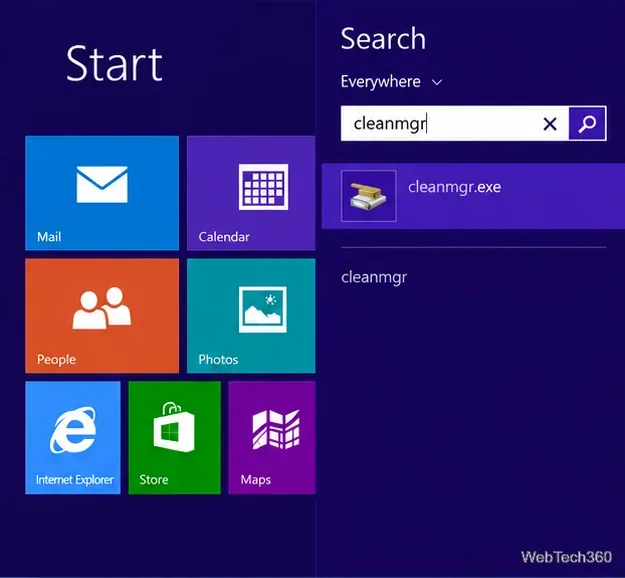
Clear thumbnail, DNS, Internet Explorer, Microsoft Store, Search, and Live Tile data with Windows 8’s built-in tools, and learn what each cleanup removes.
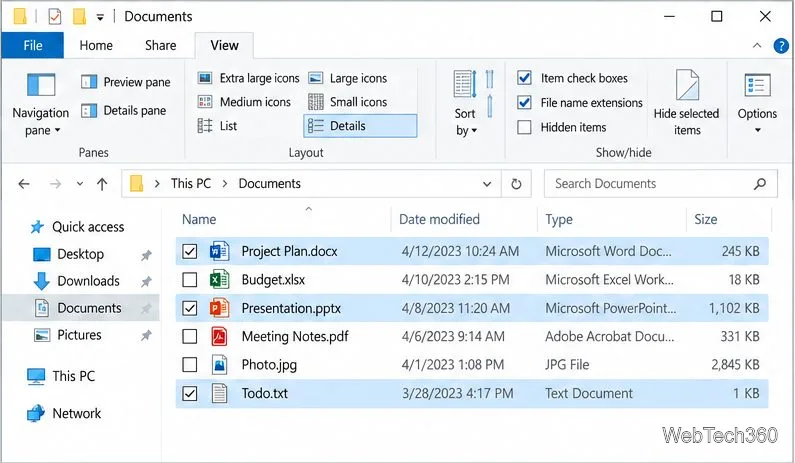
Turn off Windows 10 item check boxes in File Explorer with the View ribbon, or use Folder Options if the toggle is missing. See what changes and how to select multiple files without boxes.
Install VMware Workstation Pro on a compatible Windows Server host, from checking support and downloading the right build to creating your first VM.
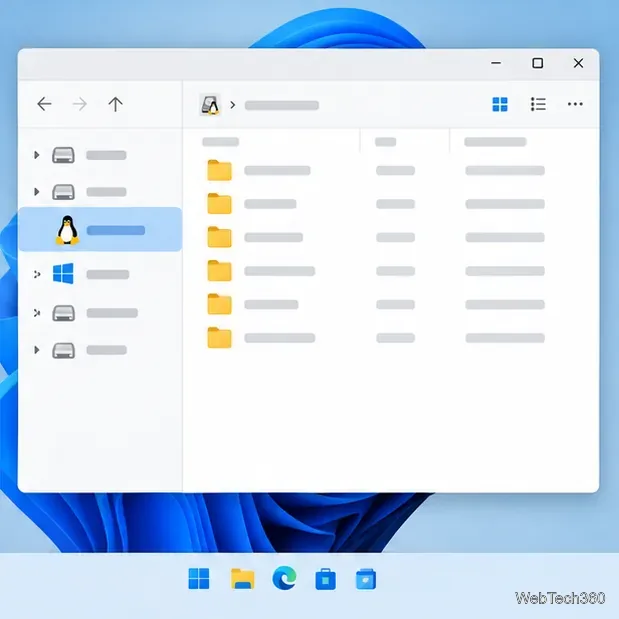
Browse and copy Ext2, Ext3, or Ext4 files on Windows with a read-only workflow. See what Linux Reader’s free edition supports and when WSL fits.
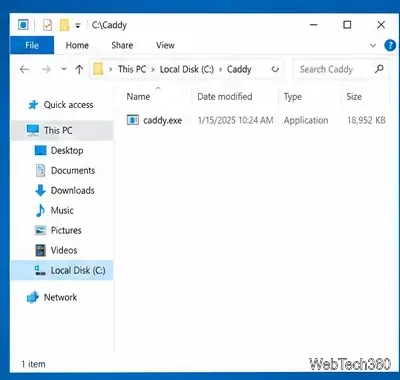
Install Caddy’s native Windows binary, serve a test site, enable automatic HTTPS for a domain, and run Caddy as a Windows Server service.
Run Linux Docker containers alongside Windows Server by creating an Ubuntu Hyper-V VM, installing Docker Engine, and publishing a test service safely.