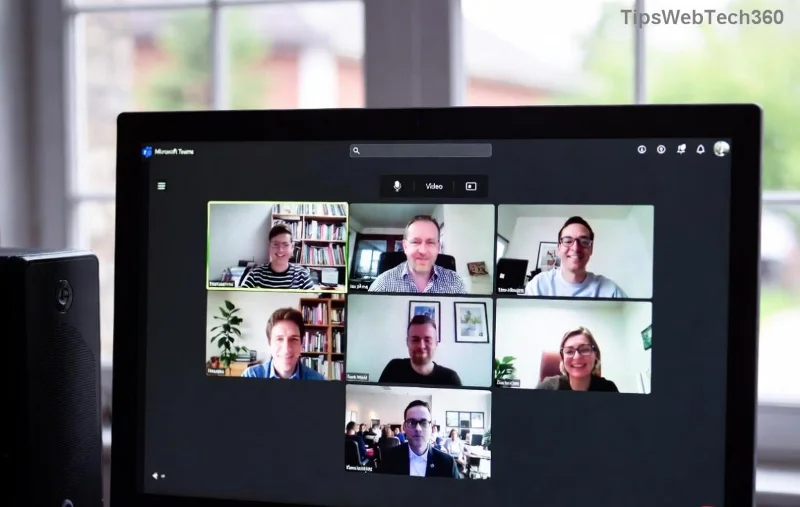
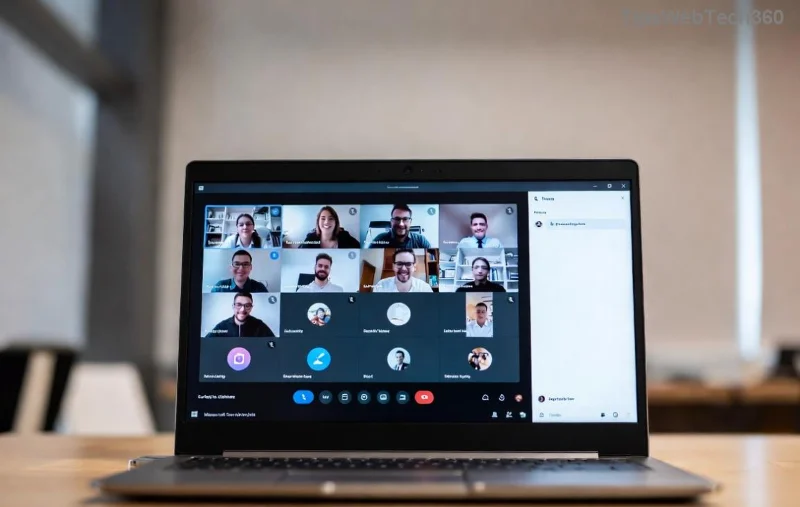
Ever jumped into a Microsoft Teams call only to hear silence, echoes, or garbled audio? You're not alone. Microsoft Teams voice and VOIP errors frustrate millions daily, but most are quick fixes away from smooth communication. This guide delivers targeted troubleshooting steps to restore your calls effortlessly. Let's dive in and get your audio 🔊 crystal clear! ✅
Common Microsoft Teams Voice and VOIP Errors – Spot Yours Fast
Identifying the problem is step one. Here's a quick-reference table of the most frequent Teams VOIP errors:
| Error Type |
Symptoms |
Quick Indicator |
| No Audio (One-Way or Both Ways) |
Silence from mic/speakers despite green bars |
🔇 Muted icon or device not selected |
| Echo or Feedback |
Hear your own voice looped back |
🔄 Speakers too loud near mic |
| Choppy/Poor Quality Audio |
Robot voice, dropouts, lag |
🌐 Network jitter or low bandwidth |
| Calls Dropping |
Sudden disconnects mid-call |
📉 Firewall or VPN blocks |
| VOIP Codecs Fail |
"Unable to connect to audio" error |
⚙️ Outdated app or drivers |
Match your issue? Great – keep reading for fixes that work every time. 😎
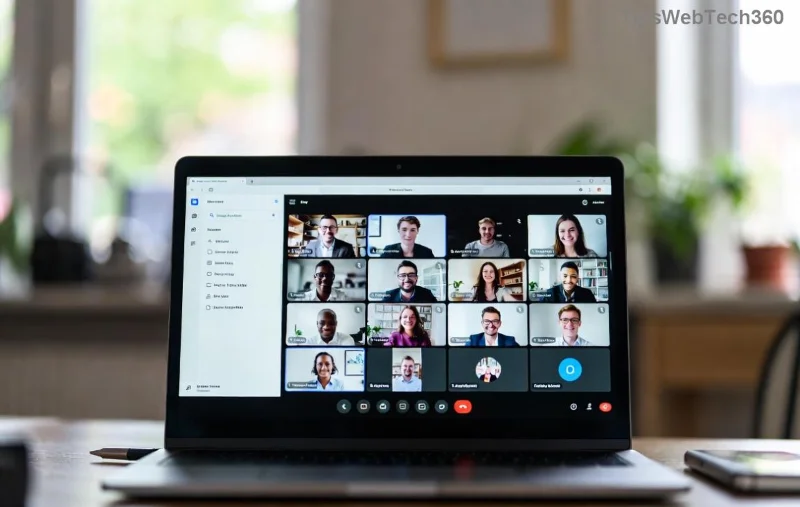
🔧 Step-by-Step Troubleshooting Microsoft Teams Voice Basics
Start here – 80% of VOIP errors in Teams resolve with these simple checks. No tech expertise needed!
- 1️⃣ Verify Device Selection: In Teams, click the three dots (...) > Device settings. Ensure your mic, speaker, and camera are selected. Test with Make a test call.
- 2️⃣ Check Permissions: Go to your OS settings (Windows: Privacy > Microphone; Mac: System Preferences > Security > Microphone). Grant Teams full access.
- 3️⃣ Mute/Unmute Dance: Toggle mute on/off. Sometimes, it's that simple! 🎤
- 4️⃣ Restart Teams: Close fully (Task Manager on Windows), relaunch. Clears temporary glitches.
Pro Tip: Use Teams' built-in audio troubleshooter – search "Get Help" in Teams settings for automated diagnostics. Fixed it already? Awesome! If not, advance to hardware. 👏
Hardware Hacks for Teams Voice Errors
Bad headset? Faulty drivers? These plague Microsoft Teams VOIP setups.
- Update Drivers: Windows Device Manager > Audio inputs/outputs > Right-click > Update driver. Or download latest from manufacturer (e.g., Logitech, Jabra).
- Test Alternate Devices: Plug in headphones or use built-in mic. Isolate the culprit.
- Clean Connections: Dust off ports, try different USB. Wireless? Check battery 🔋.
![Teams device settings for VOIP troubleshooting]()
Still echoing? Lower speaker volume or enable noise suppression in Teams: Settings > Devices > Noise suppression > High. Game-changer! 🌟
🌐 Network Fixes for VOIP Errors in Microsoft Teams
VOIP demands stable internet. Jitter >50ms? Audio suffers. Here's how to bulletproof it:
| Network Issue |
Test Command |
Solution |
| High Latency |
ping teams.microsoft.com |
Switch to wired Ethernet |
| Packet Loss |
tracert teams.microsoft.com |
Close bandwidth hogs (downloads) |
| Firewall Blocks |
N/A |
Allow UDP 3478-3481 |
VPN woes? Disconnect or switch servers. For admins, check QoS policies prioritizing Teams traffic. Need more? See Microsoft's official guide: Teams Network Planning.
![Network troubleshooting for Microsoft Teams VOIP errors]()
Advanced Troubleshooting Microsoft Teams VOIP Errors
For stubborn cases:
- Clear Teams Cache: %appdata%\Microsoft\Teams > Delete contents in folders. Restart.
- Reset Voice Settings: Windows: Search "mmsys.cpl" > Playback/Recording > Set as default > Advanced > Disable enhancements.
- Reinstall Teams: Download latest from official site. Matches newest codecs like SILK Opus.
- Registry Tweak (Caution!): For echo pros – HKLM\SOFTWARE\Policies\Microsoft\Office\16.0\teams > DisableAudioEnhancements=1 (backup first).
Enterprise users: Run Teams Network Assessment Tool from Microsoft. Details here.
Prevent Future Teams Voice and VOIP Errors 🎯
Stay ahead:
- Keep Teams updated automatically.
- Use wired connections for critical calls.
- Enable media bypass if on-premises telephony.
- Monitor with Teams Admin Center analytics.
Your calls should be flawless now! Test with a colleague. Still stuck? Drop symptoms in comments – we'll troubleshoot together. Happy calling! 📞✨