Struggling with a cramped Microsoft Teams UI that strains your eyes during long meetings or chats? You're not alone. Making your Microsoft Teams UI bigger isn't just about comfort—it's a game-changer for productivity and accessibility. In this guide, we'll walk you through the simplest, most effective methods to enlarge text, icons, and the entire interface. Feel the instant relief as your screen transforms into a readable haven. Let's dive in! 👉
Why Make Your Microsoft Teams UI Bigger? The Eye-Saving Benefits
A larger, more readable Teams UI reduces eye fatigue, improves focus, and accommodates everyone—from those with visual impairments to users on high-DPI screens. Recent updates to Teams emphasize accessibility, letting you customize without hassle. Ready to reclaim your screen real estate? Start with these top methods.
Method 1: Quick Zoom Directly in the Teams App (Easiest for Desktop Users)
The fastest way to make your Microsoft Teams UI bigger is through built-in zoom controls. No restarts needed!
- Open Teams and click your profile picture (top right) → Settings (gear icon).
- Go to General → Scroll to App zoom or use Ctrl + Shift + = (Windows) / Cmd + Shift + = (Mac) for instant zoom.
- Adjust the slider up to 200%—watch your chats, channels, and calendars expand effortlessly!
- Pro tip: Pin this shortcut for one-click access during calls. 😊
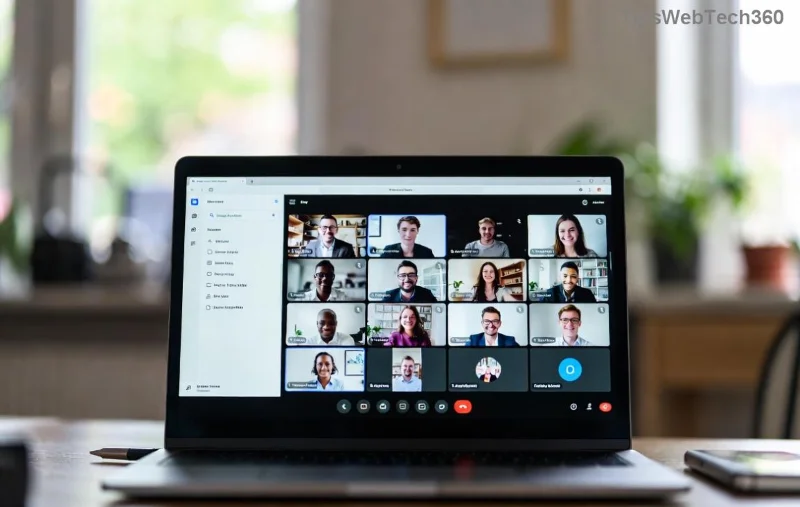
This tweak alone makes 80% of the interface more readable. Test it now—your eyes will thank you!
Method 2: Unlock Accessibility Features for Maximum Readability
Teams' accessibility suite is your secret weapon for a truly bigger Teams UI. Here's how:
- Increase text size: Settings → Accessibility → Turn on High contrast mode or Large text. Boosts font sizes across chats and meetings.
- Simplify interface: Enable Simplified Ribbon in General settings to declutter and focus on essentials.
- Dark/Light mode tweak: Pair with High contrast for sharper edges—perfect for low-light work.
![Teams accessibility settings for larger, readable text and UI]()
These changes persist across sessions, ensuring a consistently readable Teams UI.
Method 3: System-Wide Scaling for Microsoft Teams UI (Windows & Mac)
For deeper customization, leverage your OS settings—Teams respects them seamlessly.
| Platform |
Steps to Bigger UI |
Impact Level |
| Windows |
Settings → Ease of Access → Display → Drag Make text bigger slider. Restart Teams. |
⭐⭐⭐⭐⭐ (Full UI scale) |
| Mac |
System Settings → Accessibility → Display → Text size or Zoom slider. |
⭐⭐⭐⭐ (Text + partial UI) |
| Web Browser |
Ctrl + (zoom in) or View → Zoom → 125-150%. |
⭐⭐⭐ (Quick but session-only) |
This table compares options at a glance. Windows users get the biggest wins—scale everything from icons to videos!
Method 4: Mobile & Web Tweaks for On-the-Go Readability
Don't forget portable Teams:
- Mobile app: Tap profile → Settings → Appearance & accessibility → Increase chat text size. Swipe up for dynamic type scaling.
- Web version: Browser zoom (Ctrl/Cmd +) + Teams' Make text in buttons larger toggle in Accessibility.
Bonus: Enable Immersion mode in meetings for distraction-free, enlarged views.
Advanced Tips: Troubleshooting & Pro Hacks for the Perfect Bigger Teams UI
Encounter glitches?
- ✅ Update Teams to the latest version—new releases enhance scaling precision.
- ❌ Avoid mixing too many zooms; prioritize app-level for consistency.
- 🔧 DPI scaling issues? Right-click Teams shortcut → Properties → Compatibility → Override high DPI.
For official details, check Microsoft's Teams Accessibility Guide.
Combine these for a custom setup: 150% app zoom + system text boost = ultra-readable bliss. Share your before/after in comments—did it transform your workflow? 👏
Wrap-Up: Your Readable Teams UI Awaits
Implementing these steps takes under 5 minutes but pays dividends daily. No more headaches from minuscule menus—enjoy a spacious, eye-friendly Microsoft Teams UI tailored just for you. Which method will you try first? Stick around for more productivity hacks! 🚀