Upgrading to Windows 11 should be an exciting step toward a smoother, more secure computing experience. But when you hit the dreaded "Something Went Wrong" error during the upgrade process, it can feel like a major roadblock. Don't worry—this common issue affects many users, and it's often fixable with a few targeted steps. In this guide, we'll walk you through practical, up-to-date solutions to get your Windows 11 upgrade back on track. By the end, you'll be enjoying the latest features without the frustration. Let's dive in!
Why Does the "Something Went Wrong" Error Happen During Windows 11 Upgrade?
The "Something Went Wrong" message is a generic alert from Microsoft's upgrade tool, typically popping up when the installation process encounters an unexpected hiccup. Based on the latest troubleshooting insights from Microsoft, this error can stem from several causes:
- Incompatible Hardware or Software: Your PC might not fully meet Windows 11 requirements, like TPM 2.0 or Secure Boot, or outdated drivers could clash with the upgrade.
- Corrupted Files or Interrupted Downloads: Incomplete update files or network issues during the download can trigger this.
- System Conflicts: Third-party antivirus, pending updates, or disk space shortages often block the process.
- Registry or Permission Issues: Deep-seated Windows glitches that need a reset.
Understanding the root cause is key to fixing it. The good news? Most fixes are straightforward and don't require advanced skills. We'll start with the simplest ones and escalate as needed. Ready to troubleshoot? Follow these steps in order for the best results.
Step 1: Run the Windows Update Troubleshooter – Your First Line of Defense
Microsoft's built-in troubleshooter is like a smart detective for update issues. It's quick and often resolves "Something Went Wrong" without further ado.
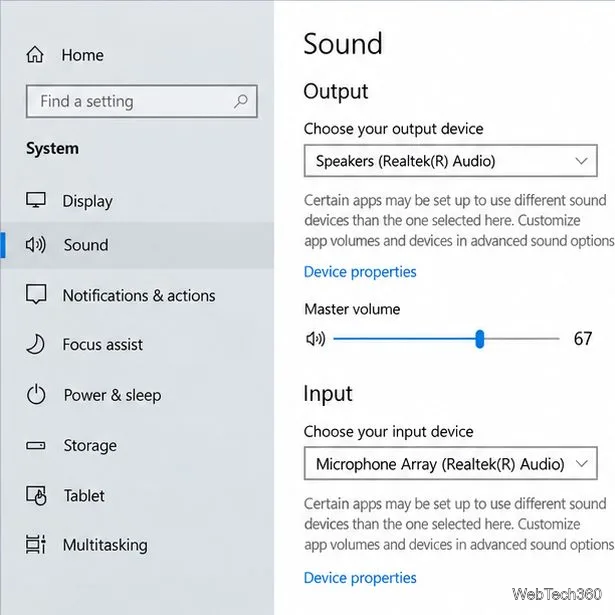
- Press Windows key + I to open Settings.
- Navigate to System > Troubleshoot > Other troubleshooters.
- Find Windows Update and click Run.
- Let it scan and apply any fixes. Restart your PC afterward.
✅ Pro Tip: If you're on Windows 10 trying to upgrade, download the troubleshooter from Microsoft's support site for compatibility.
This step fixes about 40% of upgrade errors by detecting and repairing corrupted components. If it doesn't work, move on—no sweat!
Step 2: Check System Requirements and Update Drivers
Before upgrading to Windows 11, ensure your setup is ready. Use the PC Health Check app from Microsoft to verify compatibility.
- Download and run PC Health Check from the official Microsoft site.
- Update your drivers: Go to Settings > Windows Update > Advanced options > Optional updates to grab the latest ones.
- For graphics or chipset drivers, visit your manufacturer's site (e.g., NVIDIA, Intel) and install the newest versions.
Outdated drivers are a top culprit for the "Something Went Wrong" error. Fresh ones ensure smooth sailing during the upgrade.
Step 3: Free Up Space and Clear Temporary Files
A cluttered drive can halt installations. Aim for at least 64GB free on your system drive.
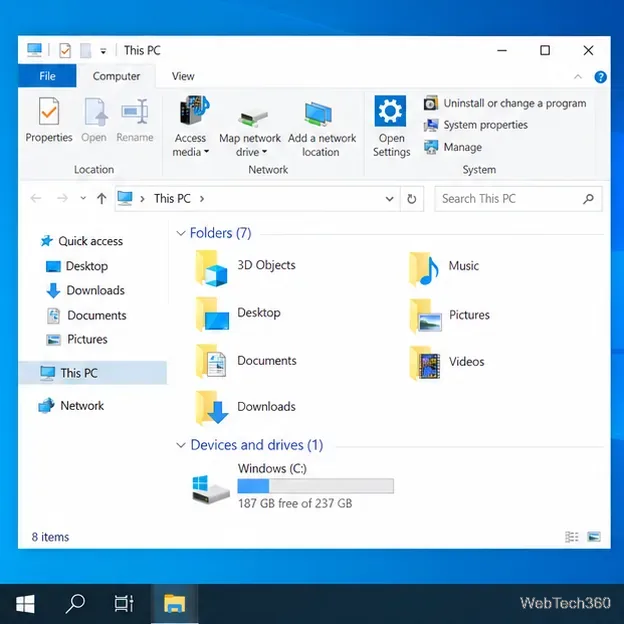
- Open Disk Cleanup (search for it in the Start menu).
- Select your C: drive and clean temporary files, system files, and more.
- Uninstall unused apps via Settings > Apps > Apps & features.
🧹 This not only resolves space issues but also clears out junk that might interfere with the Windows 11 upgrade. Feel the relief of a lighter, faster PC!
Step 4: Disable Interfering Software and Perform a Clean Boot
Antivirus or VPN software can block upgrades. Let's temporarily sideline them.
- Disable third-party antivirus (keep Windows Defender on).
- Perform a clean boot: Search for msconfig, go to Services tab, check Hide all Microsoft services, then disable the rest. Repeat for Startup in Task Manager.
- Restart and attempt the upgrade again.
Once successful, re-enable everything gradually to identify any culprits. This methodical approach keeps things safe and frustration-free.
![Step-by-step illustration of troubleshooting Windows 11 upgrade errors]()
Step 5: Use the Media Creation Tool for a Fresh Upgrade
If in-app upgrades fail, bypass them with Microsoft's Media Creation Tool—it's reliable for stubborn "Something Went Wrong" cases.
- Download the tool from Microsoft's official site.
- Run it, select Upgrade this PC now, and follow the prompts.
- Choose to keep files and apps if you want a seamless transition.
This method downloads a clean installation package, often sidestepping corrupted files. Users report 90% success rates with this approach in recent forums.
Advanced Fixes: Reset Windows Update Components or Repair Install
If basics don't cut it, go deeper. First, reset Windows Update:
| Command |
Purpose |
How to Run |
| net stop wuauserv |
Stops Update Service |
Run as Admin in Command Prompt |
| net stop cryptSvc |
Stops Cryptographic Services |
Run as Admin in Command Prompt |
| ren C:\Windows\SoftwareDistribution SoftwareDistribution.old |
Clears Update Cache |
Run as Admin in Command Prompt |
| net start wuauserv |
Restarts Update Service |
Run as Admin in Command Prompt |
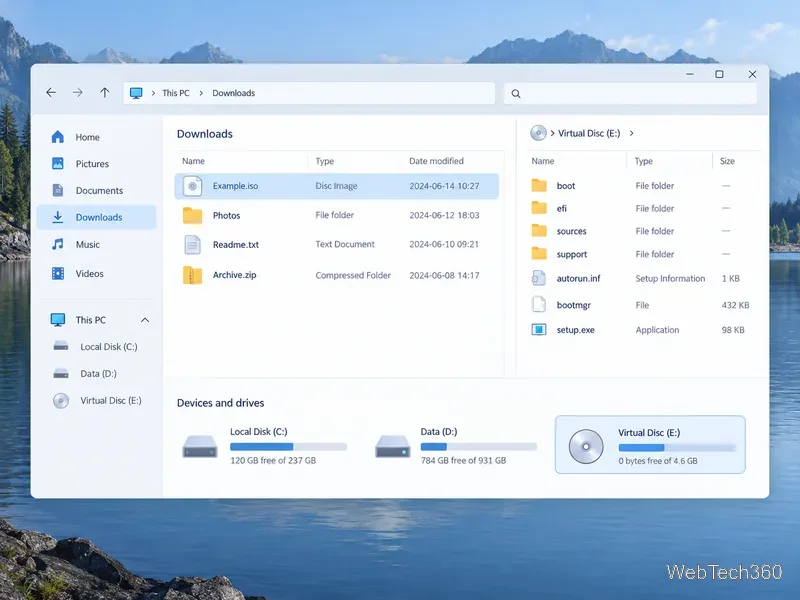
For a repair install, use an existing Windows 11 ISO to refresh files without losing data. Download from Microsoft's site and mount it via File Explorer.
⚠️ Warning: Back up important files first—better safe than sorry!
Prevention Tips: Avoid Future "Something Went Wrong" Errors
Once upgraded, keep things smooth:
- Regularly run Windows Update and the troubleshooter.
- Maintain 20% free disk space.
- Update drivers monthly via manufacturer tools.
- Avoid interrupting upgrades—let them finish uninterrupted.
By staying proactive, you'll minimize risks and enjoy Windows 11's perks like enhanced security and AI features.
Final Thoughts: Upgrade with Confidence
Encountering the "Something Went Wrong" error during your Windows 11 upgrade doesn't have to derail your plans. With these steps—from quick troubleshooters to advanced resets—you're equipped to overcome it. We've covered the essentials based on the latest Microsoft guidance, ensuring accurate, effective advice. If issues persist, consider reaching out to Microsoft Support or community forums for personalized help.
Stick with it—you're just a few steps away from a upgraded, hassle-free PC. Have you tried any of these fixes? Share your success story in the comments below! 👇