
How to Set Up an Email Signature in Outlook.com
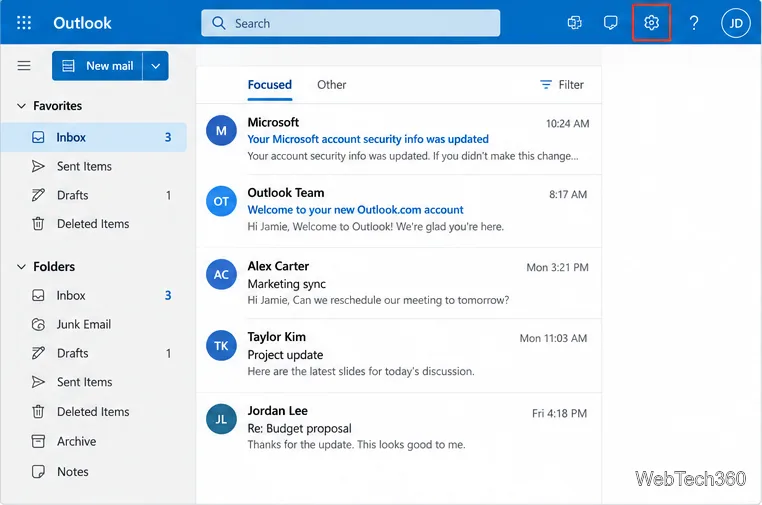
Create a reusable Outlook.com email signature, choose when it appears automatically, and insert it manually when you need a different sign-off.
Are you tired of that frustrating delay when clicking links or scrolling in your browser on Windows 11? Input lag can turn smooth browsing into a choppy nightmare, but don't worry—it's often fixable with a few targeted tweaks. In this guide, we'll dive straight into practical, up-to-date solutions to banish input lag in browsers like Chrome, Edge, Firefox, and more. By the end, you'll have a snappier system that feels brand new. Let's get your clicks responding instantly! 😊
Before jumping into fixes, understanding the culprits helps you target them effectively. Input lag in browsers on Windows 11 typically stems from:
Recent updates to Windows 11 have improved overall performance, but browser-specific lag persists for many users due to these factors. Now, let's roll up our sleeves and fix it step by step. Follow along, and you'll notice improvements right away!

Outdated GPU drivers are a top cause of input lag in browsers on Windows 11. Modern browsers rely heavily on your graphics card for rendering, and lag spikes when drivers aren't up to speed.
Step-by-step fix:
Pro tip: After updating, restart your PC and test in your browser. Users report up to 50% reduction in lag after this simple update. If you're on a laptop, ensure you're plugged in—battery mode can throttle performance.
Browsers like Chrome and Edge use hardware acceleration to offload tasks to your GPU, but it can backfire on Windows 11, causing erratic input lag. Let's dial it in.
For Google Chrome:
chrome://settings/ in the address bar.chrome://extensions/ and remove or toggle off resource hogs like ad blockers or VPNs that might conflict.chrome://settings/clearBrowserData > Select Cached images and files > Clear data.For Microsoft Edge (Windows 11's default):
For Firefox: Head to about:config, search for layers.acceleration.disabled, and set it to true to disable acceleration. Restart the browser.
These tweaks often resolve browser input lag immediately. Test by opening multiple tabs and scrolling—feel that responsiveness kick in? If not, keep going; we're just warming up. ⭐
Windows 11 defaults to balanced power plans that prioritize battery life over speed, leading to subtle input lag in resource-intensive apps like browsers. Switch to high performance for a boost.
How to optimize:
This setup reduces input delays by minimizing system overhead. Bonus: It also helps with gaming or video streaming in browsers. If you're on a desktop, this change is even more impactful—no battery compromises!
Cluttered background tasks on Windows 11 steal cycles from your browser, amplifying input lag. Let's clean house.
Steps to streamline:
Tools like the built-in Storage Sense (under System > Storage) can automate cleanup. After this, your browser will have more resources to handle inputs swiftly. Imagine tab-switching without that annoying pause—pure bliss! 👏
For stubborn input lag, dive deeper. These are safe but require caution—back up your registry first.
Disable USB Selective Suspend:
This prevents power-saving from delaying mouse/keyboard inputs, a common Windows 11 browser lag issue.
Registry tweak for mouse responsiveness (use at your own risk):
regedit, and hit Enter.HKEY_CURRENT_USER\Control Panel\Mouse.For more details on safe registry edits, check Microsoft's official guide: Edit the Registry in Windows.
To make it even easier, here's a handy table summarizing fixes for specific Windows 11 input lag scenarios in browsers:
| Issue | Symptom | Fix |
|---|---|---|
| Lag on scroll/click | Delayed mouse response in tabs | Disable hardware acceleration (Step 2) |
| High CPU during browsing | Stuttering on multi-tab use | Manage startup apps (Step 4) |
| Intermittent delays | Worse on battery or idle | Switch to High Performance plan (Step 3) |
| Extension-related lag | Slow after installing add-ons | Disable extensions and clear cache (Step 2) |
Once you've applied these fixes, maintain your setup for ongoing smoothness:
Congratulations—you've just turbocharged your browsing on Windows 11! No more waiting for pages to catch up to your clicks. If these steps worked for you, share your experience in the comments below. What's your go-to browser? Let's keep the conversation going for even more tips. Happy browsing! 🎉
Create a reusable Outlook.com email signature, choose when it appears automatically, and insert it manually when you need a different sign-off.
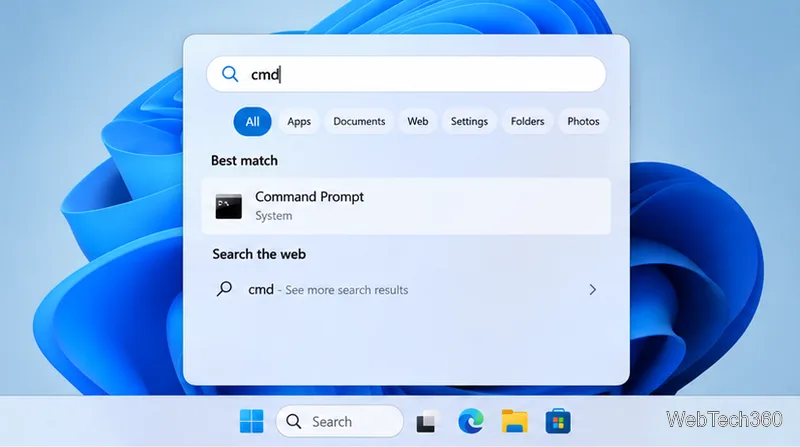
Open Command Prompt with Start search, Run, File Explorer, or Windows Terminal. See how to launch it as an administrator and find it on older PCs.
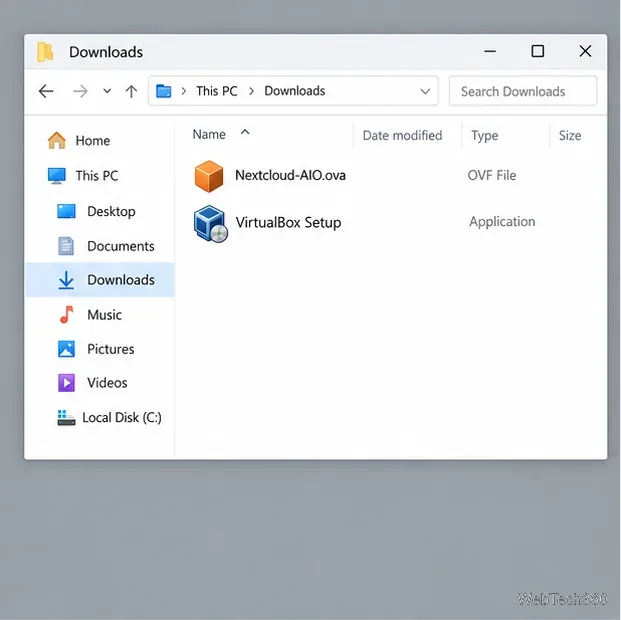
Set up a Nextcloud sync server on Windows Server with the AIO virtual machine, VirtualBox, bridged networking, domain, HTTPS, and backup guidance.
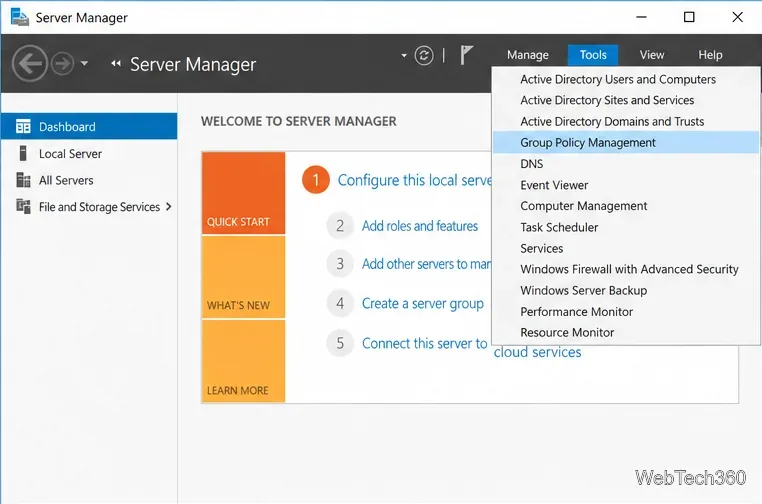
Learn how to create, link, configure, and verify a Windows Server Group Policy Object with a pilot OU, a wallpaper example, and troubleshooting checks.
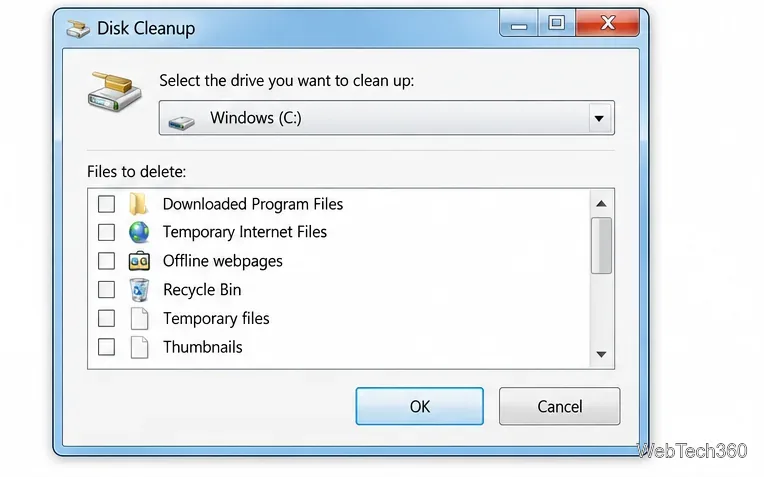
Learn how Windows 7 Disk Cleanup, Disk Defragmenter, System Restore, and built-in troubleshooters handle common maintenance tasks, with important safety limits.
Speed up a Windows 7 PC by finding bottlenecks, reducing startup load, clearing disk space, adjusting visual effects, and upgrading wisely.
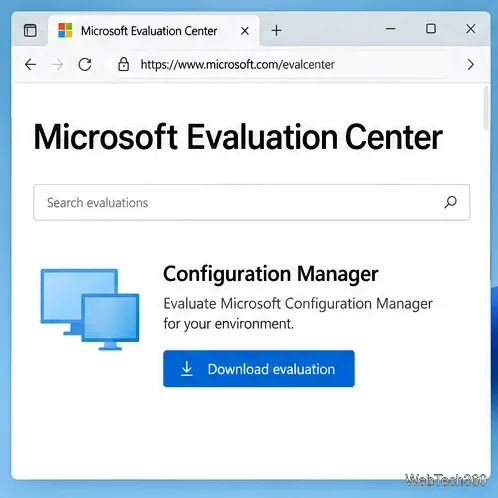
Set up Configuration Manager as a standalone primary site with supported Windows Server, SQL Server, evaluation media, and current setup prerequisites.
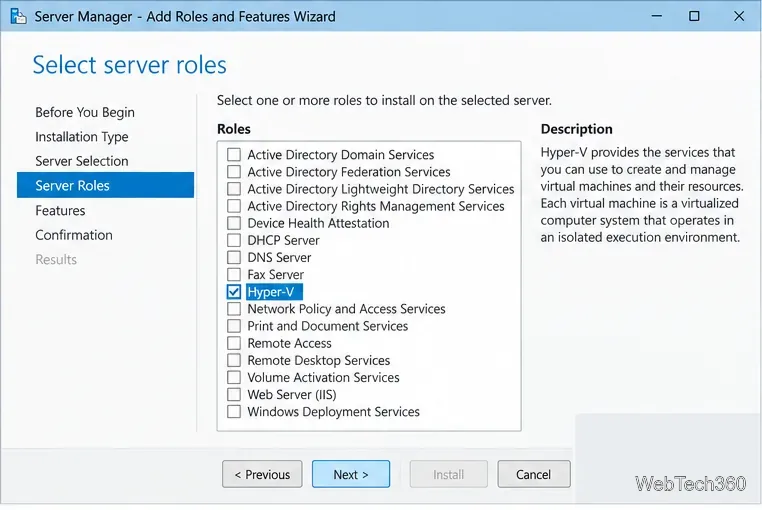
Host GitLab Self-Managed on Windows Server by running Ubuntu Server in Hyper-V, then configure its network, HTTPS address, first login, and backups.
Install Abyss Web Server X1 on Windows Server, create the console login, publish a test page, and configure the service to start at boot.
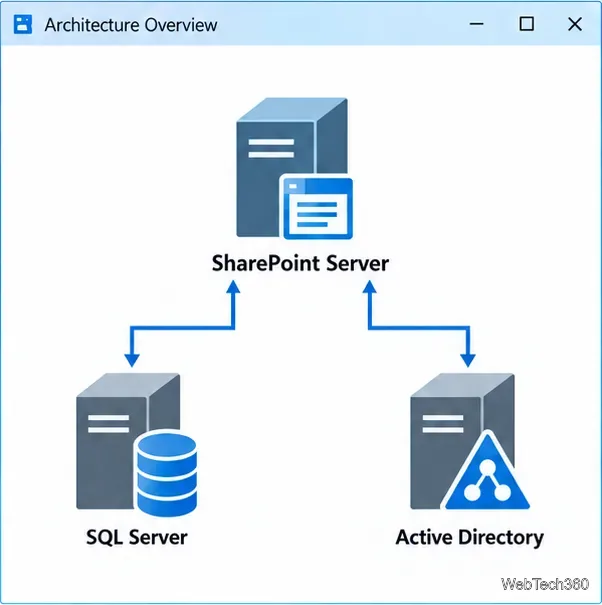
Install SharePoint Server Subscription Edition on Windows Server with current hardware, SQL, prerequisite, setup, and farm-configuration guidance.