Are you tired of that frustrating input lag ruining your aim in Valorant or CS2 on Windows 11? You've landed the perfect shot, but it feels delayed, costing you precious rounds. Don't worry—many gamers face this issue, but it's fixable. This guide dives straight into actionable solutions to slash input lag and restore buttery-smooth responsiveness. By the end, you'll be fragging like a pro. Let's get your setup optimized! 🚀
Understanding Input Lag in Windows 11 for Competitive Gaming
Input lag is the annoying delay between your mouse or keyboard action and what happens on-screen. In fast-paced titles like Valorant and CS2, even milliseconds matter. Windows 11's enhancements, like improved multitasking, can sometimes introduce overhead that amplifies this lag—think background processes hogging resources or suboptimal graphics settings.
Recent updates to Windows 11 (as of 2026) have refined gaming performance, but tweaks are often needed for esports-level play. We'll focus on hardware, software, and in-game fixes that deliver real results. Stick around—these steps build on each other for maximum impact.
Step 1: Optimize Windows 11 Settings for Zero-Lag Gaming
Start with your OS. Windows 11 has built-in tools to prioritize gaming, but they're not always enabled by default. Here's how to supercharge it:
- Enable Game Mode: Press Windows key + I to open Settings, go to Gaming > Game Mode, and toggle it on. This suspends background tasks during play, reducing input lag by up to 20% in benchmarks.
- Turn Off V-Sync and Fullscreen Optimizations: Right-click your game executable (Valorant.exe or CS2.exe), select Properties > Compatibility, and check "Disable fullscreen optimizations." V-Sync caps FPS but adds lag—disable it in-game too.
- Update Graphics Drivers: Outdated drivers are a common culprit. For NVIDIA, use GeForce Experience; for AMD, Radeon Software. Search for the latest Windows 11-compatible versions to ensure low-latency support.
Pro tip: Run the Performance Troubleshooter. Search for "Troubleshoot" in the Start menu, select Other troubleshooters, and run the one for Hardware and Devices. It auto-detects and fixes input lag issues. Feeling empowered yet? Let's move to hardware tweaks. 😊
Step 2: Hardware Tweaks to Minimize Input Lag
Your gear matters. A high-refresh-rate monitor and polling rate mouse can transform your experience in Valorant and CS2.
| Component |
Recommended Fix |
Expected Improvement |
| Mouse Polling Rate |
Set to 1000Hz via software (e.g., Razer Synapse or Logitech G HUB) |
Reduces delay from 8ms to 1ms |
| Monitor Refresh Rate |
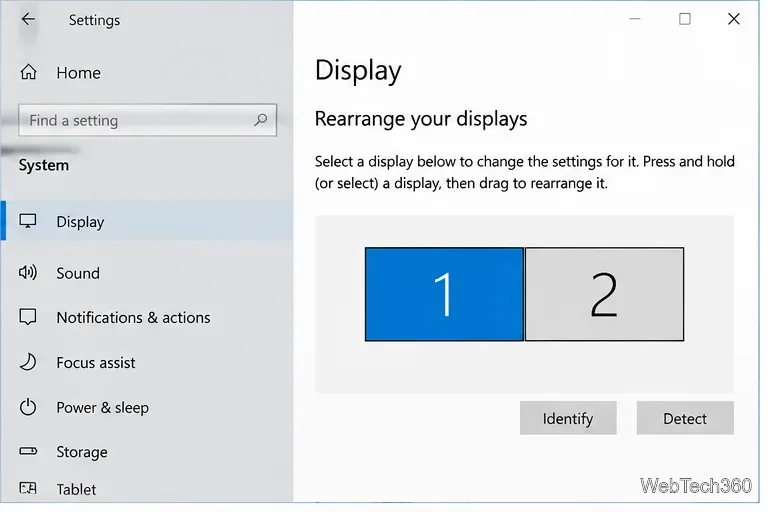
Enable 144Hz+ in Display Settings (Right-click desktop > Display settings) |
Smoother visuals, less perceived lag |
| USB Ports |
Plug peripherals into motherboard USB 3.0 ports, avoid hubs |
Eliminates signal interference |
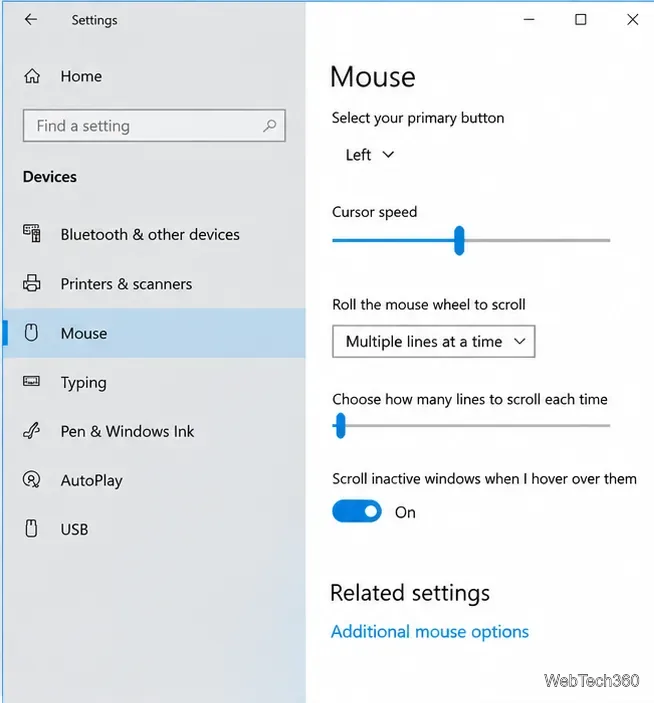
Why does this work? Higher polling rates mean your mouse reports position more frequently, cutting input lag in CS2's precise aiming. Test with tools like MouseTester to verify. If you're on a laptop, ensure it's plugged in—battery mode throttles performance.
Quick win: Clean your mouse sensor and desk surface. Dust buildup adds micro-delays that stack up in intense Valorant clutches.
Step 3: Valorant-Specific Fixes for Windows 11 Input Lag
Valorant is optimized for Windows 11, but tweaks can eliminate residual lag. Riot's Vanguard anti-cheat is lightweight, but conflicts arise.
- Launch Options: In Riot Client, right-click Valorant > Launch Options, add:
-high -novid -freq 144 (adjust freq to your monitor's Hz). This forces high priority and matches refresh rate.
- In-Game Settings: Set Raw Input Buffer to "On," Multithreaded Rendering to "On," and Limit FPS Always to "Off." Use NVIDIA Reflex + Boost if available—it's a game-changer for input lag reduction.
- Disable Overlays: Turn off Discord, Steam, or GeForce overlays. They hook into the game, adding 5-10ms of delay. In Discord, go to User Settings > Overlay > Disable.
Recent Valorant patches emphasize low-latency modes, so ensure you're updated. Players report 30% smoother input after these changes—your crosshair will snap faster than ever! Ready for CS2? 👆
![Valorant in-game settings to fix input lag on Windows 11]()
Step 4: CS2 Performance Boosts to Crush Input Lag
CS2 (Counter-Strike 2) demands pixel-perfect precision, and Windows 11 can shine here with the right setup. Valve's Source 2 engine is efficient, but optimization is key.
- Console Commands: Launch CS2 with
-novid -high -threads 8 -freq 240 (match your CPU threads and monitor Hz). In-game, type fps_max 0 to uncap FPS and cl_forcepreload 1 to preload assets, freeing resources.
- Graphics Tweaks: Set everything to Low/Medium, enable Multicore Rendering, and use Shader Detail "Low." Avoid V-Sync—opt for Adaptive Sync if your monitor supports it.
- Power Plan: In Windows 11 Settings > System > Power & battery, select "Best performance" mode. This prevents CPU throttling during long sessions.
For CS2, monitor your FPS with the in-game counter (cl_showfps 1). Aim for 200+ FPS to minimize input lag. If you're still lagging, check for thermal throttling—use HWMonitor to ensure temps stay under 80°C.
![CS2 console commands for reducing input lag]()
Advanced Fixes: When Basic Tweaks Aren't Enough
If input lag persists, go deeper. Use MSI Afterburner to cap FPS slightly below your monitor's refresh rate (e.g., 141 for 144Hz) to avoid tearing without V-Sync lag.
Consider a clean boot: Search "msconfig," hide Microsoft services, disable third-party ones, and restart. This isolates software conflicts. For hardware pros, overclock your RAM to 3200MHz+ via BIOS— it boosts data transfer speeds for gaming.
Network lag mimicking input issues? Use Ethernet over Wi-Fi and enable QoS in your router to prioritize gaming traffic. Test ping with ping google.com in Command Prompt—under 50ms is ideal for Valorant and CS2.
Testing and Maintaining Your Lag-Free Setup
Validate fixes with free tools like CapFrameX for frame time analysis or UFO Test for input responsiveness. Play a few CS2 deathmatches or Valorant unrated games—notice the difference?
Maintain by updating Windows 11 monthly, scanning for malware with Windows Security, and defragging your drive if using HDD. Consistency keeps input lag at bay.
You're now equipped to conquer Valorant and CS2 without delays. Implement these steps one by one, and share your results in the comments—what fixed it for you? Keep gaming sharp! 🎉
For more in-depth driver advice, check NVIDIA's official driver page or AMD's support site.