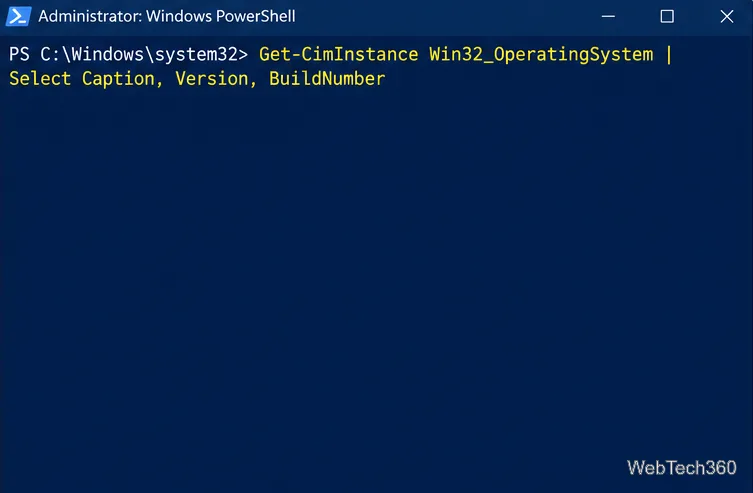
Set Up VMware Workstation Pro on Windows Server
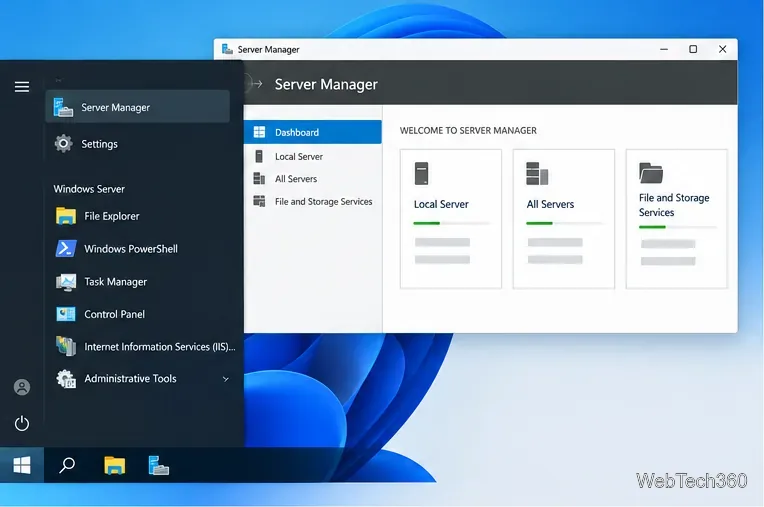
Install VMware Workstation Pro on a compatible Windows Server host, from checking support and downloading the right build to creating your first VM.
Ever encountered a stubborn disk partition that refuses to play nice with your Windows setup? If you're dealing with a GPT-formatted drive that needs to switch to MBR for compatibility reasons, you're in the right place. Converting GPT to MBR using Diskpart CMD is a powerful, built-in solution that can save your data and streamline your system. This guide will walk you through the process with crystal-clear steps, ensuring you feel confident and excited about taking control of your storage. Let's dive in and transform your disk woes into a smooth, efficient setup! 🚀
Before we jump into the how-to, let's quickly unpack why this conversion matters. GPT (GUID Partition Table) is the modern standard for disk partitioning, supporting larger drives and more partitions—perfect for UEFI systems. On the flip side, MBR (Master Boot Record) is the legacy format, ideal for older BIOS-based systems or when you need broad compatibility with tools and software that don't fully support GPT.
Common scenarios include booting from an older OS, using certain legacy apps, or preparing a drive for multi-boot setups. The good news? Windows' Diskpart CMD tool makes this switch straightforward without needing third-party software. Just remember: this process can lead to data loss if not done carefully, so back up your data first to avoid any headaches. Ready to proceed? Let's get to the steps that will have you converting like a pro.
To ensure a seamless GPT to MBR conversion, gather these essentials:
With these in place, you're set for success. Pro tip: If your drive is larger than 2TB, note that MBR limits partitions to that size—GPT shines there, but MBR works for most standard needs.
Now, the heart of the matter! We'll use Diskpart CMD, a command-line powerhouse in Windows. This method is free, fast, and reliable. Follow these steps carefully—think of it as a quick adventure to optimize your PC. We'll number them for easy navigation.
diskpart and hit Enter. You'll see the DISKPART> prompt—your gateway to disk mastery!list disk to display all connected drives. Identify your target by size (e.g., Disk 1). Caution: Double-check to avoid selecting the wrong one! Type select disk X (replace X with the disk number) and press Enter. Confirm with detail disk if needed.clean and Enter. It removes all partitions, preparing the disk for conversion. If you see errors, the disk might be in use—close apps or reboot.convert mbr and hit Enter. Diskpart will process the change, switching from GPT to MBR. For most drives under 2TB, this is instant. Success message? You're golden!create partition primary for the main partition. Then format fs=ntfs quick to format it (NTFS is standard for Windows). Assign a letter with assign letter=D (or your choice). Exit with exit.That's it! Your GPT to MBR conversion using Diskpart CMD is complete. If you're converting a system disk, boot from Windows media and repeat in the recovery environment for safety. Feel the rush of empowerment? This tweak can breathe new life into your setup.
No guide is complete without troubleshooting tips. Here are frequent hiccups during Diskpart CMD conversions and fixes to keep you smiling:
| Issue | Solution |
|---|---|
| "Diskpart has encountered an error: The parameter is incorrect." | Ensure the disk is offline or not in use. Type offline disk then online disk before cleaning. |
| Conversion fails on large drives (>2TB) | MBR doesn't support >2TB fully—consider sticking with GPT or using third-party tools for partial conversions. |
| Access denied or permission issues | Run CMD as true administrator. Disable antivirus temporarily if it interferes. |
| Boot issues post-conversion | For system disks, use Windows Recovery to repair the boot sector with bootrec /fixmbr. |
These tips should cover 90% of snags. If problems persist, check the official Microsoft documentation for the latest Diskpart updates.
Congrats on the conversion—now let's supercharge it! After switching to MBR, consider these enhancements to keep your system humming:
fsutil behavior set DisableDeleteNotify 0.chkdsk D: /f) regularly for peace of mind.These steps not only solidify your GPT to MBR efforts but also future-proof your storage. Imagine the satisfaction of a clutter-free, high-performing PC—it's within reach!
While Diskpart CMD makes it easy, weigh the pros and cons. MBR offers simplicity and legacy support, but GPT is superior for modern hardware. If you're on UEFI, consider if the switch is necessary—sometimes, updating firmware is a better path. For deeper dives, explore Microsoft's Diskpart overview for authoritative insights.
We've covered the essentials to get you converting confidently. Whether troubleshooting an old rig or optimizing a new one, this guide equips you with the knowledge to succeed. Got questions or a success story? Drop a comment below—we're all in this tech journey together! Your next disk adventure awaits. 😊
Install VMware Workstation Pro on a compatible Windows Server host, from checking support and downloading the right build to creating your first VM.
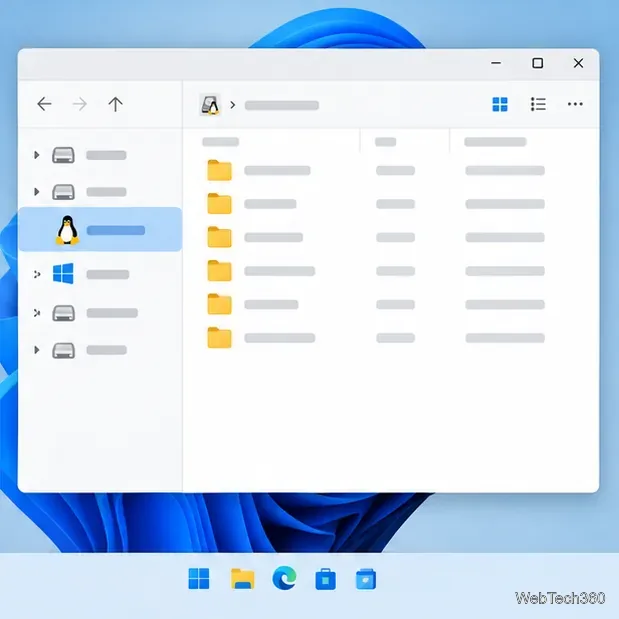
Browse and copy Ext2, Ext3, or Ext4 files on Windows with a read-only workflow. See what Linux Reader’s free edition supports and when WSL fits.
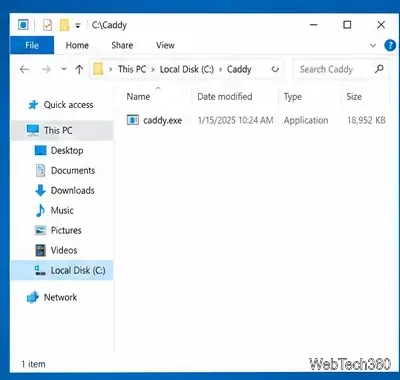
Install Caddy’s native Windows binary, serve a test site, enable automatic HTTPS for a domain, and run Caddy as a Windows Server service.
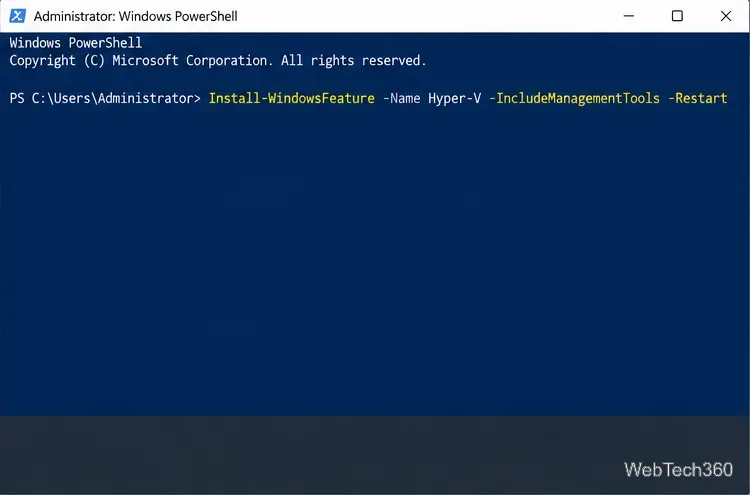
Run Linux Docker containers alongside Windows Server by creating an Ubuntu Hyper-V VM, installing Docker Engine, and publishing a test service safely.
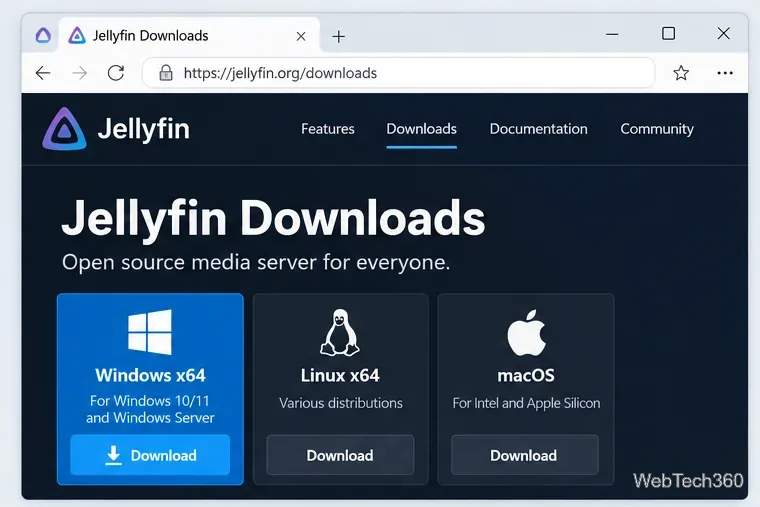
Install Jellyfin as a Windows service, grant it limited access to your media, finish setup, and connect clients on your LAN or through a safer remote connection.
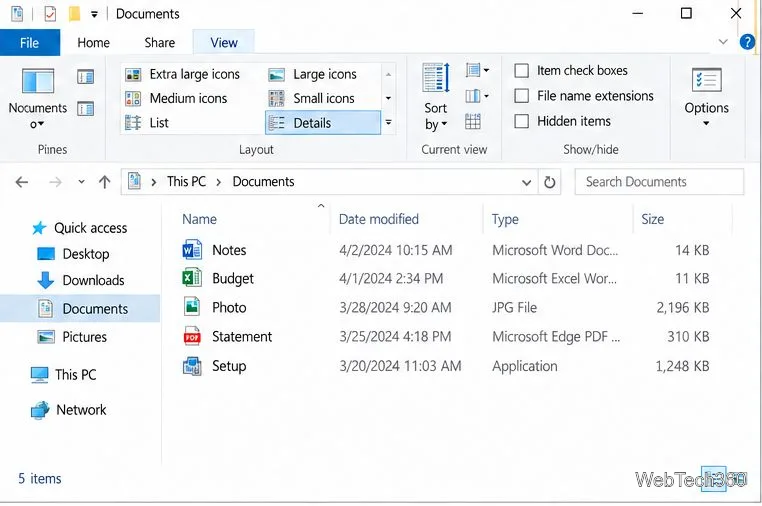
Turn on file name extensions in Windows 10 with File Explorer or Folder Options. Learn what endings like .pdf and .exe reveal and why renaming one does not convert a file.
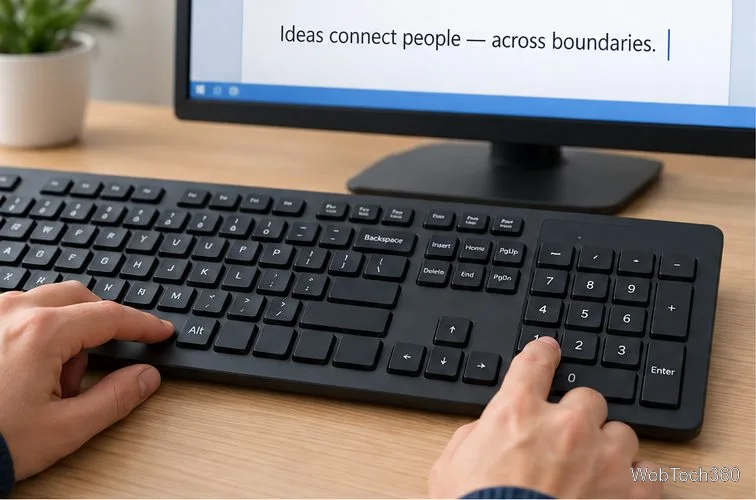
Learn five reliable ways to type an em dash, from Windows Alt codes and Mac keys to the symbol menus in Microsoft Word and Google Docs.
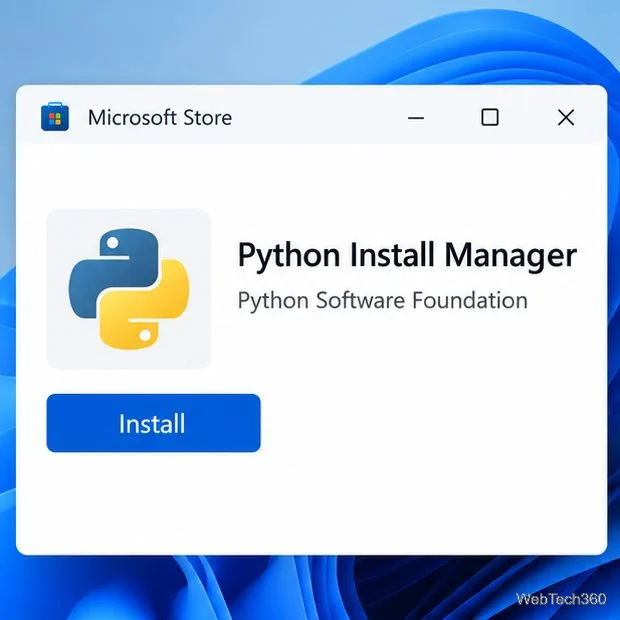
Install Python with the official Windows install manager, verify your interpreter, repair pip with ensurepip, and install packages in a project-specific virtual environment.
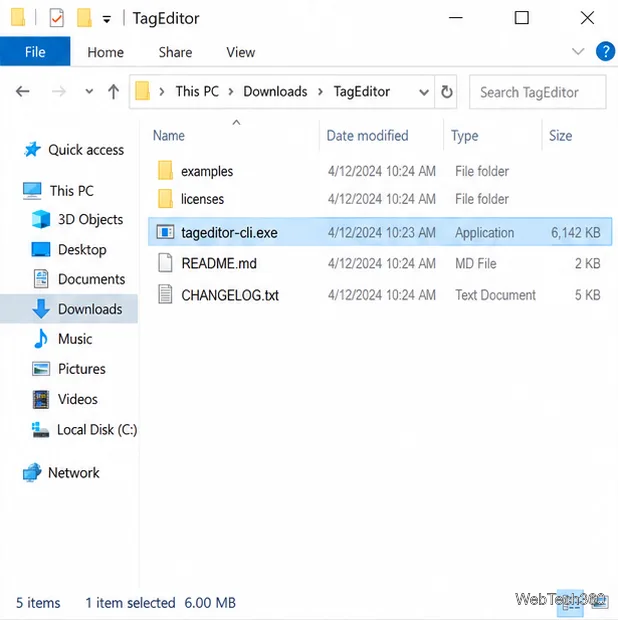
Learn how to embed a custom video thumbnail image on Windows 10 with Tag Editor, verify the saved cover, and understand when File Explorer may not display it.
Install a Windows Server container runtime, choose a compatible Windows image, and use Docker commands to start, inspect, and remove containers.