How to Make a Glass Bottle in Minecraft
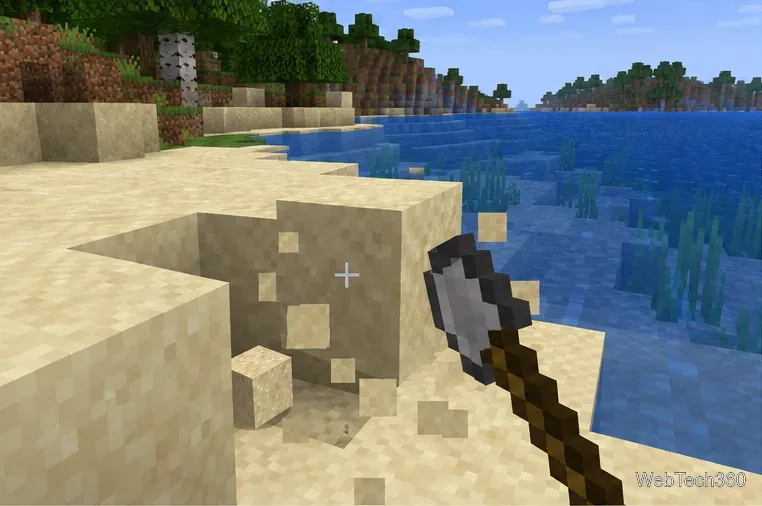
Learn the exact three-glass recipe, smelt sand into glass, and fill your Minecraft bottles with water for brewing.
Are you facing compatibility issues with your hard drive because of its GPT partition style? Whether you're upgrading hardware, troubleshooting boot problems, or simply wanting to reformat for better organization, knowing how to delete GPT partition style on a hard drive is essential. Don't worry—this process doesn't have to be intimidating. In this concise guide, we'll walk you through reliable, up-to-date methods to remove GPT partitions safely, helping you regain control of your storage without data loss risks (back up first, of course!). By the end, you'll feel confident tackling this task and optimizing your drive for peak performance. Let's dive in! 🚀
GPT (GUID Partition Table) is a modern partitioning scheme that replaced the older MBR (Master Boot Record) for drives larger than 2TB. It supports more partitions, better data integrity, and is ideal for UEFI systems. However, you might need to delete GPT partition style if:
Deleting GPT partition style essentially wipes the partition table, erasing all data on the drive. It's a clean slate, but remember: always back up important files before proceeding. This step ensures a smooth experience and protects your data. Ready to get started? We'll cover the most effective tools and steps using built-in Windows features—no fancy software needed.
Before we jump into the how-to, let's prioritize safety. Deleting GPT partition style on a hard drive will remove everything, so backing up is non-negotiable. Use tools like Windows Backup, external drives, or cloud services such as OneDrive. Once done, verify your backups—peace of mind is priceless! 😊
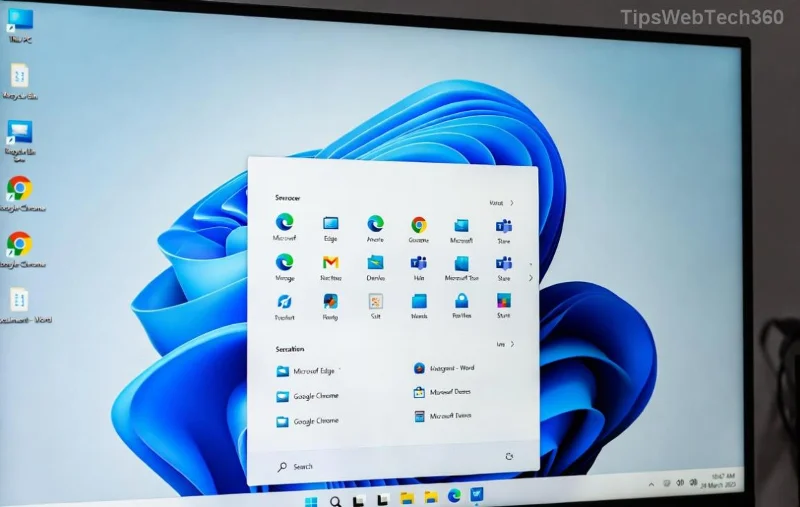
Windows' built-in Disk Management tool is a user-friendly way to remove GPT partitions. It's graphical, intuitive, and perfect if you're not comfortable with command lines. Here's how:
This method is quick for secondary drives. For the system drive, boot from installation media. Feeling empowered? Great—many users find this visual approach less stressful than commands.
For precision and automation, DiskPart is your go-to command-line utility. It's been a staple in Windows for years and handles deleting GPT partition style efficiently. Follow these steps carefully:
| Step | Command | Action |
|---|---|---|
| 1 | diskpart | Open Command Prompt as Administrator (search for cmd, right-click, Run as admin), then type diskpart and press Enter. |
| 2 | list disk | View all disks. Note the disk number of your target (e.g., Disk 1—use size to identify). |
| 3 | select disk X | Replace X with your disk number (e.g., select disk 1). Warning: Wrong selection wipes the incorrect drive! |
| 4 | clean | This command erases all partitions and the GPT partition style, converting the drive to uninitialized. |
| 5 | convert mbr | (Optional) Converts to MBR style immediately after cleaning. For GPT retention, skip this. |
| 6 | exit | Close DiskPart. Refresh Disk Management to see changes. |
DiskPart's clean command is the key to fully deleting GPT partition style on a hard drive—it removes the entire partition table. If you're converting to MBR, this ensures compatibility with older systems. Test on a non-critical drive first to build confidence. 👍
If built-in tools fall short (e.g., for complex setups), free third-party software like EaseUS Partition Master or MiniTool Partition Wizard can simplify how to delete GPT partition style. Download from official sites, scan your drive, and use their "Delete Partition" or "Convert GPT to MBR" wizards. Always choose reputable tools to avoid malware risks. These apps often include previews, making the process foolproof and faster for large drives.
Even with the best plans, hiccups happen. Here are quick fixes to keep you on track:
Avoid these by double-checking disk numbers and working on powered-off systems when possible. If stuck, consult Microsoft's official support for the latest tweaks.
For more details on DiskPart usage, check out Microsoft's documentation: DiskPart Guide.
Congratulations—you've successfully learned how to delete GPT partition style on a hard drive! Now, repopulate it wisely. In Disk Management, create new volumes with NTFS for Windows compatibility. Allocate space for OS, apps, and data—aim for balanced partitions to boost speed. Run CHKDSK for integrity checks and defragment if using HDDs (SSDs don't need it). Your drive is now refreshed and ready for action, potentially extending its lifespan. What's next? Maybe explore SSD upgrades for even faster performance?
Mastering delete GPT partition style empowers you to customize your setup without frustration. Whether for work, gaming, or personal use, a well-managed hard drive enhances your digital life. If this guide helped, share your success story in the comments—we love hearing how it went! Stay tuned for more storage tips to keep your tech running smoothly. You've got this! 🎉
Learn the exact three-glass recipe, smelt sand into glass, and fill your Minecraft bottles with water for brewing.
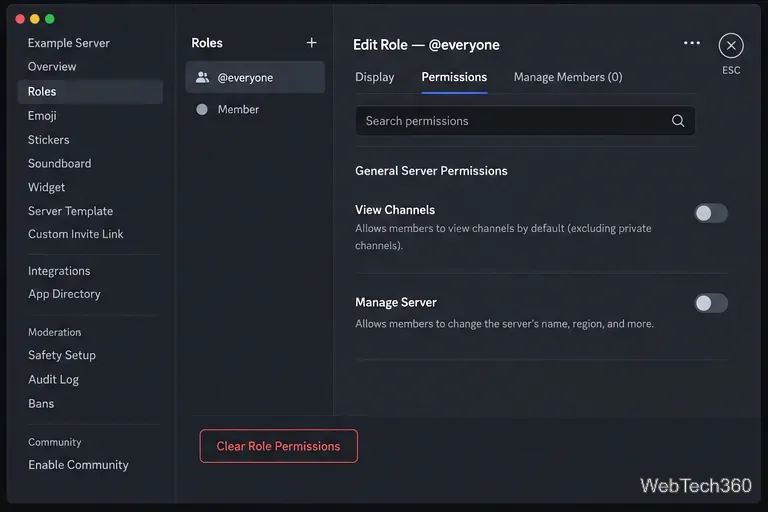
Control who can join, see channels, and find your Discord server with role permissions, invite links, and Discovery settings.
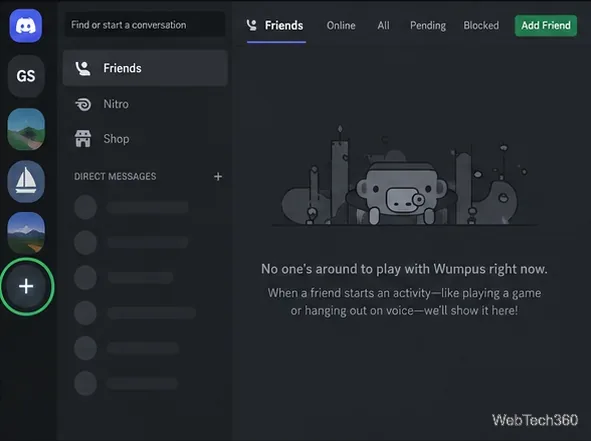
Create a Discord server in the desktop app or browser, organize channels, set permissions and safety tools, then share an invite that fits your group.
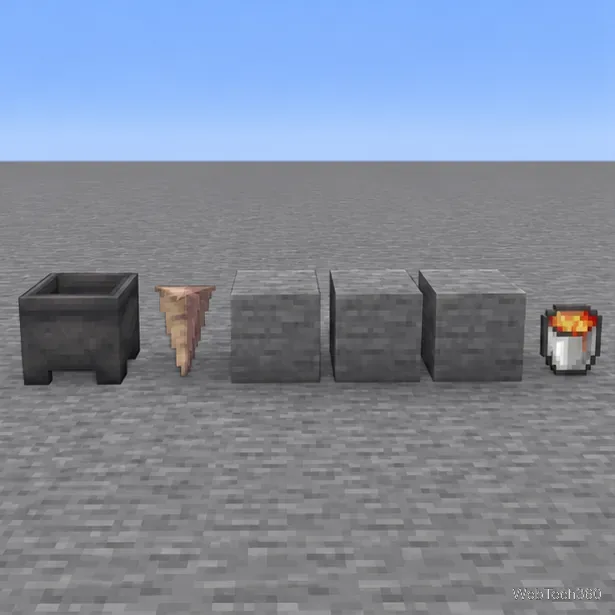
Build a renewable lava farm with pointed dripstone, one lava source, and a cauldron. Follow the setup, collection steps, and fixes for a cauldron that will not fill.
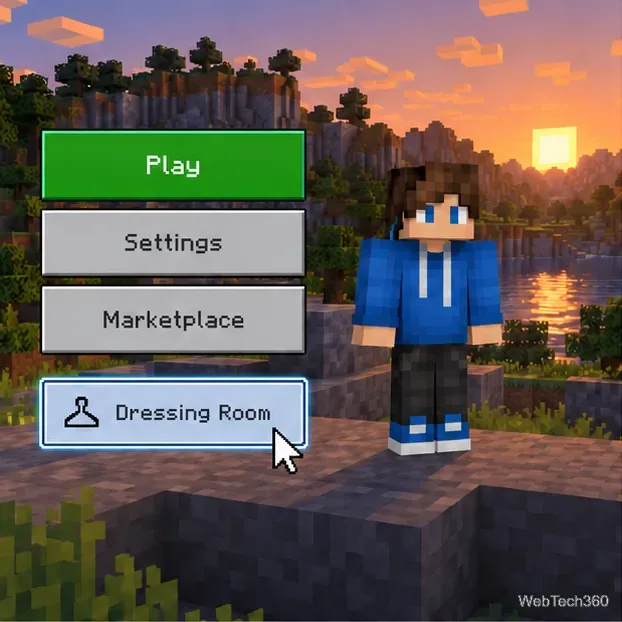
Fix a Minecraft skin that will not load by checking Bedrock Dressing Room, your Microsoft account, Marketplace downloads, updates, and Java skin settings.
Minecraft language options differ between Java and Bedrock. See common languages, why old counts are unreliable, and where to check your edition.
Plan a practical Minecraft survival base with the essentials for safety, food, storage, and crafting, plus useful upgrades to add as your world grows.
Update Minecraft on Nintendo Switch from the HOME Menu, enable automatic updates, and troubleshoot when the console cannot find or install one.
Learn the official ways to get Minecoins in Minecraft, redeem a prepaid code, spend coins on Marketplace content, and fix a missing balance.
Learn how to add Jira users to team-managed and company-managed projects, assign the right role, and share a board’s saved filter safely.