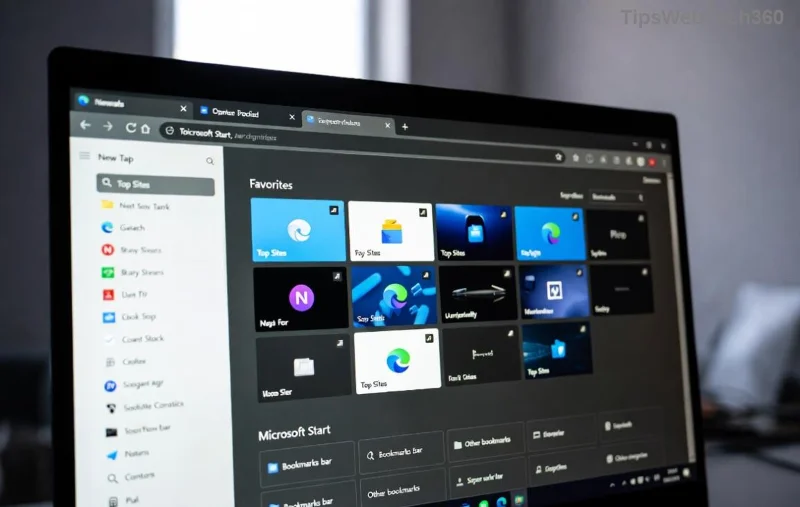
Is your PC slowing to a crawl because of Microsoft Edge memory leak issues on Windows 11? You're not alone. High RAM consumption from Edge tabs, extensions, or background processes can turn your smooth browsing into a frustrating lag fest. 😩 But don't worry— we've got your back with targeted, easy-to-follow fixes that work right now. Follow these steps to slash memory usage, speed up your browser, and keep your system humming. Let's dive in and reclaim that RAM!

🚨 What Causes Microsoft Edge Memory Leak on Windows 11?
Understanding the root causes helps you fix them faster. Common culprits include:
- Excessive Extensions: Faulty add-ons hog memory without releasing it.
- Too Many Tabs: Each tab loads resources that pile up over time.
- Cache and Cookies Buildup: Outdated data clogs Edge's memory.
- Outdated Software: Bugs in older Edge or Windows versions trigger leaks.
- Hardware Acceleration Glitches: GPU integration can cause runaway memory use.
Pro tip: Open Task Manager (Ctrl + Shift + Esc) and spot Edge processes eating 4GB+ RAM. Time to fight back! ⚔️
🔧 Step-by-Step Fixes for Microsoft Edge Memory Leak
Start with the quickest wins and escalate as needed. Most users see 50-70% RAM reduction after these.
1️⃣ Quick Restart and Tab Management
The simplest fix: Restart Edge and limit tabs to 10 max. Use Edge's built-in Sleeping Tabs feature:
- Go to
edge://settings/system.
- Enable "Save resources with sleeping tabs."
- Set sleep timeout to 30 minutes.
Result? Inactive tabs hibernate, freeing GBs of RAM instantly. 🎉
2️⃣ Clear Cache and Site Data
Cluttered cache is a memory thief. Here's how to nuke it:
- Press Ctrl + Shift + Delete in Edge.
- Select "All time" and check Cookies, Cached images/files.
- Hit Clear now.
Do this weekly for peak performance. Your browsing will feel brand new!
3️⃣ Disable Problematic Extensions
Extensions are often the #1 villain. Audit them:
| Extension |
Memory Impact |
Action |
| Ad Blockers |
High |
Disable/Test |
| Password Managers |
Medium |
Update |
| VPNs |
High |
Remove |
Navigate to edge://extensions/, toggle off suspects, and monitor RAM in Task Manager. Re-enable one by one to isolate the leak.
![Task Manager screenshot showing Microsoft Edge high memory usage before and after fix on Windows 11]()
4️⃣ Update Edge and Windows 11
Bugs get patched in the latest builds. Check for updates:
- Edge:
edge://settings/help → Update.
- Windows: Settings → Windows Update → Check for updates.
Recent patches have squashed major memory leak issues in Edge's Chromium engine. Stay current! ⭐
5️⃣ Toggle Hardware Acceleration
If leaks persist:
- Go to
edge://settings/system.
- Turn OFF "Use hardware acceleration when available."
- Restart Edge.
This shifts load from GPU to CPU, often resolving leaks on Windows 11.
6️⃣ Reset or Reinstall Edge
For stubborn cases:
- Settings → Reset settings → Restore to default.
- Or PowerShell (Admin):
Get-AppxPackage *edge* | Remove-AppxPackage, then reinstall from Microsoft.
⚠️ Backup bookmarks first!
📊 Monitor and Prevent Future Microsoft Edge Memory Leak Issues
Use these tools to stay ahead:
- Edge Task Manager: Shift + Esc inside Edge—kill rogue tabs.
- Performance Monitor: Search "PerfMon" in Start menu for real-time tracking.
- Enable Efficiency Mode in Edge flags:
edge://flags/#edge-efficiency-mode.
Bonus: Set RAM limits via Group Policy for power users (search "Edge memory limit policy").
Ready to Supercharge Your Browsing? 🚀
Implement these fixes, and watch Microsoft Edge memory leak vanish on your Windows 11 setup. Your PC will thank you with lightning-fast performance. Got a specific scenario? Drop a comment below—we're here to help refine these steps for you. Share this guide if it saved your sanity! 👏
For official troubleshooting, check Microsoft Edge Support.