Home
» INTERNET
»
How to Clean White Running Shoes: The Safest Method for Mesh, Soles, and Stubborn Stains
How to Clean White Running Shoes: The Safest Method for Mesh, Soles, and Stubborn Stains
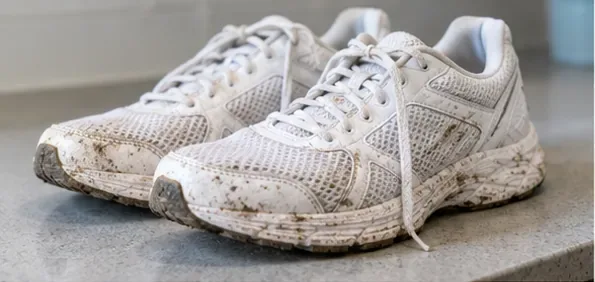
White running shoes show dirt quickly, but the biggest cleaning mistake is treating every white shoe as if it were made from the same materials. Current manufacturer guidance checked in September 2026 still does not point to one universal method. Nike, Brooks, HOKA, and ASICS generally favor hand cleaning and air drying, while adidas also publishes guidance that permits machine washing in some running-shoe situations. The practical takeaway is simple: the safest default is gentle hand cleaning, and the care instructions for your exact model should override any general tutorial.
If your goal is to make white running shoes look brighter without shortening their useful life, choose the least aggressive method that can solve the problem. Dust needs a brush. Fresh scuffs may need only a damp cloth. Ground-in mud calls for soap and controlled scrubbing. A washing machine may save effort, but it exposes the whole shoe to more water and mechanical stress than spot cleaning or hand washing.
Which cleaning method should you choose?
Method
Best for
Main advantage
Main tradeoff
Dry brushing and spot cleaning
Dust, fresh road grime, small marks
Fast and low risk
May not remove embedded stains
Hand washing with mild soap
Most mesh, knit, synthetic, and mixed-material running shoes
Good balance of cleaning power and control
Takes more time than machine washing
Baking-soda spot paste
Selected white or light-colored areas when ordinary soap is not enough
Useful for targeted brightening
Can leave residue or be too abrasive for delicate finishes
Machine washing
Only shoes whose manufacturer or model-specific instructions allow it
Convenient and hands-off
Can stress foam, adhesives, fabric, and shoe shape
Deep soaking
Only when the manufacturer specifically recommends it
Can loosen heavy grime
More water exposure and longer drying time
This difference is not theoretical. Nike's shoe-care guidance recommends hand cleaning and says it does not recommend washing shoes in a washing machine. Brooks also advises hand washing and specifically warns against machine washing and drying. HOKA's care page likewise recommends hand washing and natural drying. By contrast, adidas' running-shoe guide describes both hand cleaning and a cold, gentle machine cycle. That is why a brand-specific care page is more useful than a blanket rule.
Before cleaning, identify what your shoes are made of
The upper is the part of the shoe that wraps the top and sides of your foot. On running shoes it is often mesh, knit, or another lightweight textile. The midsole is the cushioning layer between the upper and the ground-contact rubber. The outsole is the tread that touches the road or trail.
These parts do not tolerate the same treatment. Mesh and knit can snag or fuzz under hard brushing. Foam midsoles can absorb grime and may dislike aggressive chemicals. Rubber outsoles are usually the most scrub-tolerant area. Suede, nubuck, leather, waterproof membranes, and special coatings need more specific care, so check the product page or care label before introducing water or stain treatments.
Start by checking the material and condition. Dry dirt is easier to remove before water is introduced.
What do you actually need?
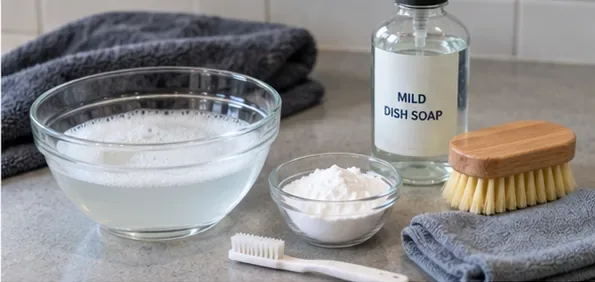
For a conservative hand-cleaning routine, prepare a soft-bristled brush or clean toothbrush, mild liquid soap or mild laundry detergent, a bowl of cool to warm water, microfiber cloths or clean towels, and paper or a dry cloth for helping the shoes hold their shape while drying. A firmer brush can be useful for the rubber outsole, but keep it away from delicate mesh.
For white and light-colored shoes, Nike also describes an equal-parts baking soda and water paste as an optional cleaning method. Treat that as a targeted stain option rather than the first thing you put over the whole shoe. Patch-test an inconspicuous area first, and skip it on suede, nubuck, coated materials, or any model whose care instructions say otherwise.
For most running shoes, mild soap, water, a soft brush, and clean towels are the lowest-risk starting point.
Step 1: Remove dry dirt before adding water
If the shoes are muddy, let the mud dry first when practical. Then brush away loose dirt from the outsole, midsole edge, and upper. This reduces the amount of grit that can turn into an abrasive slurry once water is added. HOKA and ASICS both recommend removing loose mud and debris before wet cleaning.
Start with the softest brush that works. A stiff outsole brush may be fine on rubber tread but can damage knit or mesh if you use the same pressure on the upper.
Step 2: Take out the laces and removable insoles
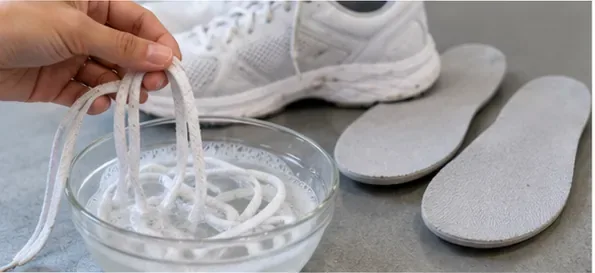
Removing these parts makes it easier to clean around the eyelets and tongue, and it lets each component dry independently. Wash laces by hand in mild soapy water unless their care instructions permit another method. For removable insoles, use a damp cloth or soft brush with mild soap and avoid reinstalling them until they are fully dry.
Remove laces and removable insoles so each part can be cleaned and dried separately.
Step 3: Choose the mildest solution that fits the dirt
For routine grime
Mix a small amount of mild soap or detergent into water. You want a dilute solution, not a bowl full of concentrated detergent. Nike specifically cautions that a high concentration of dish soap can discolor some materials or strip natural oils.
For stubborn white marks
Try repeated gentle cleaning before moving to stronger treatments. A baking-soda-and-water paste can be useful on suitable white or light surfaces, but rinse or wipe it away thoroughly so powder does not remain in the mesh. Avoid chlorine bleach on the shoe upper unless the exact manufacturer instructions explicitly allow it; “white” describes the color, not the chemical tolerance of the material.
For delicate or premium materials
If your running shoes include suede, nubuck, leather, or a waterproof membrane, stop and use the manufacturer's material-specific instructions. HOKA, for example, recommends different handling for suede/nubuck and for GORE-TEX footwear rather than treating them like ordinary mesh.
Step 4: Clean the upper gently
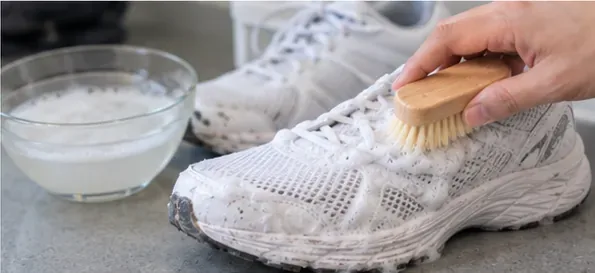
Dip a soft brush or cloth into the cleaning solution, remove excess liquid, and work a small section at a time. On mesh, use light circular motions or gentle dabbing. Do not grind the bristles into the fabric. Blot dirty foam away with a clean cloth as you work so you are not repeatedly spreading gray water over white material.
Mesh and knit uppers need light pressure; aggressive scrubbing can roughen or fray the fibers.
If the shoe has glued overlays or printed details, use even less pressure around the edges. The objective is to lift dirt, not scrub until the surface texture changes.
Step 5: Treat the outsole and midsole separately
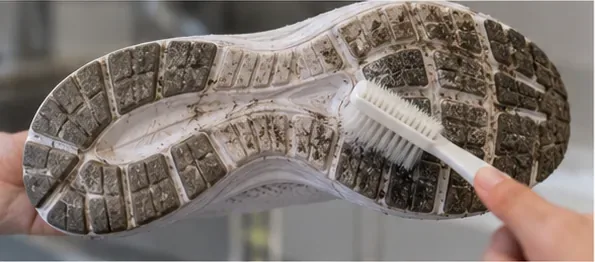
Use a toothbrush or firmer brush on the rubber outsole to loosen dirt from the tread. This is also a good time to remove small stones from grooves. Cleaning the tread matters for more than appearance: Brooks notes that accumulated mud can reduce traction.
The outsole can usually tolerate a firmer brush than the upper, but avoid grinding dirt back into white foam or fabric.
For a white foam midsole, switch back to a softer brush or cloth. Foam can show scuffs, but excessive abrasion can roughen its surface. If one pass does not remove a stain, repeat a gentle treatment rather than immediately reaching for a harsher chemical.
Step 6: Wipe or rinse away cleaner without over-soaking
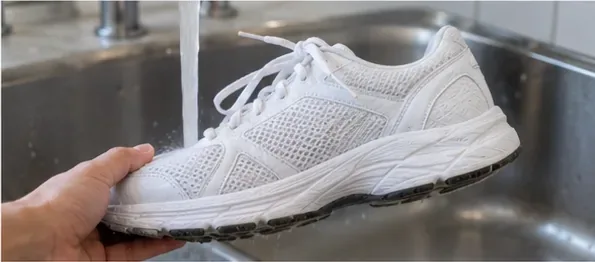
This is where manufacturer differences matter most. Brooks recommends avoiding soaking, while adidas publishes a deep-clean method that includes soaking for some running shoes. For a general mixed-brand guide, the lower-risk choice is to wipe away soap with a clean damp cloth or use a brief controlled rinse only when your shoe's care instructions permit it.
Use a brief rinse only when the shoe's care guidance permits it; otherwise wipe away soap with a clean damp cloth.
Do not leave soap trapped in mesh or around seams. Residue can make white fabric look dull and may attract more dirt. If you do rinse, keep the exposure brief and let excess water drain immediately.
Step 7: Air dry completely
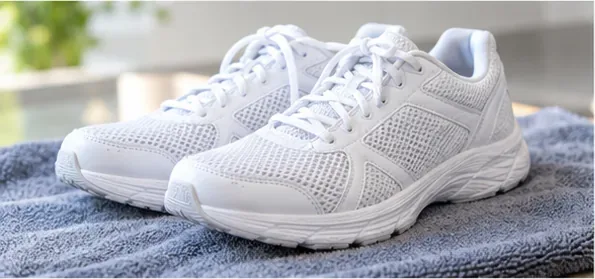
Drying is not the place to save time with heat. Nike, Brooks, HOKA, adidas, and ASICS all direct users toward air drying rather than high heat. Dryers, radiators, heating vents, and other concentrated heat sources can deform materials or affect adhesives and foam.
Air dry completely with good ventilation and keep shoes away from dryers, radiators, and other direct heat.
Blot off surface moisture, then place the shoes in a well-ventilated indoor area. Stuffing them loosely with clean paper or a dry cloth can help hold their shape and absorb moisture. Change the paper if it becomes saturated. Keep laces and removable insoles separate until every part is dry to the touch.
Step 8: Reassemble and check the result
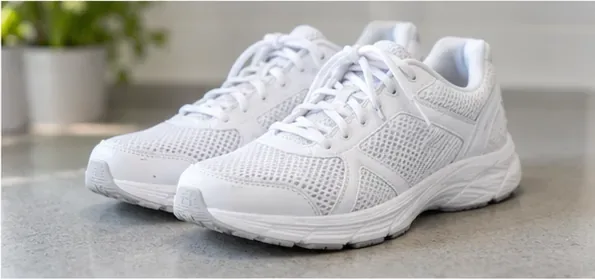
Reinsert the insoles, thread the laces, and inspect the shoes in natural light. A successful cleaning should remove loose grime and most surface staining without leaving the mesh fuzzy, the foam distorted, the glue lines lifted, or the shoes damp inside.
Reassemble only when the shoes, laces, and insoles are fully dry so moisture is not trapped inside.
Some discoloration is permanent wear rather than removable dirt. Repeated aggressive scrubbing can do more harm than leaving a faint stain. If a mark remains after two gentle cleaning passes, compare the area with the rest of the material and decide whether further cosmetic improvement is worth the risk.
Should you put white running shoes in the washing machine?
Only when the instructions for that brand and model allow it. Machine washing is attractive because it is easy and can clean multiple surfaces at once, but it gives you much less control over water exposure, agitation, and impact. Nike, Brooks, HOKA, and ASICS generally discourage machine washing in their public care guidance. adidas, however, says running shoes can be washed on a cold, gentle cycle in a garment bag or pillowcase and then air dried.
If your exact shoe documentation says machine washing is acceptable, remove loose dirt first, take out laces and insoles, use cold water and a gentle cycle, and skip the dryer. If the documentation is silent or says hand wash only, hand cleaning is the safer decision.
What about whitening a yellowed midsole?
First determine whether the yellow appearance is surface dirt or material aging. Dirt may improve with mild soap and repeated gentle wiping. Oxidation, UV exposure, adhesive aging, or changes inside foam and plastics may not be fully reversible with ordinary cleaning.
A stronger whitening treatment can create a brighter patch while also changing texture or color elsewhere. For performance running shoes, preserving the material is usually more important than forcing an older midsole back to a factory-white appearance. If the shoes are collectible or use unusual materials, use a product-specific care service rather than experimenting with harsh chemicals.
How often should white running shoes be cleaned?
There is no universal calendar. Brooks says there is no fixed cleaning interval and recommends paying attention to mud and tread buildup. Nike suggests cleaning when shoes become dirty and notes that regular maintenance can make each cleaning easier. In practice, a quick dry brush or wipe after dirty runs reduces the need for deep cleaning later.
For road shoes used in dry weather, frequent full washes are usually unnecessary. For trail shoes, wet-weather runs, or shoes exposed to mud, remove debris sooner so tread remains clear and stains do not set as deeply.
Common mistakes that make white running shoes harder to maintain
Using one brush everywhere: outsole brushes may be too aggressive for mesh.
Starting with strong chemicals: mild soap gives you more control and lower material risk.
Soaking by default: some brands allow it, others specifically advise against it.
Using the dryer: manufacturer guidance consistently favors air drying.
Reassembling while damp: trapped moisture slows drying and can encourage odor.
Chasing perfect whiteness: permanent wear, oxidation, and scuffs are not always removable dirt.
A practical recommendation by need
If your white running shoes are only dusty, dry-brush them and spot clean. If they have normal road grime, hand wash with mild soap and a soft brush. If the outsole is muddy, use a firmer brush only on the rubber tread. If the upper has a stubborn white stain, consider a small baking-soda spot treatment only when the material is suitable. If you want the convenience of a washing machine, use it only when the manufacturer's instructions for that model clearly permit it.
That approach keeps the decision tied to the actual problem and the actual material. White shoes do not need the strongest cleaning method; they need the least aggressive method that gets them acceptably clean.