How to Uninstall Kodi Repositories the Right Way
Learn how to uninstall a Kodi repository safely, remove its saved source URL separately, and check which installed add-ons or dependencies you still need.
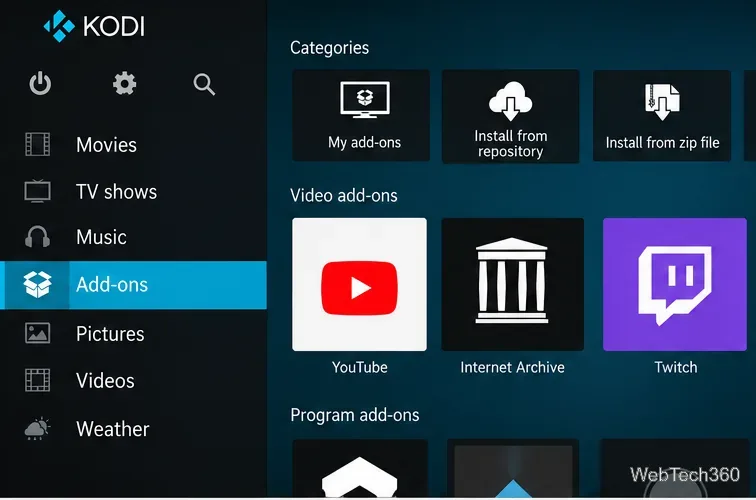
To uninstall a Kodi repository, open Add-ons > My add-ons > Add-on repository, select the repository, open its information page, and choose Uninstall. If you also want to clear a saved URL from Kodi’s File Manager, remove that separately. The URL, repository add-on, and add-ons installed from it are different things.
A repository is itself a Kodi add-on that lets Kodi browse and update other add-ons. A source is a saved location or URL you may have added in File Manager so Kodi can find a repository ZIP file. An add-on is the extension you installed, such as a skin or media tool.
Uninstalling a repository removes that repository add-on. It does not automatically remove every add-on you previously installed from it. Those add-ons may remain installed, but they may stop receiving updates from that repository. Removing a saved source URL alone does not uninstall the repository.

Identify the exact repository name and review any add-ons you still use. If you rely on an add-on installed from that repository, removing it may affect future updates. Its runtime dependencies are separate, so review those before cleaning them up. Keep the Kodi Add-on repository that comes with Kodi; it is the official repository used for official add-ons.
If you are unsure, leave the repository installed until you have checked the add-ons you rely on. Avoid deleting folders in Kodi’s profile by hand: doing so can remove data or leave Kodi’s records out of sync.
The Kodi Add-on Manager documentation describes My add-ons as the place to manage installed add-ons, including repository add-ons. Kodi’s Settings/System/Add-ons and File Manager pages are marked updated for v22; menu names and icon placement can still vary across versions and skins.
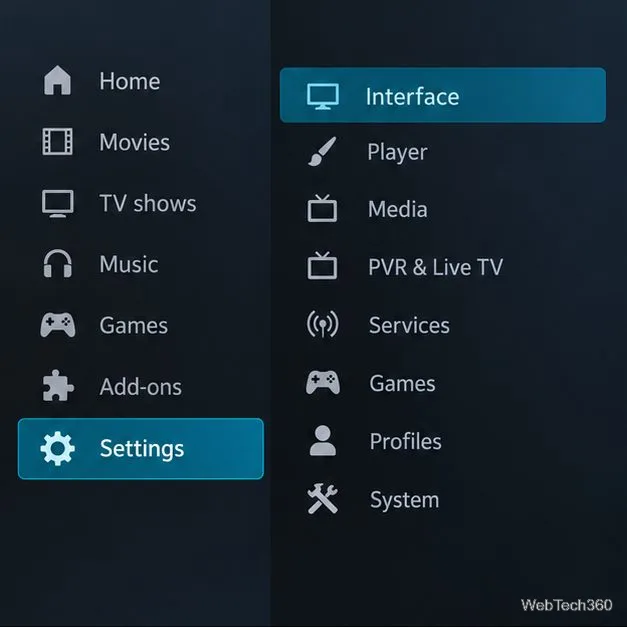
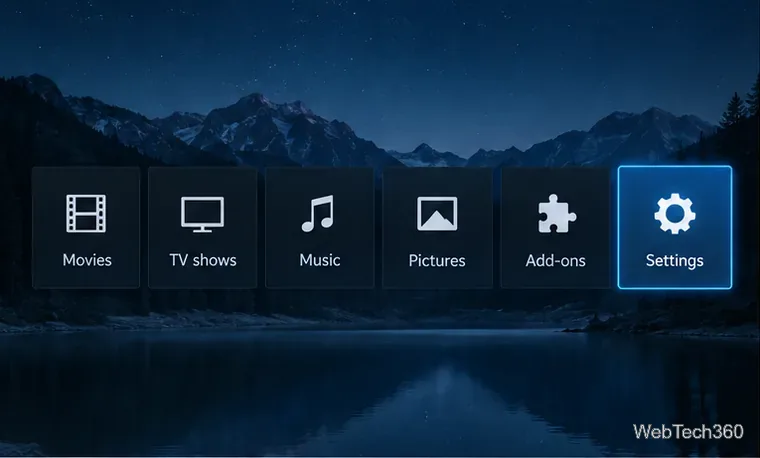
Do this only if you also want to remove a URL or path you previously saved for browsing to a ZIP file. From the Home screen, open Settings (the gear), then File manager. Highlight the saved source entry, open its context menu (right-click, the device’s menu button, or the equivalent control), choose Remove source, and confirm.
This removes the saved File Manager entry; it is not the repository uninstall step. If the repository still appears under My add-ons > Add-on repository, return there and uninstall it separately.
Do not assume so. Add-ons are managed separately, so check My add-ons and uninstall any extensions you no longer want. Add-ons that remain may no longer receive updates from the removed repository.
There is no reliable reason to expect repository cleanup to fix buffering. Remove repositories to clear clutter or stop using a source you no longer trust; troubleshoot playback and network issues separately.
No. Remove it only if you want to clear that saved File Manager shortcut. It is separate from uninstalling the repository.
Learn how to uninstall a Kodi repository safely, remove its saved source URL separately, and check which installed add-ons or dependencies you still need.
Find the safest way to watch live tennis with Kodi: learn what iPlayer WWW can stream, how to find licensed coverage, and which add-ons to avoid.
Learn how to watch movies on Kodi from your computer, USB drive, or NAS, add online video services, and fix missing titles with clear setup steps.
Set a Kodi Master Lock PIN, protect selected menus, and create a separate kids’ profile with media sources you choose.
Find the authorized stream for your country, check whether its provider supports Kodi, and watch a boxing PPV on your TV without relying on outdated add-ons.
Compare five Kodi skins in the official Omega catalog, then follow the current Settings path to install one, customize it, or switch back.
Looking for the 1Channel Kodi add-on? Learn why old PrimeWire installation guides are unreliable and how to install a supported video add-on safely.
Enable Kodi’s Chorus2 web interface, control your media from any browser, and learn how to connect remotely without exposing Kodi to the Internet.
Follow the original Nemesis Kodi installation process, learn what changed with Stream Army, and avoid outdated repository and PIN instructions.
Download Kodi safely on Windows using the official installer or Microsoft Store, then add your media library and set up trusted add-ons.