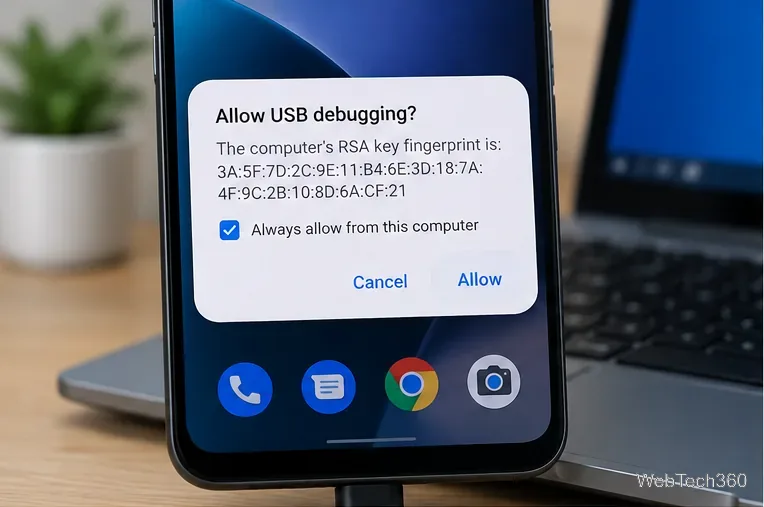
How to Enable the Android Power Button Bug Report Shortcut
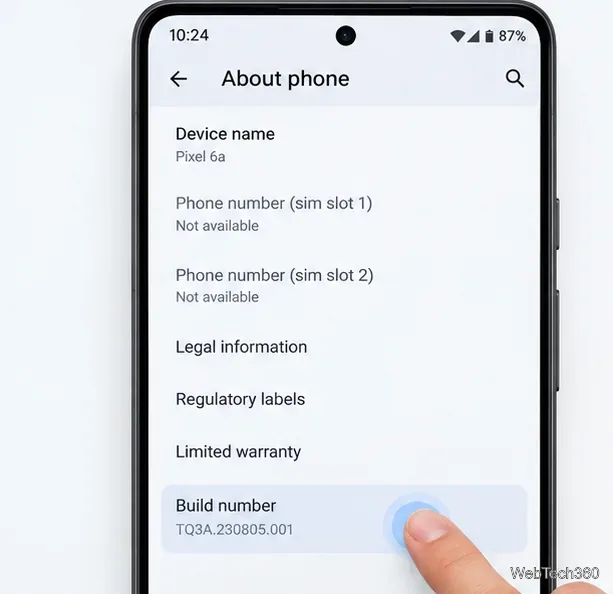
Enable Android’s power-menu bug report shortcut, capture a diagnostic report on your phone, and share it safely without relying on a desktop computer.
The Galaxy S26 Ultra is not a bad phone looking for a rescue. It is a premium flagship with a 6.9-inch QHD+ display, a 200MP main camera, a Snapdragon 8 Elite Gen 5 for Galaxy processor, a built-in S Pen, and faster 60W charging. The more useful question is narrower: where does the S26 Ultra still leave obvious room for Samsung to make the next Ultra meaningfully better?
This matters because a new model does not need a longer spec sheet just for the sake of change. Buyers deciding whether to purchase the S26 Ultra or wait for a future Galaxy S27 Ultra need to know which limitations affect everyday use, which are simply design trade-offs, and which upgrades would actually justify another flagship price. This article uses Samsung's published S26 Ultra specifications and support material as the baseline. It does not treat unannounced S27 hardware as confirmed.
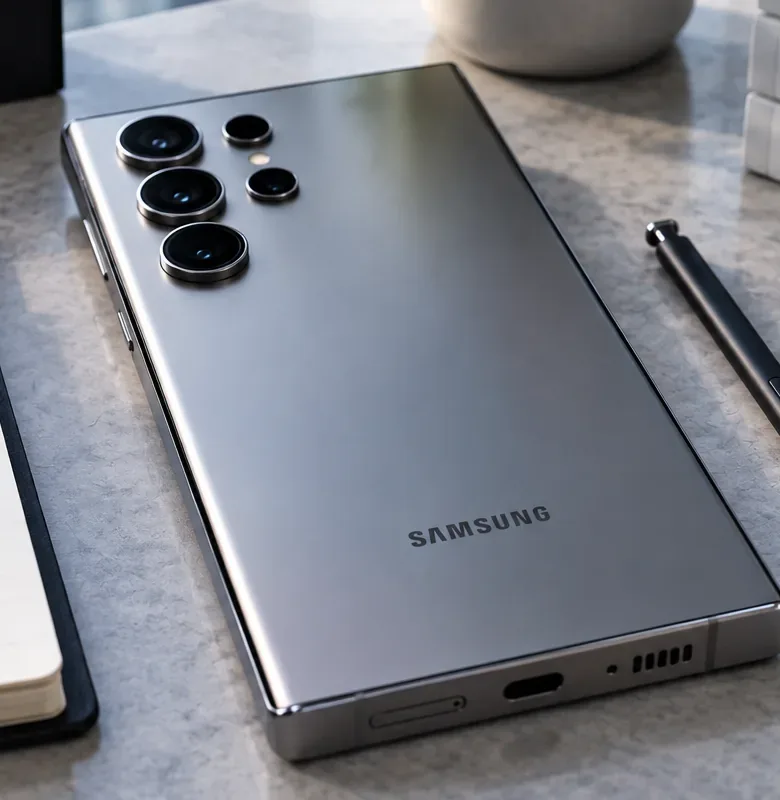
Start with the areas where the S26 Ultra is already measurable. Samsung's own Galaxy S26 Ultra product page lists a 5,000mAh battery, up to 31 hours of video playback, a 200MP main camera, a 50MP 5x telephoto camera, a 10MP 3x telephoto camera, and charging that reaches up to 75% in around 30 minutes. Samsung also publishes a direct S26 Ultra versus earlier Ultra comparison, which is especially useful because it shows where progress was large and where it was small.
| Area | Verified S26 Ultra baseline | What would make the S27 Ultra meaningfully better? |
|---|---|---|
| Battery | 5,000mAh; Samsung rates up to 31 hours of video playback | Longer real endurance, ideally from more capacity plus efficiency |
| 3x telephoto | 10MP, F2.4 | A higher-quality 3x sensor with better detail and low-light performance |
| S Pen | No Bluetooth pairing or Air Actions | Restore optional BLE remote features without hurting pen reliability |
| Magnetic charging | Samsung promotes magnet-equipped cases for Qi2 alignment | Make magnetic attachment simpler and more native to the phone |
| Charging | Up to 60W; up to 75% in around 30 minutes | Improve the sustained charging curve, not just the peak-watt number |
| Base value | Launch MSRP from $1,299.99; 12GB RAM on 256GB/512GB versions | More RAM or storage at the same entry price |
Yes, battery endurance is the clearest place where a future Ultra should show a visible generational gain. Samsung lists the S26 Ultra at 5,000mAh, the same typical capacity published for the S25 Ultra. More importantly, Samsung's own comparison says both the S25 Ultra and S26 Ultra are rated for up to 31 hours of video playback. That does not mean battery life is poor; it means the headline endurance metric did not move forward.
The S26 Ultra did become thinner and lighter, so Samsung made a real design trade-off. It measures 7.9mm thick and weighs 214g, versus 8.2mm and 218g for the S25 Ultra. Some buyers will prefer that slimmer body to a thicker phone with a larger cell. Others buying an Ultra specifically for travel, navigation, gaming, video, and camera use would reasonably prioritize more runtime.
The right S27 fix is therefore not simply “put in the biggest possible battery.” Samsung should aim for a measurable endurance increase while preserving acceptable weight and heat management. A larger-capacity cell would help, but chipset efficiency, modem behavior, display power use, and background software optimization matter too. If Samsung can make the S27 Ultra last materially longer without reversing the S26's weight reduction, that would be a more valuable upgrade than another cosmetic redesign.
The 3x telephoto camera is the most obvious weak link on the S26 Ultra camera sheet. The phone combines a 200MP wide camera, 50MP ultrawide camera, 50MP 5x telephoto camera, and a 10MP 3x telephoto camera. Samsung's official S26 series launch specifications confirm that 10MP 3x module.
This does not mean 10 megapixels automatically produces bad photos. Sensor size, lens quality, stabilization, processing, exposure, and subject movement can matter more than resolution alone. The issue is consistency across focal lengths. People often use roughly 3x zoom for portraits, pets, food, stage shots, and objects across a room. A future Ultra should make that frequently used middle-telephoto range feel as premium as the main and 5x cameras.
Samsung also deserves credit for what it already improved. The S26 Ultra's main camera uses an F1.4 aperture compared with F1.7 on the S25 Ultra, while the 5x telephoto moves to F2.9 from F3.4. In simple terms, a lower f-number represents a wider aperture, which can allow more light through the lens under comparable conditions. That is why “Samsung must replace every camera” would be the wrong conclusion. The better target is the 3x module: improve its sensor, lens, or both, then tune color and exposure so switching between lenses feels less like switching between different cameras.
For a phone branded “Ultra,” Samsung should seriously consider it. Samsung's S26 Ultra S Pen support page explicitly says the pen does not rely on Bluetooth, does not need pairing or charging, and is ready for writing and Air Command functions. That simplicity has benefits: fewer connection problems, no tiny pen battery to maintain, and instant note-taking.
The trade-off is that Bluetooth Low Energy, or BLE, remote functions are absent. Samsung's S Pen documentation says Air Actions are not supported. For many owners, this is irrelevant. If you mainly handwrite notes, select text, annotate screenshots, or draw, the S26 Ultra pen already covers the core experience.
For another group, though, the remote features were part of what made the Ultra unusual. A pen button that can act as a remote camera shutter is useful for group photos, tripod shots, presentations, and hands-free capture. The ideal S27 approach would be to restore optional BLE features without making basic pen input dependent on pairing. Users who only want a passive stylus should retain the current simplicity; users who want remote control should have the choice.
Samsung should make the magnetic accessory experience more direct. Qi2 is a wireless charging standard designed around improved interoperability, and magnetic alignment is one of its most useful consumer-facing ideas because it helps the charging coils line up correctly and supports snap-on accessories.
Samsung's own Slim Magnet Case for Galaxy S26 Ultra says the case has an integrated magnet for Qi2 wireless charging and magnetic accessories. Samsung also sells magnetic charging accessories for the S26 family. The problem is not that cases exist; cases are useful for protection. The problem is that a flagship magnetic ecosystem is more convenient when the phone itself provides a straightforward attachment experience without requiring a particular case.
There are engineering trade-offs here, especially around the S Pen digitizer, internal layout, charging coils, heat, and accessory compatibility. Samsung should solve those interactions carefully rather than add magnets merely to match a trend. But from the buyer's perspective, the goal is simple: a charger or wallet should align predictably, securely, and safely with minimal accessory dependencies.
It is an improvement, but Samsung should focus on charging time rather than advertising a bigger wattage. The S26 Ultra supports up to 60W wired charging and Samsung says it can reach up to 75% in around 30 minutes. The S25 Ultra was rated for 45W and up to 69% in around 30 minutes. In other words, Samsung increased the maximum power rating by 15W, while the company's own 30-minute benchmark improved by six percentage points.
That comparison is a useful reminder that peak wattage is not the same as average charging speed. Phones reduce charging power as the battery fills and as temperature changes. A better S27 charging system would hold useful power for longer while managing battery health and heat. If the result is a meaningfully shorter 0-to-80% or 0-to-100% time, buyers benefit even if the headline wattage barely changes.
Samsung should also preserve the practical strengths it already has: USB-C Power Delivery compatibility, wireless charging, and Wireless PowerShare. The target is refinement, not a race for the largest number printed on a charger.
Yes, value is another area where Samsung can make the next Ultra feel more “Ultra” without inventing a new feature. Samsung announced the S26 Ultra in the United States with a starting price of $1,299.99. The 256GB and 512GB versions use 12GB of RAM, while the 1TB configuration gets 16GB. Those details are listed in Samsung's official launch specifications.
Twelve gigabytes of RAM is enough for normal Android multitasking, and 256GB is substantial storage for many people. The issue is positioning. At a four-figure flagship price, Samsung could make the entry model more generous by offering 512GB as standard, bringing 16GB RAM to more capacities, or holding the price while improving both. This becomes more important as on-device AI models, high-resolution photos, 4K/8K video, downloaded games, and long software support put more pressure on storage over several years.
For buyers, this is a simple checkpoint: do not judge the S27 only by its launch presentation. Compare the base RAM, base storage, MSRP, trade-in terms, and whether the charger or useful accessories are included. Sometimes the biggest real-world upgrade is getting more usable hardware for the same money.
Not every unchanged specification is a flaw. The S26 Ultra's 200MP main camera already received a wider aperture, so replacing it with a higher-megapixel sensor would only matter if image quality, readout speed, autofocus, dynamic range, or low-light results also improve. Similarly, a higher charging wattage is not automatically better if the phone cannot sustain it long enough to shorten real charging time.
The same logic applies to display size. The 6.9-inch screen gives Ultra buyers a large canvas for the S Pen, multitasking, editing, and video, but it also makes the phone physically large. Samsung should not enlarge it simply to create a new spec-sheet record. A future S27 Ultra would benefit more from efficiency, visibility, durability, touch response, and ergonomics than another fraction of an inch.
Buy the S26 Ultra if its current strengths match your priorities. It makes sense for someone who wants the integrated S Pen for writing rather than remote gestures, values the 200MP/50MP/50MP camera mix, wants a large QHD+ display with Privacy Display, and is satisfied with Samsung's 31-hour video-playback rating. The S26 also improves charging speed, camera apertures, thermal design, thickness, and weight compared with the prior Ultra.
Waiting for the S27 Ultra is more rational if your main complaints are specifically the areas above. If you want a clear battery-life jump, a better 3x telephoto camera, BLE S Pen controls, a simpler magnetic Qi2 experience, or more generous base memory and storage, those are concrete things to watch for. Do not wait because a rumor promises a huge megapixel count or an extreme charging number; wait only if the next model addresses a limitation you actually care about.
If Samsung wants the next Ultra to feel like more than a yearly refresh, the priority list is straightforward. First, deliver longer endurance than the S25 and S26 Ultra's shared 31-hour official video figure. Second, modernize the 3x camera so the middle zoom range matches the quality of the rest of the rear system. Third, give S Pen buyers the option of Bluetooth remote features again. Fourth, simplify magnetic Qi2 charging and accessories. Fifth, improve the sustained charging curve. Finally, make the base configuration feel more appropriate for a $1,000-plus flagship.
Those changes are less dramatic than chasing a 300MP camera or another record-breaking display size, but they would improve the parts of the phone owners use every day. That is the standard the Galaxy S27 Ultra should meet: not simply more specifications, but fewer compromises.
Verification date: September 14, 2026. Future Galaxy S27 Ultra specifications were not treated as confirmed in this article.
Enable Android’s power-menu bug report shortcut, capture a diagnostic report on your phone, and share it safely without relying on a desktop computer.
Fix the ADB device unauthorized error by reauthorizing USB debugging, restarting the ADB server, and checking Platform-Tools, cables, and drivers.
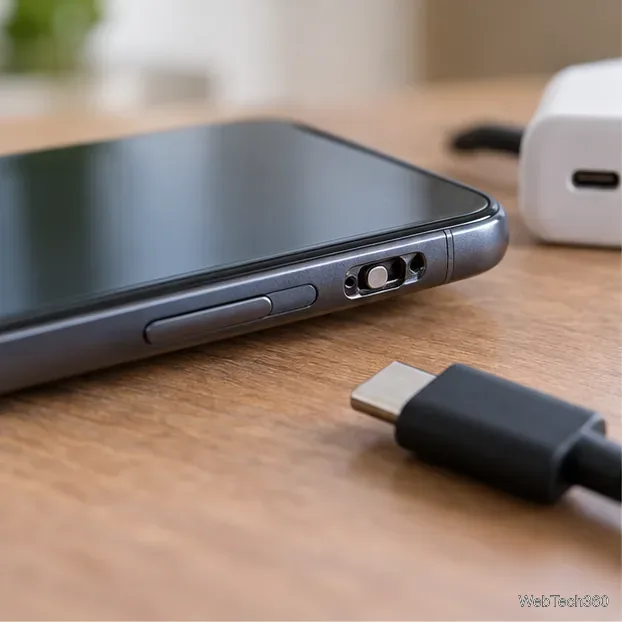
If your Android power button is broken, try charging, a volume-key USB boot, or Fastboot. Learn what works when the phone is fully off and why ADB often won’t.
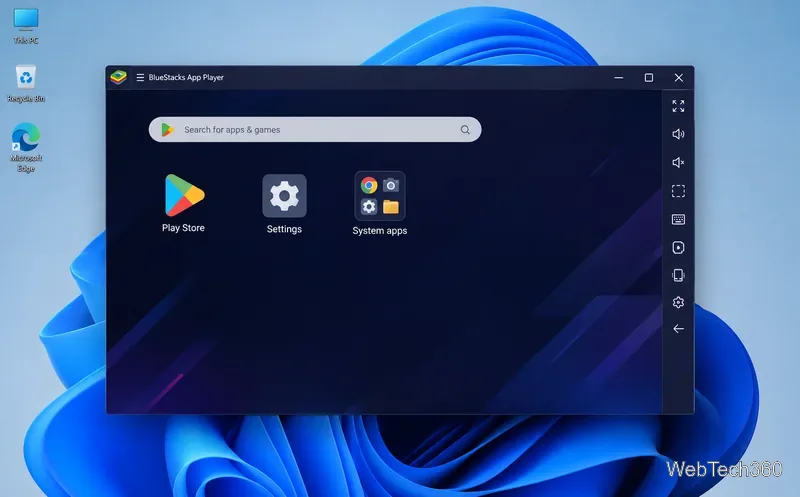
Is BlueStacks safe and legal? Learn what the official installer, privacy policy, antivirus behavior, game rules, and system requirements mean for you.
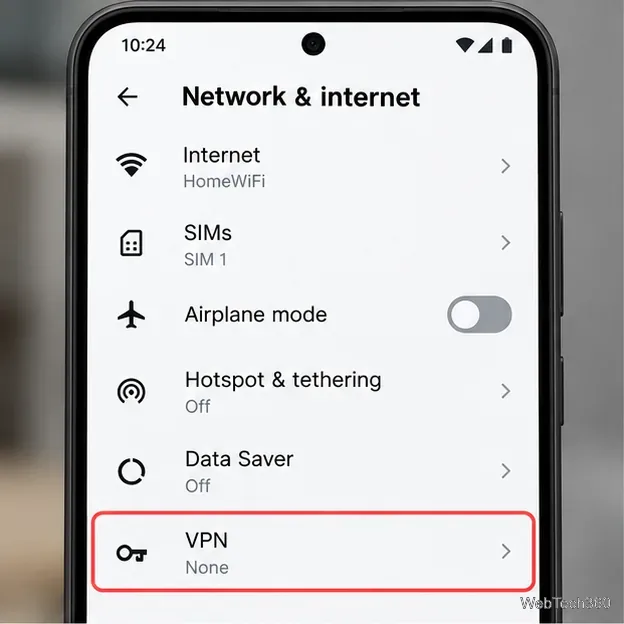
Learn three practical ways to hide your IP address on Android: a VPN, Tor Browser, or a trusted Wi-Fi proxy, with current setup steps and limits.
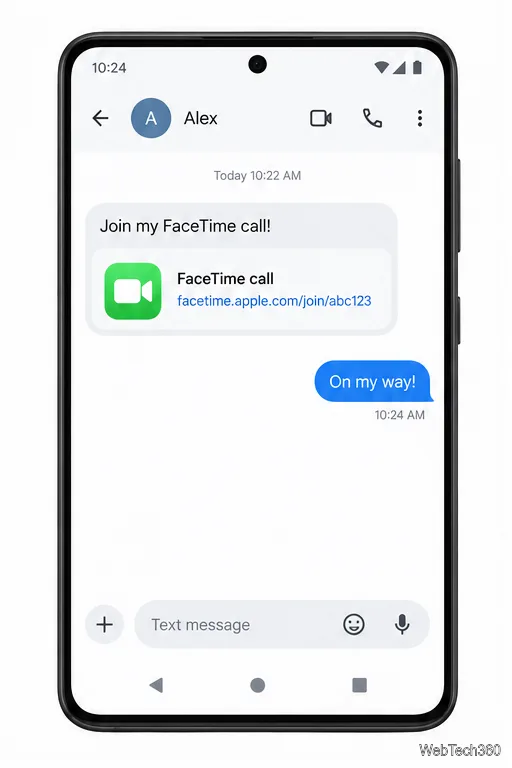
Join a FaceTime call on Android through Chrome or Edge. Get the link, set browser permissions, wait for the host, and fix common connection issues.
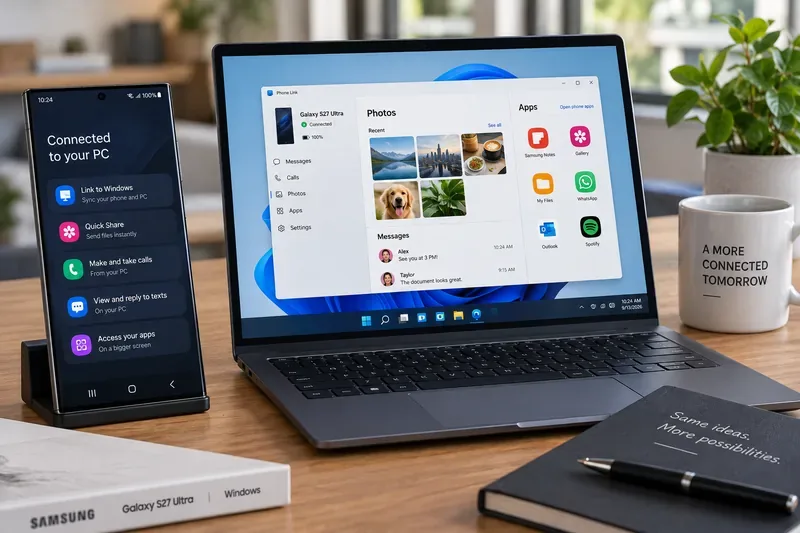
Galaxy S27 Ultra is unannounced, but Samsung and Microsoft already show the path: Phone Link, File Explorer, Quick Share, app streaming, and smarter handoff.
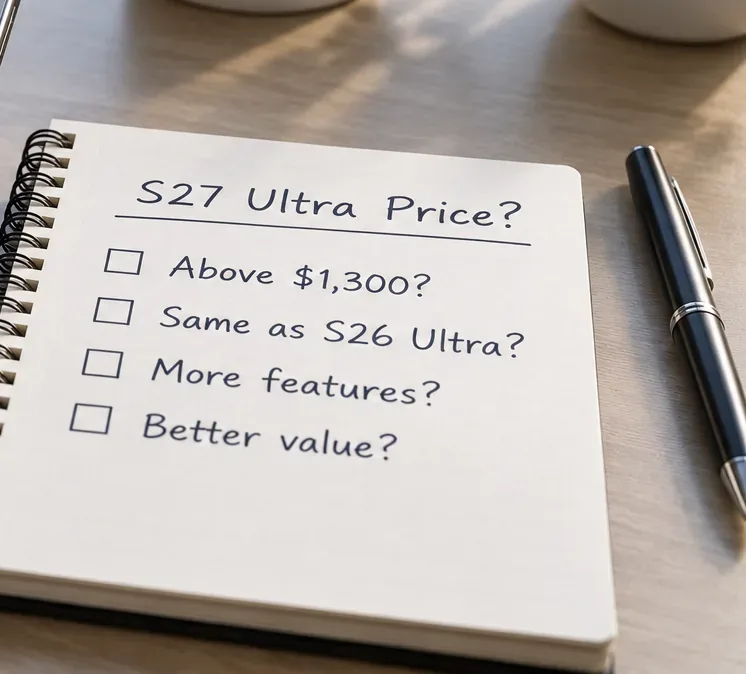
Samsung has not announced Galaxy S27 Ultra pricing. Here’s what the S22–S26 Ultra price history suggests, what is still unknown, and how to budget.
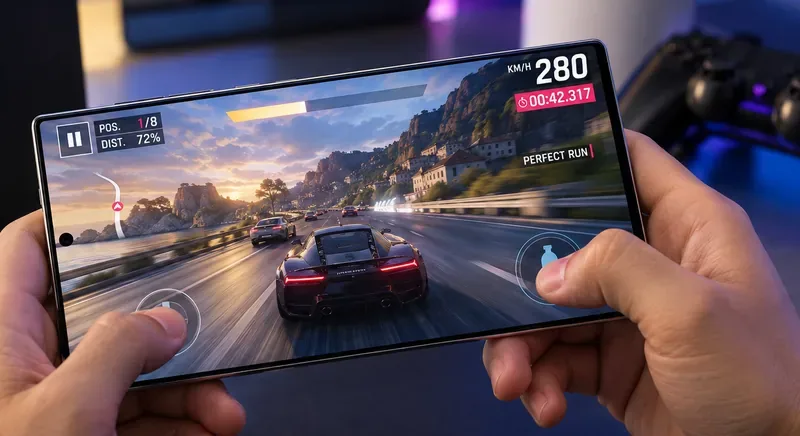
Samsung has not announced Galaxy S27 Ultra gaming specs. Here is what it would need to beat 2027 rivals, based on the confirmed S26 Ultra baseline.
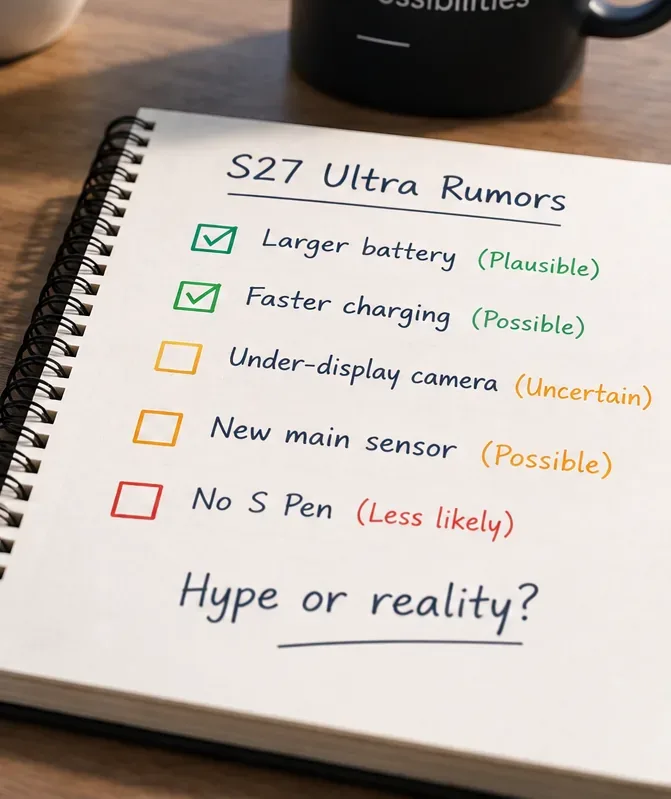
Which Galaxy S27 Ultra rumors deserve attention? We rank battery, camera, chipset, display, charging, S Pen, and AI claims against Samsung’s confirmed 2026 hardware.