Home
» WEB
»
Scrapestack Web Scraping API Review: Features, Pricing, and Limits
Scrapestack Web Scraping API Review: Features, Pricing, and Limits
Scrapestack Web Scraping API is a hosted REST service that fetches page HTML, with optional JavaScript rendering, geographic routing, and residential proxies on eligible plans. It can simplify proxy and browser setup, but it neither extracts clean records nor guarantees access to any site. This review uses current vendor documentation, pricing, and terms; it is not a live benchmark.
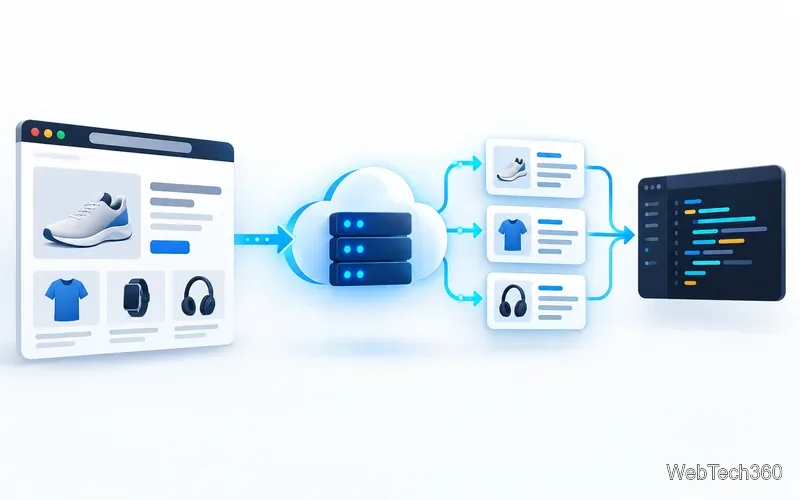
Scrapestack acts as the fetch layer; your application still needs to interpret the returned page.
What Scrapestack returns
The API uses one endpoint, https://api.scrapestack.com/scrape. Pass your access_key and target url; a successful request returns page HTML, optionally after JavaScript runs. It does not produce clean JSON records or extract fields for you. You must parse the HTML, validate values, and account for page changes. The official quickstart lists the endpoint and parameters.
Features that matter in practice
Simple server-side requests
Setup is simple: send an HTTPS GET request with the key and target URL, then process the response:
Store the key server-side; never expose it in browser code, a public repository, or logs. HTTPS is listed on all plans. Failures return JSON errors for cases such as invalid credentials, unsupported locations, plan restrictions, or quota limits. Retry only transient failures. See the authentication and error-code guide.
JavaScript rendering
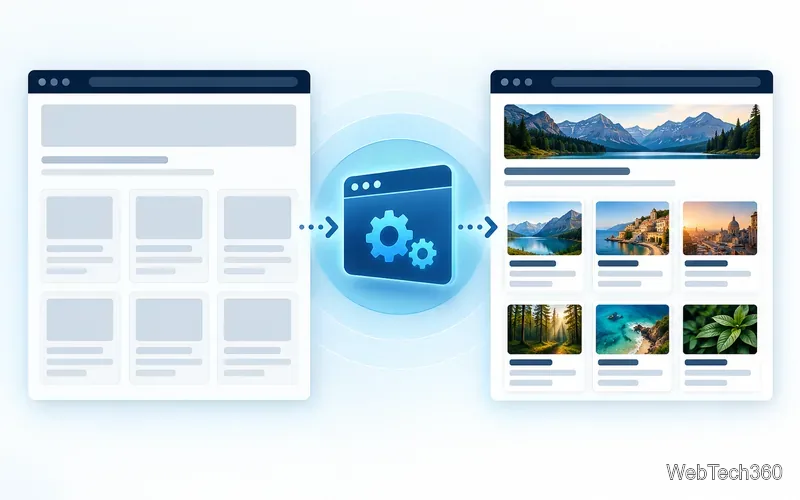
The render_js=1 option renders a page in a browser before returning HTML, which can help when content appears after the first response. Test the exact pages and fields you need: login or consent flows, bot checks, and page-specific interactions can still prevent a complete result.
JavaScript rendering can fill in content that was missing from the initial page response.
Proxy locations and residential proxies
Use proxy_location with a two-letter country code to request a supported region. The vendor advertises 100+ locations and 35+ million IPs; these figures do not guarantee access or identical pages everywhere. On eligible plans, premium_proxy=1 selects residential proxies. The quickstart says each such request counts as 25 API calls, so include that multiplier in cost estimates.
Location routing can help reproduce regional page variants, subject to the target site’s rules and availability.
Current plans and pricing
Scrapestack’s pricing page currently lists the following monthly plans. Annual billing is shown at a lower monthly equivalent; confirm the amount charged at checkout, since prices and terms can change.
Plan
Published price
Included requests
Notable features
Free
$0
100 per month
Standard proxies, HTTPS, noncommercial use; no support
Basic
$19.99 monthly, or $17.99/month billed yearly
200,000 per month
Standard proxies, concurrent requests, 100+ geolocations
Professional
$79.99 monthly, or $69.99/month billed yearly
1,000,000 per month
JavaScript rendering and premium proxies
Business
$199.99 monthly, or $169.99/month billed yearly
3,000,000 per month
JavaScript rendering and premium proxies
Overage fees apply beyond quota, and the vendor documents alerts at 75%, 90%, and 100%. Check the current pricing and overage terms before production use. Model URL volume and the 25-call residential-proxy multiplier; JavaScript rendering is listed for Professional and Business, not Basic.
Strengths and tradeoffs
Good fit: developers who want a managed fetch layer, need simple regional routing, or would rather not operate their own proxy and headless-browser infrastructure.
Less suitable: projects that need structured extraction out of the box, very small free workloads that exceed 100 requests, or workloads where predictable per-page cost is essential and premium proxies are used heavily.
Operational work remains: parse and validate results, monitor errors and quota, protect the key, and test page changes. The vendor’s 99.9% uptime figure is not independently measured here.
Before using any scraping service, check the target site’s terms, access controls, rate limits, privacy requirements, and applicable rights. Scrapestack’s own terms of service also contain restrictions on storing, transferring, and redistributing its API data and services. Read the current license before building a commercial workflow that retains or republishes results. For an evaluation, start with a small set of pages you are authorized to access; compare returned fields with the source pages, record failures and latency, and calculate the real cost—including retries and residential-proxy multipliers—before scaling up.
Verdict
Scrapestack is appealing when the main problem is reliably making remote page requests without maintaining proxy infrastructure yourself. Its REST interface is straightforward, and paid tiers add useful browser rendering and location features. The main caveats are that it returns HTML rather than fully extracted records, plan limits differ sharply, residential requests consume many calls, and the legal terms deserve close review. Treat it as managed scraping infrastructure, not a guarantee that every site is accessible or every returned page is ready to use.