Is your Windows 11 PC feeling sluggish, with constant high pagefile.sys usage dragging down performance? You're not alone! The pagefile.sys—Windows' virtual memory file—can balloon in size, eating up your hard drive and slowing everything to a crawl. But don't worry; we've got your back with this straightforward guide to troubleshooting Windows 11 "Pagefile.sys" high usage fix. By the end, you'll have a faster, more efficient system that feels like new. Let's dive in and get your PC humming again! 😊
What is Pagefile.sys and Why Does High Usage Happen in Windows 11?
Pagefile.sys is a hidden system file that acts as an extension of your RAM, storing data that doesn't fit in physical memory. In Windows 11, it's essential for multitasking, but high pagefile.sys usage often signals underlying issues like insufficient RAM, memory-hungry apps, or misconfigurations. Recent updates to Windows 11 have improved memory management, yet problems persist for many users due to resource-intensive features like AI integrations and enhanced multitasking.
Common culprits include:
- 🖥️ Running too many apps or browser tabs, forcing more data into virtual memory.
- 💾 Low disk space on your system drive, making pagefile.sys work overtime.
- 🔧 Outdated drivers or system glitches post-update.
- ⚙️ Default virtual memory settings that don't match your hardware.
High usage isn't just annoying—it can lead to crashes, freezes, and frustrating slowdowns. The good news? Fixing it is simpler than you think, and we'll walk you through it step by step. Stick around to learn how to diagnose and resolve this for good.

Step 1: Diagnose the High Pagefile.sys Usage Issue
Before fixing, confirm the problem. Open Task Manager (Ctrl + Shift + Esc) and head to the Performance tab. Check the Memory section—if "Paged Pool" or committed memory is spiking, pagefile.sys is likely the offender. For a deeper look, use Resource Monitor (search for it in the Start menu) under the Memory tab to spot which processes are hogging virtual memory.
Pro tip: If usage exceeds 80% of your RAM regularly, it's time to act. This quick check will reveal if it's a temporary spike or a chronic issue, setting the stage for targeted fixes. Ready to optimize? Let's move on!
Step 2: Quick Fixes to Reduce Pagefile.sys High Usage
Start with these easy wins to lighten the load on pagefile.sys. No tech expertise required!
- ⭐ Close Unnecessary Programs: Use Task Manager to end resource-heavy tasks like multiple Chrome tabs or background apps. This instantly frees up RAM, reducing reliance on virtual memory.
- 🧹 Clear Temporary Files: Search for "Disk Cleanup" in the Start menu, select your system drive (usually C:), and let it remove junk. Aim for at least 10-20% free space to keep pagefile.sys efficient.
- 🔄 Restart Your PC: A simple reboot clears temporary memory caches. Do this weekly to prevent buildup.
- 📱 Update Windows and Drivers: Go to Settings > Windows Update and check for updates. Outdated graphics or system drivers often cause memory leaks in Windows 11.
These steps can cut high pagefile.sys usage by up to 50% for many users. If your system still lags, don't fret—the advanced tweaks below will seal the deal.
Step 3: Optimize Virtual Memory Settings for Windows 11
The heart of the troubleshooting Windows 11 "Pagefile.sys" high usage fix lies in customizing virtual memory. Windows 11 defaults to automatic management, but manual tweaks tailored to your setup work wonders.
Here's how:
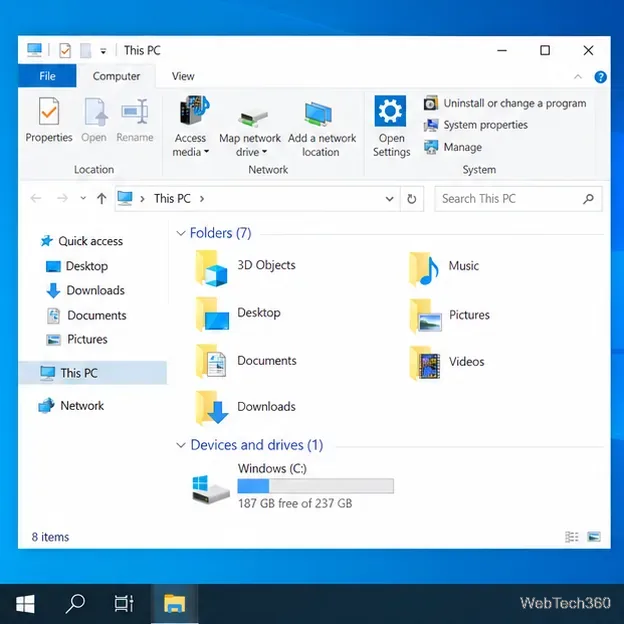
- Right-click This PC (or search for "System" in Settings) and select Properties.
- Click "Advanced system settings" on the left.
- Under Performance, click Settings > Advanced > Virtual Memory's Change.
- Uncheck "Automatically manage paging file size for all drives."
- Select your system drive (C:), choose "Custom size," and set:
- Initial size: 1.5x your RAM (e.g., 12 GB RAM = 18,000 MB).
- Maximum size: 3x your RAM (e.g., 36,000 MB).
- Click Set, then OK. Restart your PC.
This balances pagefile.sys without overwhelming your drive. For SSD users, keep it on the system drive for speed; HDD owners might move it to a secondary drive for better performance. Test with Task Manager post-restart—usage should drop noticeably!
![Step-by-step guide to adjusting virtual memory settings in Windows 11]()
Advanced Troubleshooting for Persistent High Pagefile.sys Usage
If basics don't cut it, dig deeper. Memory leaks from faulty software are common in Windows 11.
| Issue |
Symptoms |
Fix |
| Memory Leaks |
Usage climbs over time without new apps |
Run Memory Diagnostic Tool (search in Start menu) and scan for errors. Update or uninstall suspect apps like antivirus or browsers. |
| Driver Conflicts |
Spikes during gaming or video editing |
Use Device Manager to update drivers, especially GPU. For NVIDIA/AMD, download from official sites: NVIDIA or AMD. |
| Low RAM |
Constant high committed memory |
Upgrade to 16GB+ RAM if possible. In the meantime, disable startup apps via Task Manager's Startup tab. |
| System File Corruption |
Random crashes with high usage |
Open Command Prompt as admin and run: sfc /scannow followed by DISM /Online /Cleanup-Image /RestoreHealth. Restart after. |
These targeted fixes address root causes, ensuring long-term stability. According to Microsoft's latest support docs, SFC scans resolve up to 70% of corruption-related memory issues—give it a shot and feel the difference!
![Advanced troubleshooting tools for Windows 11 pagefile.sys issues]()
Prevent Future High Pagefile.sys Usage in Windows 11
Fixing is great, but prevention is better. Enable ReadyBoost if you have a USB drive (Settings > Devices > ReadyBoost) for extra virtual memory boost. Regularly monitor with tools like the built-in Performance Monitor. Also, consider third-party optimizers sparingly—stick to trusted ones to avoid bloat.
For power users, tweaking registry settings (e.g., disabling Superfetch) can fine-tune, but back up first via System Restore points.
Final Thoughts: Your Windows 11 PC, Supercharged! 🎉
Congrats on tackling troubleshooting Windows 11 "Pagefile.sys" high usage fix! With these steps, you've optimized virtual memory, squashed leaks, and restored smooth performance. Your PC should now handle tasks effortlessly, letting you focus on what matters. If issues persist, check Microsoft's community forums for hardware-specific advice. Share your success in the comments—let's keep the tips flowing! 🚀
Remember, a well-tuned system not only runs faster but lasts longer. You've got this!