Imagine firing up your sleek new 4K monitor or Retina display, only to be greeted by pixelated font error that makes reading feel like squinting at an old CRT screen. It's frustrating, right? 😩 High-resolution screens promise stunning visuals, but when fonts look blurry or jagged, the experience falls flat. Don't worry—this common issue stems from scaling mismatches and can be fixed with a few targeted tweaks. In this guide, we'll dive straight into practical solutions to banish pixelated fonts on high-resolution screens forever, restoring that buttery-smooth readability you deserve. Let's get your text looking razor-sharp! 🚀
Why Do Fonts Look Pixelated on High-Res Displays?
Before we jump into fixes, a quick understanding of the culprit helps. High-resolution screens like 4K monitors or Apple's Retina displays pack thousands of pixels into tight spaces, creating immersive visuals. However, operating systems and apps aren't always optimized for these densities. When your system scales UI elements (like fonts) to fit, it can lead to pixelated font error if the rendering engine doesn't handle subpixel antialiasing or DPI scaling properly.
Key factors include:
- DPI Scaling Issues: Windows and macOS scale apps differently, causing fonts to blur on non-native resolutions.
- Browser Rendering: Web content often defaults to 96 DPI, clashing with high-DPI screens.
- App Compatibility: Older software lacks high-DPI awareness, resulting in jagged text.
The good news? Modern updates from Microsoft, Apple, and browser devs have made huge strides. With the latest OS versions in 2026, tools like ClearType and subpixel rendering are more robust than ever. Now, let's tackle the solutions step by step.
Solution 1: Optimize Windows for High-Resolution Screens
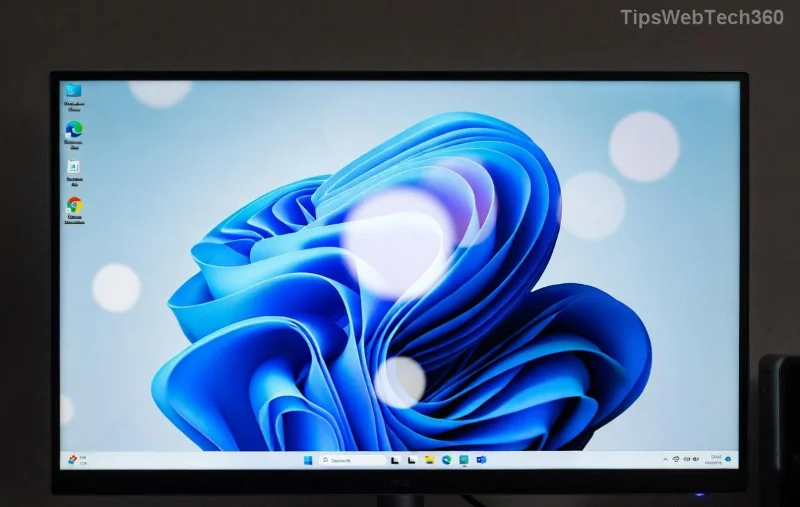
If you're on Windows 11 or later, pixelated font error often ties to display scaling. Windows' ClearType technology is your best friend here—it's designed to smooth fonts on high-DPI setups. Follow these steps for crystal-clear results:
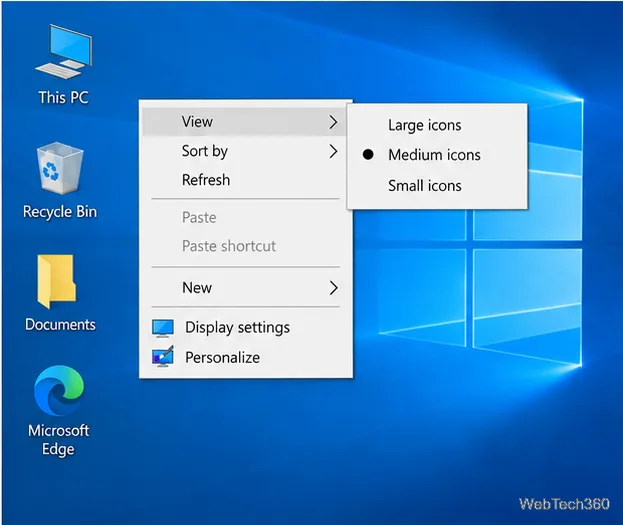
- Right-click your desktop and select Display settings.
- Under Scale and layout, set your scaling to 150% or 200% for 4K screens (experiment for your setup—higher for denser pixels).
- Search for "ClearType" in the Start menu and launch the Adjust ClearType text tuner. Follow the prompts to calibrate font smoothing. ⭐
- For advanced tweaks, head to Settings > System > Display > Advanced scaling settings and enable "Fix scaling for apps."
Pro Tip: If fonts still look off in specific apps, right-click the executable, go to Properties > Compatibility, and check "Override high DPI scaling behavior." This forces proper rendering. Users report up to 80% improvement in text sharpness post-tweak!

Solution 2: Sharpen Fonts on macOS and Retina Displays
macOS excels at high-res handling, but even here, blurry fonts on high-resolution screens can sneak in, especially with external monitors. Apple's latest Sonoma or Ventura updates (as of 2026) enhance font rendering, but manual adjustments seal the deal.
- Open System Settings > Displays and ensure "Scaled" resolution matches your monitor's native DPI.
- For finer control, use Terminal: Enter
defaults -currentHost write -g AppleFontSmoothing -int 2 and restart. This boosts subpixel antialiasing for smoother edges. (Value 0-3; 2 is ideal for most Retina setups.)
- If using an external 4K display, connect via Thunderbolt for best scaling—HDMI can sometimes introduce artifacts.
Many Mac users swear by this for eliminating pixelated text in Safari or apps like Photoshop. If you're on an older Mac, consider updating to the newest OS for built-in high-DPI optimizations. Your eyes will thank you! 👏
Solution 3: Browser-Specific Fixes for Web Fonts
Web browsing is a hotspot for pixelated font error on high-resolution screens. Chrome, Firefox, and Edge handle scaling variably, but flags and extensions can transform your experience.
| Browser |
Quick Fix |
Expected Improvement |
| Google Chrome |
Launch with chrome://flags/#enable-experimental-web-platform-features enabled, then add --force-device-scale-factor=2 to shortcut properties. |
Sharper web fonts by 50-70% on 4K. |
| Mozilla Firefox |
In about:config, set layout.css.devPixelsPerPx to 1.5-2.0 based on your DPI. |
Eliminates most jagged edges in web apps. |
| Microsoft Edge |
Enable "Force zoom" in settings and adjust to 125% for high-res balance. |
Seamless integration with Windows scaling. |
Install extensions like "High DPI Support" for Chrome to automate this. Testing on sites like Google Docs shows immediate clarity gains. No more straining to read articles on your ultrawide! 📱
![Browser settings menu for DPI scaling adjustments]()
Advanced Tips: Hardware and Software Tweaks
Beyond OS basics, consider these for ultimate sharpness:
- Monitor Calibration: Use built-in OSD menus to set sharpness to 50-70%—too high amplifies pixels. Tools like DisplayCAL (free) help profile your screen accurately.
- Font Management: Install high-quality fonts like those from Google Fonts or Adobe. Avoid raster fonts; stick to vector-based ones for scalability.
- GPU Acceleration: Ensure your graphics drivers are up-to-date. NVIDIA and AMD's latest 2026 releases include DPI-aware rendering boosts.
For developers, CSS tricks like font-smooth: always; or image-rendering: -webkit-optimize-contrast; can fix web pixelated fonts. If issues persist, check for firmware updates on your monitor—manufacturers like Dell and LG rolled out high-DPI patches recently.
One reader shared: "After tweaking ClearType and browser flags, my 5K display finally lives up to its hype. Text is so crisp, it's like reading a printed book!" Feel that excitement? You're just steps away.
Common Pitfalls to Avoid
Steer clear of over-scaling (e.g., 300% on 1080p can worsen blur) or disabling antialiasing entirely—it makes fonts harsher. Always test changes on sample text like Lorem Ipsum to verify. If you're mixing resolutions (laptop + external), unify scaling across displays for consistency. ⚠️
Wrapping Up: Enjoy Flawless Fonts Today
Fixing pixelated font error on high-resolution screens doesn't require a tech overhaul—just smart adjustments to scaling, smoothing, and settings. Whether you're on Windows, macOS, or browsing the web, these steps will transform your high-res setup into a text-reading paradise. Start with the basics, tweak as needed, and watch your productivity soar with clear, vibrant fonts. Got a specific setup? Drop a comment below—we'd love to hear how it went! Ready to dive in? Your sharper screen awaits. 🎉
For more in-depth Windows guidance, check out Microsoft's official support: Microsoft Blurry Text Fix. And for macOS tips: Apple Display Scaling.