Encountering the Windows 11 0x8007000d error can be incredibly frustrating, especially when it halts your updates or installations. This data invalid error often pops up during Windows updates, feature installations, or system restores, leaving you stuck with a message that screams "something's wrong with the data." But don't worry—it's a common issue with straightforward fixes. In this guide, we'll walk you through the most effective ways to solve the 0x8007000d error on Windows 11, so you can get back to a seamless experience. Let's dive in and reclaim your PC's performance! 🚀
What is the Windows 11 0x8007000d Error?
The 0x8007000d error code in Windows 11 typically indicates that the system has detected invalid data during an operation. This could stem from corrupted files, registry issues, or conflicts with third-party software. According to Microsoft's official documentation, this error is part of the broader Windows error family related to data processing failures.
Common scenarios where you'll see it include:
- Windows Updates: Failing to install the latest patches.
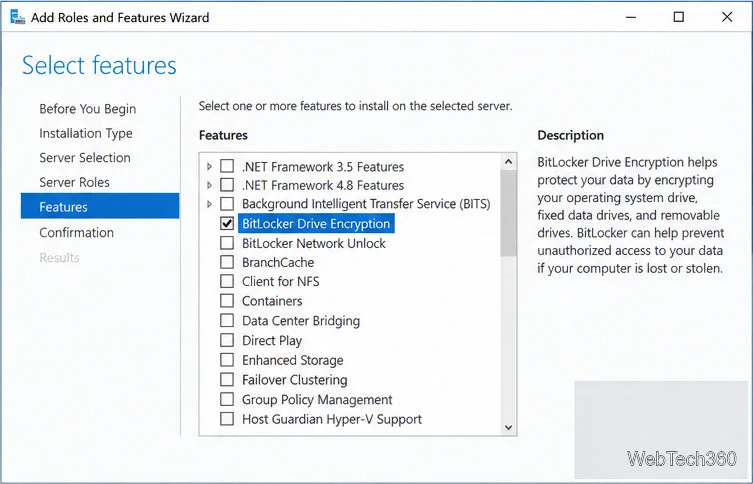
- Feature on Demand: Errors when adding or removing optional features like .NET Framework.
- System Restore: Issues during rollback attempts.
- App Installations: Problems with Microsoft Store or third-party apps.
Understanding the root cause is key to fixing it quickly. The good news? Most solutions are built-in tools—no need for advanced tech skills. Stick with us, and you'll resolve this in no time. 😊
Step-by-Step Fixes for the 0x8007000d Error on Windows 11
We've prioritized these methods based on ease and effectiveness, starting with the simplest. Follow them in order, and test after each to see if the data invalid error is gone. Remember to back up important files before making changes—better safe than sorry!
1. Run the Windows Update Troubleshooter
This is your first line of defense. Windows 11 has a built-in troubleshooter designed to detect and repair update-related issues, including 0x8007000d.
- Press Windows + I to open Settings.
- Go to System > Troubleshoot > Other troubleshooters.
- Find Windows Update and click Run.
- Follow the on-screen prompts—it'll scan and fix any detected problems automatically.
Many users report this resolves the error instantly. If it doesn't, move on to the next step. You're making progress already! 👍
2. Clear Windows Update Cache
A cluttered update cache can cause data mismatches, triggering the Windows 11 0x8007000d error. Clearing it forces a fresh download.
- Press Windows + R, type
services.msc, and hit Enter.
- Locate Windows Update service, right-click, and select Stop.
- Open File Explorer and navigate to
C:\Windows\SoftwareDistribution.
- Delete all contents inside (don't worry, it's safe).
- Restart the Windows Update service by right-clicking and selecting Start.
- Try updating again.
This method refreshes corrupted data files and has a high success rate for update errors. Feel the relief as your system starts behaving normally.
![Step-by-step guide to clearing Windows Update cache on Windows 11]()
3. Use System File Checker (SFC) and DISM Tools
Corrupted system files are a prime suspect for the data invalid error 0x8007000d. Microsoft's SFC and DISM commands can scan and repair them.
Run these in an elevated Command Prompt (search for cmd, right-click, and select Run as administrator):
- Type
DISM /Online /Cleanup-Image /RestoreHealth and press Enter. This may take 10-20 minutes.
- Once done, type
sfc /scannow and press Enter.
- Restart your PC and check for the error.
These tools are like a deep clean for your OS, ensuring all files are valid. Pro tip: Run them weekly for preventive maintenance. Your PC will thank you! ✨
4. Reset Windows Update Components
If the cache clear didn't suffice, a full reset of update components tackles deeper issues causing 0x8007000d.
In the same elevated Command Prompt, execute these commands one by one:
| Command |
Purpose |
net stop wuauserv |
Stops Windows Update service |
net stop cryptSvc |
Stops Cryptographic Services |
net stop bits |
Stops Background Intelligent Transfer Service |
net stop msiserver |
Stops Windows Installer |
ren C:\Windows\SoftwareDistribution SoftwareDistribution.old |
Renames the distribution folder |
ren C:\Windows\System32\catroot2 Catroot2.old |
Renames the catroot folder |
net start wuauserv |
Restarts services (repeat for others) |
After restarting, attempt the update or installation again. This comprehensive reset often eliminates stubborn Windows 11 errors.
![Command Prompt window running DISM and SFC scans for fixing 0x8007000d]()
5. Check for Third-Party Software Conflicts
Sometimes, antivirus or VPN software interferes with data validation, leading to 0x8007000d. Temporarily disable them:
- Open Task Manager (Ctrl + Shift + Esc) and end tasks for suspicious apps.
- Boot into Safe Mode: Restart while holding Shift, go to Troubleshoot > Advanced options > Startup Settings > Restart, then select option 4.
- In Safe Mode, try the operation again.
If it works, uninstall the conflicting software via Settings > Apps. Clean and simple—your system will run smoother without the drama.
6. Perform a System Restore or Reset
As a last resort, if nothing else works, revert to a previous state or reset Windows 11.
- For Restore: Search for Create a restore point, then select System Restore and choose a point before the error.
- For Reset: Go to Settings > System > Recovery > Reset this PC. Choose to keep files if possible.
This wipes out the corruption without losing your data. It's like hitting the refresh button on your OS—effective and reassuring.
Preventing the 0x8007000d Error in the Future
Once fixed, keep it away with these habits:
- Regular Updates: Enable automatic updates in Settings > Windows Update.
- Antivirus Scans: Run full scans monthly to catch malware early.
- Disk Cleanup: Use the built-in tool to free up space and remove junk.
- Hardware Check: Ensure your drive isn't failing—run
chkdsk C: /f /r in Command Prompt.
Staying proactive means fewer headaches. You've got this!
Still Stuck? Advanced Help
If the 0x8007000d data invalid error persists, it might indicate deeper issues like hardware problems. Consult Microsoft's support forums or a professional. For more details, check out Microsoft's official error code guide.
Resolving the Windows 11 0x8007000d error doesn't have to be a nightmare. With these steps, you're equipped to tackle it head-on. Share your success in the comments below—let's help each other out! If this guide saved your day, give it a thumbs up. 👏 Now, go enjoy your error-free Windows 11.