Ever felt overwhelmed by the barrage of pre-installed apps that come with your shiny new Windows 11 PC? You're not alone! These apps, often called bloatware, can clutter your system, eat up precious storage, and slow things down. But here's the good news: uninstalling pre-installed apps in Windows 11 is straightforward and empowering. In this guide, we'll walk you through proven methods to reclaim your space and make your device feel fresh and personalized. Let's dive in and transform your Windows experience—starting today!
Why Bother Uninstalling Pre-Installed Apps in Windows 11?
Before we get to the how-to, let's quickly highlight the perks. Removing unnecessary pre-installed apps isn't just about tidying up—it's about performance and peace of mind. Imagine freeing up gigabytes of storage for your photos, videos, or that new game you've been eyeing. Plus, fewer background processes mean smoother multitasking and longer battery life on laptops. According to Microsoft, many of these apps are safe to remove, so you can customize without worry. Ready to feel that rush of control? Let's explore the methods.
Method 1: Using the Built-In Settings App (Easiest for Beginners) 🖱️
The Settings app in Windows 11 is your first stop for uninstalling pre-installed apps. It's user-friendly and requires no extra tools. Follow these steps to get started:
- Open Settings: Click the Start button (Windows icon) on your taskbar, then select the gear icon for Settings. Or, press Windows key + I for a quick shortcut.
- Navigate to Apps: In the left sidebar, click Apps, then select Installed apps from the right pane.
- Search and Select: Use the search bar to find the app you want to remove (e.g., "Candy Crush" or "Xbox Game Bar"). Click the three-dot menu next to it and choose Uninstall.
- Confirm and Done: Follow the prompts to confirm. Restart your PC if prompted for changes to take effect.
Pro Tip: This method works great for most pre-installed apps in Windows 11, but some system essentials (like Microsoft Edge) can't be fully removed this way. If an app resists, don't fret—we've got more options below. You'll love how quick this is; in minutes, you'll see your storage meter drop!
Method 2: PowerShell for Advanced Users (Remove Stubborn Bloatware) ⭐
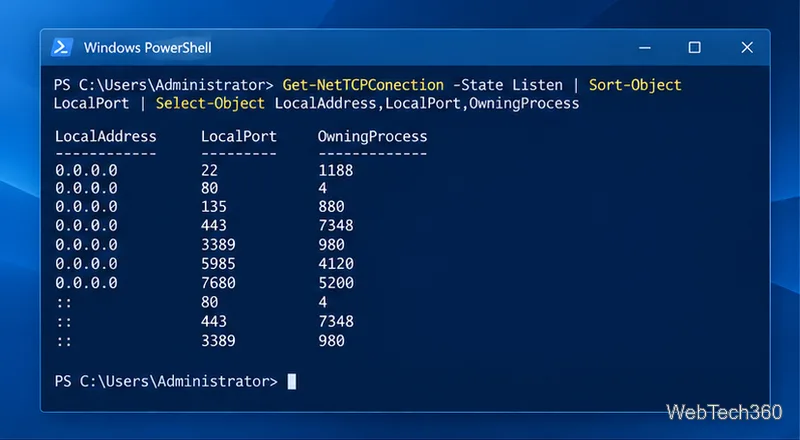
For those pesky apps that won't budge via Settings, PowerShell is your secret weapon. It's a powerful command-line tool built into Windows 11, perfect for uninstalling pre-installed apps in bulk. No downloads needed—just caution and admin rights.
- Launch PowerShell as Admin: Right-click the Start button, select Terminal (Admin) or Windows PowerShell (Admin).
- List Installed Apps: Type
Get-AppxPackage | Select Name, PackageFullName and hit Enter. This displays all apps, including pre-installed ones. Look for names like "Microsoft.BingWeather" or "Microsoft.GetHelp".
- Uninstall the App: Copy the PackageFullName of the target app, then run:
Remove-AppxPackage -Package "PasteFullNameHere". For all users, use Get-AppxPackage -AllUsers | Remove-AppxPackage -Package "PasteFullNameHere".
- Verify: Restart and check Settings to confirm it's gone.
![PowerShell command for removing apps in Windows 11]()
Feeling like a tech wizard yet? PowerShell can handle even provisioned apps (those lurking for new users). Just remember, avoid removing core system apps like "Microsoft.WindowsStore" to prevent issues. If you're new to commands, practice on non-essential apps first—success here will boost your confidence!
Method 3: Through the Start Menu (Quick Visual Removal) 👍
Want a no-fuss, visual way to remove bloatware in Windows 11? The Start Menu shines for this. It's ideal for spotting and ditching apps right where you see them.
- Open Start Menu: Click the Windows icon or press the Windows key.
- Find the App: Scroll through your pinned or all apps list to locate the pre-installed one (e.g., "Spotify" or "TikTok").
- Right-Click and Uninstall: Right-click the app tile or name, select Uninstall from the context menu.
- Follow Through: Confirm in the pop-up dialog. Easy peasy!
This method is lightning-fast for everyday users and integrates seamlessly with Windows 11's modern interface. It's especially handy for uninstalling pre-installed apps that you've pinned. After removal, your Start Menu will look cleaner, inviting you to organize it just how you like.
Safe Apps to Uninstall: A Handy Reference Table
Not sure which pre-installed apps in Windows 11 are safe to remove? Here's a quick table of common ones. Always double-check—your setup might vary.
| App Name |
Description |
Safe to Uninstall? |
Why Remove? |
| Candy Crush Saga |
Pre-loaded game |
Yes |
Frees up ~100MB; not essential |
| Microsoft Solitaire Collection |
Card games |
Yes |
Saves space if you don't play |
| Bing Weather |
Weather app |
Yes |
Replace with preferred weather tool |
| Xbox Game Bar |
Gaming overlay |
Yes (if non-gamer) |
Reduces background resource use |
| Microsoft Edge (partial) |
Browser |
No (core) |
Keep for system stability |
This table is a starting point—tailor it to your needs. Removing these can instantly make your PC snappier. Curious about more? Keep reading for troubleshooting tips that ensure smooth sailing.
![Start menu showing app uninstall option in Windows 11]()
Troubleshooting Common Issues When Uninstalling Pre-Installed Apps
Stumbled upon an error like "Access Denied" or the app reinstalls after reboot? We've all been there, but fixes are simple. First, ensure you're running as admin—it's a game-changer for Windows 11 app management. If an app persists, use the Remove-AppxProvisionedPackage PowerShell command for provisioned versions: Get-AppxProvisionedPackage -Online | Where-Object DisplayName -like "*AppName*" | Remove-AppxProvisionedPackage -Online.
For stubborn cases, third-party tools like CCleaner can help, but stick to official methods first to avoid risks. If you're on a work PC, check with IT—group policies might block removals. These tweaks will have you back on track, feeling accomplished.
Best Practices and Final Tips for a Lean Windows 11
To keep your system optimized after uninstalling pre-installed apps in Windows 11, create a restore point beforehand (search "Create a restore point" in Start). Regularly review your app list via Settings to catch new additions from updates. And for ultimate customization, explore Windows 11's Storage Sense feature under Settings > System > Storage—it auto-cleans temp files alongside your efforts.
By now, you're equipped to declutter like a pro. Your Windows 11 PC deserves to run at its best, and these steps make it happen effortlessly. What's the first app you're removing? Share in the comments—we'd love to hear your wins! For more Windows tips, stick around our site.