iMessage Is Signed Out on iPhone: How to Fix It
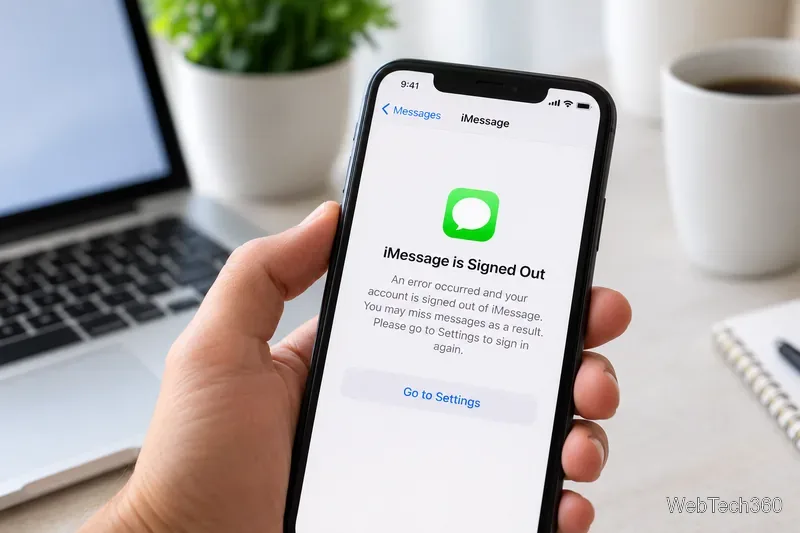
Fix the iMessage Is Signed Out error on iPhone by checking Apple Account sign-in, activation, connectivity, and settings—without erasing your messages.
The “Cannot Turn On Calls on Other Devices” alert means the iPhone cannot verify a requirement for relaying cellular calls to a Mac or iPad. Check that iCloud and FaceTime use the same Apple Account, FaceTime can reach your number, and Wi-Fi and call relay are enabled. Start with the account check.
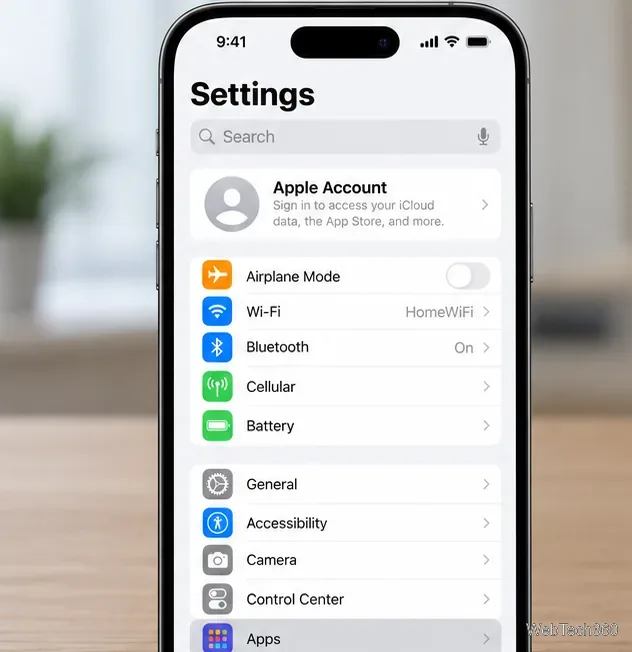
This feature relays regular cellular calls, not FaceTime audio calls. On iOS 18 and later, app settings are under Settings > Apps; on older versions, open FaceTime or Phone directly in Settings.
On iPhone, tap your name at the top of Settings and note the account email. Confirm that same Apple Account in Settings on the iPad and System Settings on the Mac. Check FaceTime on each device too: it can use a different account from iCloud, but call relay requires the same account for both services.
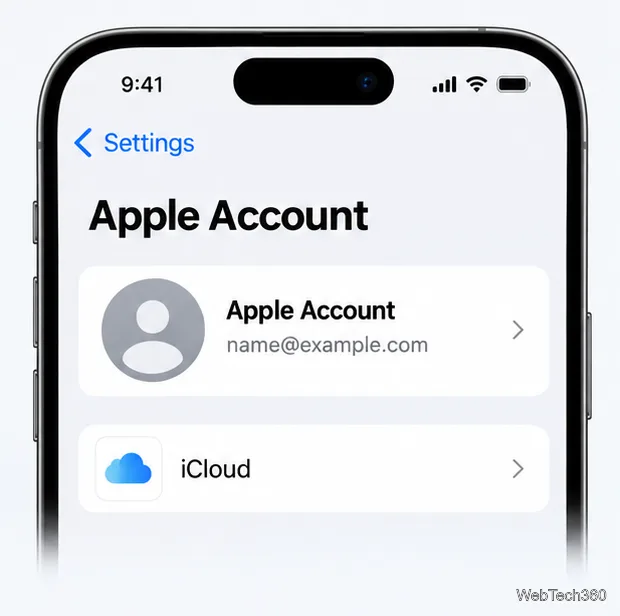
If an account differs, change the FaceTime sign-in on that device. You do not need to sign out of iCloud everywhere first. Apple’s setup guide lists the account and network requirements.
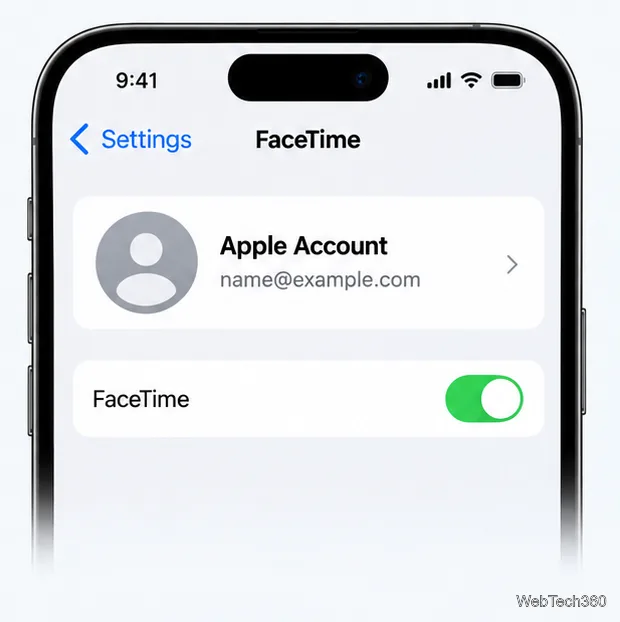
On iPhone, go to Settings > Apps > FaceTime and turn FaceTime on. Confirm the Apple Account matches, then select your phone number under You Can Be Reached by FaceTime At and for Caller ID if shown. iMessage has separate settings, so its phone-number selection does not replace this check.
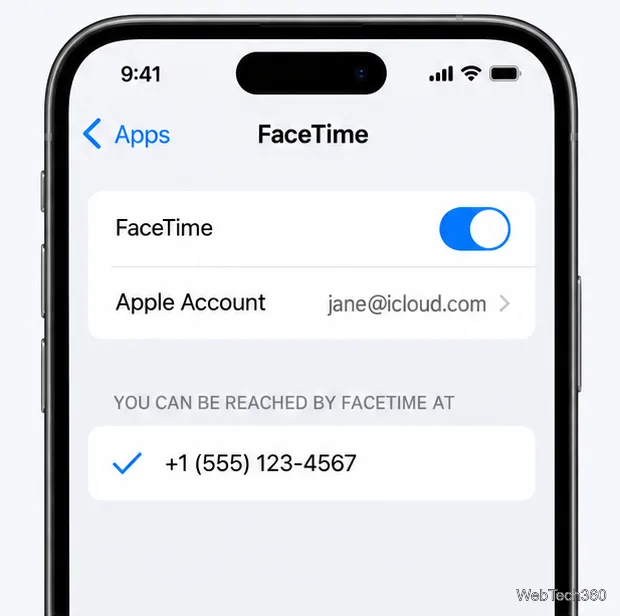
If the number is missing, confirm the iPhone has an active cellular line. If FaceTime uses the wrong account, sign out of FaceTime only, sign back in with the iPhone’s account, and check again.
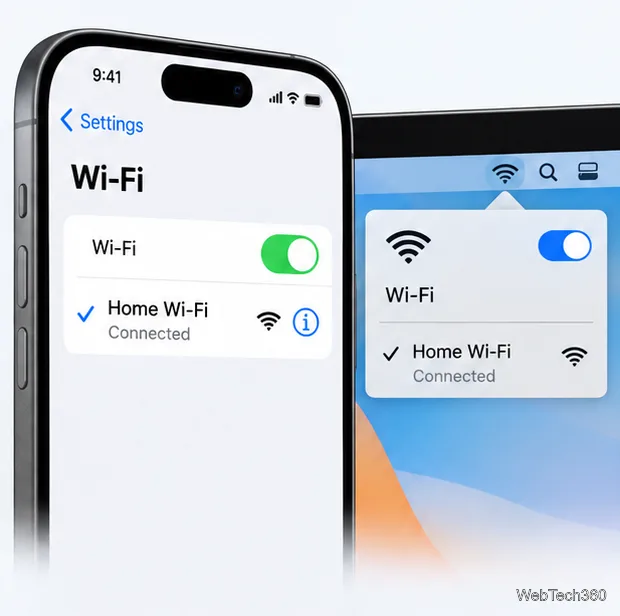
Turn on Wi-Fi on the iPhone and the receiving device, then connect them to the same Wi-Fi network. A Mac can use Ethernet if it shares that local network. Keep the iPhone on and within about 30 feet (10 meters) while testing. If you use a VPN, make sure it allows local networking.
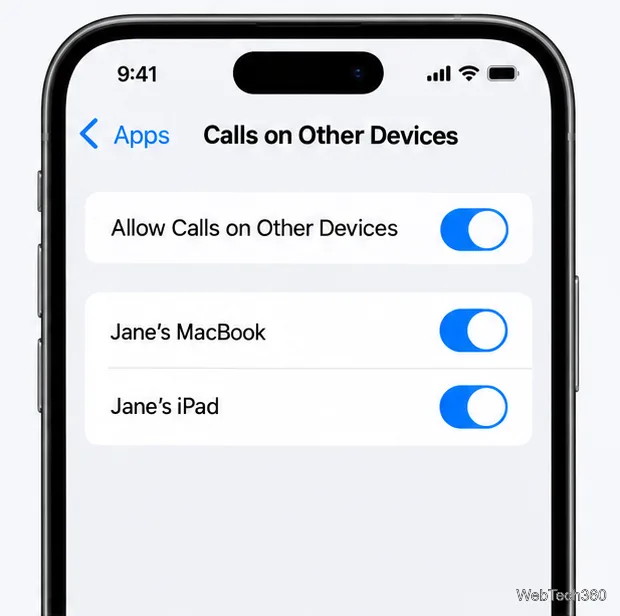
Open Settings > Apps > Phone > Calls on Other Devices, enable Allow Calls on Other Devices, then enable each Mac or iPad. On older iOS, open Settings > Phone. If a device is missing, finish its FaceTime setup and check this list again.
An activated carrier plan is also required. If the main switch stays unavailable, confirm the iPhone’s cellular service is active; contact your carrier if regular calls are failing too.
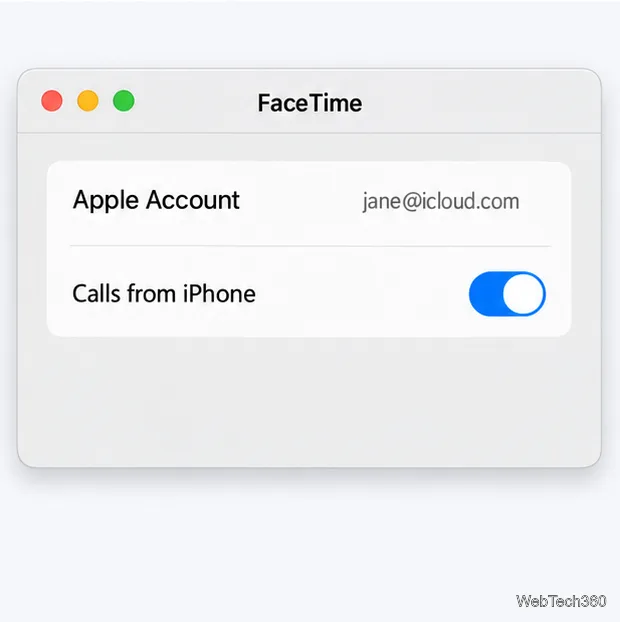
Open FaceTime, choose FaceTime > Settings, confirm the same Apple Account, and select your number under You Can Be Reached for FaceTime At and Start New Calls From. Then select Calls from iPhone. Keep the Mac on the same local network as the iPhone.
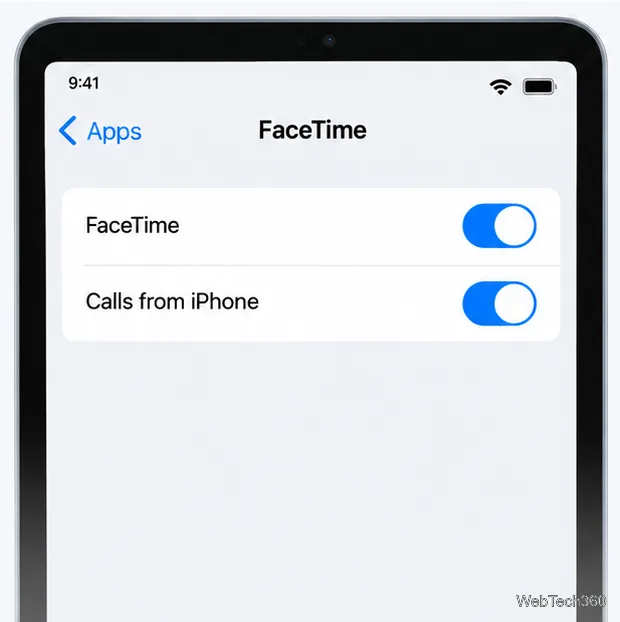
Open Settings > Apps > FaceTime, enable FaceTime, confirm the same account and selected phone number, then turn on Calls from iPhone. If the option is missing, complete iPhone setup and check again.
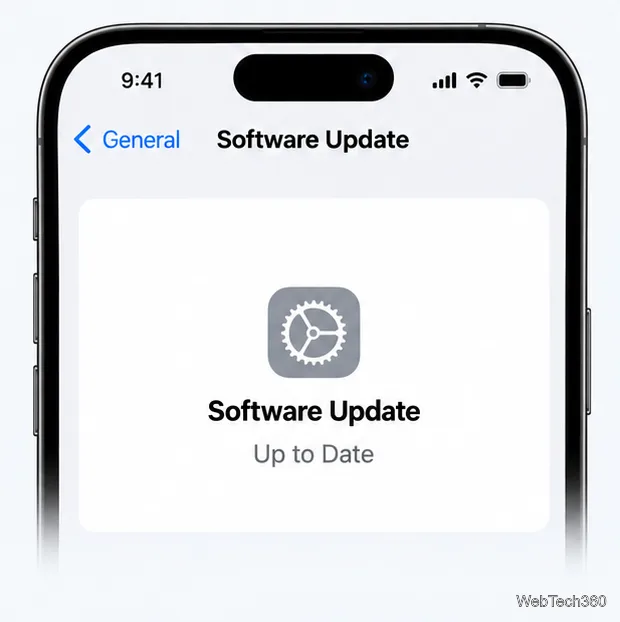
Update the iPhone and receiving devices, restart them, then recheck the switches. On iPhone and iPad, look under Settings > General > Software Update. This can help when FaceTime settings or the device list will not refresh.
If the FaceTime account is wrong or the option still will not activate, sign out of FaceTime on the affected device, restart it, and sign back in with the iPhone’s Apple Account. Recheck the phone number and Calls from iPhone. Then place a regular cellular call to the iPhone and see whether the Mac or iPad shows the incoming-call notification.
To use other devices when the iPhone is off or on a different network, you may need carrier-supported Wi-Fi Calling. See Apple’s Wi-Fi Calling instructions and confirm availability with your carrier.
Fix the iMessage Is Signed Out error on iPhone by checking Apple Account sign-in, activation, connectivity, and settings—without erasing your messages.
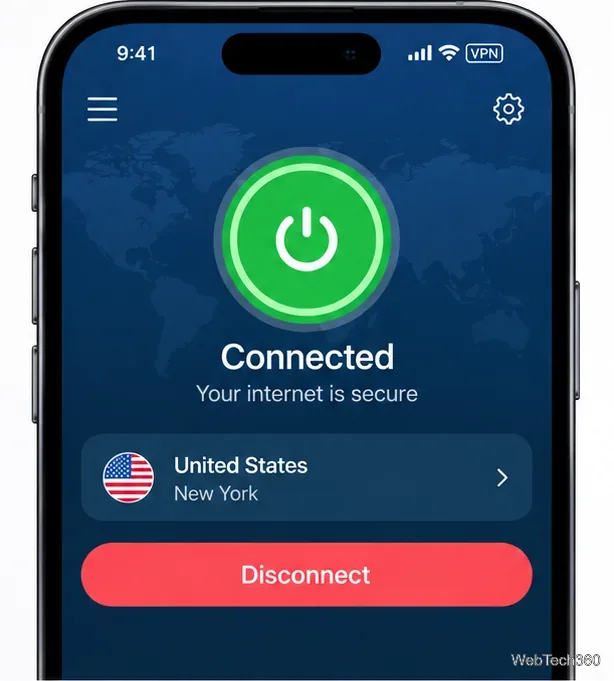
Turn off your iPhone VPN in the app or Settings, confirm it disconnected, and stop automatic reconnections without deleting your account.
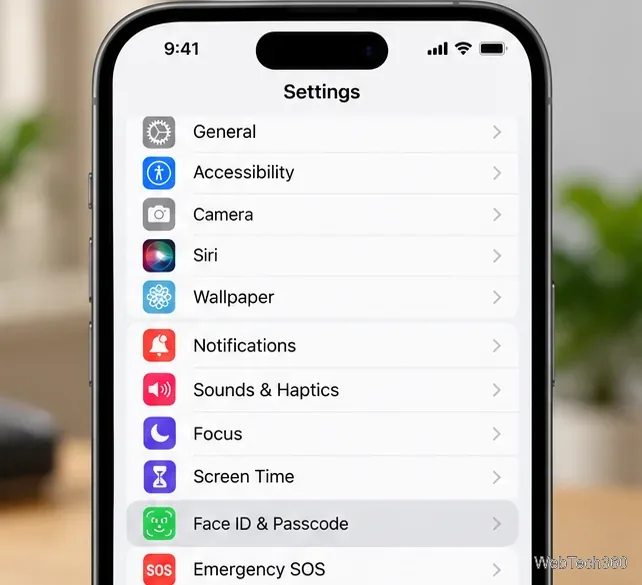
Learn how to encrypt your iPhone with a strong passcode, protect iCloud and computer backups, and secure your data if your phone is lost or stolen.
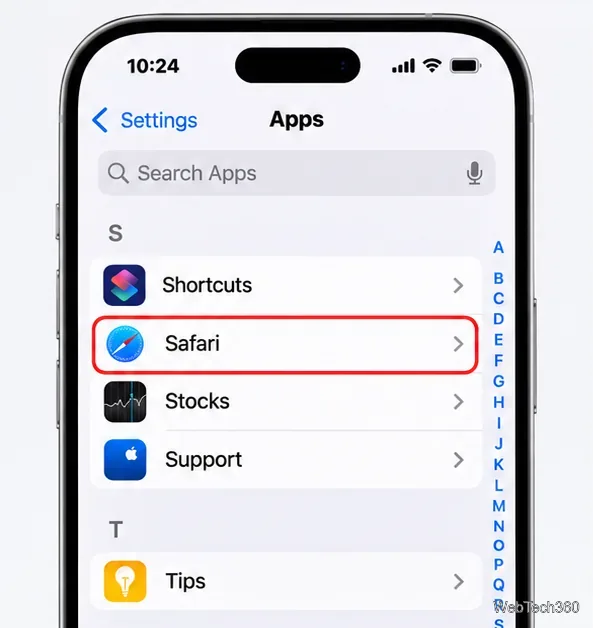
Learn how to clear Safari and Chrome cache on iPhone, manage app storage safely, and understand when clearing cached data actually helps.
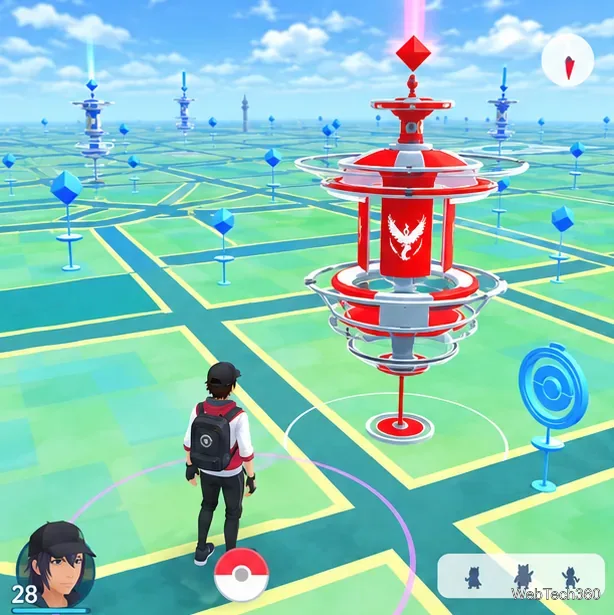
Learn how to fight Gym Battles in Pokémon GO, pick effective attackers, use Charged Attacks and dodges, and claim a Gym after defeating its defenders.
Explore classic Cydia tweaks for jailbroken iPads, from SwipeSelection to Quasar, with compatibility warnings and modern alternatives.
Stop Apple Music signup prompts in the Music app. Learn where to find Show Apple Music on iOS and what turning it off does—and does not—change.
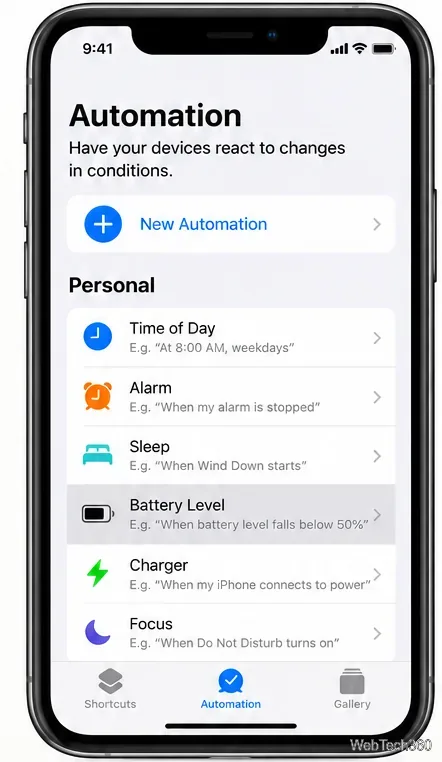
Set up a Shortcuts automation to text Mom when your iPhone battery gets low. Follow four steps, plus delivery checks and privacy tips.
Save posts on X in a few taps. Learn where to find the Bookmark button on iPhone, Android, and desktop, plus how to view, remove, and organize saved tweets.
Turn on AR mode in Pokémon GO during a wild encounter, find AR settings, and fix camera or device compatibility issues.