How to Recover Lost Partitions and Hard Disk Data Safely

Learn how to recover lost partitions and files with TestDisk and PhotoRec. Protect the source drive, scan safely, and save recovered data to another disk.
Don’t Starve Together runs on Linux through its Steam version. Install Steam from a package supported by your distribution, sign in, open the game’s Steam listing, and install it to your Library. The game has a Linux build, so you can try the native version first; Proton is not a requirement for the standard setup. Klei lists Linux among the supported platforms and publishes Linux system requirements for the game.
Before you start, leave at least 3 GB of free disk space for the game, plus extra room for updates and saves. Klei’s published minimums list a 1.7 GHz processor, 1 GB of memory, a graphics card with at least 256 MB of dedicated memory, and broadband internet. Treat those as the developer’s posted baseline: Linux distributions, graphics drivers, and hosting a world can affect performance.
Use the Software Center or package manager provided by your Linux distribution and search for Steam. If it is not listed, open Valve’s official Steam download page and follow the Linux installation option available for your system. Package names and setup steps differ across distributions, so use your distribution’s current documentation instead of copying commands written for another release.
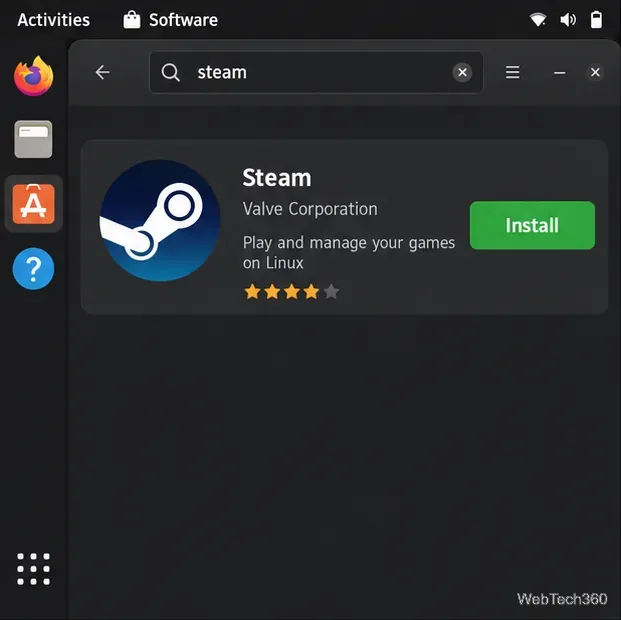
On Arch Linux, Steam is packaged in the multilib repository; follow the current Arch Linux Steam installation guide if you need to enable it. On other systems, check that your distribution’s supported graphics drivers and any required 32-bit libraries are installed. Avoid downloading Steam installers from third-party download sites.
Launch Steam and sign in to the account you plan to use. The first start may download client updates. Open the Store tab and search for Don’t Starve Together. Select the result with that exact title; it has its own Steam listing, separate from the original Don’t Starve game.
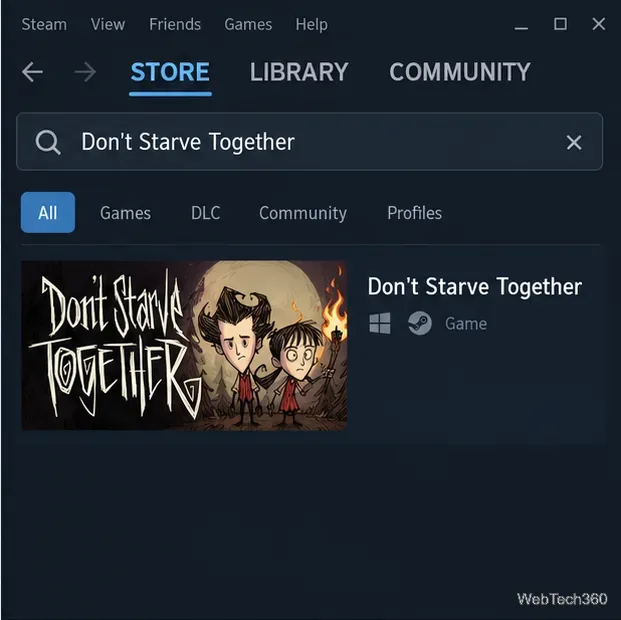
Check that the listing identifies SteamOS + Linux in its system requirements. If your account does not own the game, use the purchase option shown in the store and complete checkout. Pricing and availability depend on your Steam region, so check the live listing rather than relying on an old price. The game is described by Klei as a standalone multiplayer expansion: you do not need to install the original Don’t Starve game to launch Together.
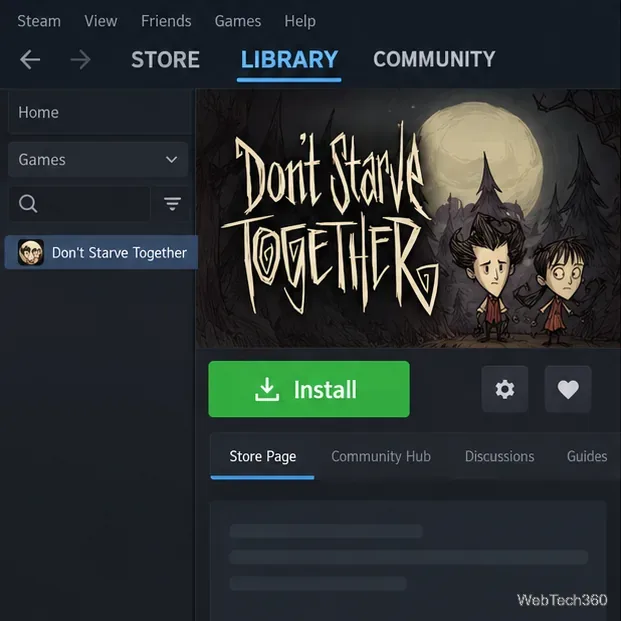
After the game is added to your account, open Library and select Don’t Starve Together. Click Install, choose a Steam library location with enough free space, review the download settings, and confirm. Steam will download the Linux files and show a progress indicator. Wait until the installation finishes and the button changes to Play.
Because the Steam listing includes Linux system requirements, start with Steam’s default compatibility setting. You generally do not need to force a Windows compatibility tool such as Proton for the Linux build. If the game fails to start, try the troubleshooting steps below before changing compatibility settings.
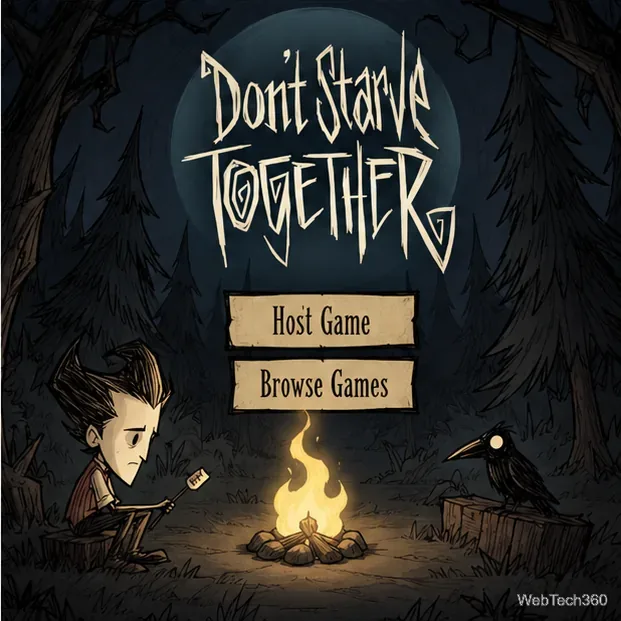
Click Play in the Library and wait for the game’s main menu. Choose Host Game to create a world, pick a save slot, and set the server options that fit your group. Choose Browse Games to look for an available online server. The available filters and privacy options can vary with the game version and platform. Keep Steam online and make sure everyone has updated the game before joining.
If you are hosting, allow extra performance headroom: Klei says a host should exceed the published minimum system requirements, while clients can join when their systems meet them. A world with caves can also require more from the host because it runs additional server processes.
For detailed Linux-specific steps, use Klei’s Don’t Starve Together troubleshooting guide. For hardware details, see Klei’s system requirements and the current Steam listing.
Learn how to recover lost partitions and files with TestDisk and PhotoRec. Protect the source drive, scan safely, and save recovered data to another disk.
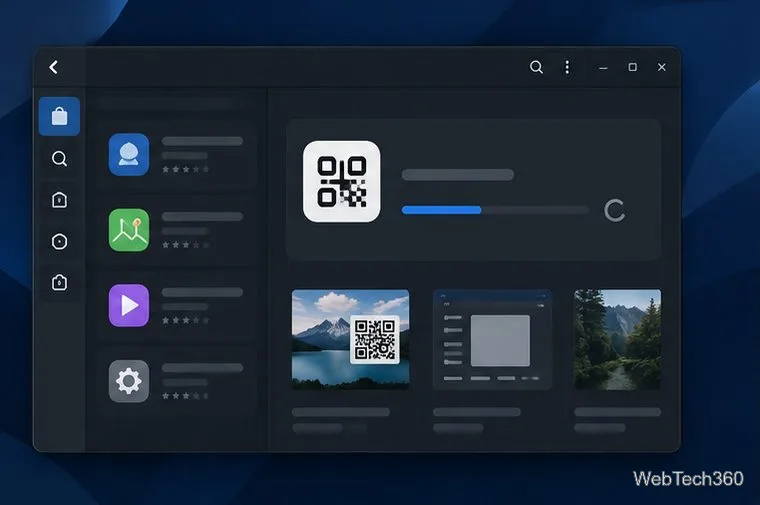
Scan QR codes on Linux with CoBang using a webcam or image file. See installation options, setup steps, and fixes for Flatpak camera access.
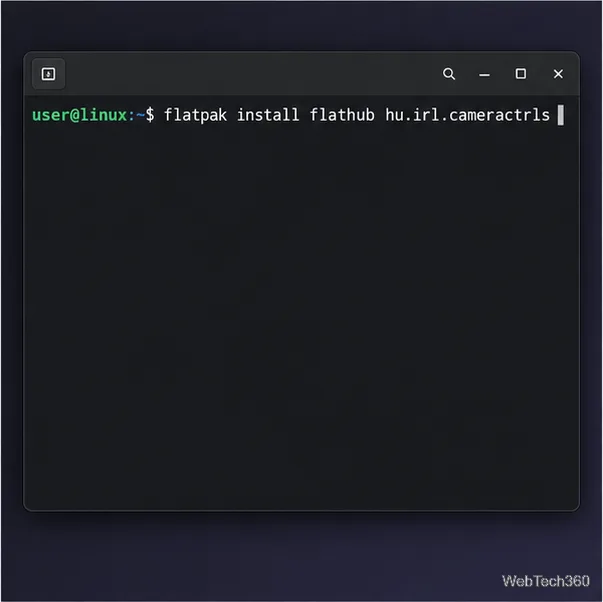
Change webcam settings on Linux with Cameractrls: tune exposure, color, flicker reduction, and other supported controls, then check compatible video modes.
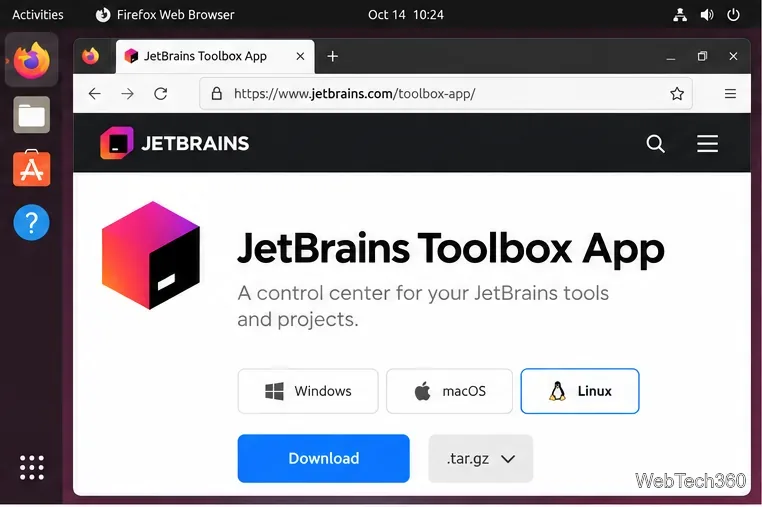
Install PhpStorm on Linux with JetBrains Toolbox or the standalone tar.gz archive, plus Snap and Arch AUR options. Java is already bundled.
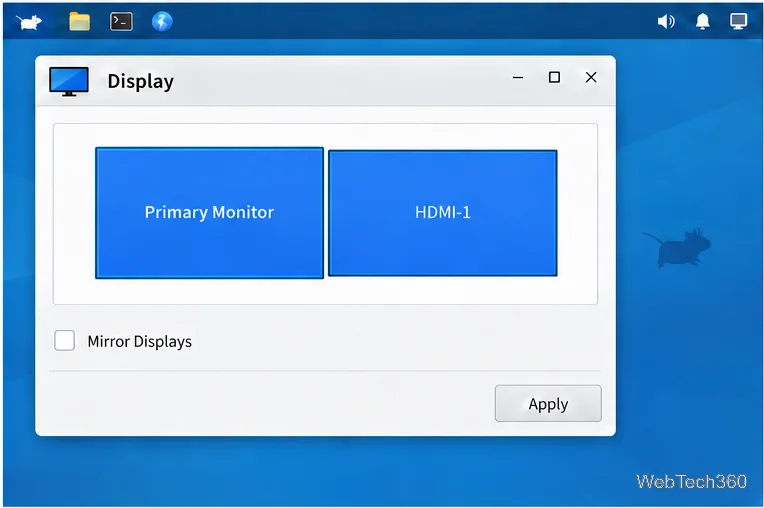
Create a separate XFCE 4 panel for each display, assign the second panel to the right output, position and size it, and add the launchers and status items you need.
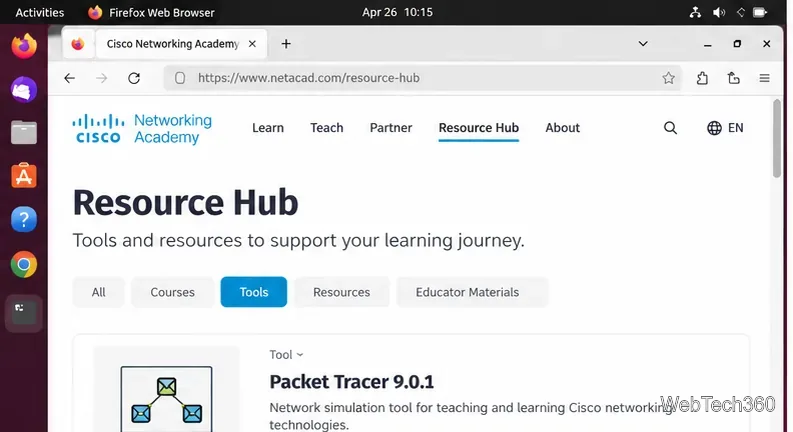
Download Cisco Packet Tracer 9.0.1 for Ubuntu 64-bit, install the DEB package with APT, accept the license in Terminal, and sign in to start a lab.
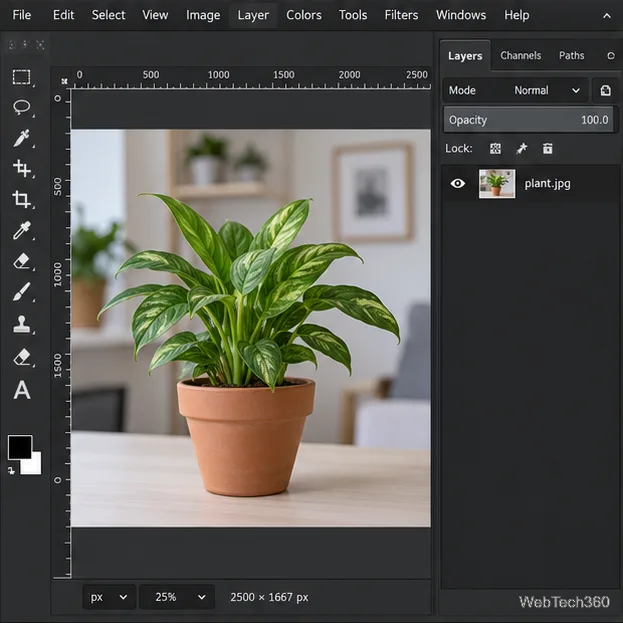
Remove a photo background on Linux with GIMP: trace a subject, delete the selected background, keep transparency, and export a reusable PNG.
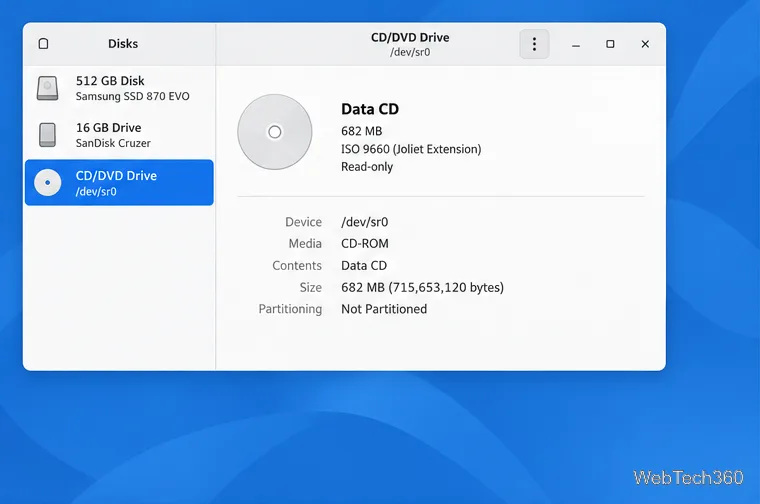
Create a CD-ROM ISO on Linux with GNOME Disks or dd. Identify the optical drive, monitor the copy, verify the image, and know when a damaged or audio disc needs another tool.
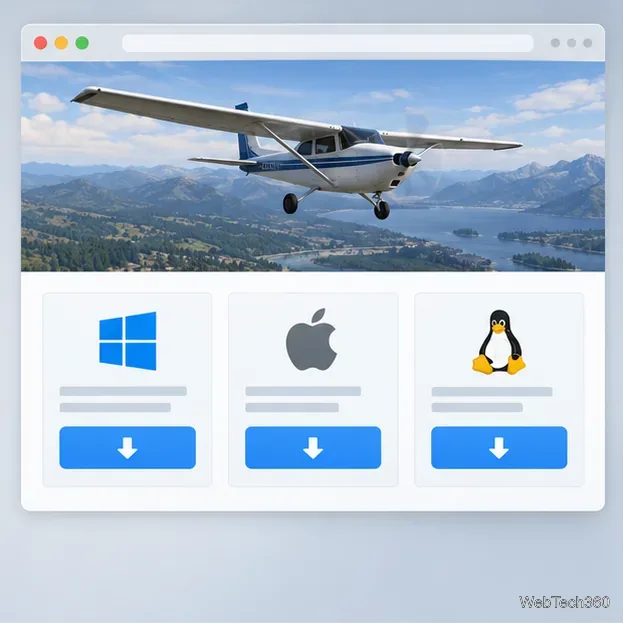
Download FlightGear for free from the official site. Compare Windows, macOS, and Linux packages, install the data files, and start your first flight.
Open Google Tasks in a browser, add a Chrome shortcut or app-style launch, and manage dated to-dos through Calendar and Gmail.