How to Set Up an Email Signature in Outlook.com
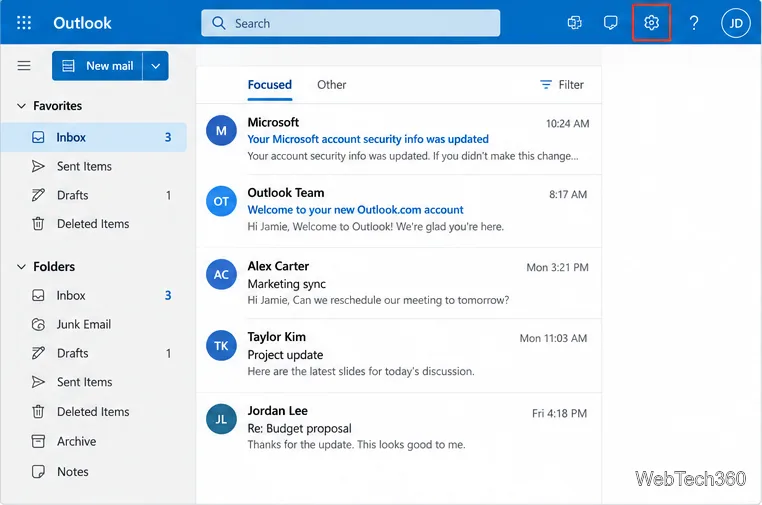
Create a reusable Outlook.com email signature, choose when it appears automatically, and insert it manually when you need a different sign-off.
Is your Windows 11 PC feeling sluggish, with the fan whirring like a jet engine? You're not alone—high CPU usage from background processes is a common culprit behind laggy performance and overheating. But don't worry! This guide will walk you through practical, effective solutions to tame those sneaky processes, reclaim your system's speed, and get back to seamless computing. By the end, you'll have a leaner, faster machine that runs like new. Let's dive in and fix this once and for all.
Windows 11 is packed with features, but that means more background processes running quietly in the shadows. These include system services, app updates, antivirus scans, and even telemetry data collection. When they spike CPU usage, it can slow down everything from browsing to gaming. Recent updates have optimized resource management, but older apps or misconfigurations can still cause spikes.
Common offenders? Superfetch (now SysMain), Windows Search, or third-party software like browser extensions. Identifying them is your first step to victory. 😊

Before fixing, you need to spot the problem. Windows 11's built-in tools make this easy and empowering.
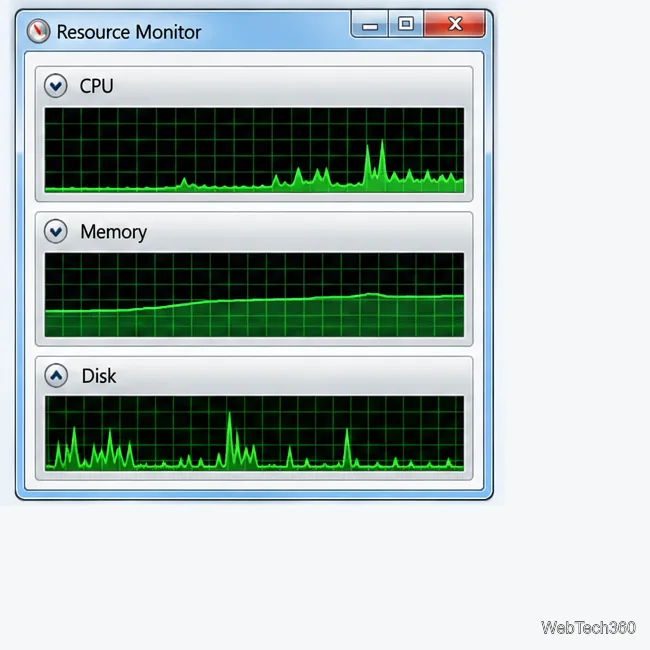
Pro Tip: Use the "Performance" tab to monitor real-time CPU graphs. If usage hovers above 80% at idle, it's time to act. This simple check often reveals surprises, like a rogue Windows Update service eating resources.
Many background processes launch at boot, gobbling CPU from the get-go. Trimming these can free up 20-50% of your processing power.
After changes, restart your PC and monitor the difference. You'll feel the speed boost—it's like giving your CPU a well-deserved break! ⭐
Windows 11 runs dozens of services in the background, some essential, others not. Tweaking them safely can slash high CPU usage.
For a visual guide, check this table of safe-to-tweak services:
| Service Name | Description | Recommended Action | CPU Impact |
|---|---|---|---|
| SysMain | Preloads apps for faster access | Set to Manual or Disabled (if SSD) | High on HDDs |
| Windows Search | Indexes files for quick search | Disable if not needed | Medium-High during indexing |
| Print Spooler | Manages printing | Disable if no printer | Low, but spikes occasionally |
| Windows Update | Keeps system updated | Keep Automatic, but pause if updating | High during downloads |
Remember, changes are reversible—experiment confidently. This step alone has helped countless users drop idle CPU from 40% to under 10%.
Apps like Microsoft Teams or OneDrive love running in the background, silently spiking CPU usage on Windows 11. Take control with these tweaks.
Feeling empowered? These changes not only fix high CPU usage but also extend battery life. One user reported their laptop lasting 2 extra hours after this! 👏
Sometimes, background processes high CPU usage stems from malware or outdated drivers. Don't overlook this detective work.
Malware often masquerades as legit processes—scanning can uncover hidden CPU thieves. Stay vigilant for that peace of mind.
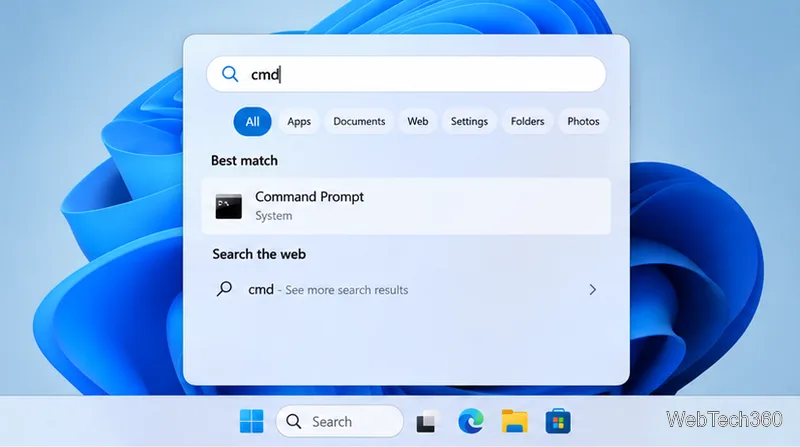
If fixing background processes still leaves CPU high, go deeper. Use the Command Prompt (run as admin) for these:
For hardware checks, monitor temperatures with tools like HWMonitor. Overheating can force CPU throttling—clean vents if needed. If all else fails, a clean Windows 11 install via Settings > System > Recovery > Reset this PC (keep files) often resolves deep-rooted glitches.
To keep Windows 11 performance optimal, adopt these habits:
Imagine browsing, streaming, and working without interruptions—that's the reward for these fixes. You've got the tools; now reclaim your PC's potential.
Tackling high CPU usage from background processes on Windows 11 doesn't have to be overwhelming. Start with monitoring, disable the unnecessary, and scan for threats—your system will thank you with buttery-smooth performance. If issues persist, consult Microsoft's support forums for tailored advice. Ready to try? Pick one step and watch the magic happen. Your frustration-free computing adventure starts now! 🚀
Stay tuned for more Windows tips to keep your setup running at peak efficiency.
Create a reusable Outlook.com email signature, choose when it appears automatically, and insert it manually when you need a different sign-off.
Open Command Prompt with Start search, Run, File Explorer, or Windows Terminal. See how to launch it as an administrator and find it on older PCs.
Set up a Nextcloud sync server on Windows Server with the AIO virtual machine, VirtualBox, bridged networking, domain, HTTPS, and backup guidance.
Learn how to create, link, configure, and verify a Windows Server Group Policy Object with a pilot OU, a wallpaper example, and troubleshooting checks.
Learn how Windows 7 Disk Cleanup, Disk Defragmenter, System Restore, and built-in troubleshooters handle common maintenance tasks, with important safety limits.
Speed up a Windows 7 PC by finding bottlenecks, reducing startup load, clearing disk space, adjusting visual effects, and upgrading wisely.
Set up Configuration Manager as a standalone primary site with supported Windows Server, SQL Server, evaluation media, and current setup prerequisites.
Host GitLab Self-Managed on Windows Server by running Ubuntu Server in Hyper-V, then configure its network, HTTPS address, first login, and backups.
Install Abyss Web Server X1 on Windows Server, create the console login, publish a test page, and configure the service to start at boot.
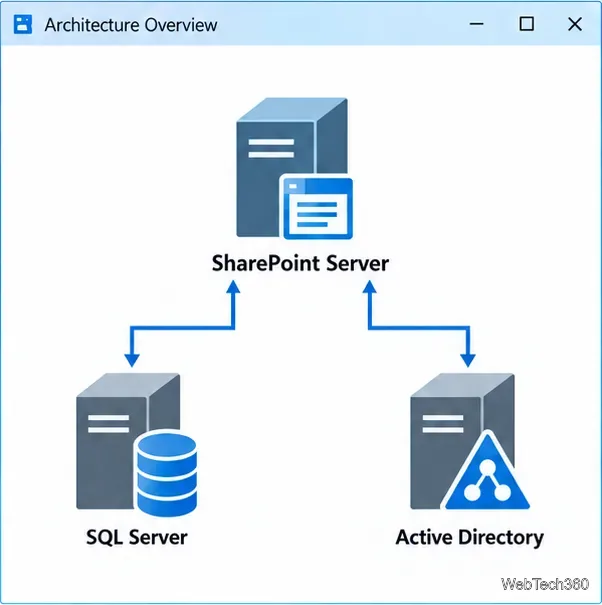
Install SharePoint Server Subscription Edition on Windows Server with current hardware, SQL, prerequisite, setup, and farm-configuration guidance.