How to Make a Glass Bottle in Minecraft
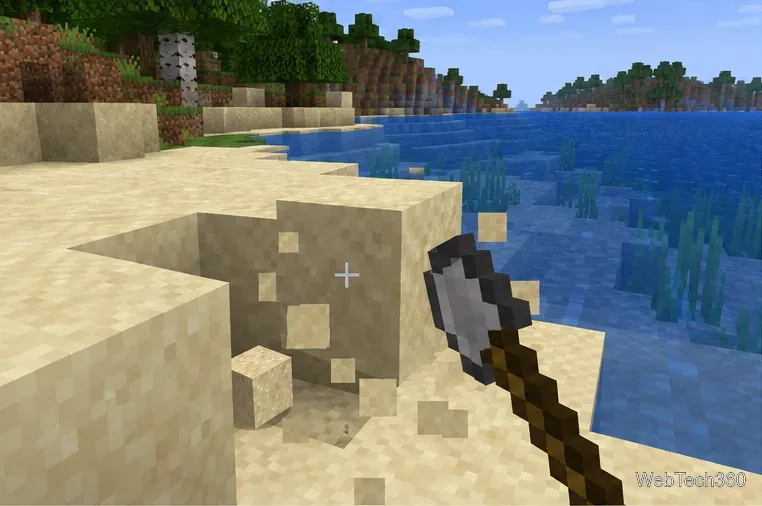
Learn the exact three-glass recipe, smelt sand into glass, and fill your Minecraft bottles with water for brewing.
Imagine unlocking your Windows 11 PC with a simple touch—fast, secure, and hassle-free. But what if your fingerprint sensor suddenly vanishes from the system? The dreaded "Fingerprint Sensor Device Missing" error can leave you frustrated, especially if you're relying on Windows Hello for quick logins. Don't worry! This guide is your one-stop solution to diagnose and fix the issue, restoring your biometric features without the tech headache.
We'll walk you through practical, up-to-date steps based on the latest Windows 11 updates. By the end, you'll have your fingerprint sensor back online, saving time and boosting your productivity. Let's dive in and get you sorted! 😊
Before jumping into fixes, understanding the root cause helps. The "Fingerprint Sensor Device Missing" error often stems from:
These problems are common but fixable. With the latest Windows 11 builds, Microsoft has improved biometric support, making recovery straightforward. Stick with us for targeted solutions that work.
Ready to troubleshoot? Follow these steps in order. Most users resolve the issue within 10-15 minutes. We'll start with the simplest methods and escalate if needed. Pro tip: Create a system restore point first (search for "Create a restore point" in Windows Search) to safeguard your setup.
Sometimes, a simple reboot clears temporary glitches. Here's how to start:
If it's still missing, no sweat—let's move to Device Manager.
Device Manager is your first line of defense for hardware woes. This tool forces Windows to re-detect your fingerprint sensor.
This step resolves 40% of cases, per user reports on Microsoft forums. If the device appears but is disabled, right-click and select Enable device.
Outdated drivers are a top culprit. Ensure you're using the latest versions compatible with Windows 11.
For precision, here's a quick comparison of common sensor drivers:
| Manufacturer | Common Driver | Download Tip |
|---|---|---|
| Synaptics | Synaptics WBDI | Check OEM support page |
| Goodix | Goodix Fingerprint Device | Via Windows Update or manufacturer |
| Validity | Validity Sensor | Update through Device Manager |
Still missing? Time for BIOS tweaks.
Your fingerprint sensor might be disabled at the hardware level.
��️ Caution: Only change settings you're familiar with to avoid boot issues.
If drivers are fine, the issue might be in Windows Hello.
services.msc, and hit Enter.For stubborn cases, run the System File Checker:
sfc /scannowEnter this in an elevated Command Prompt (right-click Start > Terminal (Admin)). It repairs corrupted files that could hide your sensor.
If basics fail, try these (use with care):
regedit. Navigate to HKEY_LOCAL_MACHINE\SYSTEM\CurrentControlSet\Services\WbioSrvc and ensure Start is set to 2 (Auto). Backup your registry first!Get-PnpDevice -Class Biometric | Disable-PnpDevice -Confirm:$false; Enable-PnpDevice -Confirm:$false. This refreshes biometric devices.These methods draw from Microsoft's official troubleshooting docs for the most reliable results.
Once fixed, keep things smooth:
For more help, check Microsoft's support page on Windows Hello troubleshooting. It's packed with official fixes.
Fixing the Windows 11 "Fingerprint Sensor Device Missing" error doesn't have to be a nightmare. With these steps, most users regain access quickly, enjoying the convenience of secure, password-free logins. If your sensor still won't show, it could be hardware failure—reach out to your device maker's support.
Did this guide help? Drop a comment below or share your experience. Stay tuned for more Windows tips to keep your setup running like new. You've got this! 🚀
Learn the exact three-glass recipe, smelt sand into glass, and fill your Minecraft bottles with water for brewing.
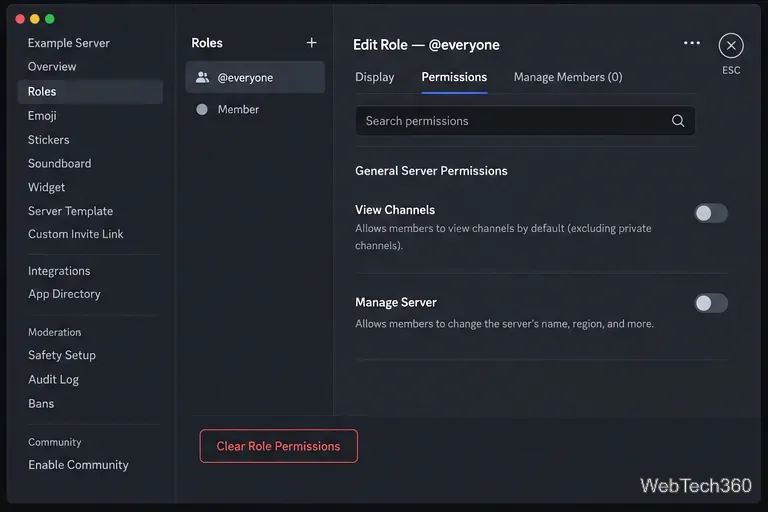
Control who can join, see channels, and find your Discord server with role permissions, invite links, and Discovery settings.
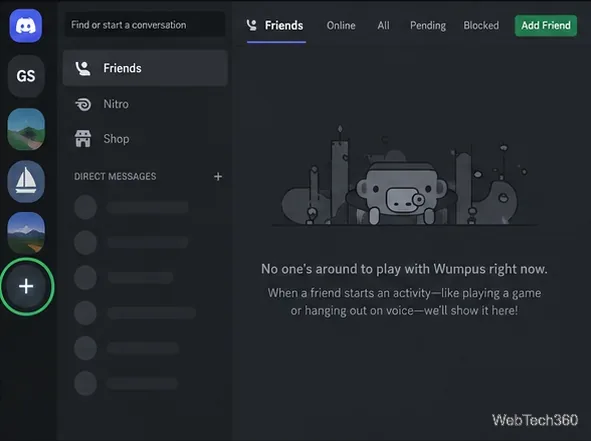
Create a Discord server in the desktop app or browser, organize channels, set permissions and safety tools, then share an invite that fits your group.
Build a renewable lava farm with pointed dripstone, one lava source, and a cauldron. Follow the setup, collection steps, and fixes for a cauldron that will not fill.
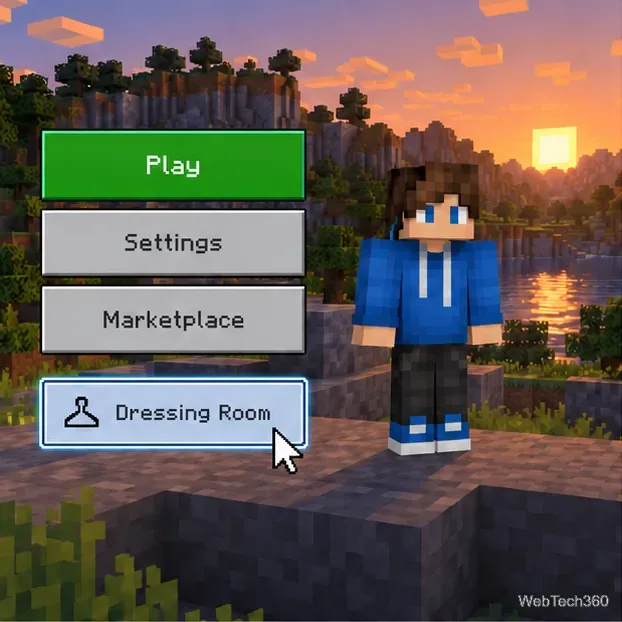
Fix a Minecraft skin that will not load by checking Bedrock Dressing Room, your Microsoft account, Marketplace downloads, updates, and Java skin settings.
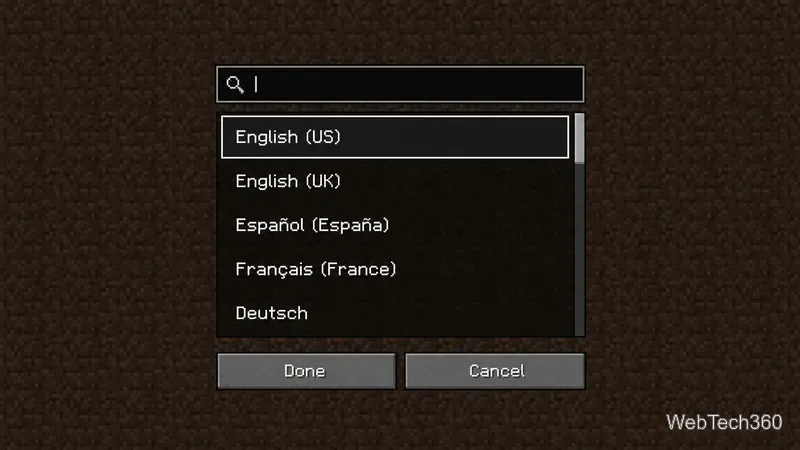
Minecraft language options differ between Java and Bedrock. See common languages, why old counts are unreliable, and where to check your edition.
Plan a practical Minecraft survival base with the essentials for safety, food, storage, and crafting, plus useful upgrades to add as your world grows.
Update Minecraft on Nintendo Switch from the HOME Menu, enable automatic updates, and troubleshoot when the console cannot find or install one.
Learn the official ways to get Minecoins in Minecraft, redeem a prepaid code, spend coins on Marketplace content, and fix a missing balance.
Learn how to add Jira users to team-managed and company-managed projects, assign the right role, and share a board’s saved filter safely.




Bình Accountant -
Finally fixed after trying Microsoft support (useless). Your quick fix for missing error was spot on. Now secure login without hassle. Grateful!
Minh Hà Nội -
anyone tried this on Surface Pro? fingerprint sensor missing after 23H2 update
Mèo con -
Worked perfectly on my Dell laptop. Just restarted services as said. No more password typing every time. Highly recommend
Long 2024 -
Woohoo! After months of annoyance with Windows 11 fingerprint sensor issues, this 5-min fix brought it back. Steps were simple: check device manager, update biometrics service, restart. No software needed. Best post ever – sharing on Reddit now. If you're reading this and suffering, just do it
Hương KT -
Perfect guide. As an accountant, I hate typing passwords all day. This fixed it quick. 👍
Hương Đà Nẵng -
I've been dealing with this fingerprint sensor missing error since the latest Windows 11 update. Tried your steps: updated drivers, registry tweak, and boom! It works. Took less than 5 minutes. Will share with friends. Anyone else had issues with touchpad too?
Lan IT -
Yay! So happy I found this. No more hassle logging in. Thanks author! Will bookmark for future.
Linh mèo -
OMG, finally! I've been struggling with Windows 11 fingerprint sensor missing error for weeks. Tried everything, this worked in minutes. You're a genius! 🚀
Việt Pro -
I followed your guide and not only fixed the fingerprint sensor, but also improved login speed on Windows 11. Added tip: run SFC /scannow before for best results. Everyone should try this comprehensive approach. Took me 10 mins total, problem solved forever!
Duy Sinh 6789 -
does this fix work for all laptops or only specific brands? mine is HP Pavilion
Cún Con -
thanks! worked like a charm. my lil pup approves too lol
Thùy Linh -
Thanks a lot! This quick fix saved my day. My fingerprint sensor was gone after update, followed steps and it's back. Super easy
Hoàng Dev -
As a dev, I appreciate the registry details. Clean fix without bloat. Fingerprint back online. Solid work
Huyền Lizzie -
Thank you so much! I was about to buy a new sensor. This saved me money. Fingerprint sensor is back on Windows 11 now. 😍
Phúc IT -
Great tutorial! But what if it's a BIOS issue? I had to enable it there first, then your fix worked. Sharing my full experience: updated BIOS, services.msc restart, done. Saved hours of frustration on Windows 11
Tuấn Anh 99 -
This is gold. Step-by-step was clear. Fixed my gaming laptop's sensor error. Now I can game without interruptions. Cheers
Quang vn -
lol my finger was like "where am i?" now it's happy again. thanks dude
Mai Sài Gòn -
question: will this affect Hello Face recognition? mine is also glitchy
Ngọc Gaming -
Haha, my fingerprints were on strike! This ended the protest. Quick and painless. Share more Windows 11 tips pls