How to Fix Snipping Tool Issues on Windows 11
Fix common Snipping Tool problems in Windows 11 with steps to test the shortcut, update or repair the app, reinstall it, and restore missing capture notifications.
Imagine turning on your Windows 11 PC and having it ready to go in seconds, not minutes. That's the magic of managing startup apps in Windows 11. If your computer feels sluggish at boot-up, unnecessary programs launching in the background could be the culprit. Don't worry—this guide will walk you through how to disable startup apps in Windows 11 with simple, effective steps. You'll feel empowered and excited to reclaim your PC's speed and efficiency. Let's dive in and get your system running like new!
Startup apps are programs that automatically run when you power on your PC. While convenient for some, they hog precious CPU, RAM, and storage resources, leading to longer boot times and slower performance. In the latest Windows 11 updates, Microsoft emphasizes optimization, making it easier than ever to control these. By disabling startup apps in Windows 11, you can:
Whether you're a casual user frustrated with delays or a power user tweaking for peak performance, mastering startup programs in Windows 11 is a game-changer. Stick around as we explore the best methods, from built-in tools to advanced tweaks.
The Task Manager is your first stop for managing startup apps in Windows 11. It's built right into the OS and requires no extra software. Here's how to do it step by step:
Pro tip: The "Startup impact" column is gold—it shows low, medium, or high resource drain. Prioritize disabling high-impact ones to see the biggest gains. For a visual walkthrough, check this image:
After disabling, reboot and feel the difference. Your PC will thank you with snappier performance!
For more granular options, head to the Windows 11 Settings. This method shines for privacy-focused tweaks and integrates seamlessly with the latest OS features.
This approach is ideal for the newest Windows 11 builds, where Microsoft has refined the interface for better usability. It's user-friendly and lets you re-enable apps anytime without hassle. Imagine the satisfaction of a clutter-free startup—keep reading for even more optimization tips.
If Task Manager doesn't cover everything, the System Configuration tool offers pro-level control over startup programs in Windows 11. Use it sparingly, as it's more technical.
Visualize the results with this handy screenshot:
Warning: Only disable what you recognize. If unsure, Google the service name for safety. This keeps your system stable while boosting speed.
Not sure which apps to target? Here's a focused table of frequent culprits in the latest Windows 11 environment. Disabling these can dramatically improve Windows 11 boot speed without losing functionality.
| App Name | Why Disable? | Impact Level | Alternatives |
|---|---|---|---|
| OneDrive | Auto-syncs files but delays boot | High | Launch manually when needed |
| Spotify/Other Media Players | Background updates slow startup | Medium | Open on demand |
| Adobe Creative Cloud | Heavy resource user at launch | High | Start via app shortcut |
| Third-Party Antivirus (e.g., Norton) | Full scans on boot | Medium | Schedule scans post-boot |
| Steam | Updates libraries automatically | Low-Medium | Run when gaming |
This table is your cheat sheet—start here for quick wins. For official Microsoft guidance on safe disables, visit Microsoft's support page. It's packed with verified tips to keep your Windows 11 startup settings optimized.
Encounter issues? Common hiccups include apps re-enabling after updates or persistent services. First, update Windows 11 via Settings > Windows Update to ensure you're on the latest patch. If an app keeps coming back, check its own settings—many have internal "start with Windows" options.
For stubborn cases, use the Registry Editor (regedit) cautiously: Navigate to HKEY_CURRENT_USER\Software\Microsoft\Windows\CurrentVersion\Run and delete entries for unwanted apps. Back up your registry first! If you're new to this, stick to Task Manager to avoid mishaps. 😊
Re-enabling is simple—just follow the same steps and toggle back on. Your PC's performance will soar, and you'll wonder why you didn't do this sooner.
Disabling startup apps is step one—pair it with these for ultimate speed:
These tweaks build on your disable startup apps Windows 11 efforts, creating a lean, mean machine. Feel the thrill of a responsive PC and share your results in the comments!
By now, you're equipped to speed up Windows 11 boot and tame those pesky startup apps. Whether via Task Manager, Settings, or advanced tools, these steps are straightforward and rewarding. Your PC deserves to run at its best—implement them today and enjoy the boost. Got questions or more tips? Drop them below; let's keep the conversation going! 🚀
Fix common Snipping Tool problems in Windows 11 with steps to test the shortcut, update or repair the app, reinstall it, and restore missing capture notifications.
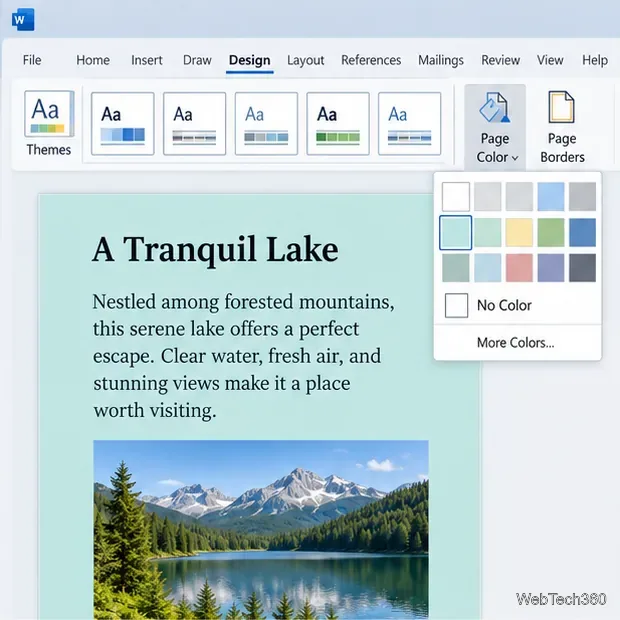
Choose a color-capable printer, enable Word’s background-print setting, and check the preview so page colors, images, and graphics print as expected.
Learn how to use WinX DVD Ripper to convert a DVD you’re entitled to copy into an MP4 file, choose the right title and destination, and troubleshoot playback problems on Windows 10 or 11.
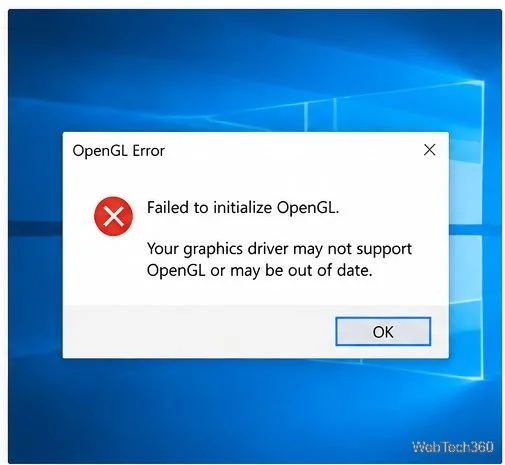
Troubleshoot OpenGL errors in Windows 10 by checking graphics drivers, repairing system files, reinstalling the affected app, and reviewing graphics settings.
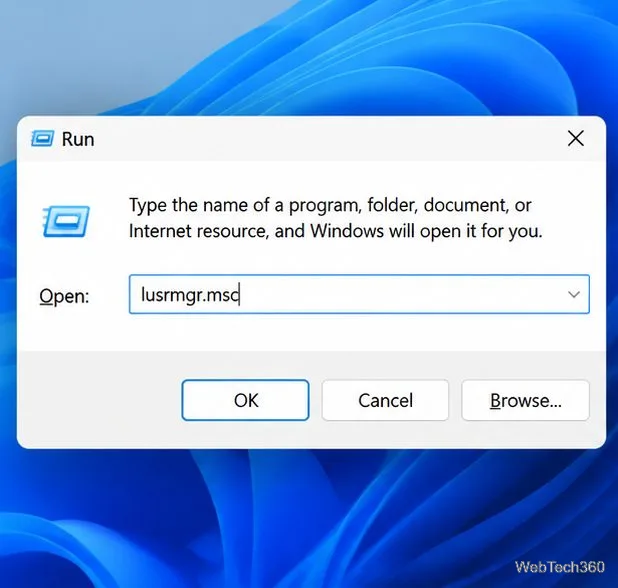
Learn when to use net user, lusrmgr.msc, and net localgroup to view, create, disable, and manage local Windows accounts safely.
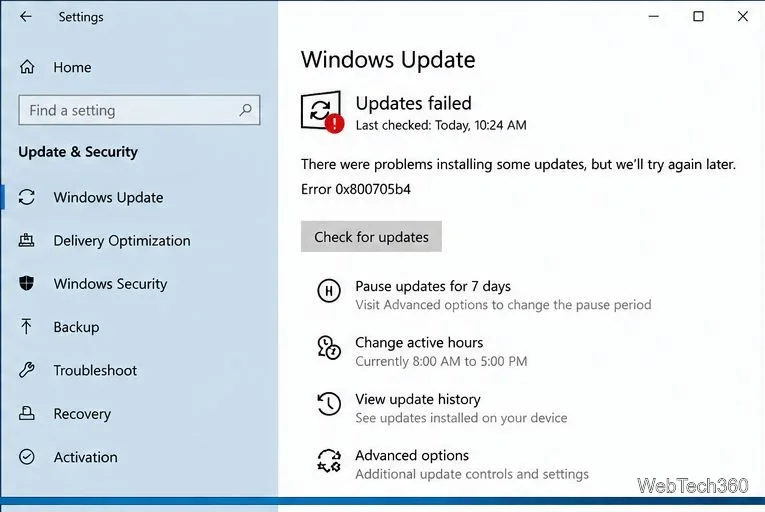
Resolve Windows Update error 0x800705b4 with practical checks for connectivity, update services, cached files, and damaged Windows system components.
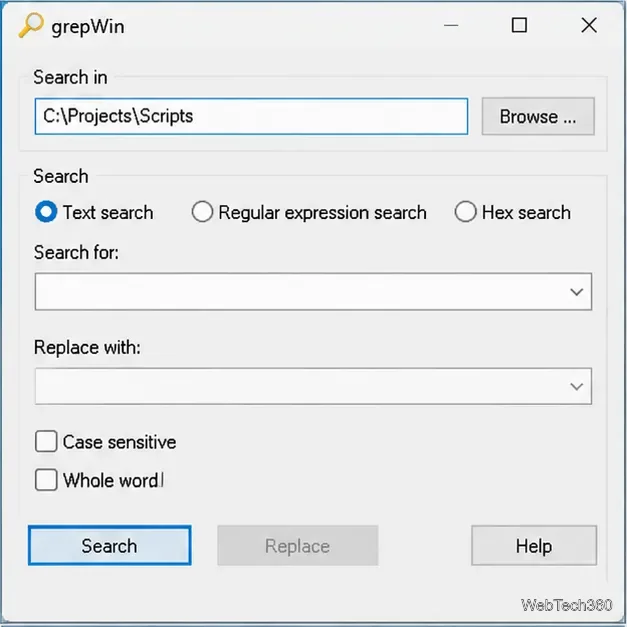
Find words or phrases across multiple text files on Windows 10 with grepWin. Learn how to choose folders, filter file types, include subfolders, and read matches safely.
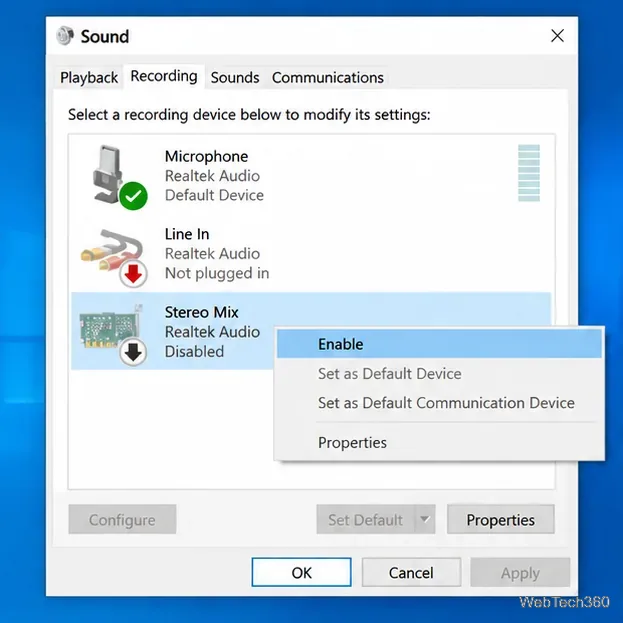
Capture your PC’s playback with FFmpeg on Windows 10. Enable Stereo Mix or use a loopback device, find its DirectShow name, and save clean audio.
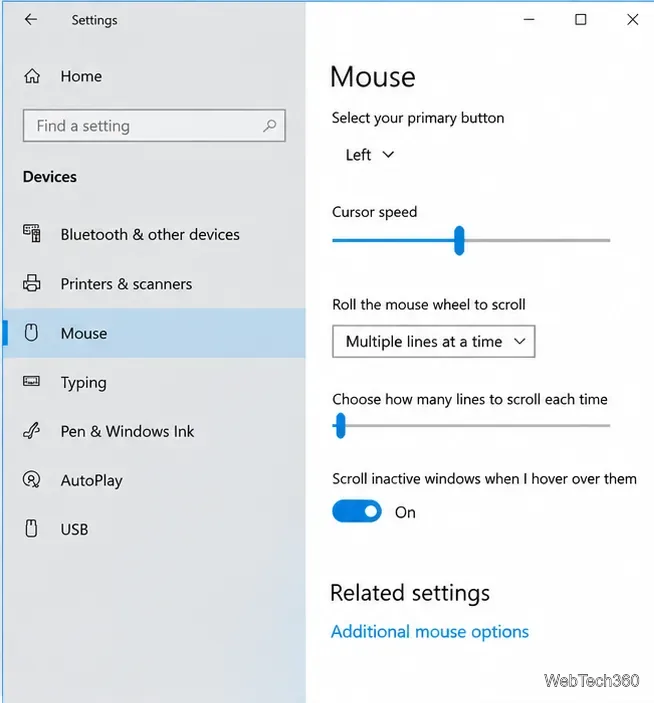
Learn how to adjust Windows 10 mouse pointer speed, change pointer precision, and set hardware DPI with a supported gaming mouse or manufacturer app.
Learn what the legacy Edge blocker registry setting does, how to set it safely, and why it will not stop updates for Microsoft Edge already installed.