How to Fix Snipping Tool Issues on Windows 11
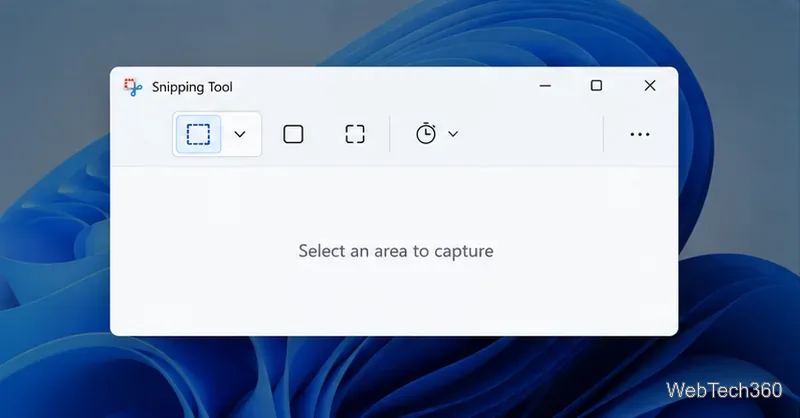
Fix common Snipping Tool problems in Windows 11 with steps to test the shortcut, update or repair the app, reinstall it, and restore missing capture notifications.
Are you tired of staring at that endless Windows Update screen, watching the minutes tick by while your PC crawls through the process? You're not alone. Windows 11 updates are essential for security and performance, but slow downloads and installations can test anyone's patience. The good news? You can take control and speed up Windows 11 updates with simple, effective tweaks. In this guide, we'll dive into the best ways to speed up Windows 11 updates, using the latest methods to get you back to peak productivity. Let's turn frustration into a smooth, swift experience! 😊
Before we jump into fixes, a quick reality check: Windows 11 updates can lag due to factors like internet speed, limited storage, background processes, or even outdated drivers. Microsoft has optimized the process in recent builds, but your setup plays a huge role. By addressing these bottlenecks, you'll notice faster downloads and quicker installs. Ready to accelerate? Let's start with the basics.
Your internet is the lifeline of Windows 11 updates. Slow speeds mean sluggish downloads—sometimes gigabytes worth. Here's how to speed up Windows 11 updates right from the start:
Pro Tip: Schedule updates during off-peak hours (like early morning) when bandwidth is freer. This alone can halve your wait time.
Windows 11 updates need breathing room—typically 20-30 GB of free space on your system drive (usually C:). Clogged storage causes pauses or failures. Clear the clutter:
After freeing space, your Windows 11 updates will install without the dreaded "low disk space" error. Feel the relief as your PC zips through the process.
Sometimes, the best way to speed up Windows 11 updates is to control when they happen. Microsoft allows pausing, but use it wisely:
Why it works: Resuming on a fresh system state lets updates run at full throttle, cutting overall time.
Outdated drivers can bottleneck Windows 11 updates. Ensure everything's current:
Updated components mean fewer compatibility issues, leading to faster, error-free Windows 11 updates. Your system will thank you with smoother sails.
Resource-hungry apps steal CPU and RAM from updates. Tame them:
This tweak can boost update speed by 20-30%, especially on mid-range hardware.
Work or school accounts sometimes sync slowly during Windows 11 updates. For personal use:
Users report noticeably quicker installs post-switch. Simple change, big impact!
Built-in tools are your friend. Run the troubleshooter:
Microsoft recommends this as a first-line fix in their latest support docs.
Why download everything from Microsoft when neighbors can help? Enable it:
This feature, refined in recent Windows builds, can slash download times by sourcing files locally. It's like carpooling for your updates! 🚗
For stubborn slowdowns, a clean boot minimizes interference:
| Step | Action |
|---|---|
| 1 | Search "msconfig" > Services tab > Hide all Microsoft services > Disable all. |
| 2 | Startup tab > Open Task Manager > Disable startup items. |
| 3 | Restart and run the update. Re-enable services gradually after. |
This methodical approach pinpoints culprits, ensuring future Windows 11 updates fly. Patience pays off here.
If software tweaks aren't enough, hardware matters. An SSD over HDD dramatically speeds up Windows 11 updates—installs can be 5x faster. Add more RAM (16GB minimum recommended) for multitasking during updates.
Check compatibility via Microsoft's PC Health Check app. Upgrading feels empowering, transforming your PC into a speed demon. 🎉
Implementing these best ways to speed up Windows 11 updates will save you hours and reduce stress. Start with internet and storage tweaks—they offer the quickest wins. Remember, regular maintenance keeps your system humming. Got a tip that worked for you? Share in the comments below—we'd love to hear! Stay updated and keep your PC running at its best. You've got this! 👍
For official guidance, visit Microsoft Support.
Fix common Snipping Tool problems in Windows 11 with steps to test the shortcut, update or repair the app, reinstall it, and restore missing capture notifications.
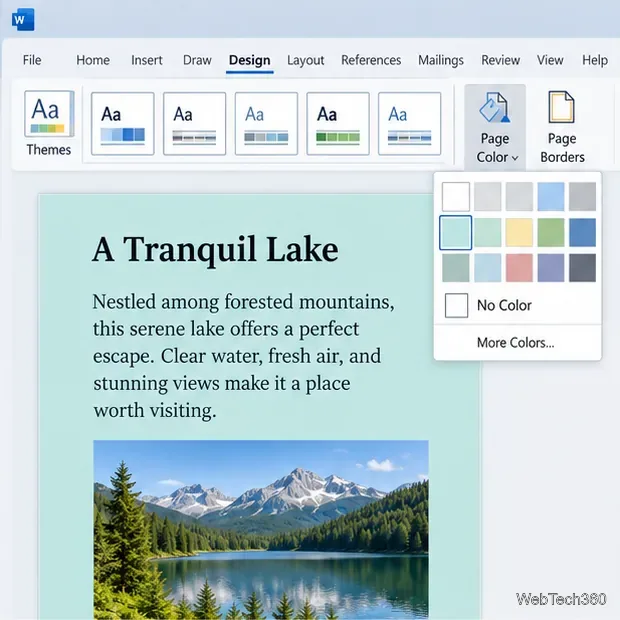
Choose a color-capable printer, enable Word’s background-print setting, and check the preview so page colors, images, and graphics print as expected.
Learn how to use WinX DVD Ripper to convert a DVD you’re entitled to copy into an MP4 file, choose the right title and destination, and troubleshoot playback problems on Windows 10 or 11.
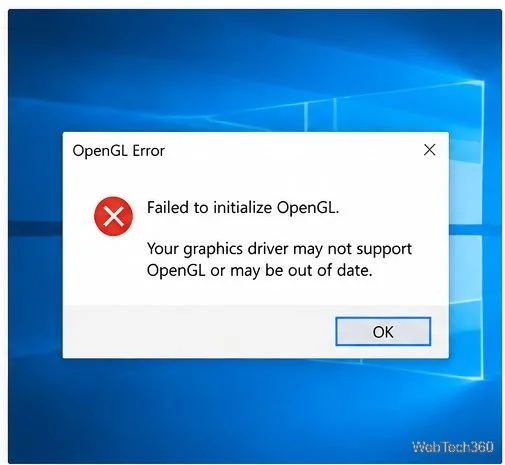
Troubleshoot OpenGL errors in Windows 10 by checking graphics drivers, repairing system files, reinstalling the affected app, and reviewing graphics settings.
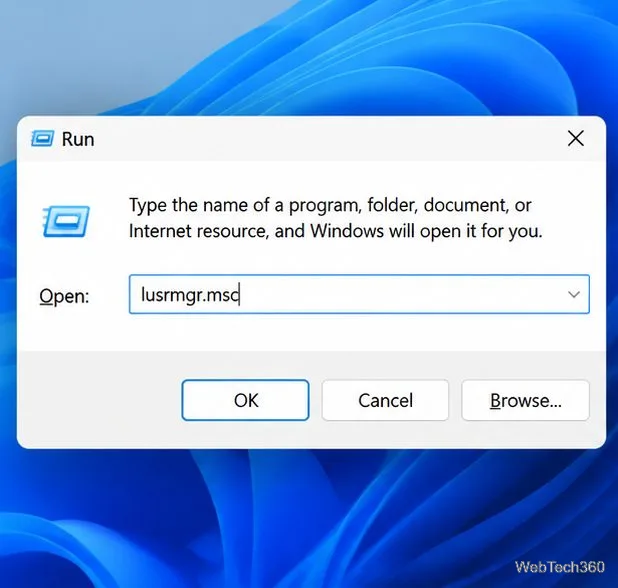
Learn when to use net user, lusrmgr.msc, and net localgroup to view, create, disable, and manage local Windows accounts safely.
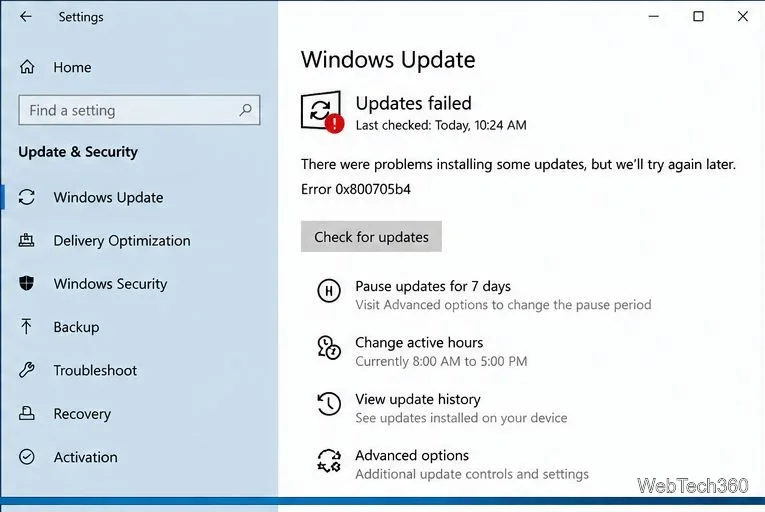
Resolve Windows Update error 0x800705b4 with practical checks for connectivity, update services, cached files, and damaged Windows system components.
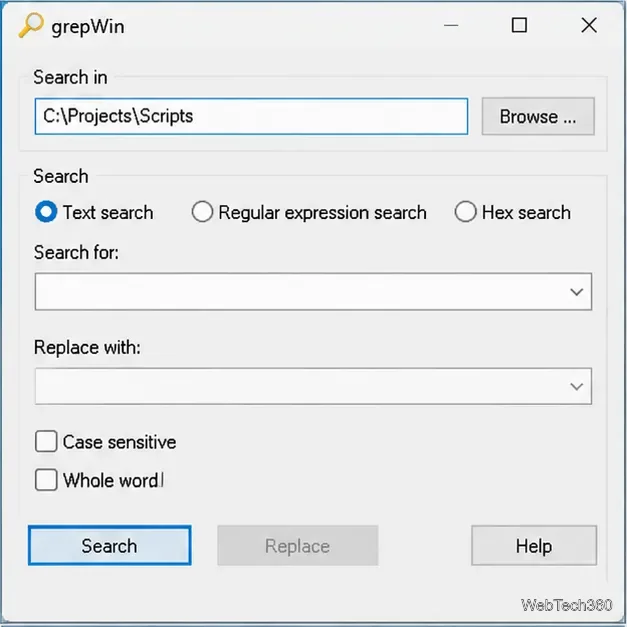
Find words or phrases across multiple text files on Windows 10 with grepWin. Learn how to choose folders, filter file types, include subfolders, and read matches safely.
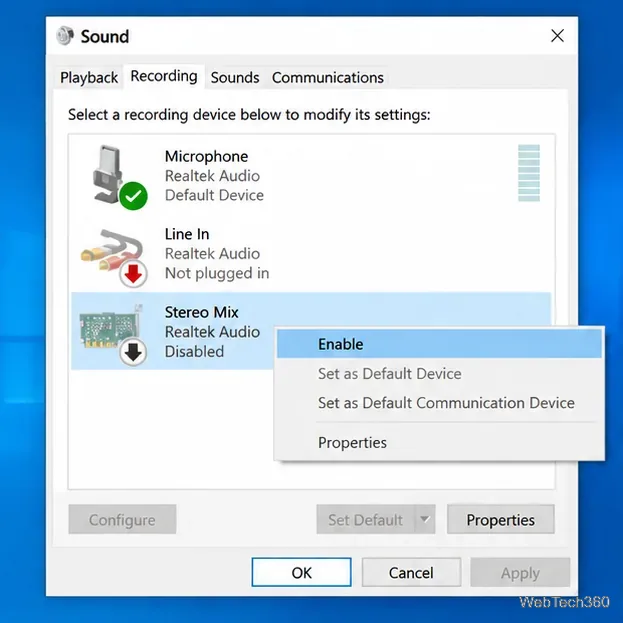
Capture your PC’s playback with FFmpeg on Windows 10. Enable Stereo Mix or use a loopback device, find its DirectShow name, and save clean audio.
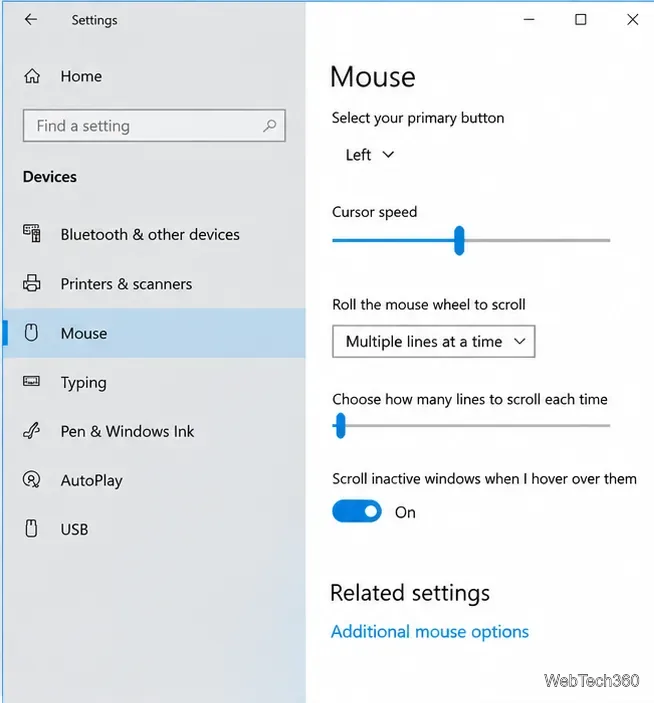
Learn how to adjust Windows 10 mouse pointer speed, change pointer precision, and set hardware DPI with a supported gaming mouse or manufacturer app.
Learn what the legacy Edge blocker registry setting does, how to set it safely, and why it will not stop updates for Microsoft Edge already installed.