How to Fix Snipping Tool Issues on Windows 11
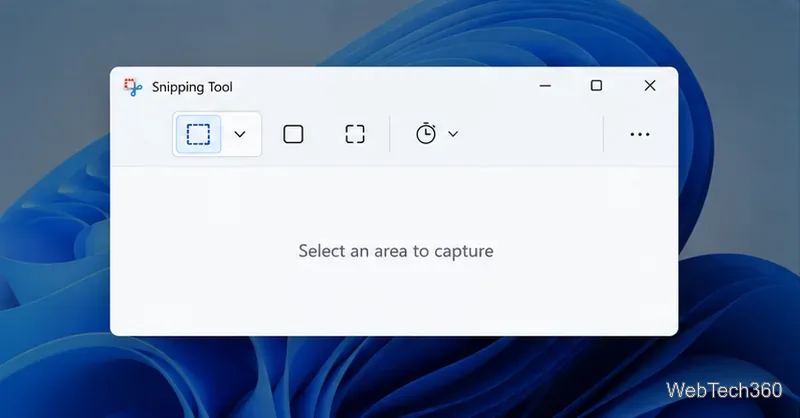
Fix common Snipping Tool problems in Windows 11 with steps to test the shortcut, update or repair the app, reinstall it, and restore missing capture notifications.
Is your Windows 11 laptop feeling like it's stuck in molasses? You're not alone—millions of users face lagging apps, slow boot times, and frustrating freezes. But here's the good news: you can dramatically speed up Windows 11 laptop performance with simple, effective tweaks. No need for pricey hardware upgrades; these proven strategies will breathe new life into your device, making it run smoother and faster than ever. Let's dive in and get your laptop back to peak efficiency! 😊
Outdated software is a common culprit behind slow Windows 11 performance. Microsoft regularly releases updates that fix bugs, improve efficiency, and enhance security. Keeping everything current ensures your laptop harnesses the latest optimizations.
Step-by-step guide:
Pro tip: After updating, restart your device. Users report up to 20% faster boot times post-update. If you're dealing with specific hardware like NVIDIA or Intel chips, visit their official sites for the newest drivers to boost Windows 11 speed.

Ever notice how your Windows 11 laptop takes forever to start? Blame it on resource-hogging apps launching at boot. Trimming these can shave minutes off your startup and free up RAM for smoother multitasking.
To optimize Windows 11:
This simple action can speed up Windows 11 by preventing unnecessary background processes. Imagine firing up your laptop and being productive in seconds—pure bliss! ⭐
Over time, temporary files, caches, and clutter pile up, eating into your storage and slowing down your system. A quick cleanup can reclaim gigabytes and fix slow Windows 11 laptop issues.
Here's how to declutter effectively:
| Tool | Steps | Expected Benefit |
|---|---|---|
| Storage Sense | Settings > System > Storage > Enable Storage Sense. Run it manually to delete temp files. | Frees up to 10-20GB; improves file access speed. |
| Disk Cleanup | Search for "Disk Cleanup" in Start menu, select drive, and remove system files. | Eliminates old Windows updates and thumbnails for faster searches. |
| Third-Party Cleaner (e.g., CCleaner) | Download from official site and scan for junk—use cautiously to avoid over-cleaning. | Deep cleans browser data; boosts overall responsiveness. |
Regular maintenance like this keeps your drive lean and mean. For SSD users, enable TRIM in Command Prompt (type fsutil behavior set DisableDeleteNotify 0) to maintain long-term Windows 11 laptop performance.
Windows 11's sleek animations look great but can tax older hardware. Dialing them back prioritizes speed over eye candy, making your laptop feel revitalized.
Quick tweak:
This change is a game-changer for speed up Windows 11, especially on laptops with integrated graphics. You'll notice quicker menu navigation and less strain during video calls or browsing.
If your laptop still runs on an old HDD, switching to an SSD is the ultimate boost Windows 11 speed hack. SSDs load apps and boot Windows in a flash—expect 5-10x faster performance.
Budget-friendly upgrade tips:
Pair this with power tweaks: In Settings > System > Power & battery, select Best performance mode. For plugged-in use, this maximizes CPU and GPU output without draining your battery unnecessarily.
Feeling empowered yet? These hardware-software combos can transform a sluggish machine into a powerhouse. 👏
Hidden threats like viruses can throttle your Windows 11 laptop performance. Run a full scan with built-in Windows Security (under Virus & threat protection) to eliminate them.
For RAM optimization:
A clean, optimized system means more headroom for your favorite tasks, from streaming to coding. If issues persist, consider adding RAM—8GB minimum for smooth Windows 11 sailing.
For tech-savvy users, dive deeper. Use the Registry Editor (regedit) sparingly—clean invalid entries with tools like Wise Registry Cleaner, but back up first to avoid mishaps.
Limit background apps in Settings > Privacy & security > Background apps. Turn off permissions for apps that don't need constant access, freeing CPU cycles for what matters.
These tweaks build on the basics, ensuring sustained speed up Windows 11. Track improvements with Task Manager's Performance tab—celebrate those green graphs!
Congratulations—you're now armed with actionable ways to speed up Windows 11 laptop performance! Start with updates and startup management for quick wins, then tackle storage and hardware for lasting gains. Your laptop isn't doomed to crawl; with these steps, it'll hum along efficiently, boosting your daily productivity and reducing frustration.
Implement one tip at a time, and you'll feel the difference. Got a favorite hack or lingering slowdown? Share in the comments below—we're all in this for faster computing! 🚀
For more in-depth guides, check out Microsoft's official support: Microsoft PC Performance Tips.
Fix common Snipping Tool problems in Windows 11 with steps to test the shortcut, update or repair the app, reinstall it, and restore missing capture notifications.
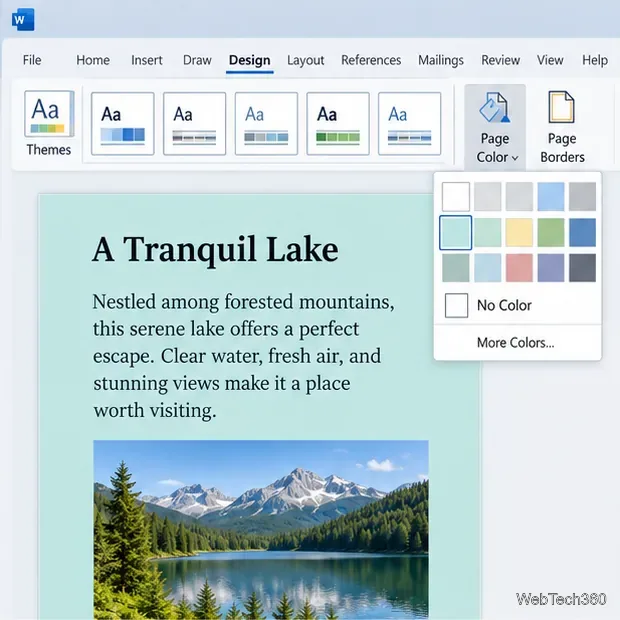
Choose a color-capable printer, enable Word’s background-print setting, and check the preview so page colors, images, and graphics print as expected.
Learn how to use WinX DVD Ripper to convert a DVD you’re entitled to copy into an MP4 file, choose the right title and destination, and troubleshoot playback problems on Windows 10 or 11.
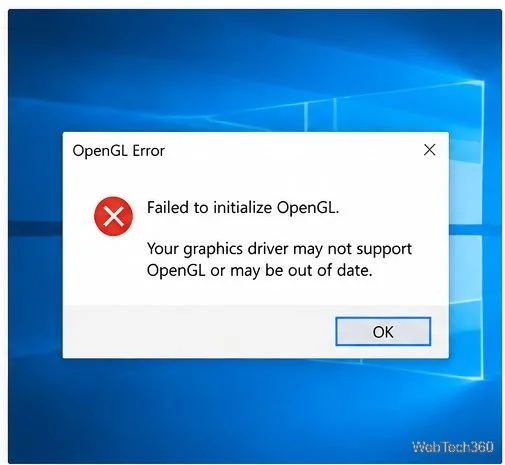
Troubleshoot OpenGL errors in Windows 10 by checking graphics drivers, repairing system files, reinstalling the affected app, and reviewing graphics settings.
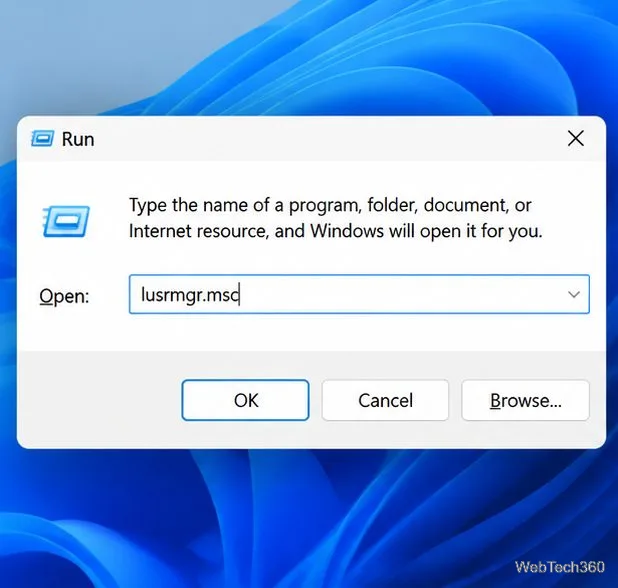
Learn when to use net user, lusrmgr.msc, and net localgroup to view, create, disable, and manage local Windows accounts safely.
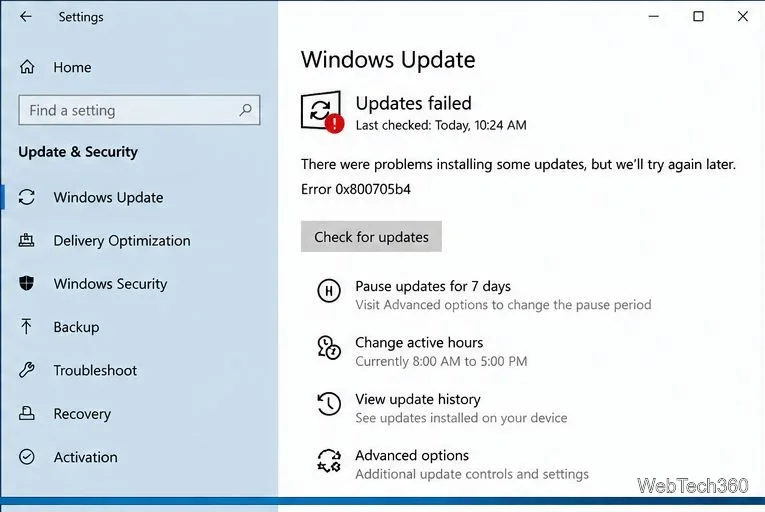
Resolve Windows Update error 0x800705b4 with practical checks for connectivity, update services, cached files, and damaged Windows system components.
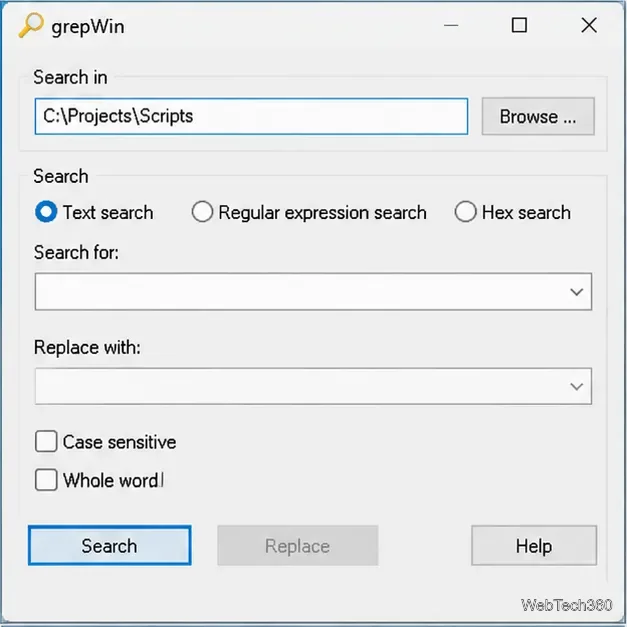
Find words or phrases across multiple text files on Windows 10 with grepWin. Learn how to choose folders, filter file types, include subfolders, and read matches safely.
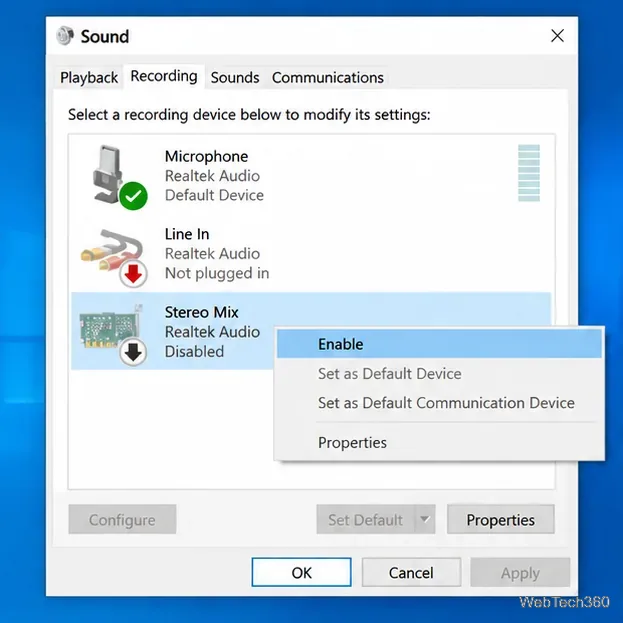
Capture your PC’s playback with FFmpeg on Windows 10. Enable Stereo Mix or use a loopback device, find its DirectShow name, and save clean audio.
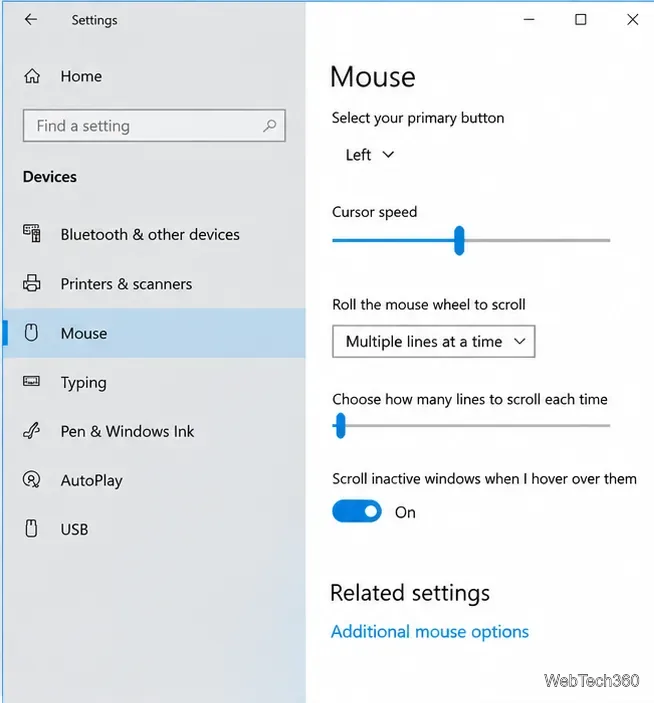
Learn how to adjust Windows 10 mouse pointer speed, change pointer precision, and set hardware DPI with a supported gaming mouse or manufacturer app.
Learn what the legacy Edge blocker registry setting does, how to set it safely, and why it will not stop updates for Microsoft Edge already installed.