How to Fix Snipping Tool Issues on Windows 11
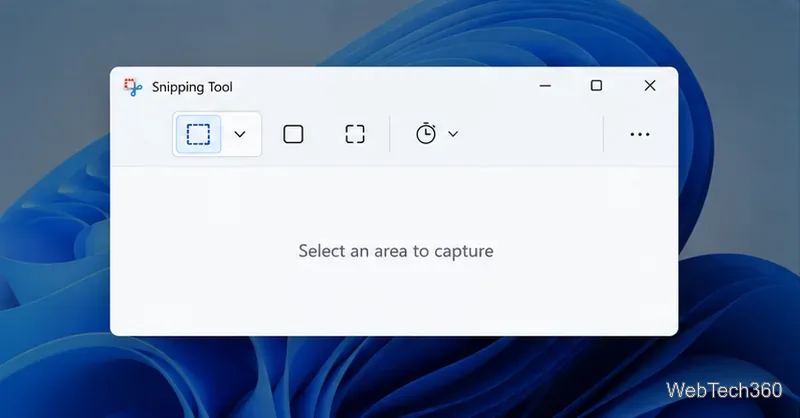
Fix common Snipping Tool problems in Windows 11 with steps to test the shortcut, update or repair the app, reinstall it, and restore missing capture notifications.
Imagine firing up your dual-monitor setup on Windows 11, only to watch your secondary screen stutter like it's stuck in slow motion. Frustrating, right? 😩 You're not alone – secondary monitor lag is a common gripe for multi-monitor users, often turning productive workflows into pixelated nightmares. But here's the good news: with a few targeted tweaks, you can banish that lag and reclaim your smooth, seamless experience. In this guide, we'll dive straight into the most effective fixes, backed by the latest system insights, to get your setup running like a dream. Stick around – by the end, you'll wonder why you ever put up with the delay!
Before we jump into fixes, a quick understanding of the culprit can make troubleshooting feel empowering. Windows 11 secondary monitor lag often stems from mismatched refresh rates, outdated graphics drivers, or resource-hogging background processes. Recent updates to Windows 11 have improved multi-monitor support, but older hardware or suboptimal settings can still cause delays in rendering on your second display. Think of it as your PC juggling too many balls – drop one, and the lag shows up on screen.
Common triggers include:
Don't worry – these are all fixable. Let's roll up our sleeves and tackle them one by one, starting with the quickest wins.
The foundation of any smooth Windows 11 dual monitor setup? Fresh graphics drivers. NVIDIA, AMD, and Intel have rolled out optimizations in their latest releases that specifically address multi-monitor performance. Skipping this step is like driving with flat tires – it'll only make things worse.
Pro Tip: After updating, restart your PC and test your secondary monitor. Many users report instant improvements – it's like giving your system a caffeine boost! ☕ If lag persists, keep reading for more targeted solutions.
Mismatched settings are a sneaky cause of secondary monitor lag. Windows 11 shines when displays are harmonized, so let's align them.
Why does this work? Higher, synced refresh rates reduce the "judder" effect, making cursor movement and video playback buttery smooth across screens. If your secondary monitor supports it, enable Adaptive Sync (like FreeSync or G-Sync) in your GPU control panel for even better results. Feeling the difference already? Great – but if not, our next step dives deeper.
Windows 11's power management is efficient, but it can sometimes prioritize battery life over display performance, leading to secondary display lag. Time to tweak it for peak output.
| Setting | How to Adjust | Why It Helps |
|---|---|---|
| Power Plan | Search for "Power & sleep settings" > Choose "High performance" plan. | Prevents CPU/GPU throttling, ensuring consistent frame rates on both monitors. |
| Hardware-Accelerated GPU Scheduling | Go to Settings > System > Display > Graphics settings > Enable it. | Offloads tasks to the GPU, reducing latency in multi-monitor scenarios (a Windows 11 highlight!). |
| USB Power Management | Device Manager > Universal Serial Bus controllers > Properties > Uncheck "Allow the computer to turn off this device." | Stops power-saving from interrupting display signals. |
These changes are low-effort but high-impact. Users who've applied them often share stories of transformed setups – no more choppy dragging across screens! 👏 If your lag feels hardware-related, check your cables next.
Sometimes, the issue isn't software – it's the physical link. Faulty cables or ports can cause intermittent Windows 11 secondary monitor lag, especially with longer HDMI runs.
A quick cable swap has saved many a setup from the recycle bin. If you're using a docking station, update its firmware too – these peripherals have come a long way in recent Windows iterations.
If lag lingers, let's go pro. Disable full-screen optimizations for apps prone to issues (right-click executable > Properties > Compatibility tab). Or, use the built-in Task Manager to end resource-heavy processes – sort by GPU usage to spot culprits.
For NVIDIA users, open the NVIDIA Control Panel and set "Manage 3D Settings" to prioritize performance. AMD's Radeon Software has similar options under Gaming > Global Graphics. These tweaks, combined with Windows 11's latest patches, can eliminate even stubborn lag.
Still stuck? Run the Display Troubleshooter: Settings > System > Troubleshoot > Other troubleshooters > Select "Hardware and Devices." It's like having a tech wizard at your fingertips.
There you have it – a roadmap to crush secondary monitor lag and unlock the full potential of your Windows 11 dual monitor paradise. Start with drivers and settings, then hardware if needed. Your productivity (and sanity) will thank you! If these steps work their magic, drop a comment below – we'd love to hear your success story. Ready to multitask like a boss? Your screens are waiting. 🎉
For more Windows tips, explore our guides on optimizing performance or troubleshooting common glitches. Stay tuned – we've got your back for all things tech!
Fix common Snipping Tool problems in Windows 11 with steps to test the shortcut, update or repair the app, reinstall it, and restore missing capture notifications.
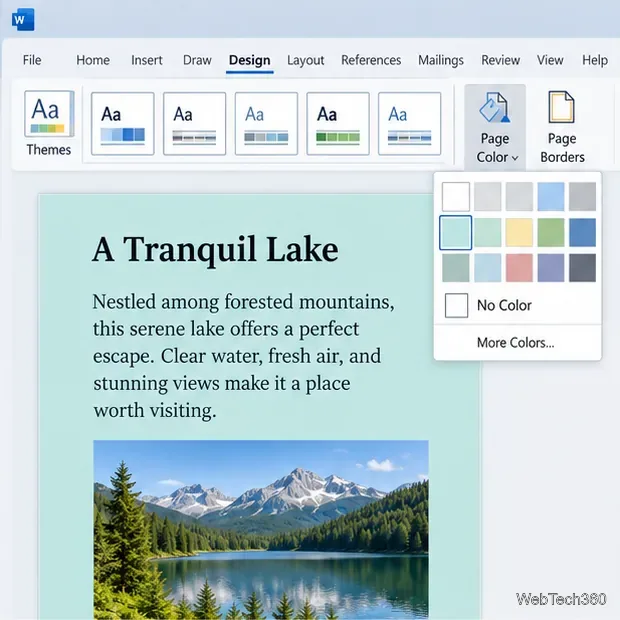
Choose a color-capable printer, enable Word’s background-print setting, and check the preview so page colors, images, and graphics print as expected.
Learn how to use WinX DVD Ripper to convert a DVD you’re entitled to copy into an MP4 file, choose the right title and destination, and troubleshoot playback problems on Windows 10 or 11.
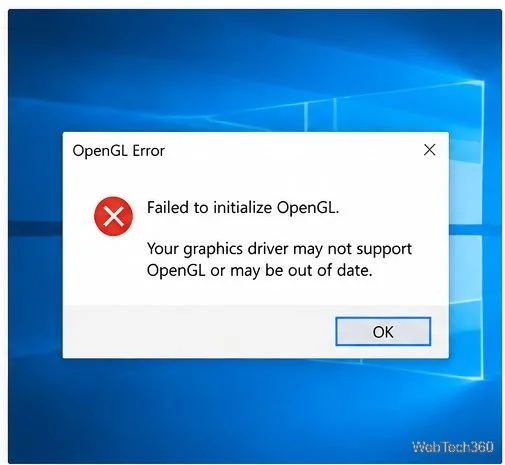
Troubleshoot OpenGL errors in Windows 10 by checking graphics drivers, repairing system files, reinstalling the affected app, and reviewing graphics settings.
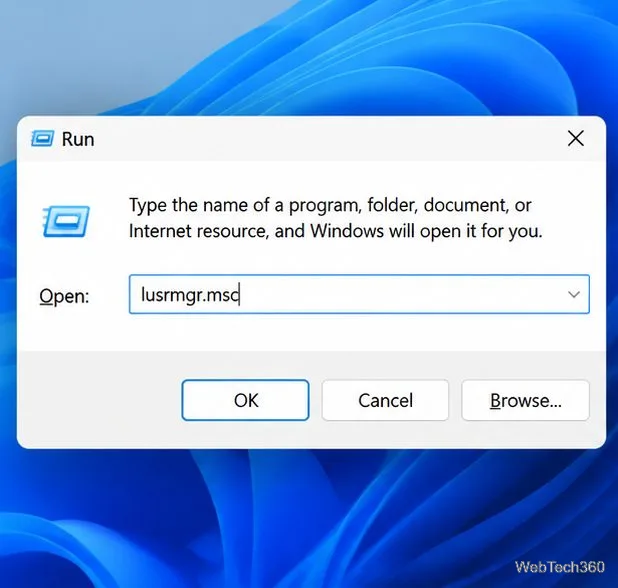
Learn when to use net user, lusrmgr.msc, and net localgroup to view, create, disable, and manage local Windows accounts safely.
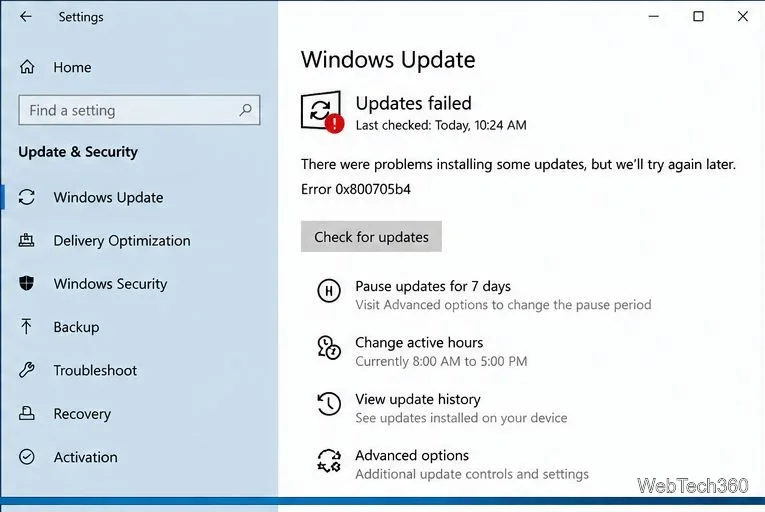
Resolve Windows Update error 0x800705b4 with practical checks for connectivity, update services, cached files, and damaged Windows system components.
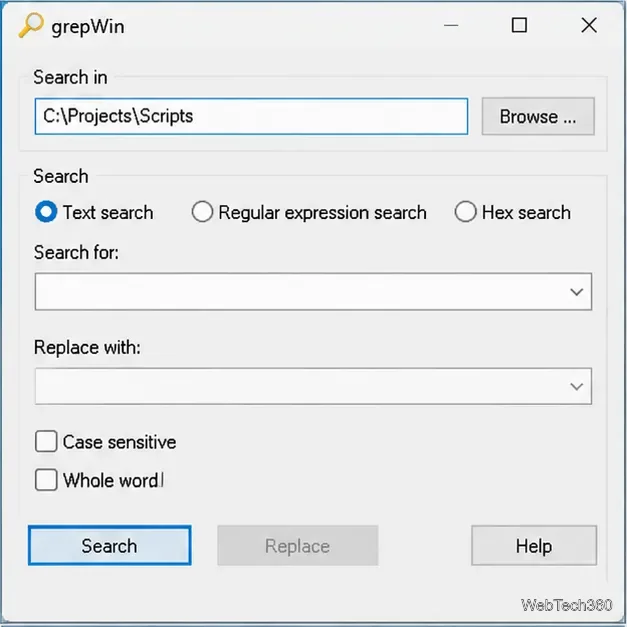
Find words or phrases across multiple text files on Windows 10 with grepWin. Learn how to choose folders, filter file types, include subfolders, and read matches safely.
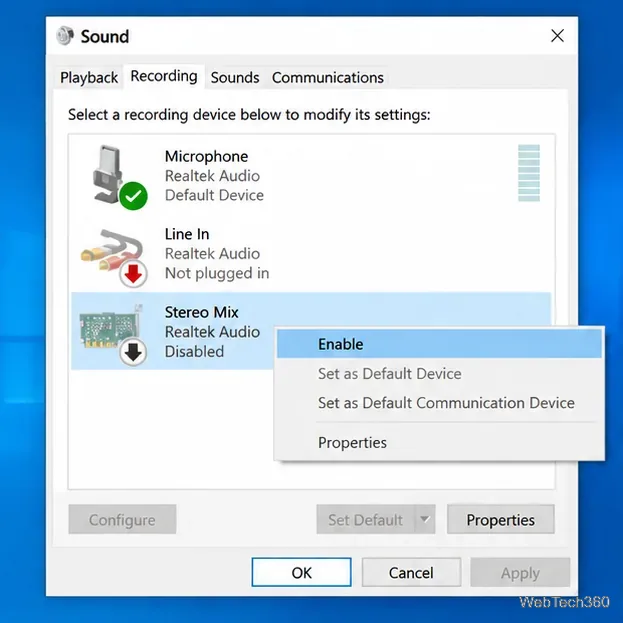
Capture your PC’s playback with FFmpeg on Windows 10. Enable Stereo Mix or use a loopback device, find its DirectShow name, and save clean audio.
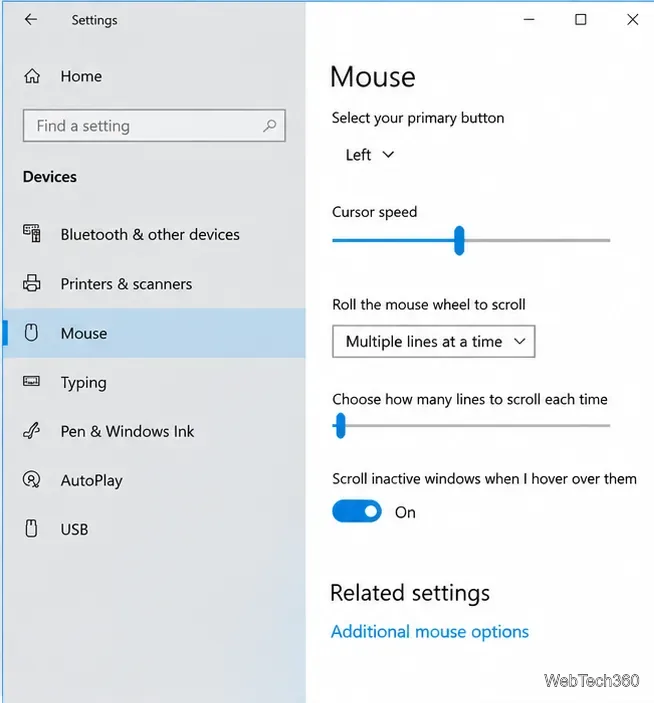
Learn how to adjust Windows 10 mouse pointer speed, change pointer precision, and set hardware DPI with a supported gaming mouse or manufacturer app.
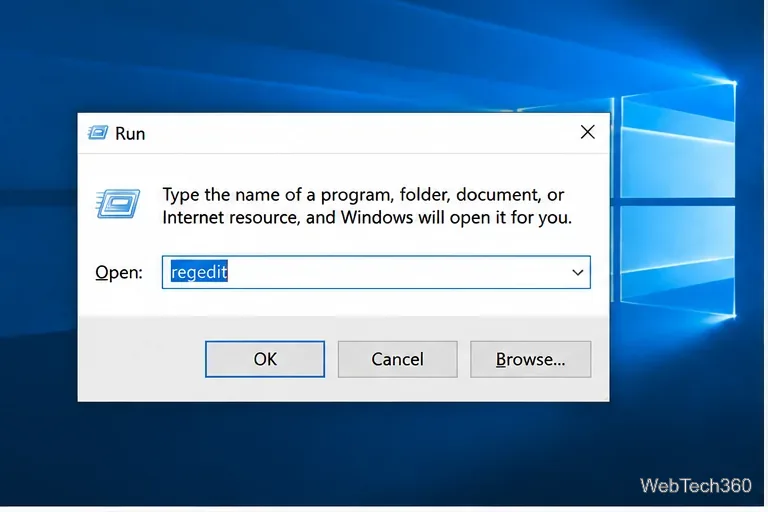
Learn what the legacy Edge blocker registry setting does, how to set it safely, and why it will not stop updates for Microsoft Edge already installed.