How to Check Hard Drive Health in Windows Server
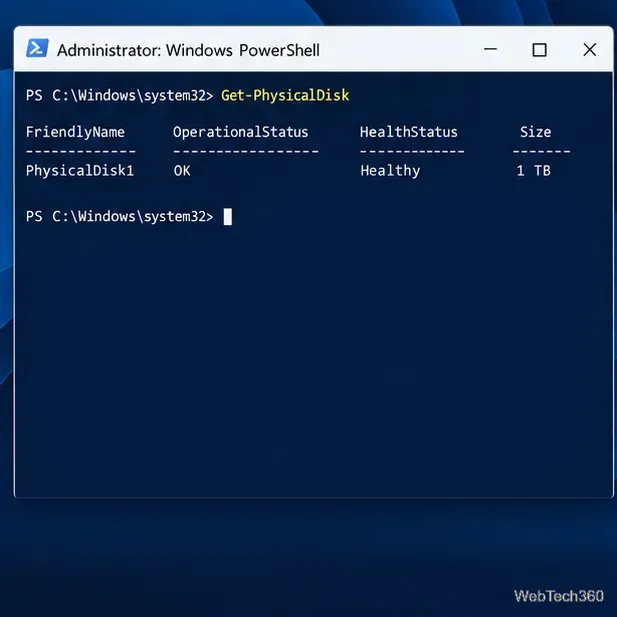
Check Windows Server disk status and reliability counters, verify SMART data when available, and separate hardware warnings from NTFS errors.
Imagine gliding your finger across your Windows 11 device's screen, only for it to freeze or ignore your taps. Frustrating, right? If you're dealing with a Windows 11 touch screen not responding, you're not alone. This common issue can disrupt your workflow on tablets, 2-in-1 laptops, or touch-enabled PCs. But don't worry—I've got your back with straightforward, effective solutions to get your touchscreen back in action. We'll dive into the root causes and step-by-step fixes, ensuring you reclaim smooth touch control without the hassle.
In this guide, we'll focus on practical troubleshooting tailored for the latest Windows 11 updates. By the end, you'll have a responsive screen and tips to prevent future glitches. Let's jump right in and fix this! 😊
Before we fix it, understanding the "why" helps. A touch screen not responding on Windows 11 often stems from driver glitches, software conflicts, hardware hiccups, or outdated calibrations. Recent Windows updates might introduce temporary bugs, but most cases are software-related and easily reversible.
Spot on? Great—now let's troubleshoot systematically. Start with the simplest fixes and escalate if needed. This approach saves time and minimizes frustration.
Sometimes, the simplest step is the most powerful. Before diving deep, rule out temporary glitches.
If these don't work, your Windows 11 touchscreen issues likely need deeper intervention. Keep reading for targeted solutions.
Drivers are the bridge between your hardware and Windows. A faulty one? Instant touch screen not responding chaos. Let's refresh them.
Step-by-Step Guide:
This fix resolves 70% of driver-related Windows 11 touch screen not responding problems. Test by opening an app like Paint and drawing with your finger. Smooth sailing? You're done! If not, onward.
Over time, touch calibration can drift, making taps register inaccurately. Recalibrating realigns everything— a must-do for precision touch.
How to Calibrate:
💡 Tip: If the tool doesn't appear, ensure touch support is enabled in Settings > Devices > Touchpad (or Pen & Windows Ink for stylus users). This step often breathes new life into finicky screens.
Windows 11's troubleshooter is like a smart mechanic—it scans and suggests fixes automatically.
Steps:
This tool is underrated and handles conflicts you might miss. If it flags something, apply the recommended actions immediately.
Third-party apps or settings tweaks can sabotage touch. Let's reset without losing data.
| Action | Steps | Why It Helps |
|---|---|---|
| Reset Windows Touch Keyboard | Settings > Time & Language > Typing > Advanced keyboard settings > Reset touch keyboard. | Clears input conflicts from custom layouts. |
| Disable/Enable Touch in Registry (Advanced) | Run regedit, navigate to HKEY_LOCAL_MACHINE\SYSTEM\CurrentControlSet\Control\MediaProperties, toggle PrivateProfile value. Restart. | Resets low-level touch policies. |
| Perform System File Check | Open Command Prompt as admin, type sfc /scannow and hit Enter. |
Repairs corrupted system files affecting touch. |
⚠️ Caution: For registry edits, back up first (File > Export in regedit). These steps target stubborn touchscreen issues Windows 11 without a full reset.
If basics fail, escalate. For hardware doubts, run Windows Memory Diagnostic (search and launch) to check for deeper issues. Or, boot into Safe Mode (hold Shift during restart) and test touch—if it works, a third-party app is the villain. Uninstall recent installs via Settings > Apps.
For BIOS-level fixes, enter your device's BIOS (usually F2/Del on boot) and ensure touch is enabled. If all else fails, consider a Windows 11 reset: Settings > System > Recovery > Reset this PC (keep files). This is a last resort but revives most systems.
🔧 Pro Tip: If you're on a Microsoft Surface or similar, visit the official support page for device-specific drivers. Microsoft Support has tailored guides.
Fixed? Awesome! Keep it that way:
dism /online /cleanup-image /restorehealth in admin Command Prompt.With these habits, your fix touch screen Windows 11 woes become a thing of the past. Touch tech should enhance your experience, not hinder it.
Congrats—you've navigated the fixes for Windows 11 touch screen not responding like a pro! Start with restarts and drivers, then calibrate and troubleshoot. Most users see results in under 10 minutes. If issues persist, it might be hardware—reach out to your device maker's support.
Got questions or a success story? Drop a comment below. Here's to seamless swipes and taps on your Windows 11 device! 🎉
Check Windows Server disk status and reliability counters, verify SMART data when available, and separate hardware warnings from NTFS errors.
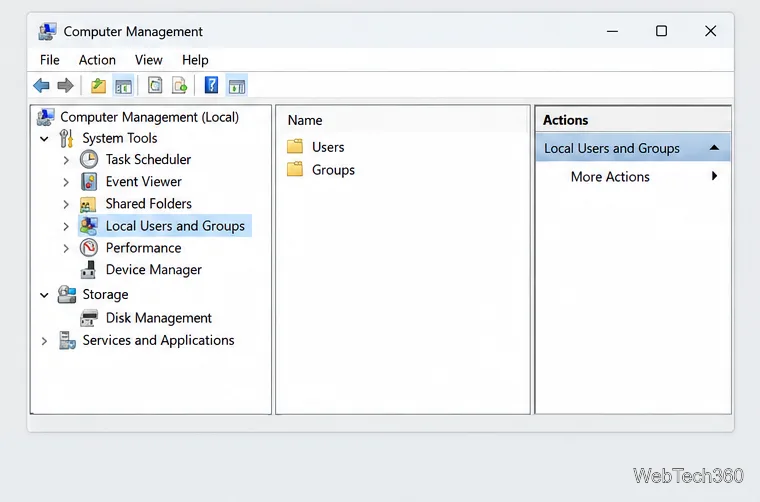
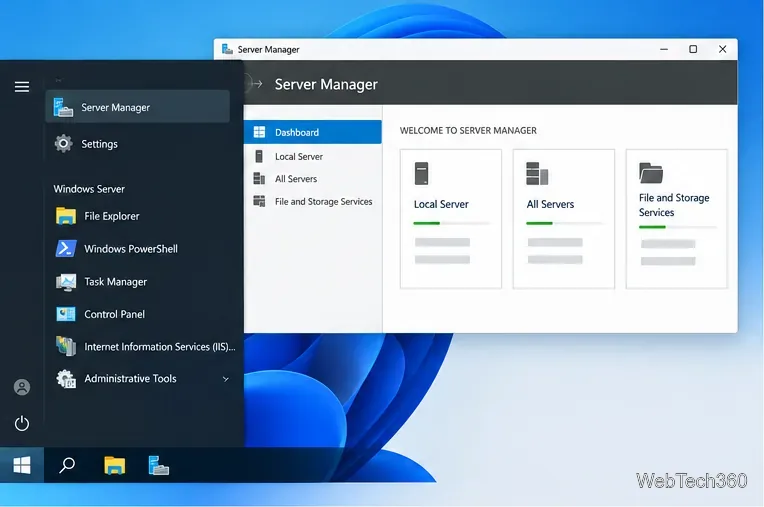
Create, grant admin rights to, disable, or remove local Windows Server users with Computer Management or PowerShell. Learn when to use Active Directory instead.
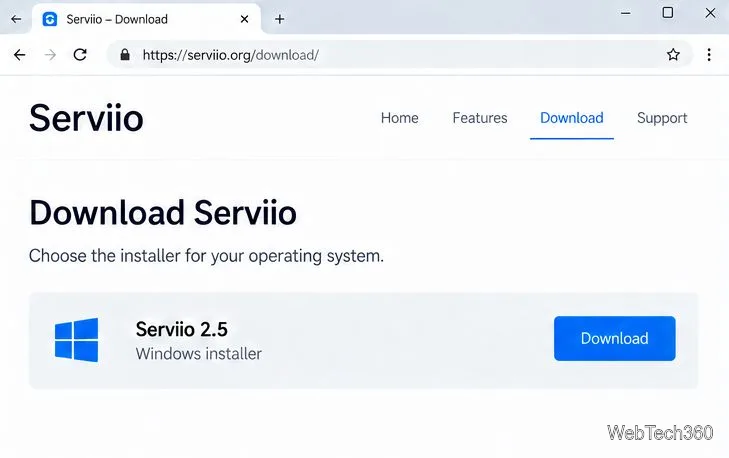
Install Serviio on Windows Server, share local or NAS media folders, and test DLNA playback. Learn how to check the Windows service, firewall, and Pro-only browser features.
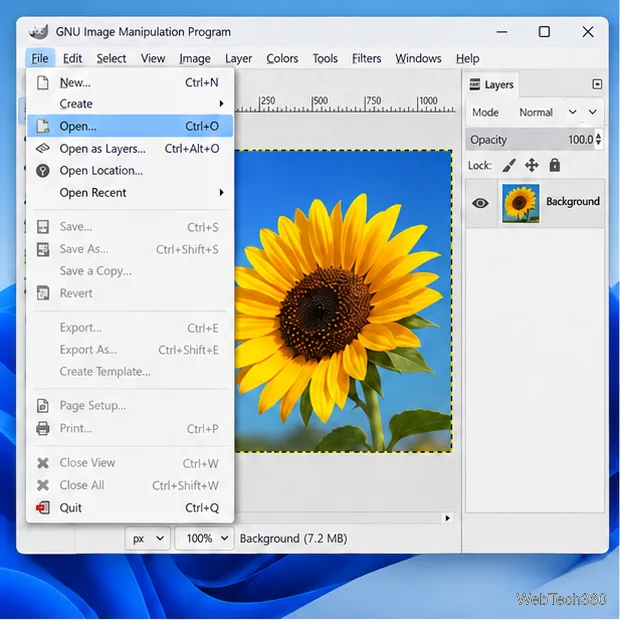
Convert PNG, JPG, or BMP files to Windows ICO with GIMP. Prepare a square image, keep transparency when needed, add standard sizes, and check the export.
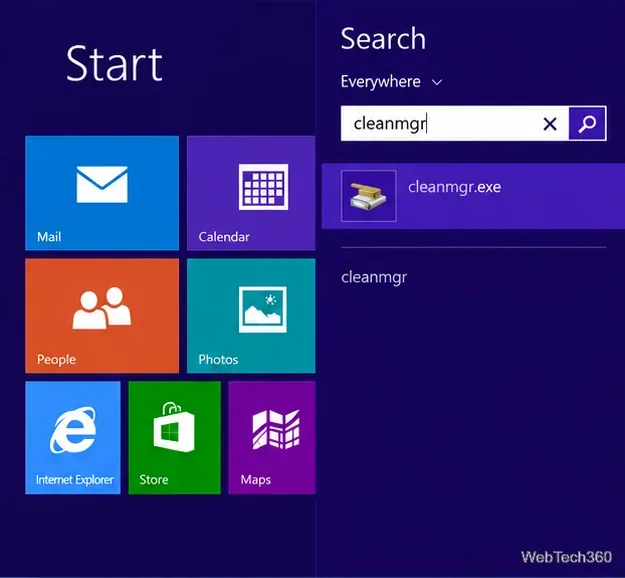
Clear thumbnail, DNS, Internet Explorer, Microsoft Store, Search, and Live Tile data with Windows 8’s built-in tools, and learn what each cleanup removes.
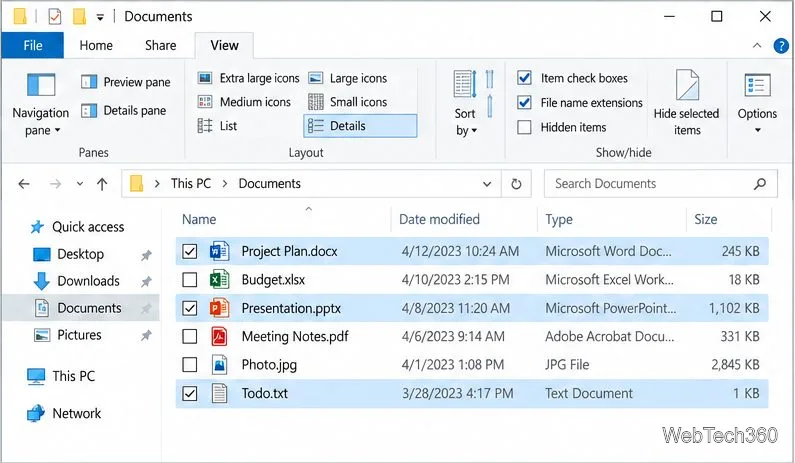
Turn off Windows 10 item check boxes in File Explorer with the View ribbon, or use Folder Options if the toggle is missing. See what changes and how to select multiple files without boxes.
Install VMware Workstation Pro on a compatible Windows Server host, from checking support and downloading the right build to creating your first VM.
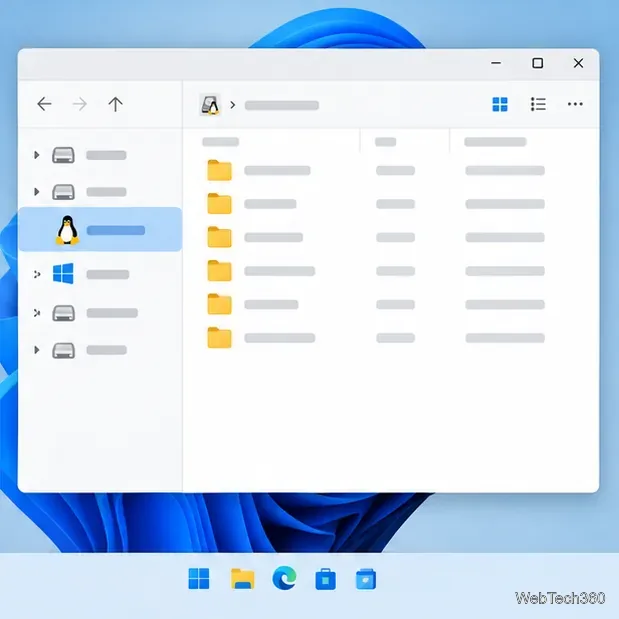
Browse and copy Ext2, Ext3, or Ext4 files on Windows with a read-only workflow. See what Linux Reader’s free edition supports and when WSL fits.
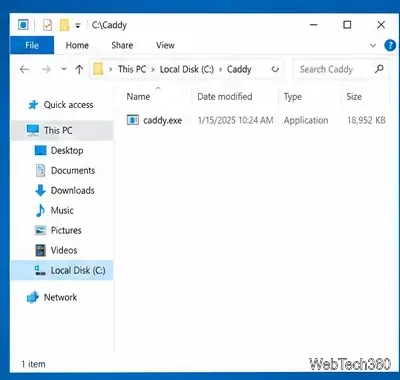
Install Caddy’s native Windows binary, serve a test site, enable automatic HTTPS for a domain, and run Caddy as a Windows Server service.
Run Linux Docker containers alongside Windows Server by creating an Ubuntu Hyper-V VM, installing Docker Engine, and publishing a test service safely.