How to Fix Snipping Tool Issues on Windows 11
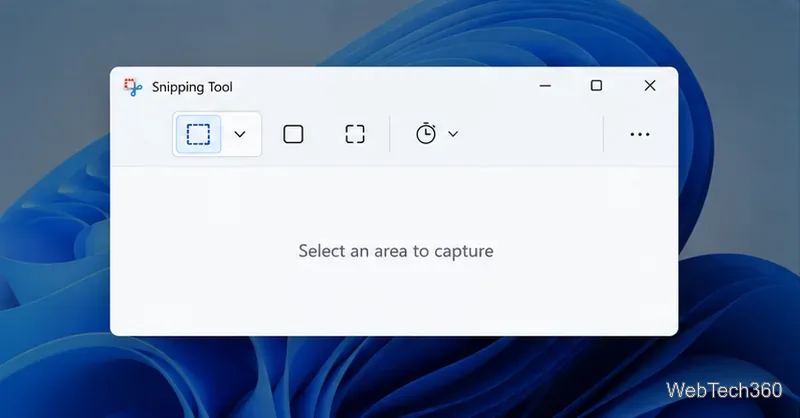
Fix common Snipping Tool problems in Windows 11 with steps to test the shortcut, update or repair the app, reinstall it, and restore missing capture notifications.
Is your Windows Defender refusing to turn on in Windows 11? Don't panic! This built-in security powerhouse keeps your PC safe from threats, but glitches can disable it. Whether it's a recent update, conflicting software, or a simple misconfiguration, we've got you covered with straightforward solutions. Follow these steps to get Windows Defender not turning on issue fixed quickly and regain peace of mind. Let's dive in and secure your system today! 😊
Before we jump into fixes, understanding the root causes can save you time. Common culprits include:
Recognizing these helps you target the problem efficiently. Now, let's roll up our sleeves and fix it step by step. Stick with us—these methods are tested and reliable for the latest Windows 11 builds.
Start with the simplest steps. These often resolve Windows Defender not turning on without advanced tools. Grab a coffee and let's begin! ☕
A simple reboot can clear temporary glitches. After restarting:
Why it works: Updates often include fixes for Windows Security bugs. If this doesn't help, move on—no worries, we've got more tricks up our sleeve!
Sometimes, the toggle is just stuck. Here's how to flip it back on:
Pro tip: If you see a message about another antivirus, uninstall it via Settings > Apps > Installed apps. This clears the path for Windows Defender to shine. 🎉

If Windows Defender is still playing hard to get, time for deeper dives. These methods target services and system integrity—don't worry, we'll guide you safely.
Windows 11 has a built-in wizard for this exact issue:
This tool is like a smart mechanic for your security system. If it flags issues, apply the fixes and test by scanning a file in Windows Security. Feeling empowered yet? Keep going!
Services power Windows Defender. If they're idle, wake them up:
services.msc, and hit Enter.Restart your PC afterward. This often revives real-time protection. Heads up: If services won't start, check for errors in the Event Viewer (search for it in Start) for clues.
Corrupted files? No problem—use these command-line heroes:
sfc /scannow (wait for it to finish).DISM /Online /Cleanup-Image /RestoreHealth.These commands scan and fix core files. They're safe and essential for fix Windows 11 Defender issues. Pat yourself on the back—this is pro-level stuff! 👏
For stubborn cases of enable Windows Defender Windows 11, tweak policies. Caution: Back up your system first (use Settings > Update & Security > Backup).
If you're on Windows 11 Pro or higher:
gpedit.msc, and Enter.gpupdate /force in Terminal (Admin).This unlocks Windows Defender. Test by opening Windows Security—it should activate now!
For a fresh start:
Set-MpPreference -DisableRealtimeMonitoring $false.Start-MpWDOScan to test.If needed, reset fully with: Get-AppxPackage Microsoft.SecHealthUI -AllUsers | Foreach {Add-AppxPackage -DisableDevelopmentMode -Register "$($_.InstallLocation)\AppXManifest.xml"}. Boom—troubleshoot Windows Security complete!
Fixed it? Great! Now, let's ensure Microsoft Defender issues don't return:
For more details on policies, check Microsoft's official guide: Troubleshoot Microsoft Defender Antivirus.
If none of these work, it might be malware or a deeper OS issue. Run a full scan with Windows Defender (once enabled) or use the Microsoft Safety Scanner. For persistent problems, consider a system reset via Settings > System > Recovery > Reset this PC (keep files if possible).
Congratulations—you've tackled Windows Defender not turning on like a boss! Your PC is now fortified. Share your success in the comments below or bookmark this for later. Stay secure out there! 🔒
| Error Message | Quick Fix |
|---|---|
| "This setting is managed by your administrator" | Check Group Policy (Step 6) |
| "Real-time protection turned off" | Restart Services (Step 4) |
| Service won't start | Run SFC/DISM (Step 5) |
Fix common Snipping Tool problems in Windows 11 with steps to test the shortcut, update or repair the app, reinstall it, and restore missing capture notifications.
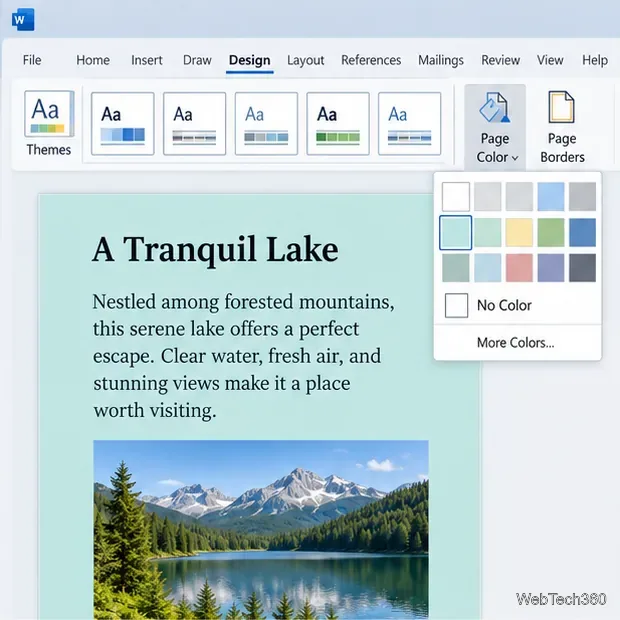
Choose a color-capable printer, enable Word’s background-print setting, and check the preview so page colors, images, and graphics print as expected.
Learn how to use WinX DVD Ripper to convert a DVD you’re entitled to copy into an MP4 file, choose the right title and destination, and troubleshoot playback problems on Windows 10 or 11.
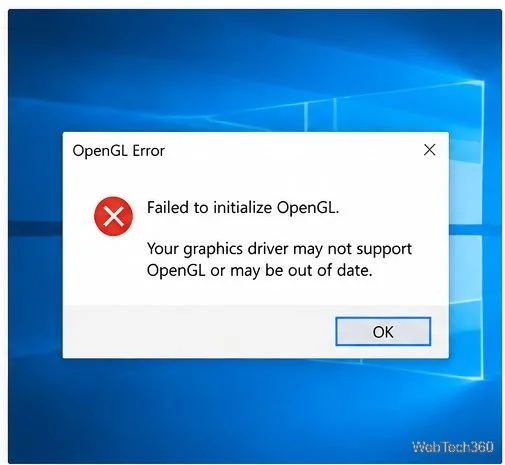
Troubleshoot OpenGL errors in Windows 10 by checking graphics drivers, repairing system files, reinstalling the affected app, and reviewing graphics settings.
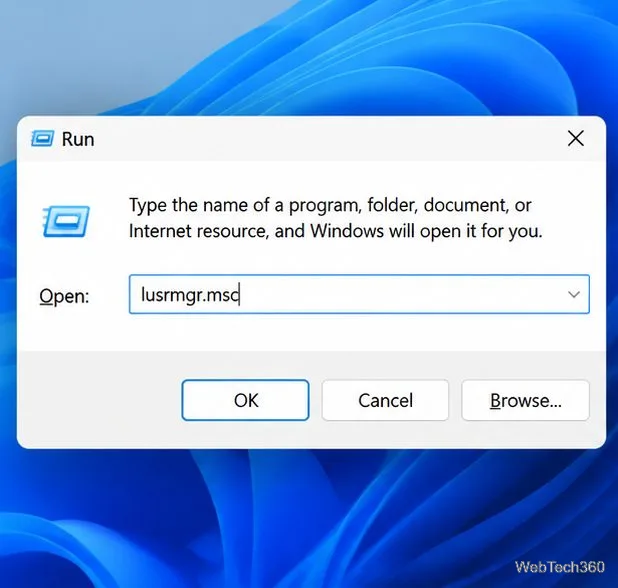
Learn when to use net user, lusrmgr.msc, and net localgroup to view, create, disable, and manage local Windows accounts safely.
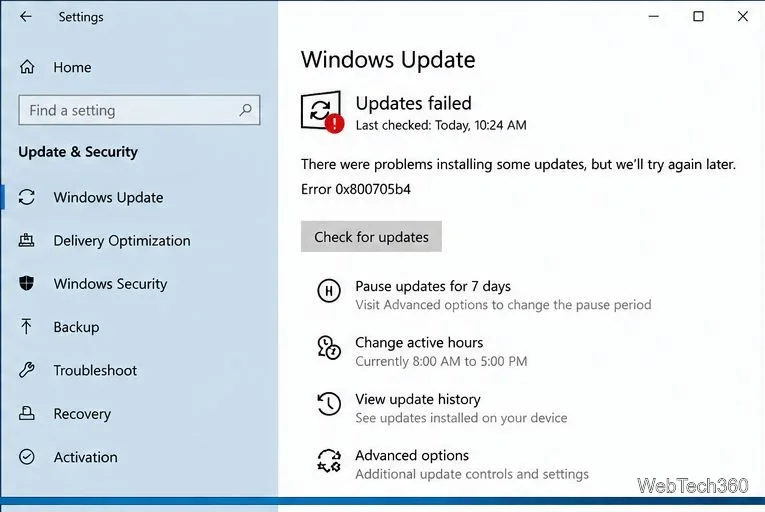
Resolve Windows Update error 0x800705b4 with practical checks for connectivity, update services, cached files, and damaged Windows system components.
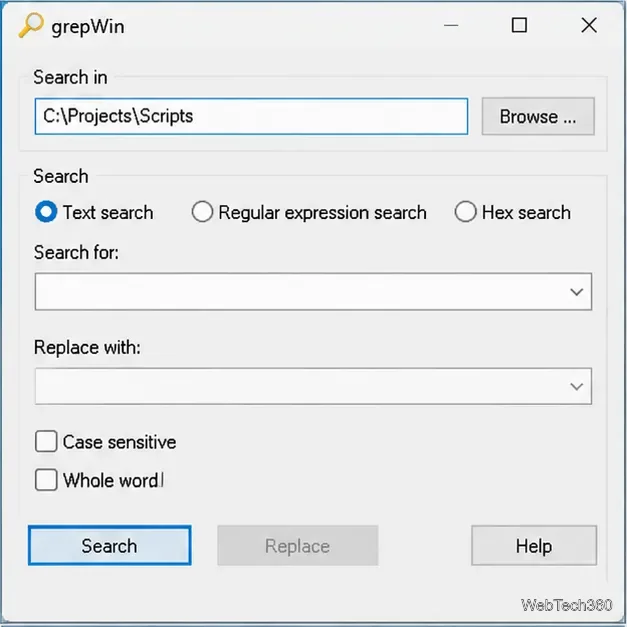
Find words or phrases across multiple text files on Windows 10 with grepWin. Learn how to choose folders, filter file types, include subfolders, and read matches safely.
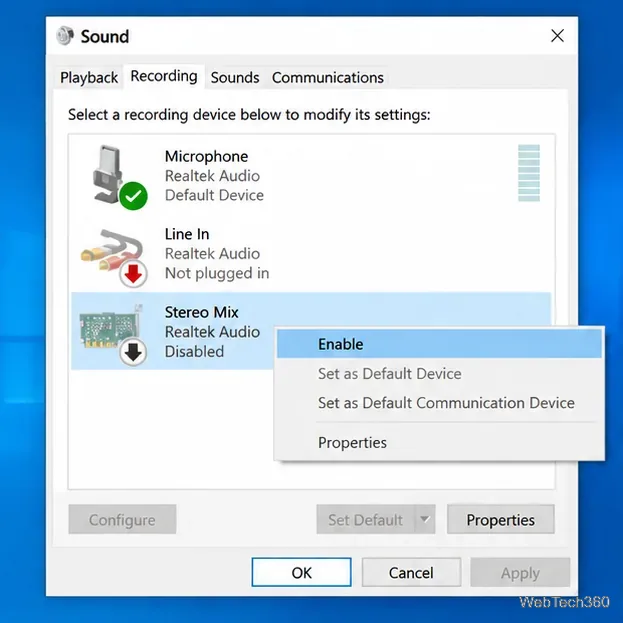
Capture your PC’s playback with FFmpeg on Windows 10. Enable Stereo Mix or use a loopback device, find its DirectShow name, and save clean audio.
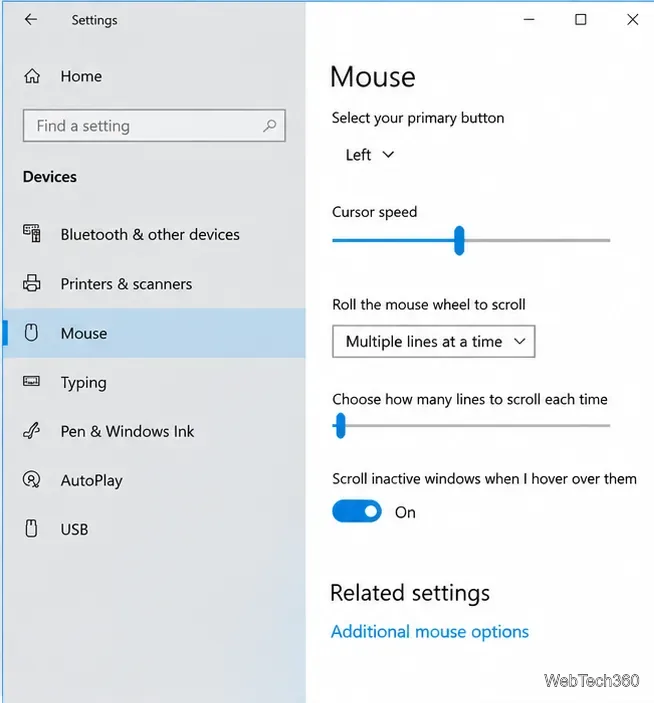
Learn how to adjust Windows 10 mouse pointer speed, change pointer precision, and set hardware DPI with a supported gaming mouse or manufacturer app.
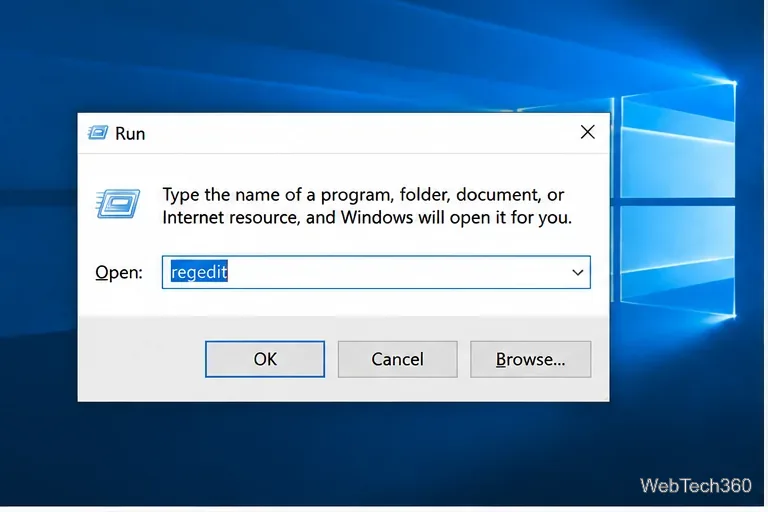
Learn what the legacy Edge blocker registry setting does, how to set it safely, and why it will not stop updates for Microsoft Edge already installed.