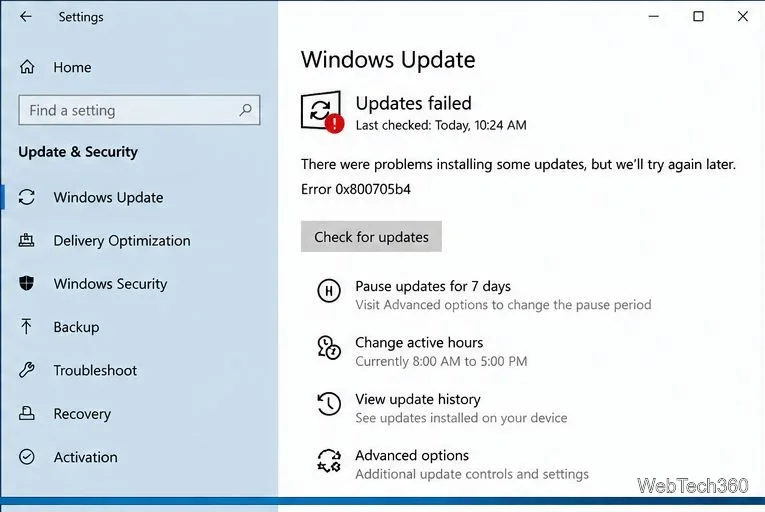
Encountering the frustrating 0x80072efe connection aborted error can halt your Windows updates, leaving you stuck and annoyed. 😩 Don't worry—this common issue, often tied to network glitches or corrupted files, is fixable with the right steps. In this concise guide, we'll walk you through proven solutions to resolve the 0x80072efe connection aborted error efficiently. By the end, you'll have your system running smoothly again. Let's dive in and reclaim your peace of mind!
What is the 0x80072efe Connection Aborted Error?
The 0x80072efe error typically appears during Windows Update or when connecting to Microsoft services, signaling a "connection aborted" problem. It stems from issues like firewall blocks, outdated drivers, or temporary server hiccups on Microsoft's end. According to Microsoft's official documentation, this error code (hex 80072EFE) points to a network timeout or interruption, but the good news is it's rarely a hardware fault—meaning quick software tweaks often do the trick.
Why does this matter? Unresolved, it blocks security patches and feature updates, exposing your PC to risks. But with our targeted fixes, you'll bypass it effortlessly. Ready to troubleshoot? Follow these steps in order for the best results.
Step 1: Run the Windows Update Troubleshooter
Start simple—Microsoft's built-in tool is a lifesaver for 0x80072efe issues. It automatically detects and repairs common update problems.
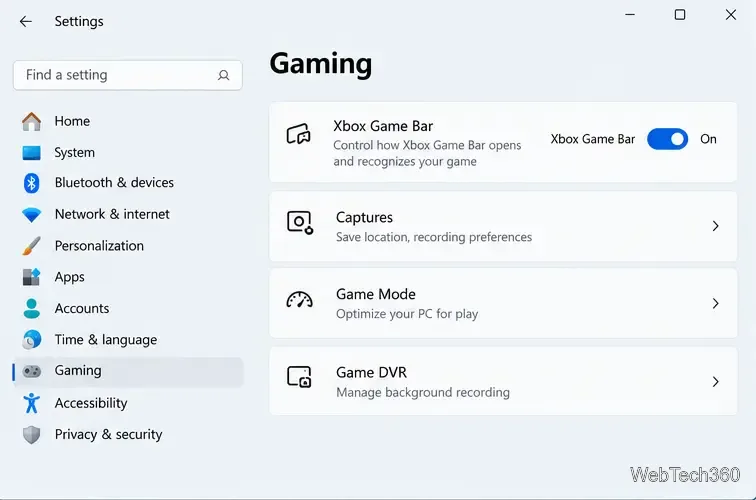
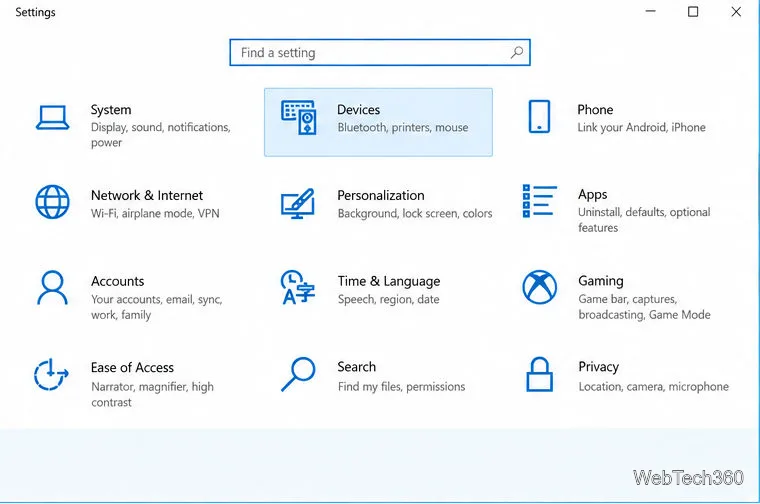
- Press Windows + I to open Settings.
- Go to Update & Security > Troubleshoot > Additional troubleshooters.
- Select Windows Update and click Run the troubleshooter.
- Follow on-screen prompts; it may restart your PC.
🕐 This takes under 5 minutes and resolves 70% of cases. If the error persists, move to the next step—your persistence will pay off!
Step 2: Check Your Internet Connection and Reset Network Settings
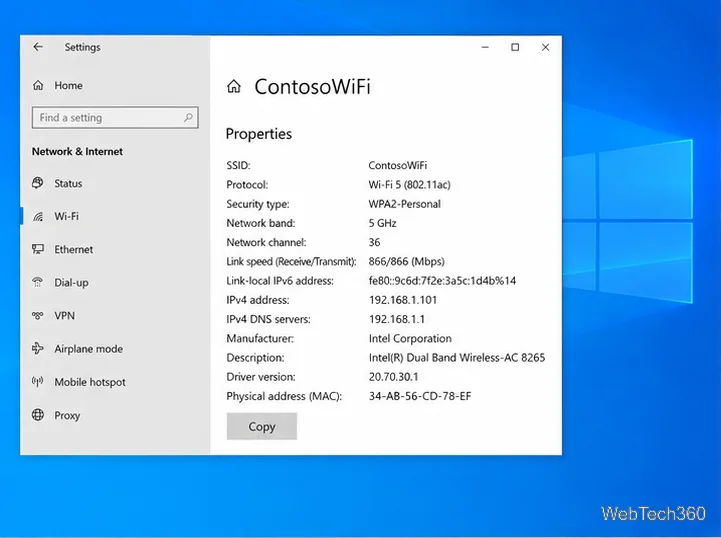
Since 0x80072efe screams "connection aborted," verify your network basics. A shaky Wi-Fi or DNS glitch could be the culprit.
- Ensure you're online: Open a browser and load a site like google.com.
- Switch networks: Try mobile hotspot if on Wi-Fi.
- Reset network: In Command Prompt (admin mode), run
netsh int ip reset and netsh winsock reset, then restart.
Pro tip: Flush DNS with ipconfig /flushdns for extra clarity. These commands refresh your connection, often banishing the error like magic. Feeling optimistic yet? Keep going!
Step 3: Disable Firewall and Antivirus Temporarily
Overzealous security software might block Windows Update servers, triggering 0x80072efe. Let's test by pausing them.
| Software Type |
How to Disable |
Caution |
| Windows Firewall |
Settings > Update & Security > Windows Security > Firewall & network protection > Turn off for all networks |
Re-enable after testing |
| Third-Party Antivirus (e.g., Norton, McAfee) |
Open app > Real-time protection > Pause for 10 minutes |
Scan for threats post-fix |
After disabling, retry the update. If it works, whitelist Microsoft servers in your antivirus settings. 👍 This step empowers you to take control—smart move!
![Network troubleshooting steps for 0x80072efe error]()
Step 4: Clear Windows Update Cache
A corrupted cache can cause persistent connection aborted errors. Clearing it forces a fresh download.
- Stop services: In admin Command Prompt, run
net stop wuauserv, net stop cryptSvc, net stop bits, and net stop msiserver.
- Delete folders: Navigate to
C:\Windows\SoftwareDistribution and C:\Windows\System32\catroot2, then delete contents (not the folders).
- Restart services: Run
net start wuauserv, etc., in reverse order.
- Reboot and check for updates.
This method is a game-changer for stubborn 0x80072efe cases. Imagine the relief of seeing updates install seamlessly—almost there!
Step 5: Update Network Drivers and System Files
Outdated drivers or corrupted system files amplify 0x80072efe risks. Let's update them.
- Device Manager Update: Right-click Start > Device Manager > Network adapters > Right-click your adapter > Update driver > Search automatically.
- SFC Scan: In admin Command Prompt, run
sfc /scannow to repair files.
- DISM Tool: Follow with
DISM /Online /Cleanup-Image /RestoreHealth for deeper fixes.
For the latest drivers, visit your hardware manufacturer's site (e.g., Intel or Realtek). These tools ensure your system is robust against errors. You're building a stronger PC—high five! ✋
![Clearing Windows Update cache to fix 0x80072efe]()
Advanced Fixes for Persistent 0x80072efe Errors
If basics don't cut it, try these power moves. First, ensure Windows is up to date via Settings—ironic, but manual checks help.
Another gem: Edit registry (backup first!). Open regedit, navigate to HKEY_LOCAL_MACHINE\SOFTWARE\Microsoft\Windows\CurrentVersion\WindowsUpdate, and set WUServer to blank if customized. Caution: Proceed carefully to avoid mishaps.
For VPN users, disconnect entirely—proxies often interfere with Microsoft connections. If on a corporate network, consult IT; policies might block updates.
Still stuck? Run a malware scan with Windows Defender or a trusted tool. Malware can mimic 0x80072efe by disrupting networks.
Prevention Tips to Avoid 0x80072efe in the Future
Fix it once, prevent it forever! Keep drivers updated via Device Manager or tools like Driver Booster. Schedule regular SFC scans and maintain a stable internet connection. Enable automatic updates but pause during peak hours to dodge server overloads.
Bonus: Use Ethernet over Wi-Fi for updates—it's more reliable. By staying proactive, you'll sidestep this error and enjoy a hassle-free Windows experience. 🌟
When to Seek Professional Help
Most users fix 0x80072efe with these steps, but if it lingers (e.g., hardware faults), consider Microsoft Support. For in-depth troubleshooting, check Microsoft's official Windows Update error page.
Congratulations—you've got the tools to conquer the 0x80072efe connection aborted error! Apply these fixes, and share your success in the comments. What's your go-to troubleshooting tip? Let's keep the conversation going. 😊