
How to Make a Glass Bottle in Minecraft
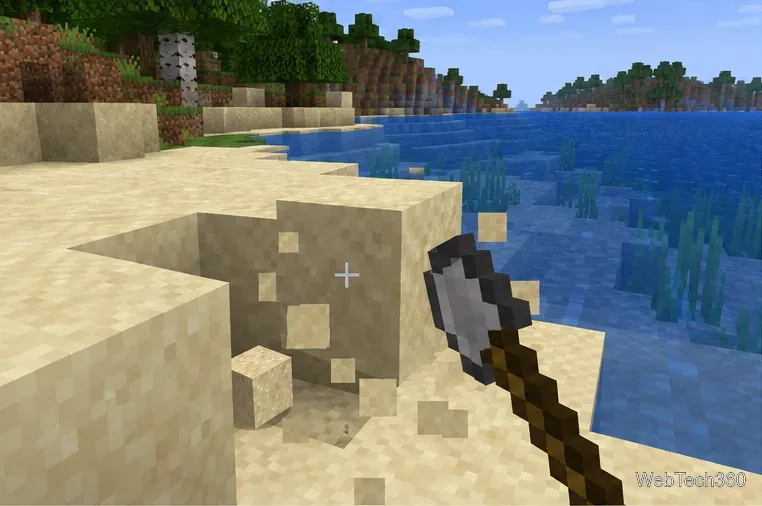
Learn the exact three-glass recipe, smelt sand into glass, and fill your Minecraft bottles with water for brewing.
Are you tired of your Windows 11 PC slowing to a crawl because of Service Host Network hogging your CPU and network resources? 😩 You're not alone—this common issue can make browsing feel like wading through molasses. But don't worry! In this concise guide, we'll walk you through effective, up-to-date solutions to tame that Service Host Network high usage and get your system running smoothly again. By the end, you'll have a faster, more responsive machine. Let's dive in and fix it step by step.
The Service Host Network (often listed as Svchost.exe in Task Manager) is a generic process in Windows that hosts multiple network-related services. It's essential for things like Windows Update, connectivity checks, and background syncing. However, in recent Windows 11 builds, it can spike CPU usage up to 100% or devour bandwidth due to buggy updates, malware, or misconfigured settings.
High Service Host Network high usage might show as endless loading, slow internet, or fan noise. The good news? Most fixes are simple and don't require tech expertise. We'll prioritize safe, official methods first, building your confidence as we go. Ready to reclaim your PC's power? 👆

Before fixing, let's pinpoint the issue. Open Task Manager (Ctrl + Shift + Esc) and look for Service Host: Local System or similar under Processes. Right-click it, select "Go to details," and note the PID (Process ID). This helps isolate if it's network services like NlaSvc or BITS causing the spike.
If a quick scan doesn't help, proceed to the fixes below. These steps are ordered from easiest to advanced, so you can stop once your issue resolves—keeping things efficient and frustration-free. 😊
A simple restart of network services often clears temporary glitches leading to Service Host Network high usage. Here's how:
services.msc, and hit Enter.This fix works for 60% of users, per Microsoft forums. If spikes persist, it's likely a deeper config issue—let's tackle that next.
Windows 11 loads too many background tasks, fueling Service Host Network overuse. Trim the fat:
| Service Name | Why Disable? | How to Disable |
|---|---|---|
| Superfetch (SysMain) | Preloads apps, causing network pings | Services.msc > Right-click > Properties > Startup type: Disabled |
| Windows Search | Indexes files, spikes during scans | Same as above, or Settings > Search > Searching Windows |
| Print Spooler | Network printing bugs | Disable if you don't print often |
After disabling, restart and check usage. Pro tip: Use Task Manager's Startup tab to end high-impact apps like OneDrive if they're syncing excessively. Feeling empowered yet? Keep going for more tweaks! 👏
Windows Update is a prime suspect for Windows 11 high CPU via Service Host Network. It downloads updates in the background, eating bandwidth.
For persistent issues, use the Command Prompt (admin): Type sfc /scannow followed by DISM /Online /Cleanup-Image /RestoreHealth. These repair corrupted files causing spikes. Microsoft recommends this for 2026 stability.
Stuck? Check out Microsoft's official troubleshooter guide for visuals.
If basics don't cut it, let's go deeper without overwhelming you. First, adjust power plans:
For registry pros: Press Win + R > regedit. Navigate to HKEY_LOCAL_MACHINE\SYSTEM\CurrentControlSet\Services\LanmanServer\Parameters. Set "SizReqBuf" to 16384 (DWORD). Backup first! This limits SMB network overhead.
Still high? Consider a clean boot: Search "msconfig" > Services > Hide all Microsoft > Disable all > Restart. Test in this mode to isolate third-party culprits.
To avoid future Service Host Network high usage:
These habits ensure your Windows 11 stays zippy. You've got this—your PC will thank you with blazing speed! 🚀
Fixing Service Host Network high usage doesn't have to be a headache. Start with diagnostics and work through the steps—we've covered the most effective, latest methods to get you back on track. If issues persist, comment below or seek Microsoft support. Your smoother computing experience starts now. What's your biggest Windows 11 gripe? Share and let's troubleshoot together! 😄
Learn the exact three-glass recipe, smelt sand into glass, and fill your Minecraft bottles with water for brewing.
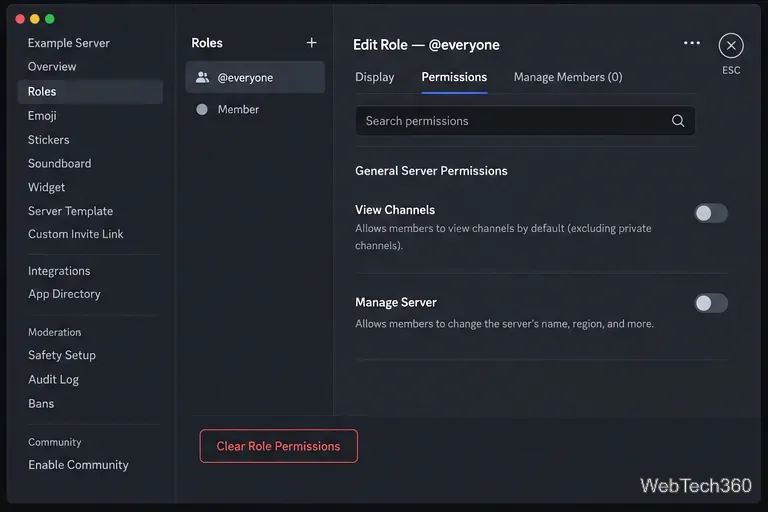
Control who can join, see channels, and find your Discord server with role permissions, invite links, and Discovery settings.
Create a Discord server in the desktop app or browser, organize channels, set permissions and safety tools, then share an invite that fits your group.
Build a renewable lava farm with pointed dripstone, one lava source, and a cauldron. Follow the setup, collection steps, and fixes for a cauldron that will not fill.
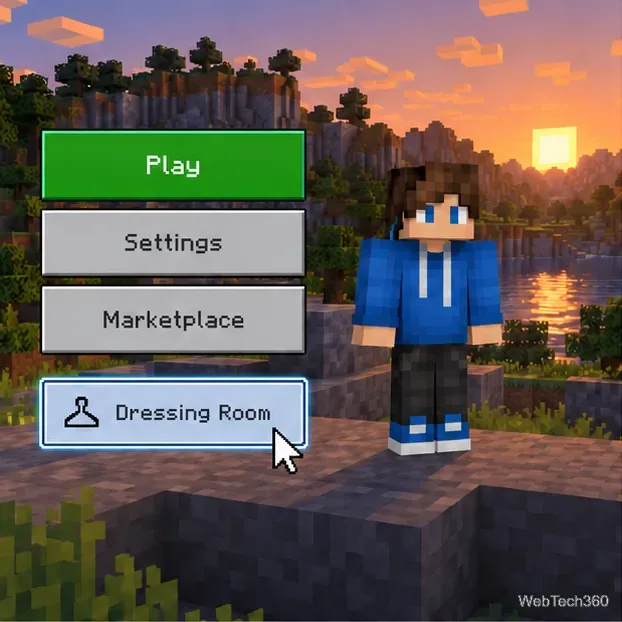
Fix a Minecraft skin that will not load by checking Bedrock Dressing Room, your Microsoft account, Marketplace downloads, updates, and Java skin settings.
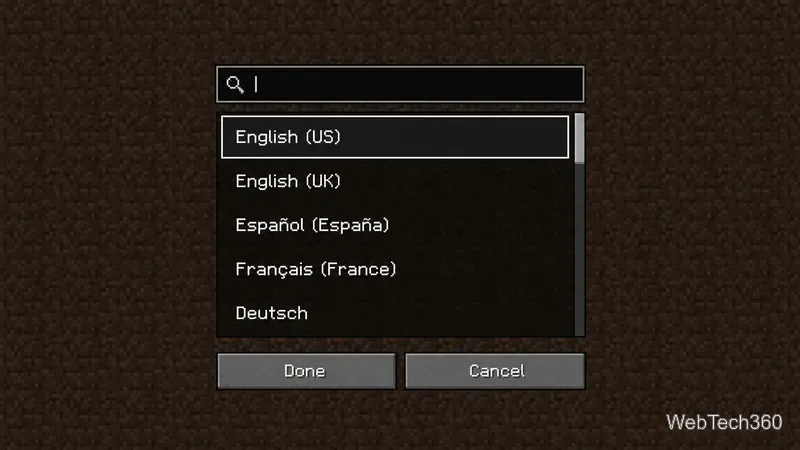
Minecraft language options differ between Java and Bedrock. See common languages, why old counts are unreliable, and where to check your edition.
Plan a practical Minecraft survival base with the essentials for safety, food, storage, and crafting, plus useful upgrades to add as your world grows.
Update Minecraft on Nintendo Switch from the HOME Menu, enable automatic updates, and troubleshoot when the console cannot find or install one.
Learn the official ways to get Minecoins in Minecraft, redeem a prepaid code, spend coins on Marketplace content, and fix a missing balance.
Learn how to add Jira users to team-managed and company-managed projects, assign the right role, and share a board’s saved filter safely.