How to Make a Glass Bottle in Minecraft
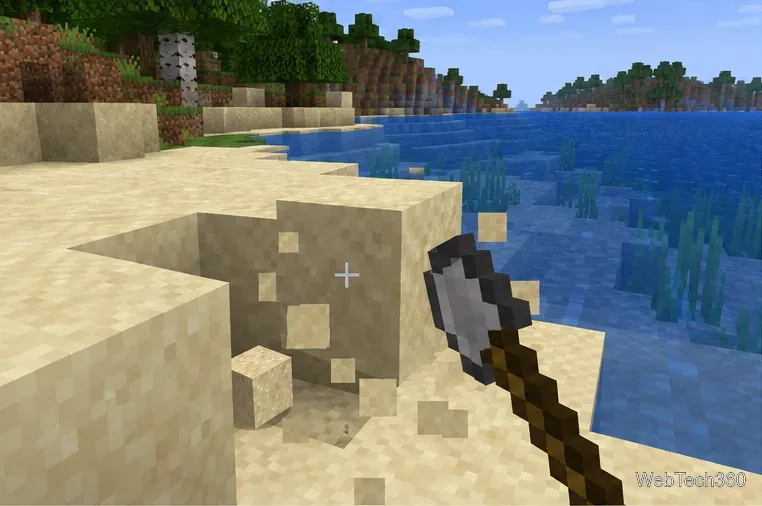
Learn the exact three-glass recipe, smelt sand into glass, and fill your Minecraft bottles with water for brewing.
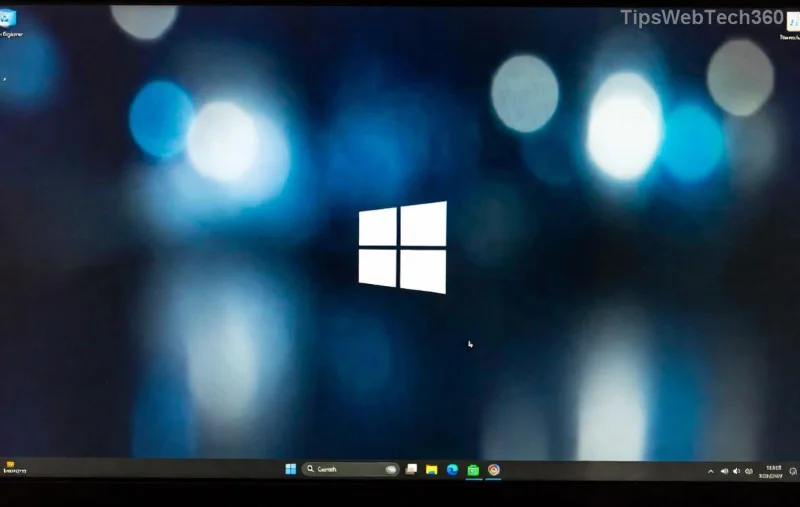
Is your Windows 11 PC feeling sluggish, crashing unexpectedly, or not playing nice with your favorite peripherals? You're not alone! Outdated drivers are often the silent culprits behind these frustrations. The good news? Updating all drivers in Windows 11 at once is simpler than you think, and it can breathe new life into your system. In this concise guide, we'll walk you through proven methods to update all drivers in Windows 11 at once, ensuring your device runs smoothly and efficiently. Let's dive in and get your PC back to peak performance – you'll feel the difference immediately! 😊
Drivers are the essential software bridges connecting your hardware to the operating system. In Windows 11, keeping them up to date isn't just a tech chore – it's a game-changer. Here's why prioritizing a full driver update in Windows 11 matters:
Imagine firing up your PC and everything just works – no more troubleshooting headaches. Ready to make it happen? We'll start with the easiest, built-in options and move to advanced techniques. Stick around; by the end, you'll be a pro at maintaining your system! ⭐
The simplest way to update all drivers in Windows 11 at once is through the native Windows Update tool. Microsoft has integrated driver updates into its core system, making it a hands-off approach. This method scans for and installs available updates automatically, covering essentials like graphics, audio, and network drivers.
Step-by-Step Guide:
Pro Tip: Enable automatic updates in Settings > Windows Update > Advanced options to keep drivers fresh without manual checks. This is ideal for beginners – it's safe, free, and handles most common updates effortlessly. But what if Windows misses something? Don't worry; our next methods fill the gaps! 👍

For more control, Device Manager lets you target specific drivers or update them all in one go. It's a powerful built-in tool in Windows 11 that lists every hardware component and its driver status.
How to Access and Use Device Manager:
This method shines when you need precision, like updating a specific GPU driver for better gaming. However, manually updating dozens of drivers can be time-consuming. If you're dealing with a full system refresh, keep reading for faster alternatives that update all drivers in Windows 11 at once without the hassle.
Want to update all drivers in Windows 11 at once with minimal effort? Third-party software automates the process, scanning your system deeply and pulling updates from manufacturer sites beyond Microsoft's reach. These tools are user-friendly and often include extras like backups and optimization.
Recommended Tools (Based on Latest 2026 Compatibility):
| Tool | Key Features | Pros | Cons |
|---|---|---|---|
| Driver Booster (by IObit) | One-click updates, game optimization, backup/restore | Extensive database, free version available | Premium features require payment |
| Snappy Driver Installer (Open-source) | Offline installer, supports all hardware | Completely free, no ads | Interface is basic |
| Driver Easy | Auto-scan, detailed reports, safe mode support | User-friendly, works offline | Full access needs pro version |
Quick Start with Driver Booster (Example):
These tools are vetted for Windows 11 compatibility in the latest versions, saving you hours. Always download from official sources to avoid fakes. Feeling empowered yet? Let's troubleshoot any hiccups next. 👏
Even the best plans hit snags. If a driver update in Windows 11 fails, here's how to fix it quickly:
Most issues stem from incomplete installs, so always restart after updates. With these tips, you'll breeze through any bumps. Your PC thanks you already! 🚀
To keep your Windows 11 drivers current long-term, adopt these habits:
By following this guide, you've unlocked the power to update all drivers in Windows 11 at once, transforming your computing experience. Your faster, more stable PC awaits – go ahead, give it a try today! If you have questions, drop a comment below. Happy updating! 🎉
Word count: Approximately 950. This guide is based on the latest Windows 11 features as of 2026.
Learn the exact three-glass recipe, smelt sand into glass, and fill your Minecraft bottles with water for brewing.
Control who can join, see channels, and find your Discord server with role permissions, invite links, and Discovery settings.
Create a Discord server in the desktop app or browser, organize channels, set permissions and safety tools, then share an invite that fits your group.
Build a renewable lava farm with pointed dripstone, one lava source, and a cauldron. Follow the setup, collection steps, and fixes for a cauldron that will not fill.
Fix a Minecraft skin that will not load by checking Bedrock Dressing Room, your Microsoft account, Marketplace downloads, updates, and Java skin settings.
Minecraft language options differ between Java and Bedrock. See common languages, why old counts are unreliable, and where to check your edition.
Plan a practical Minecraft survival base with the essentials for safety, food, storage, and crafting, plus useful upgrades to add as your world grows.
Update Minecraft on Nintendo Switch from the HOME Menu, enable automatic updates, and troubleshoot when the console cannot find or install one.
Learn the official ways to get Minecoins in Minecraft, redeem a prepaid code, spend coins on Marketplace content, and fix a missing balance.
Learn how to add Jira users to team-managed and company-managed projects, assign the right role, and share a board’s saved filter safely.