How to Check for Open Ports on Windows Server
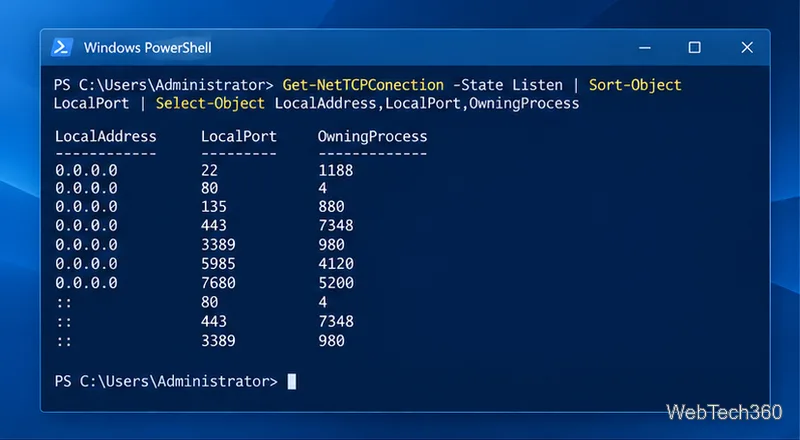
Find local TCP listeners, identify the process using a port, and test whether a Windows Server port is reachable with PowerShell, PortQry, or Nmap.
Imagine this: You're excited to grab the latest Windows 11 features, but bam—your updates hit a wall with the dreaded 0x80073701 error. 😩 It's a common Windows update failure that screams "missing files" and leaves you stuck. But don't worry! This guide is your lifeline. We'll dive straight into practical, effective fixes to conquer the 0x80073701 error, ensuring your PC stays secure and up-to-date. By the end, you'll feel empowered, not frustrated. Let's turn that error into a success story! ⭐
The 0x80073701 error code pops up during Windows 11 updates, signaling that essential files are missing or corrupted in the update process. Officially, it's tied to the Windows Update service failing to find required components, often due to interrupted downloads, disk errors, or third-party software interference. According to Microsoft's latest documentation, this error has been a persistent hiccup even in recent builds, but it's fully fixable with the right steps.
Why does it matter? Unresolved Windows update failures mean you're missing critical security patches and performance boosts. The good news? We've got your back with targeted solutions. Stick around as we break it down—no fluff, just results. 👍
Before jumping into fixes, confirm the issue. Head to Settings > Windows Update > View update history. If you spot 0x80073701 next to a failed update, that's your culprit. Common symptoms include stalled downloads, rollback messages, or endless retry loops. If it's not this error, it might be similar ones like 0x80070002— but we're laser-focused on solving Windows 11 "0x80073701" update service failure here.
Pro tip: Run the built-in troubleshooter first. It's a one-click wonder that often nips the problem in the bud. Go to Settings > System > Troubleshoot > Other troubleshooters > Windows Update > Run. If it fails, keep reading for deeper dives. You're already one step closer to victory! 🚀
Let's roll up our sleeves. These methods are ordered from simplest to advanced, based on the most effective strategies from recent user reports and Microsoft support forums. Follow along, and pause to test updates after each step. Patience pays off—your Windows 11 will thank you.
Sometimes, the Windows Update service just needs a refresh. Press Win + R, type services.msc, and hit Enter. Find "Windows Update," right-click, and select Restart. Do the same for "Background Intelligent Transfer Service" (BITS) and "Cryptographic Services."
Why it works: This clears temporary glitches without touching your files. After restarting, try updating again. Many users report instant success—it's like giving your PC a quick coffee break! ☕
Corrupted system files are a prime suspect for 0x80073701. Open Command Prompt as admin (search for cmd, right-click > Run as administrator). First, run:
sfc /scannowThis scans and repairs protected files. If it finds issues, reboot and test. Still stuck? Escalate to DISM:
DISM /Online /Cleanup-Image /RestoreHealthFollow with another SFC scan. These tools pull from Windows' trusted sources to restore missing components. In the latest Windows 11 iterations, they've been optimized for faster repairs—expect 10-20 minutes tops. Feeling optimistic yet? You should be! 😊
A cluttered cache can block updates, triggering 0x80073701. Stop the services first (as in Method 1), then navigate to C:\Windows\SoftwareDistribution. Delete everything inside (it's safe—Windows regenerates it). Restart services and check for updates.
Bonus: If you're on a metered connection, switch to unlimited in Settings > Network & Internet to avoid download limits. This fix has resolved the error for countless users, especially after partial update attempts. High-five for progress! 👏
For stubborn cases, bypass the standard updater. Download the Windows 11 Media Creation Tool from Microsoft's site. Run it to perform an in-place upgrade, keeping your files intact.
Alternatively, the Update Assistant (also from Microsoft) targets specific feature updates. These tools fetch fresh files, directly addressing the "missing source files" root of 0x80073701. It's like a reset button for updates—reliable and official.
If basics fail, a full reset might be needed. Create a new text file, paste this script (sourced from Microsoft community tweaks), save as .bat, and run as admin:
@echo off
net stop wuauserv
net stop cryptSvc
net stop bits
net stop msiserver
ren C:\Windows\SoftwareDistribution SoftwareDistribution.old
ren C:\Windows\System32\catroot2 Catroot2.old
net start wuauserv
net start cryptSvc
net start bits
net start msiserver
This renames folders for a clean slate. Reboot and retry. Warning: Back up important data first, though it's low-risk. For visual learners, check this next image for a similar process in action.
Once fixed, let's keep Windows 11 update failures at bay. Enable automatic updates in Settings, but pause them during heavy tasks. Regularly scan for malware with Windows Security—third-party antivirus can clash. Also, ensure 20GB free space on your system drive; low storage often mimics this error.
For hardware checks, run chkdsk C: /f /r in admin Command Prompt (schedule for reboot). Stay proactive, and your PC will hum along without drama. Imagine hassle-free updates forever— that's the goal! 🌟
| Issue | Symptom | Quick Fix |
|---|---|---|
| Service Won't Start | Error 1058 or similar | Check firewall; run sc config wuauserv start= auto |
| DISM Fails Online | Needs ISO source | Mount Windows ISO and use /Source:WIM:X:\sources\install.wim:1 |
| Persistent After Reboot | Updates rollback | Perform clean boot via msconfig |
| Low Disk Space | Download stalls | Run Disk Cleanup > System files |
This table is your cheat sheet—bookmark it for quick reference. If you're still hitting walls, consider Microsoft's official error code troubleshooter for more diagnostics.
Congrats on making it here—you're now armed to tackle the 0x80073701 error head-on. Start with the easy wins, and escalate as needed. Most users resolve it within an hour, emerging with a smoother Windows 11 experience. If issues persist, community forums like Reddit's r/Windows11 are goldmines for tailored advice. Share your success story in the comments below—what fixed it for you? Let's keep the positivity rolling. Update on, and happy computing! 🎉
Find local TCP listeners, identify the process using a port, and test whether a Windows Server port is reachable with PowerShell, PortQry, or Nmap.
Map a shared folder as a drive letter in Windows 10, reconnect it at sign-in, confirm access, and fix common path, credential, and network discovery issues.
Hear your microphone through Windows 10 speakers with the Listen to this device setting. Choose the right input and output, test the route, and prevent feedback.
Change icon size on Windows 10 with desktop, taskbar, and File Explorer controls. Learn when display scaling helps and how to fix unexpected size changes.
Map an NFS share to a Windows 11 drive letter with the built-in Client for NFS. Check protocol compatibility, mount the export, and troubleshoot access issues.
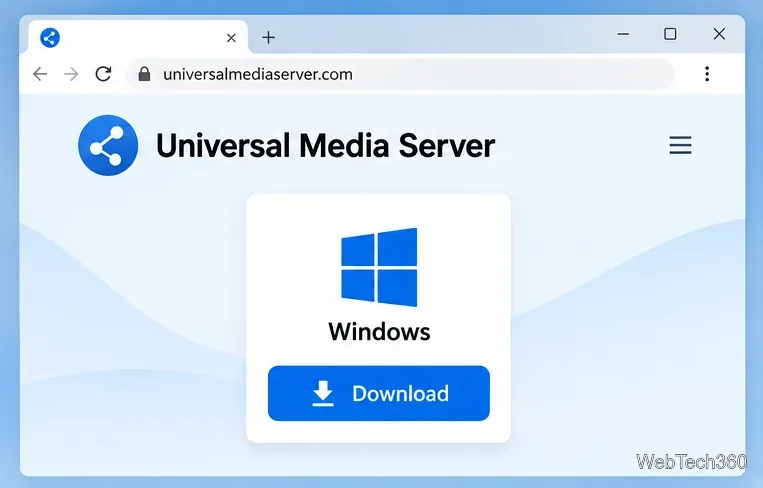
Install Universal Media Server on Windows Server, share selected folders, set LAN-only firewall access, and test DLNA playback from a TV or browser.
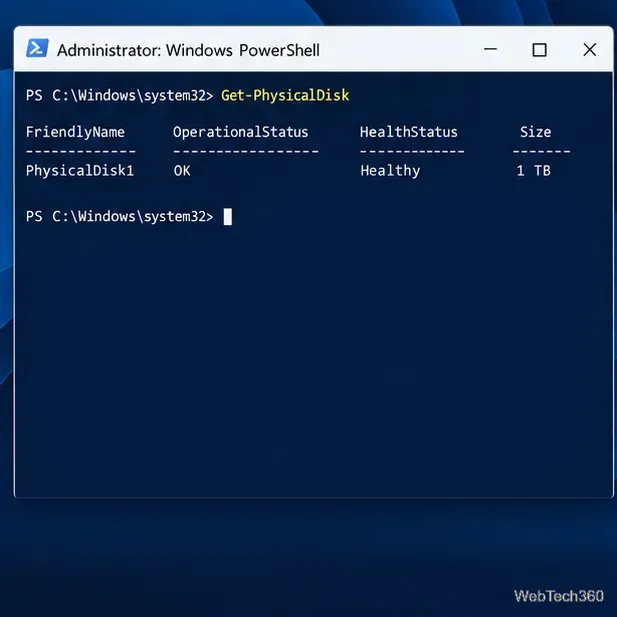
Check Windows Server disk status and reliability counters, verify SMART data when available, and separate hardware warnings from NTFS errors.
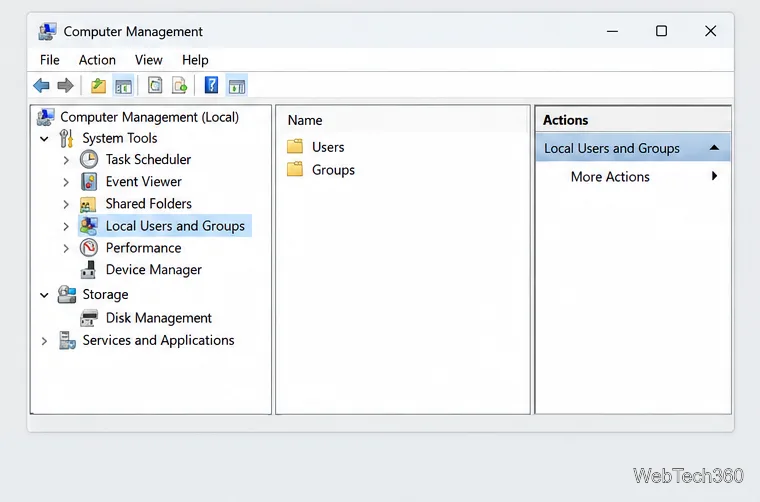
Create, grant admin rights to, disable, or remove local Windows Server users with Computer Management or PowerShell. Learn when to use Active Directory instead.
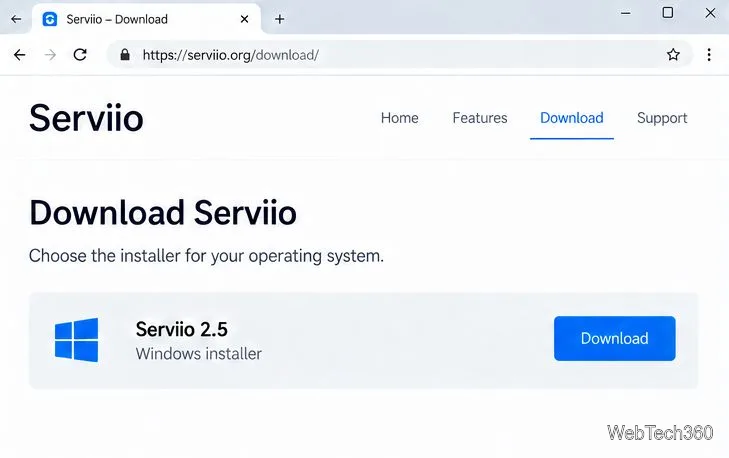
Install Serviio on Windows Server, share local or NAS media folders, and test DLNA playback. Learn how to check the Windows service, firewall, and Pro-only browser features.
Convert PNG, JPG, or BMP files to Windows ICO with GIMP. Prepare a square image, keep transparency when needed, add standard sizes, and check the export.