How to Fix Snipping Tool Issues on Windows 11
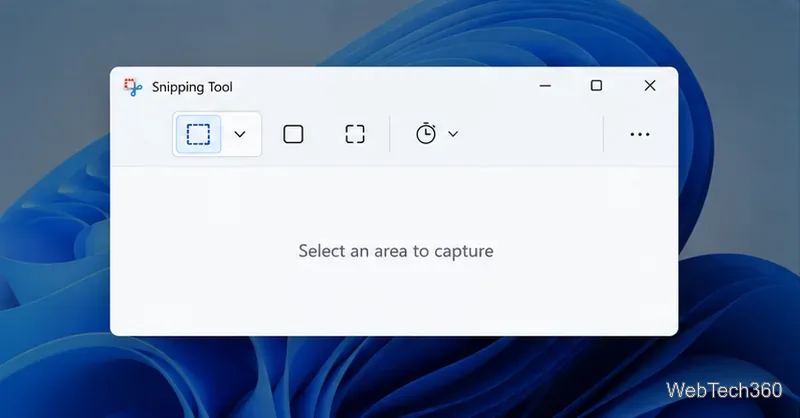
Fix common Snipping Tool problems in Windows 11 with steps to test the shortcut, update or repair the app, reinstall it, and restore missing capture notifications.
Is your Windows 11 PC running hotter than a summer sidewalk, even when it's just idling? That nagging high CPU temperature at idle can be frustrating, leading to performance dips, fan noise, and even long-term hardware wear. But don't worry—you're not alone, and it's fixable! In this guide, we'll dive straight into the most effective solutions for solving Windows 11 "CPU temperature" high idle fix. By the end, you'll have a cooler, smoother-running system that feels like new. Let's get your PC back to chill mode! 😎
Before we jump into fixes, understanding the culprit behind high CPU temperature at idle helps you tackle it head-on. On Windows 11, idle temps should hover around 30-50°C for most modern CPUs. Anything above 60°C without load screams trouble. Common causes include:
Spotting this early prevents crashes and extends your hardware's life. Ready to cool things down? Let's start with quick diagnostics.
First things first—confirm the issue. Download free tools like HWMonitor or Core Temp to track real-time CPU temperature. Open Task Manager (Ctrl + Shift + Esc) and check the Performance tab for idle usage. If your CPU is idling at 50%+ or temps exceed 70°C, proceed to fixes.
Pro tip: Run a stress test with Prime95 briefly to see peak temps, but stop if it gets too hot—safety first! This step ensures you're targeting the right problem. Feeling empowered? Great, now let's fix it.
Dust is the #1 villain for high idle CPU temperature on Windows 11. Over time, it clogs vents and heatsinks, forcing your fans to work overtime.
If you're not comfy DIY-ing, a professional clean every 6 months keeps things pristine. Imagine your PC purring quietly—worth it, right? 👏
Windows 11's default settings sometimes prioritize speed over efficiency, spiking CPU temperature at idle. Tweak them like this:
This simple change can shave off 15°C without losing much performance. Your PC will thank you with quieter operation and longer battery life on laptops. Excited to try? Keep reading for more wins!
Outdated software is a sneaky cause of Windows 11 high CPU temperature. Recent updates in 2026 have improved power efficiency, so stay current.
For NVIDIA/AMD GPUs, tools like GeForce Experience or Adrenalin auto-update and optimize thermals. Post-update, your CPU idle fix should feel seamless. If drivers clash, use Device Manager to roll back.
Hidden apps can keep your CPU buzzing at idle, inflating temps. Time to declutter!
| Task | How to Fix | Expected Impact |
|---|---|---|
| End Startup Programs | Task Manager > Startup tab > Disable non-essentials like Spotify or Adobe updater. | Reduces idle CPU by 20-30%. |
| Scan for Malware | Use Windows Security (full scan) or Malwarebytes free version. | Eliminates temp-spiking threats. |
| Limit Services | Run "msconfig" > Services > Hide Microsoft > Disable third-party if safe. | Lowers background load. |
After cleanup, your system will idle cooler and faster. One user reported dropping from 75°C to 45°C just by killing rogue processes—game-changer! 😊
If basics don't cut it, level up. For desktops, upgrade to better cooling like a Noctua fan or liquid cooler—temps can plummet 20°C+. On laptops, use a cooling pad and undervolt via ThrottleStop (for Intel CPUs) to cap power draw.
Reapply thermal paste if your PC's over 2 years old: Remove the heatsink, clean old paste with isopropyl alcohol, apply a pea-sized dot of Arctic MX-4, and reseat. Warning: This voids warranties—proceed with caution or hire a tech.
For AMD users, enable PBO (Precision Boost Overdrive) in BIOS but monitor temps. Intel folks, disable Turbo Boost temporarily via power settings. These tweaks fine-tune your solving Windows 11 CPU temperature high idle fix.
By following these, you'll not only fix high CPU temperature at idle but maintain peak performance. Your PC deserves this TLC!
Congrats—you've got the tools to conquer Windows 11 high idle CPU temps! Start with monitoring and power tweaks for quick wins, then dive deeper as needed. If problems persist, it might be hardware—consider a diagnostic from a trusted repair shop. Share your results in the comments; let's build a cooler community. Your PC's ready to run smoothly—go make it happen! 🚀
Fix common Snipping Tool problems in Windows 11 with steps to test the shortcut, update or repair the app, reinstall it, and restore missing capture notifications.
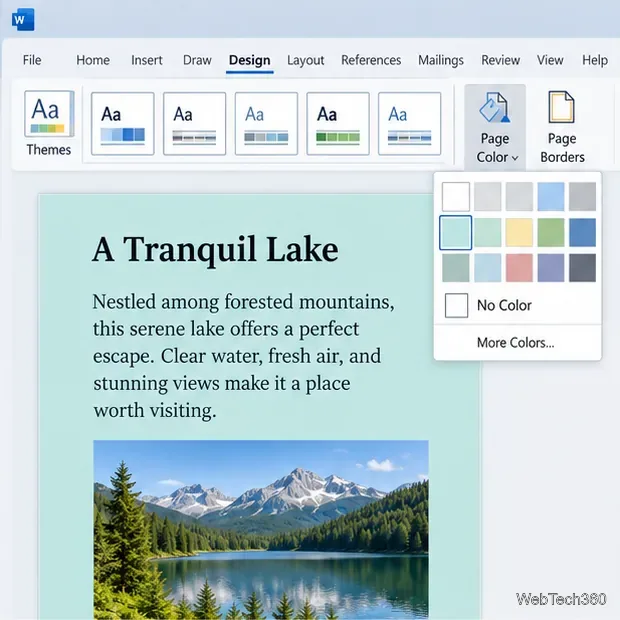
Choose a color-capable printer, enable Word’s background-print setting, and check the preview so page colors, images, and graphics print as expected.
Learn how to use WinX DVD Ripper to convert a DVD you’re entitled to copy into an MP4 file, choose the right title and destination, and troubleshoot playback problems on Windows 10 or 11.
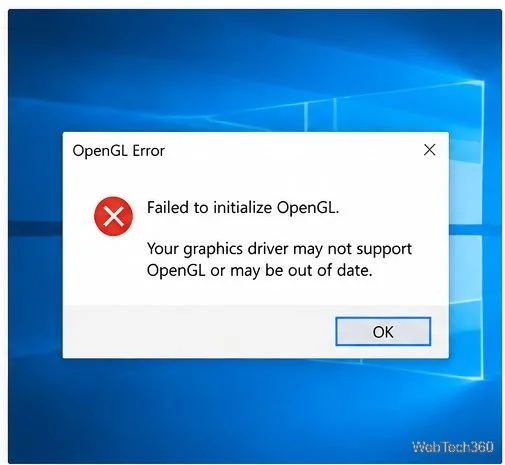
Troubleshoot OpenGL errors in Windows 10 by checking graphics drivers, repairing system files, reinstalling the affected app, and reviewing graphics settings.
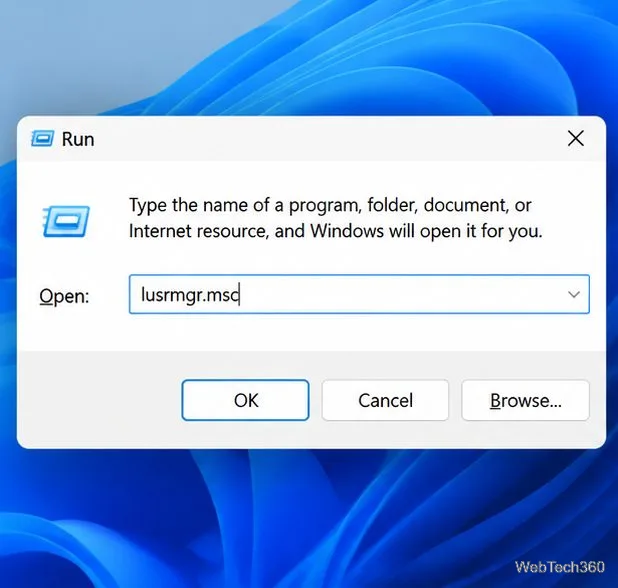
Learn when to use net user, lusrmgr.msc, and net localgroup to view, create, disable, and manage local Windows accounts safely.
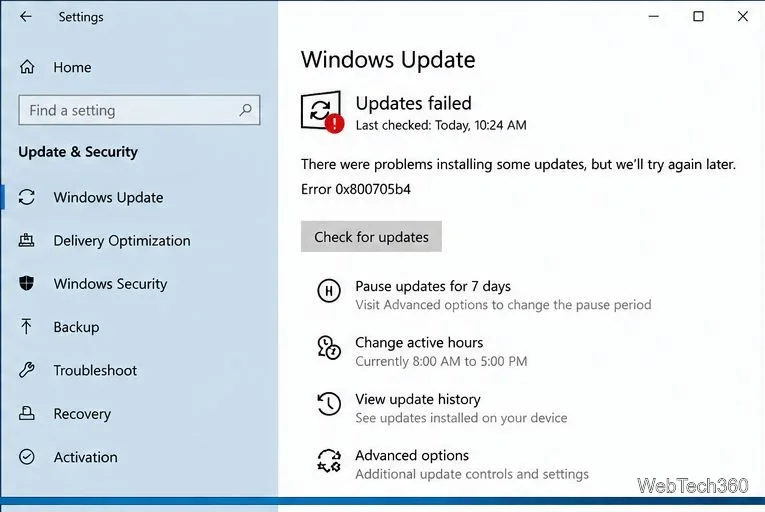
Resolve Windows Update error 0x800705b4 with practical checks for connectivity, update services, cached files, and damaged Windows system components.
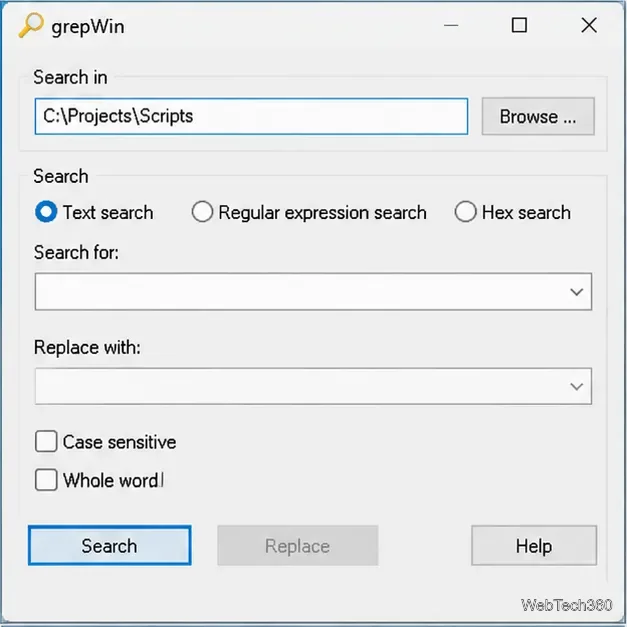
Find words or phrases across multiple text files on Windows 10 with grepWin. Learn how to choose folders, filter file types, include subfolders, and read matches safely.
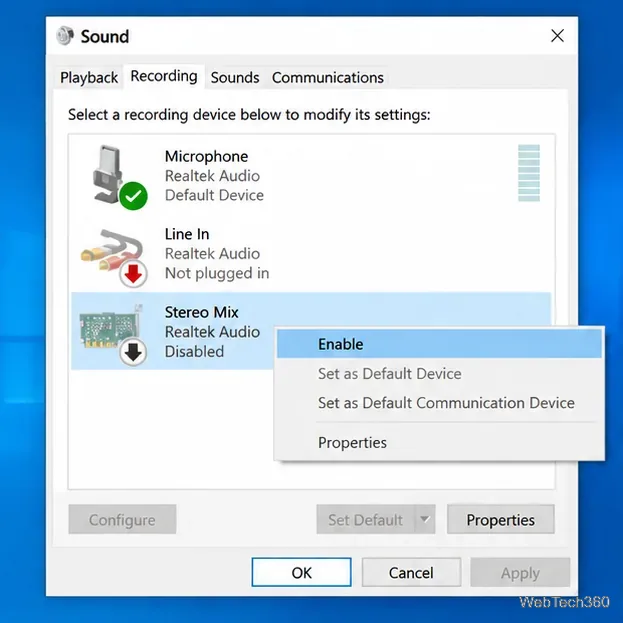
Capture your PC’s playback with FFmpeg on Windows 10. Enable Stereo Mix or use a loopback device, find its DirectShow name, and save clean audio.
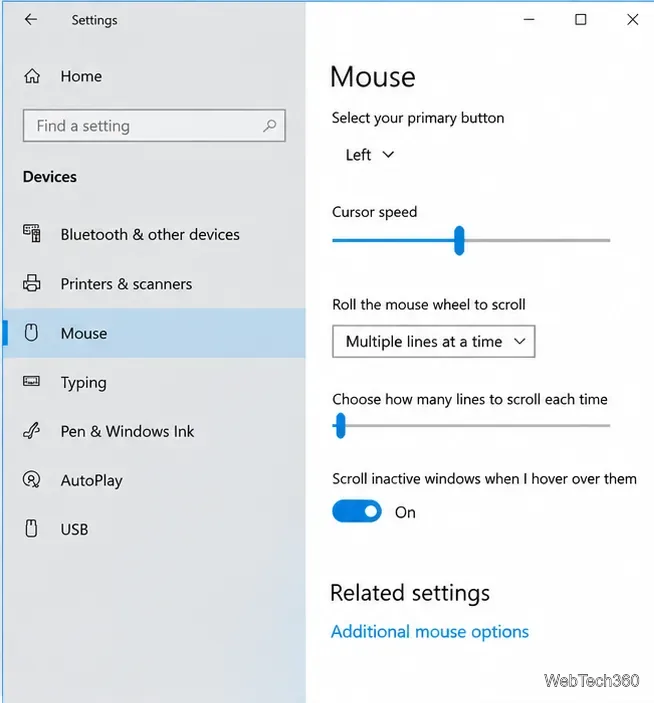
Learn how to adjust Windows 10 mouse pointer speed, change pointer precision, and set hardware DPI with a supported gaming mouse or manufacturer app.
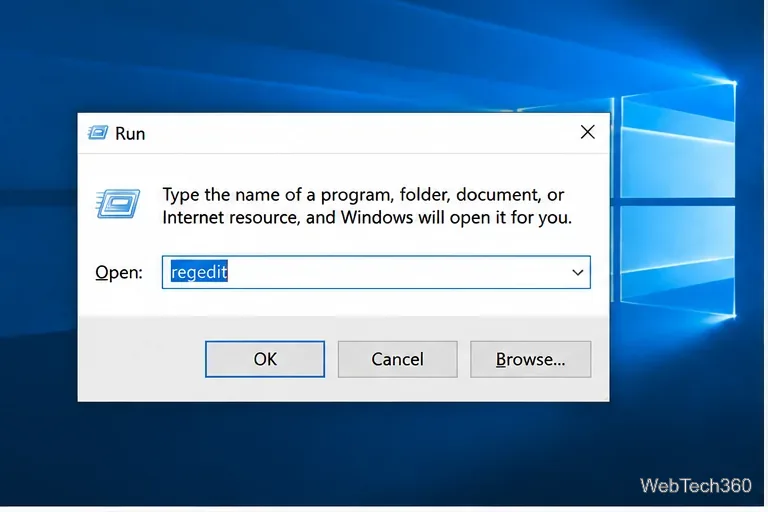
Learn what the legacy Edge blocker registry setting does, how to set it safely, and why it will not stop updates for Microsoft Edge already installed.