
How to Check Hard Drive Health in Windows Server
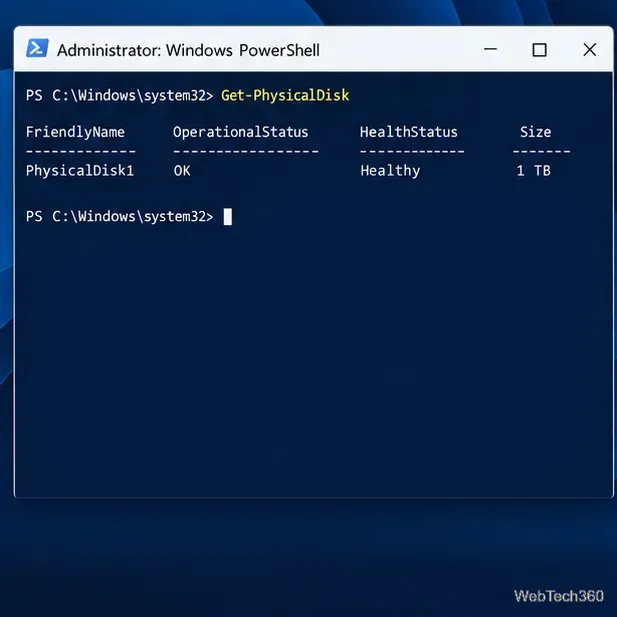
Check Windows Server disk status and reliability counters, verify SMART data when available, and separate hardware warnings from NTFS errors.
Imagine your Windows 11 PC feeling sluggish, fans whirring like a jet engine, and that frustrating high CPU usage notification popping up—especially when it's tied to something as mysterious as System Idle Process. Don't worry; you're not alone. This built-in Windows feature is designed to show unused CPU resources, but when it spikes unexpectedly, it signals underlying issues like background processes or misconfigurations. The good news? With this concise guide, you'll learn how to diagnose and fix Windows 11 high CPU usage from System Idle Process, restoring your system's smooth performance. Let's dive in and get your PC back to peak efficiency! 😊
At its core, System Idle Process isn't a villain—it's Windows' way of tracking idle time. When your CPU isn't busy with tasks, this process "uses" the remaining capacity to indicate 100% availability. However, if Task Manager shows System Idle Process high CPU at 90-100% while your PC lags, it often means other processes are hogging resources, making the idle percentage appear paradoxically high.
Common culprits include outdated drivers, malware, or Windows updates gone awry. In the latest Windows 11 builds (as of 2026), Microsoft has refined resource management, but glitches persist. Spotting this early prevents overheating and battery drain. Ready to troubleshoot? Follow these steps for quick wins.

We'll start with simple, no-risk solutions and escalate to advanced tweaks. Perform these in order, checking Task Manager after each to monitor progress. Aim for under 10% idle spikes during light use—that's the sweet spot for a healthy system.
The easiest fix? A simple restart clears temporary glitches. Hold the power button or use Start > Power > Restart. If that doesn't help, ensure Windows is up to date:
Why it works: Updates patch bugs that cause inefficient resource allocation, directly tackling System Idle Process high CPU. Many users report instant relief! 👍
Malware loves to disguise itself, inflating CPU usage. Use built-in tools first:
sfc /scannow and hit Enter. This repairs corrupted system files.DISM /Online /Cleanup-Image /RestoreHealth if issues persist.These commands are gold for fixing Windows 11 high CPU usage caused by file errors. Feel the difference as your PC breathes easier. 🚀
Too many apps launching at boot can overload your CPU, pushing System Idle Process into overdrive. Tame them:
Pro tip: In Settings > Apps > Startup, toggle off high-impact items. This alone can drop high CPU usage by 20-30% on idle. Your system will thank you with faster boot times!
Outdated drivers are a sneaky cause of System Idle Process high CPU. Focus on key ones:
Graphics drivers, in particular, impact idle efficiency in Windows 11's latest features like DirectStorage. Updated? Your CPU usage should stabilize beautifully.
Power plans can force constant CPU activity. Optimize:
Next, trim services:
services.msc, Enter.This fine-tuning reduces background load, making fix System Idle Process a breeze. Notice cooler temps and quieter operation? That's progress! 🌟
If high CPU usage lingers, let's go deeper. These steps require caution but deliver powerful results.
Use Resource Monitor (in Task Manager > Performance tab > Open Resource Monitor) to pinpoint rogue processes. Sort by CPU column—anything over 5% on idle deserves investigation. Tools like Process Explorer (free from Microsoft) offer even more insights, revealing hidden threads contributing to System Idle Process spikes.
As a last resort, reset without losing files:
For hardware suspicions (e.g., faulty CPU), run Windows Memory Diagnostic or consult a technician. Most cases are software-related, though!
To avoid future headaches:
| Tip | Why It Helps | Quick Action |
|---|---|---|
| Regular Maintenance | Prevents buildup of temp files | Run Disk Cleanup monthly |
| Limit Browser Tabs | Reduces background CPU drain | Use extensions like The Great Suspender |
| Enable Hardware Acceleration | Offloads tasks from CPU | Toggle in Chrome/Edge settings |
| Monitor Temps | Catches overheating early | Install HWMonitor (free tool) |
Implementing these keeps your Windows 11 humming efficiently. Remember, a well-maintained PC not only fixes System Idle Process high CPU but boosts overall speed—think seamless multitasking and longer device life.
Congratulations on tackling Windows 11 high CPU usage head-on! By following these steps, you've armed yourself against System Idle Process woes, ensuring a responsive, cool-running machine. If issues persist, community forums like Reddit's r/Windows11 or Microsoft's support can offer tailored advice. Your PC is now optimized—enjoy the smooth sailing! 👏 Stay proactive, and you'll rarely see those spikes again.
Check Windows Server disk status and reliability counters, verify SMART data when available, and separate hardware warnings from NTFS errors.
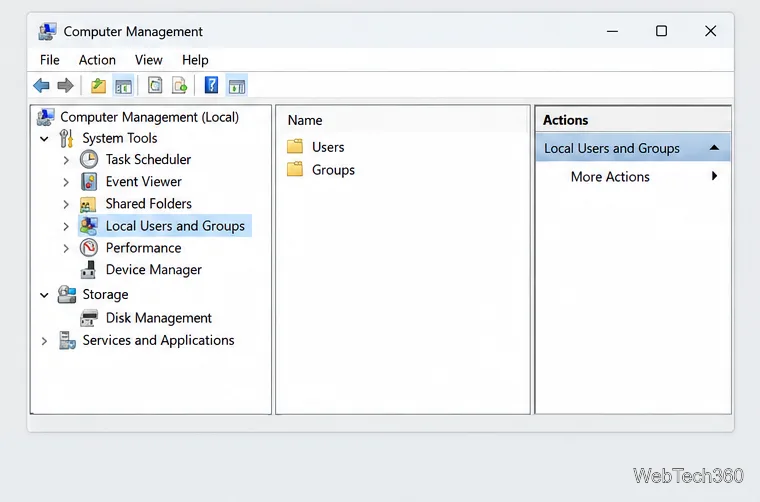
Create, grant admin rights to, disable, or remove local Windows Server users with Computer Management or PowerShell. Learn when to use Active Directory instead.
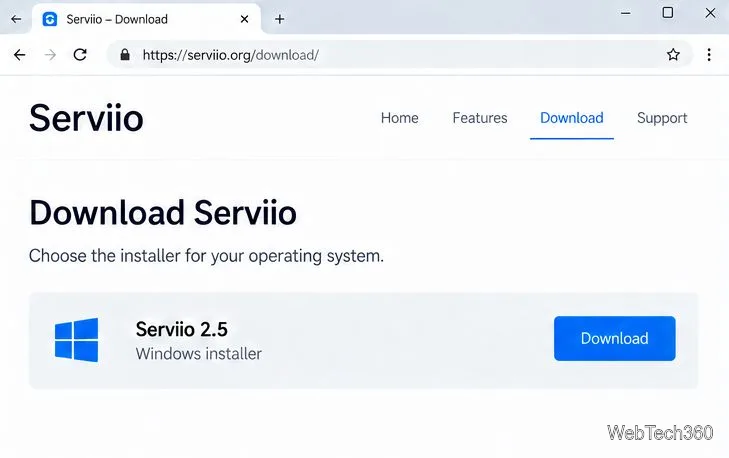
Install Serviio on Windows Server, share local or NAS media folders, and test DLNA playback. Learn how to check the Windows service, firewall, and Pro-only browser features.
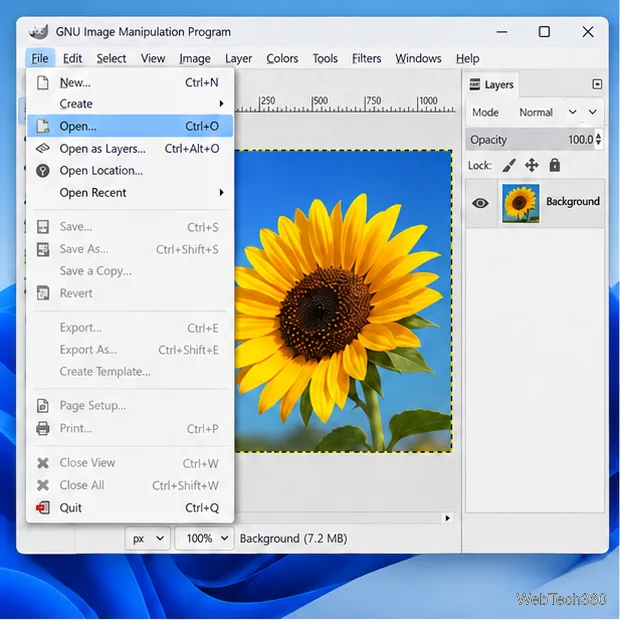
Convert PNG, JPG, or BMP files to Windows ICO with GIMP. Prepare a square image, keep transparency when needed, add standard sizes, and check the export.
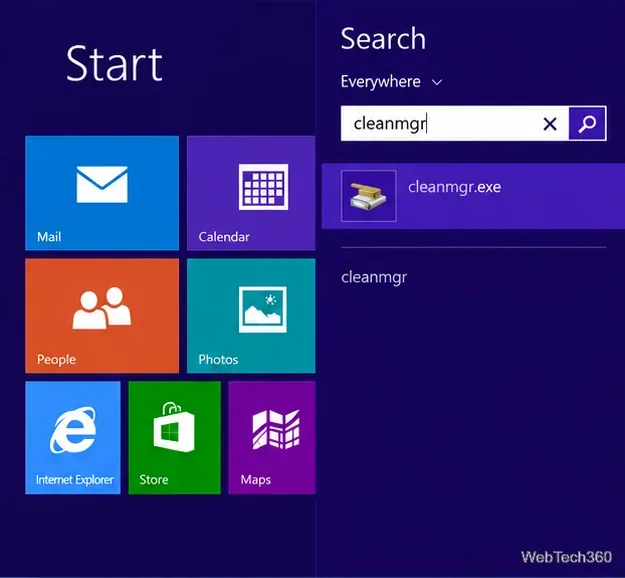
Clear thumbnail, DNS, Internet Explorer, Microsoft Store, Search, and Live Tile data with Windows 8’s built-in tools, and learn what each cleanup removes.
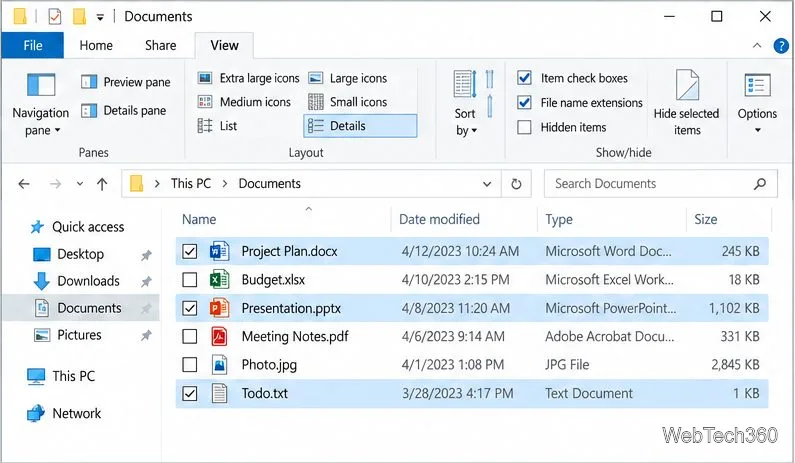
Turn off Windows 10 item check boxes in File Explorer with the View ribbon, or use Folder Options if the toggle is missing. See what changes and how to select multiple files without boxes.
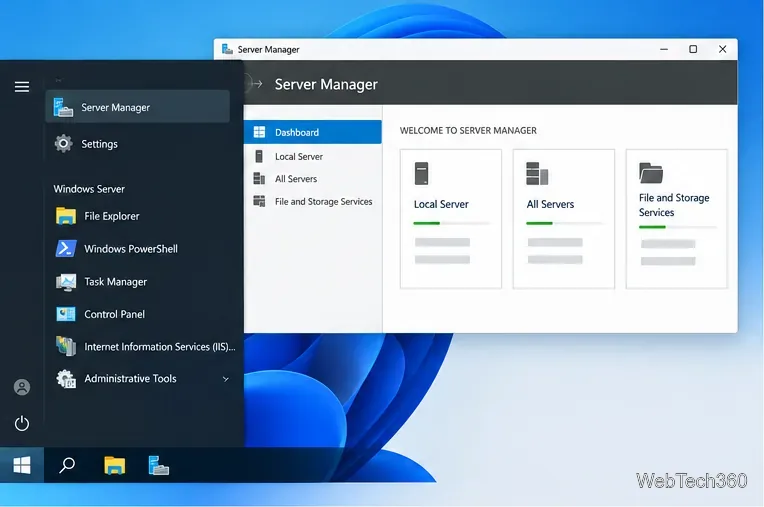
Install VMware Workstation Pro on a compatible Windows Server host, from checking support and downloading the right build to creating your first VM.
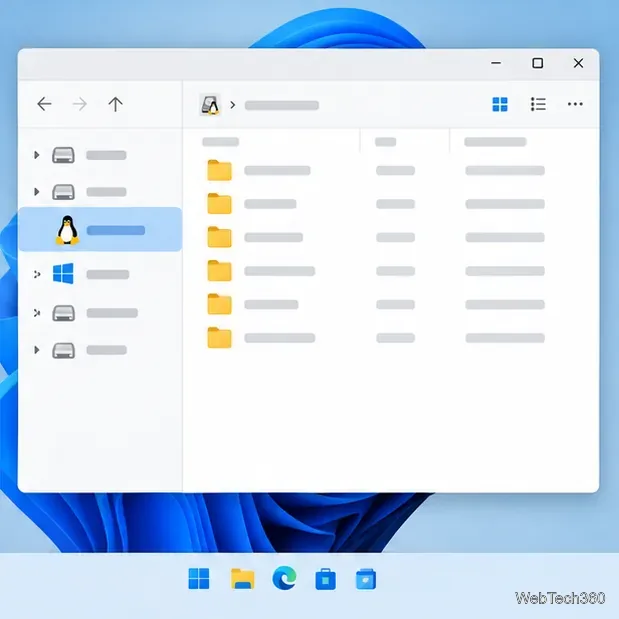
Browse and copy Ext2, Ext3, or Ext4 files on Windows with a read-only workflow. See what Linux Reader’s free edition supports and when WSL fits.
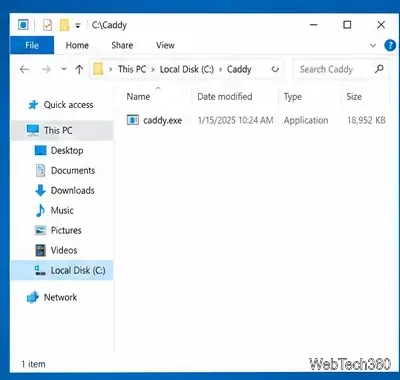
Install Caddy’s native Windows binary, serve a test site, enable automatic HTTPS for a domain, and run Caddy as a Windows Server service.
Run Linux Docker containers alongside Windows Server by creating an Ubuntu Hyper-V VM, installing Docker Engine, and publishing a test service safely.