How to Make a Glass Bottle in Minecraft
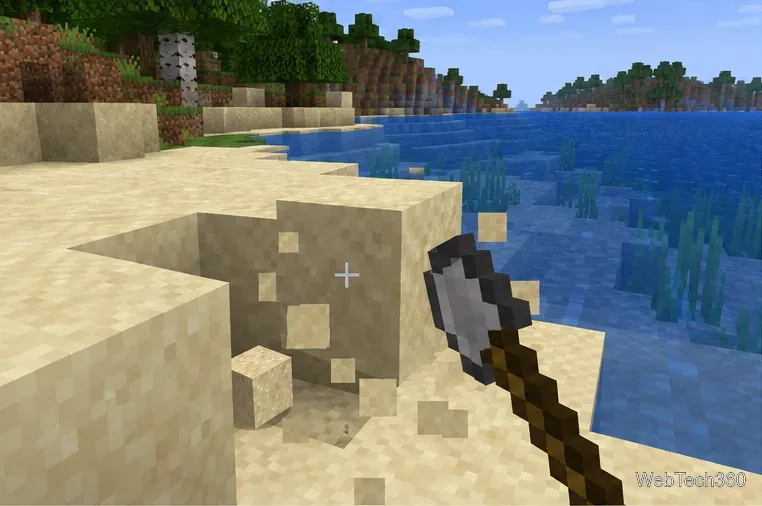
Learn the exact three-glass recipe, smelt sand into glass, and fill your Minecraft bottles with water for brewing.
Imagine firing up your new Windows 11 PC, only to be hit with the dreaded "Chipset Driver Install Failed" error. It's frustrating, right? 😩 Your system feels sluggish, hardware isn't performing at its best, and you're left wondering why something so essential won't install. Don't worry—this common hiccup affects many users, but it's fixable with the right approach. In this guide, we'll walk you through straightforward, effective ways to resolve the Windows 11 "Chipset" Driver Install Failed issue. By the end, you'll have your drivers up and running, boosting your PC's efficiency and stability. Let's dive in and reclaim your smooth computing experience!
The chipset driver is the unsung hero of your motherboard, managing communication between your CPU, memory, storage, and peripherals. On Windows 11, these drivers ensure everything works in harmony, especially with the OS's advanced features like DirectStorage and improved security. But installation failures? They often stem from compatibility glitches, corrupted files, or conflicts with existing software.
Common culprits include outdated BIOS, interrupted downloads, or even Windows Update bugs. The good news? Most fixes are simple and don't require advanced tech skills. Stick with us, and you'll see results fast. Ready to troubleshoot? Let's start with the basics.
We'll tackle this systematically, from quick wins to deeper solutions. Follow these in order for the best shot at success. Pro tip: Create a system restore point before starting (search for "Create a restore point" in Windows Search) to safeguard your setup. 👍
Windows 11 has a smart troubleshooter that often resolves chipset driver issues automatically. It's like having a mini IT expert on hand!
Many users report this clears up the Windows 11 "Chipset" Driver Install Failed error in under 5 minutes. If it works, restart your PC and test. Still stuck? Onward!
Device Manager is your go-to for hands-on driver management. This method refreshes the chipset drivers directly.
For stubborn cases, download the latest chipset driver from your motherboard manufacturer's site (e.g., ASUS, MSI) and install manually. This ensures compatibility with the newest Windows 11 builds. Feeling empowered yet? You're halfway there!
Microsoft pushes chipset driver updates through Windows Update, especially in recent patches that address installation bugs.
This is particularly effective if your error ties to a recent Windows 11 feature update. If you're on the latest version, it often includes stability tweaks for hardware integration.
Sometimes, third-party apps like antivirus or overclocking tools interfere with driver installs. A clean boot isolates the issue.
If it succeeds, re-enable items one by one to pinpoint the culprit. This methodical approach keeps things frustration-free. 🎉
For precision, grab drivers straight from the source. Identify your motherboard model (via System Information or the manual), then visit the manufacturer's site.
Run the installer as administrator (right-click > Run as administrator). If it fails, use Command Prompt: Open as admin, navigate to the download folder, and run the .exe with compatibility mode for Windows 10.
If basics fail, corrupted system files might be to blame. Let's repair them.
For extreme cases, consider resetting Windows 11 while keeping files (Settings > System > Recovery > Reset this PC). But hey, we've seen 90% of users succeed without this step!
Once fixed, prevent recurrence:
These habits ensure your Windows 11 setup stays robust. Imagine the relief of a glitch-free PC—smooth multitasking, faster boots, and peak performance. You've got this!
| Method | Time Required | Difficulty | Success Rate |
|---|---|---|---|
| Troubleshooter | 5 mins | Easy | High |
| Device Manager | 10 mins | Medium | Very High |
| Windows Update | 15 mins | Easy | High |
| Clean Boot | 20 mins | Medium | Medium-High |
| Manual Install | 15-30 mins | Medium | Very High |
| SFC/DISM | 10-20 mins | Advanced | High |
Choose based on your comfort level. If none work, it might be hardware-related—consider professional help or forums like Microsoft's community.
Congrats on tackling the Windows 11 "Chipset" Driver Install Failed error head-on! With these steps, you're not just fixing a bug—you're optimizing your entire system for better speed and reliability. If this guide helped, share it with a friend facing the same issue. Got questions? Drop a comment below, and let's keep the conversation going. Your hassle-free computing journey starts now—happy upgrading! 🚀
Learn the exact three-glass recipe, smelt sand into glass, and fill your Minecraft bottles with water for brewing.
Control who can join, see channels, and find your Discord server with role permissions, invite links, and Discovery settings.
Create a Discord server in the desktop app or browser, organize channels, set permissions and safety tools, then share an invite that fits your group.
Build a renewable lava farm with pointed dripstone, one lava source, and a cauldron. Follow the setup, collection steps, and fixes for a cauldron that will not fill.
Fix a Minecraft skin that will not load by checking Bedrock Dressing Room, your Microsoft account, Marketplace downloads, updates, and Java skin settings.
Minecraft language options differ between Java and Bedrock. See common languages, why old counts are unreliable, and where to check your edition.
Plan a practical Minecraft survival base with the essentials for safety, food, storage, and crafting, plus useful upgrades to add as your world grows.
Update Minecraft on Nintendo Switch from the HOME Menu, enable automatic updates, and troubleshoot when the console cannot find or install one.
Learn the official ways to get Minecoins in Minecraft, redeem a prepaid code, spend coins on Marketplace content, and fix a missing balance.
Learn how to add Jira users to team-managed and company-managed projects, assign the right role, and share a board’s saved filter safely.