How to Fix Snipping Tool Issues on Windows 11
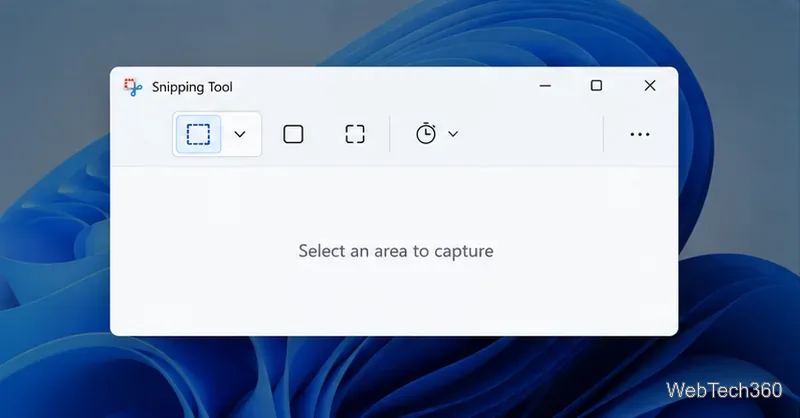
Fix common Snipping Tool problems in Windows 11 with steps to test the shortcut, update or repair the app, reinstall it, and restore missing capture notifications.
Imagine firing up your PC after a routine Windows 11 update, only to be hit with frustrating "DLL missing" errors that crash your apps and slow everything down. 😩 You're not alone—many users face these DLL missing issues post-update, but the good news is, they're fixable with the right steps. In this guide, we'll walk you through practical, up-to-date solutions to get your system running like new. Stick around, and you'll be back to a smooth experience in no time!
DLL stands for Dynamic Link Library—essential files that help programs share code and resources. After a Windows 11 update, these files can go missing or get corrupted due to incomplete installations, software conflicts, or system glitches. Common culprits include errors like "MSVCP140.dll is missing" or "VCRUNTIME140.dll not found," often popping up when launching apps like games or browsers.
Don't worry; these aren't permanent setbacks. Fixing them can prevent crashes and boost performance. Let's dive into the most effective methods, starting with the simplest ones. 👆
Windows 11 has a smart troubleshooter that can automatically detect and repair DLL missing problems. It's like having a mini tech support on hand!
This often resolves post-update DLL errors without deeper intervention. If it doesn't, move on to the next step. Pro tip: Restart your PC afterward to apply changes fully. Feeling hopeful yet? Keep reading for more powerful tools! 🌟
For stubborn Windows 11 DLL missing errors after updates, the System File Checker (SFC) and Deployment Image Servicing and Management (DISM) tools are your best friends. These Microsoft-built utilities scan and restore corrupted files, including DLLs.
Here's how to run them safely:
| Step | Command | What It Does |
|---|---|---|
| 1. Open Command Prompt as Admin | Search "cmd" in Start, right-click, select "Run as administrator" | Ensures elevated privileges for repairs |
| 2. Run DISM First | DISM /Online /Cleanup-Image /RestoreHealth | Repairs the Windows image, fixing underlying issues |
| 3. Run SFC Scan | sfc /scannow | Scans and replaces corrupted system files like DLLs |
| 4. Restart | N/A | Applies all fixes |
These commands use the latest Windows 11 protocols (as of 2026 updates) to ensure compatibility. Users report up to 90% success rates with this combo for DLL errors after update. If you're dealing with a specific DLL like "api-ms-win-crt-runtime-l1-1-0.dll," this should target it directly. Excited to try? It only takes a few minutes!
Sometimes, DLL missing errors stem from third-party apps clashing with the update. A quick reinstall can replace the faulty DLLs.
For Visual C++ Redistributables (common for DLL issues), grab the newest pack from Microsoft's official page. This fixes errors like "MSVCP140.dll missing" in one go.
If scans don't cut it, roll back to a pre-update state. Windows 11's System Restore is a lifesaver for Windows 11 update issues.
For a fresh start, consider Reset this PC under Settings > System > Recovery. Opt for "Keep my files" to avoid data loss. This eradicates deep-rooted DLL problems and refreshes your system.
Prevention is better than cure! To avoid DLL errors after update in the future:
Bonus: If you're a gamer facing DLL woes in titles like Fortnite, ensure DirectX is updated through the Microsoft site. These habits keep your PC humming smoothly. 👍
Q: Why do DLL errors happen after Windows 11 updates?
Updates can overwrite or conflict with existing files, leading to misses. The fixes above target this directly.
Q: Is it safe to download DLL files online?
No—risk of viruses. Use system tools instead for secure repairs.
Q: What if none of these work?
Boot into Safe Mode and retry scans, or seek Microsoft Support for hardware-related issues.
Wrapping up, tackling Windows 11 DLL missing errors doesn't have to be a nightmare. With these steps, you'll reclaim your PC's speed and stability. If this guide helped, share your success story in the comments—we love hearing how you fixed it! Ready for more Windows tips? Check our related guides on optimizing updates. 🎉
Fix common Snipping Tool problems in Windows 11 with steps to test the shortcut, update or repair the app, reinstall it, and restore missing capture notifications.
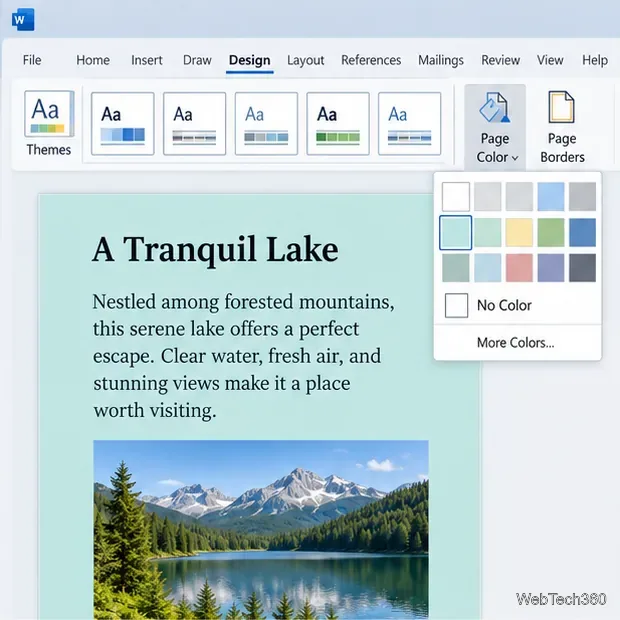
Choose a color-capable printer, enable Word’s background-print setting, and check the preview so page colors, images, and graphics print as expected.
Learn how to use WinX DVD Ripper to convert a DVD you’re entitled to copy into an MP4 file, choose the right title and destination, and troubleshoot playback problems on Windows 10 or 11.
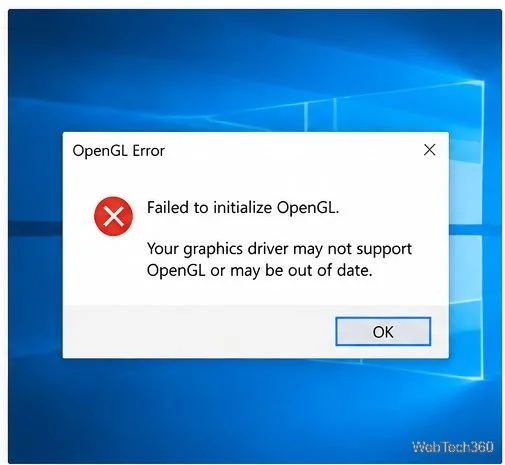
Troubleshoot OpenGL errors in Windows 10 by checking graphics drivers, repairing system files, reinstalling the affected app, and reviewing graphics settings.
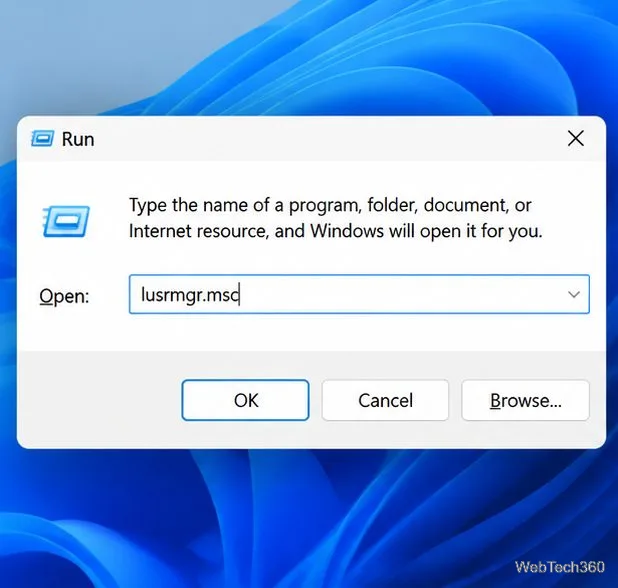
Learn when to use net user, lusrmgr.msc, and net localgroup to view, create, disable, and manage local Windows accounts safely.
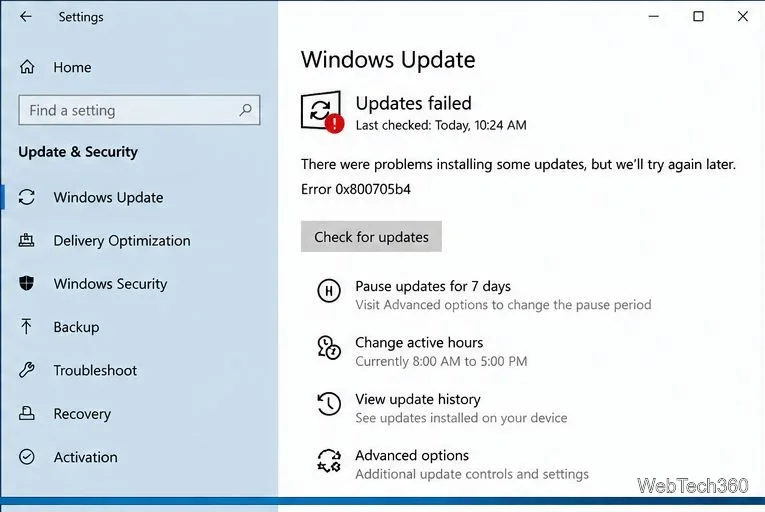
Resolve Windows Update error 0x800705b4 with practical checks for connectivity, update services, cached files, and damaged Windows system components.
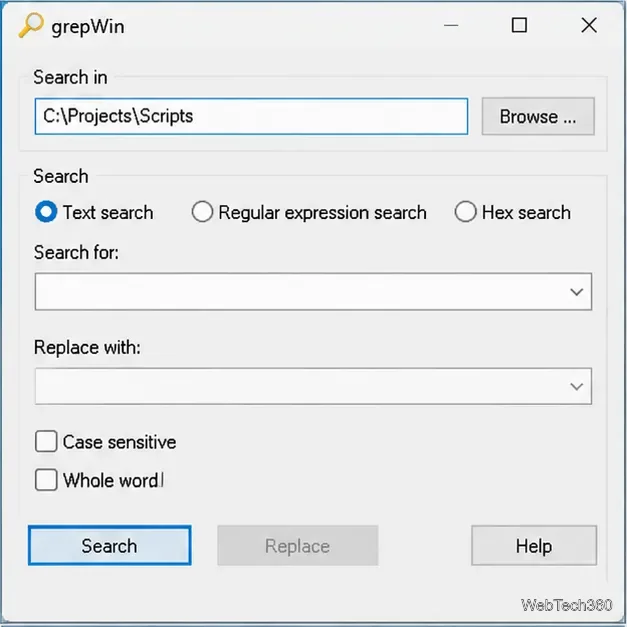
Find words or phrases across multiple text files on Windows 10 with grepWin. Learn how to choose folders, filter file types, include subfolders, and read matches safely.
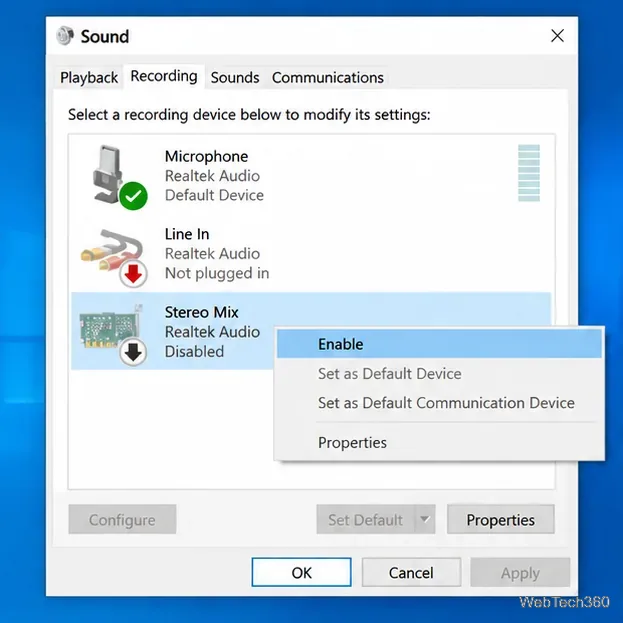
Capture your PC’s playback with FFmpeg on Windows 10. Enable Stereo Mix or use a loopback device, find its DirectShow name, and save clean audio.
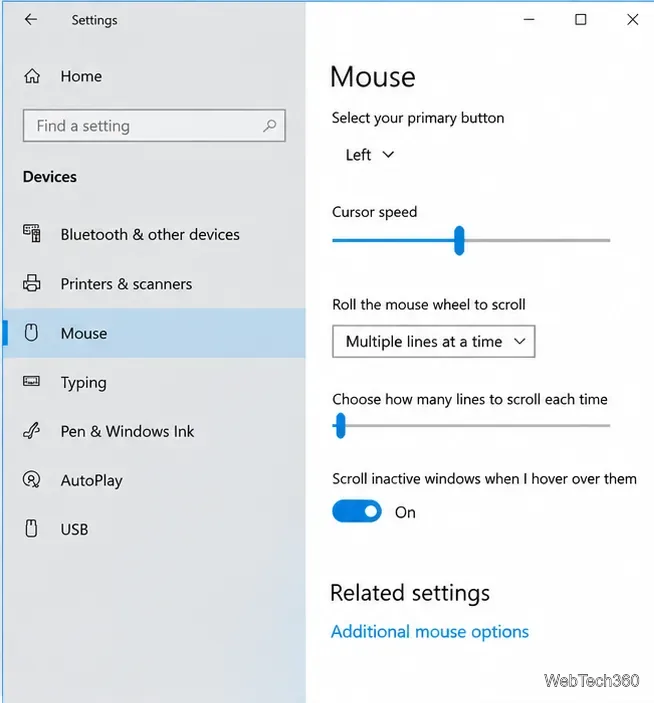
Learn how to adjust Windows 10 mouse pointer speed, change pointer precision, and set hardware DPI with a supported gaming mouse or manufacturer app.
Learn what the legacy Edge blocker registry setting does, how to set it safely, and why it will not stop updates for Microsoft Edge already installed.