Imagine this: You're in the middle of an important task, and suddenly your screen turns blue with the terrifying words "Critical Process Died". Your heart sinks as Windows 11 crashes, leaving you frustrated and wondering what went wrong. Don't worry – this BSOD (Blue Screen of Death) error is more common than you think, especially on Windows 11, and it's often fixable without calling in a pro. In this guide, we'll walk you through straightforward, effective solutions to banish this error for good. By the end, you'll have your system back up and running like new, feeling empowered and stress-free. Let's dive in and reclaim your productivity! 💪
What is the "Critical Process Died" BSOD on Windows 11?
The "Critical Process Died" error, also known as stop code 0x000000EF, signals that a vital system process has unexpectedly terminated. This can happen due to corrupted files, faulty drivers, hardware issues, or even malware. On Windows 11, it's frequently triggered by updates gone awry or incompatible software. The good news? Most cases are software-related and resolvable at home. Understanding the root cause is your first step to a smooth fix – think of it as diagnosing before prescribing. Ready to troubleshoot? Keep reading for actionable steps that prioritize ease and safety.
Quick Prep: Before You Start Fixing
Before jumping into repairs, ensure you're safe. Restart your PC in Safe Mode if it's stuck in a boot loop – this loads only essential drivers, helping isolate the issue. To enter Safe Mode:
- Power on your PC and force restart three times during boot (hold the power button if needed).
- On the recovery screen, go to Troubleshoot > Advanced options > Startup Settings > Restart.
- Press 4 or F4 for Safe Mode.
Pro tip: Back up important files to an external drive or cloud storage right away. This "Critical Process Died" fix guide assumes you're comfortable with basic navigation, but we'll keep it simple. If your PC won't boot at all, grab a Windows 11 installation USB for recovery – it's a lifesaver! 😊
Step-by-Step Fixes for Windows 11 "Critical Process Died" BSOD
We'll start with the simplest solutions and escalate as needed. Follow these in order for the best results. Each method targets common culprits like driver conflicts or system corruption, ensuring you fix the BSOD efficiently without unnecessary hassle.
1️⃣ Method 1: Run the Built-in System File Checker (SFC) and DISM Tools
Corrupted system files are a top cause of the "Critical Process Died" error. Windows 11's built-in tools can scan and repair them automatically. This is like giving your PC a quick health check-up – fast and effective!
Open Command Prompt as Administrator (search for "cmd" in the Start menu, right-click, and select Run as administrator). Then, enter these commands one by one, pressing Enter after each:
DISM /Online /Cleanup-Image /RestoreHealth (This repairs the Windows image; it may take 10-20 minutes.)sfc /scannow (Scans and fixes protected files.)
Restart your PC afterward. Many users report this alone resolves the BSOD on Windows 11. If the error persists, don't fret – we've got more tricks up our sleeve.

2️⃣ Method 2: Update or Roll Back Faulty Drivers
Outdated or incompatible drivers, especially for graphics or storage, often trigger "Critical Process Died". Windows 11's recent updates have improved driver management, but glitches happen.
Head to Device Manager (right-click Start button > Device Manager). Look for yellow exclamation marks indicating issues:
- Right-click the problematic device (e.g., display adapters) > Update driver > Search automatically.
- If that fails, try Roll Back Driver if a recent update caused it.
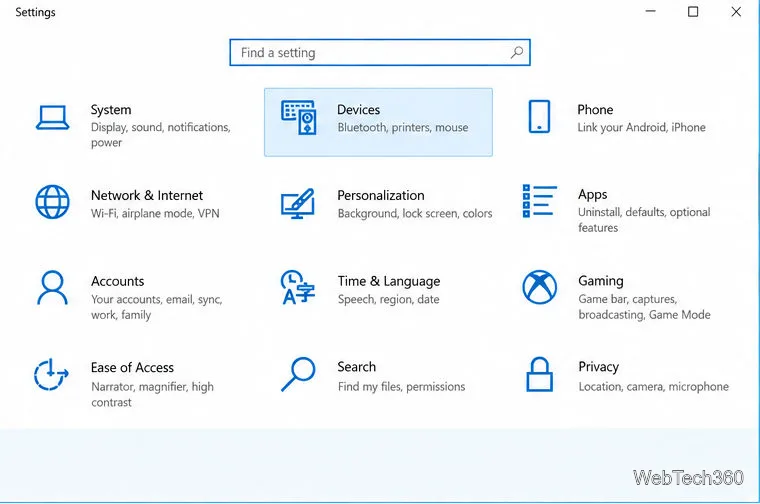
For thoroughness, use Windows Update: Settings > Windows Update > Check for updates. Install any available driver packs. This step has saved countless Windows 11 BSOD headaches – your PC will thank you with smoother performance! 🚀
3️⃣ Method 3: Check for Disk Errors with CHKDSK
A failing hard drive or SSD can corrupt critical processes, leading to the Critical Process Died error. Run CHKDSK to scan and repair disk issues.
In Command Prompt as Admin, type: chkdsk C: /f /r (Replace C: with your system drive). If prompted, schedule it for the next restart by typing Y and rebooting. This process verifies the file system and recovers bad sectors – essential for Windows 11 stability.
While it runs (it could take hours for large drives), grab a coffee. Coming back to a healthier disk often eliminates BSODs entirely.
4️⃣ Method 4: Perform a System Restore
If the error started after a recent change, roll back time with System Restore. This reverts your system to a previous stable state without affecting personal files.
Search for "System Restore" in the Start menu. Select a restore point from before the issue (e.g., pre-update). Follow the prompts – it's straightforward and reversible. For BSOD fix Windows 11, this is a gentle reset that keeps your data intact, restoring that "just works" feeling.
![Illustration of System Restore process for resolving Critical Process Died BSOD on Windows 11]()
5️⃣ Method 5: Scan for Malware and Optimize Startup
Malware can hijack critical processes, mimicking the "Critical Process Died" BSOD. Run a full scan with Windows Security: Settings > Privacy & security > Windows Security > Virus & threat protection > Scan options > Full scan.
Also, disable unnecessary startup programs via Task Manager (Ctrl + Shift + Esc > Startup tab). Lighter boot times reduce strain on system processes, preventing crashes. Feeling cleaner already? This combo tackles hidden threats head-on.
6️⃣ Advanced Fix: Reset or Reinstall Windows 11
If all else fails, reset Windows while keeping files: Settings > System > Recovery > Reset this PC > Keep my files. For a clean slate, choose Remove everything (back up first!). As a last resort, reinstall via a bootable USB from Microsoft's site.
These steps ensure your Windows 11 Critical Process Died issue is history. Most users fix it with the first few methods – persistence pays off!
Prevention Tips: Keep "Critical Process Died" BSOD Away for Good
Now that you've fixed it, let's prevent a encore. Regularly update Windows and drivers via Settings. Use reliable antivirus, avoid sketchy downloads, and monitor hardware health with tools like CrystalDiskInfo for drives. Schedule monthly SFC scans to catch issues early. By staying proactive, you'll enjoy a more reliable Windows 11 experience – no more surprise blues!
When to Seek Professional Help
If these steps don't resolve the BSOD, it might be hardware-related (e.g., RAM or overheating). Consult a technician or check warranty options. For software deep dives, forums like Microsoft's community can offer tailored advice.
For official guidance, visit Microsoft's BSOD troubleshooting page.
Wrapping Up: You've Got This!
Congratulations – tackling the "Critical Process Died" BSOD on Windows 11 just got a whole lot easier. With these proven steps, you're equipped to handle it confidently next time. Your PC is more than hardware; it's your gateway to productivity and fun. Share your success story in the comments below – did Method 1 save the day? Stay tuned for more Windows tips to keep things running seamlessly. You've conquered the blue screen; now go enjoy your day! 🎉