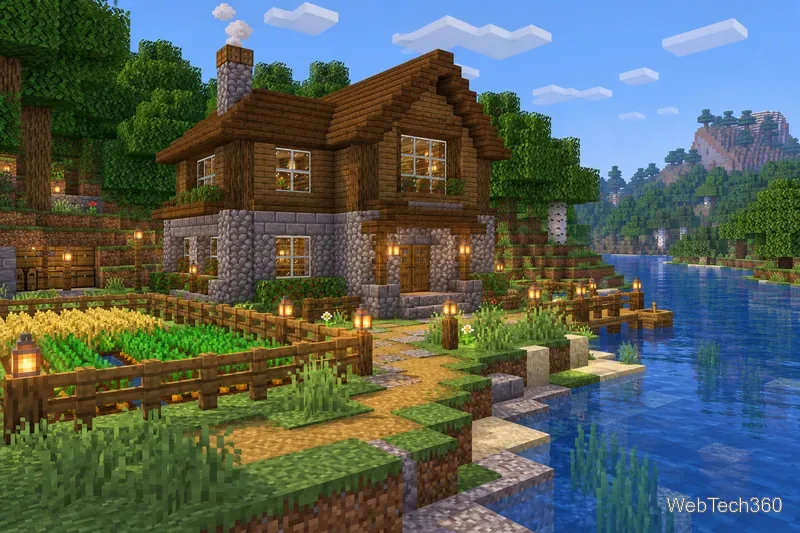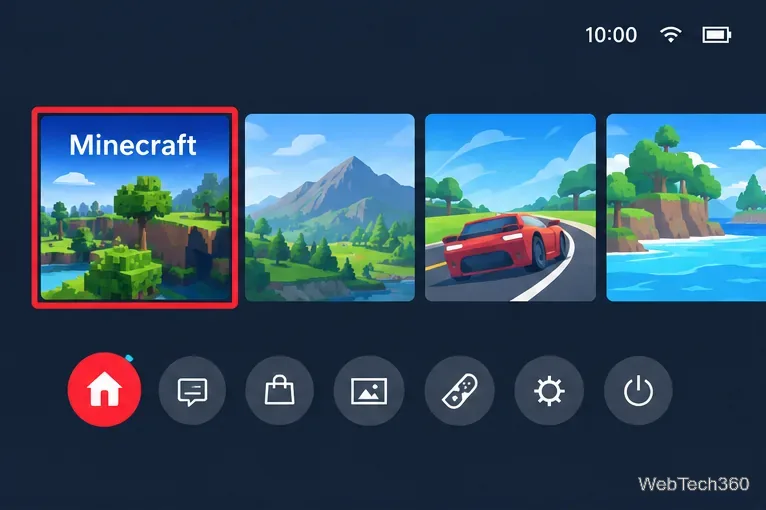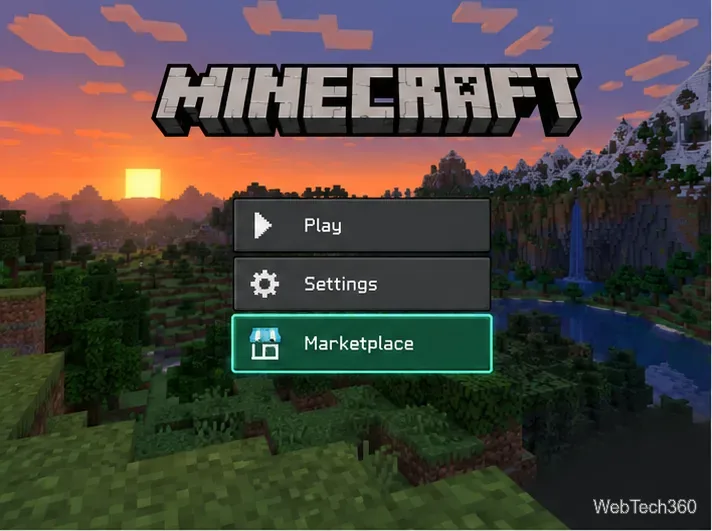
How to Make a Glass Bottle in Minecraft
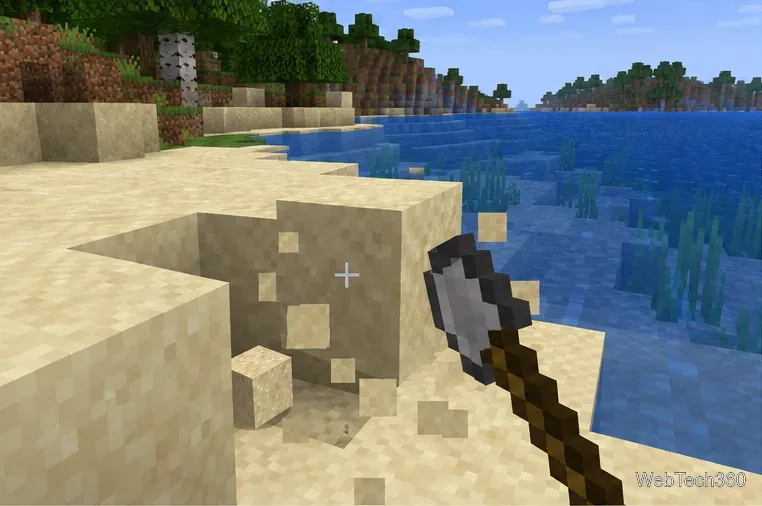
Learn the exact three-glass recipe, smelt sand into glass, and fill your Minecraft bottles with water for brewing.
Imagine this: You're deep into a gaming session or working on an important project when suddenly, your screen flashes blue with the dreaded DPC Watchdog Violation error. Your heart sinks as Windows 11 crashes, leaving you staring at the Blue Screen of Death (BSOD). Don't worry—this common issue is fixable, and we're here to guide you through it with simple, effective steps. By the end of this article, you'll have your system back up and running without the frustration. Let's dive in and reclaim your productivity! 😊
The DPC Watchdog Violation is a BSOD error code (0x00000133) that occurs when Windows detects a delay in processing Deferred Procedure Calls (DPCs). These are high-priority tasks handled by your drivers, often related to hardware like graphics cards, storage drives, or network adapters. In simple terms, it's like your PC's traffic cop yelling "timeout!" because something's holding up the queue.
On Windows 11, this error has become more noticeable with its enhanced hardware requirements and updates. Common triggers include outdated drivers, faulty hardware, or software conflicts. The good news? Most cases are software-related and can be resolved without a tech overhaul. Stick with us as we break down the fixes—each one building on the last to ensure you don't miss a beat. 🔧
Before jumping into fixes, let's pinpoint the cause. A quick check can save you time:
If it's hardware (like a failing SSD), you might need professional help. But for 90% of users, software tweaks do the trick. Ready to fix it? Let's start with the easiest methods. These steps are safe and reversible, so you can try them confidently. 👍
Outdated or corrupted drivers are the #1 culprit for DPC Watchdog Violation on Windows 11. Graphics and storage drivers top the list. Updating them can resolve delays in DPC processing instantly.
Pro Tip: For NVIDIA or AMD GPUs, download the latest drivers directly from their official sites for optimal Windows 11 compatibility. If updates don't help, proceed to the next method—it's a natural progression to deeper troubleshooting. 🚀
Windows 11 has smart tools to automate fixes. These are like having a mini IT support team at your fingertips.
| Troubleshooter | How to Access | What It Fixes |
|---|---|---|
| Hardware and Devices | Settings > System > Troubleshoot > Other troubleshooters | Driver conflicts and hardware glitches |
| Blue Screen | Same path; run after a crash | BSOD-specific issues like DPC timeouts |
| Windows Update | Settings > Update & Security > Troubleshoot | Patch-related errors causing violations |
Run these in order, apply any recommendations, and reboot. Many users report instant relief—imagine ditching that blue screen for good! If it persists, don't stop here; our next steps target storage issues, a frequent offender. 💡
A corrupted hard drive or SSD can cause DPC delays, especially if it's your boot drive. Windows 11's tools make repairs straightforward.
chkdsk C: /f /r (replace C: with your system drive) and press Enter. Schedule a scan on restart if prompted.sfc /scannow to repair system files.This method has saved countless systems from repeated crashes. Feeling empowered yet? Keep going; if storage is fine, software conflicts might be next. 😎
Sometimes, a recent Windows 11 update or third-party app (like antivirus or VPNs) triggers the error. Rolling back is quick and effective.
After changes, monitor for stability. This fix often feels like a fresh start—your PC breathing easy again. If you're still seeing the BSOD, advanced steps await. 📈
If basics don't cut it, try these:
These steps escalate logically, ensuring you only go as deep as needed. Most users fix it by Method 3, but if not, you're equipped for success. 🌟
Once fixed, prevent recurrences:
By staying proactive, you'll enjoy a smoother Windows 11 experience. We've covered everything from basics to advanced—now it's your turn to apply these and wave goodbye to BSODs. If you have questions, drop a comment below; we're in this together! 👏
Remember, if hardware failure is suspected (e.g., repeated crashes post-fixes), consult a professional. Your tech journey just got easier—happy computing!
Learn the exact three-glass recipe, smelt sand into glass, and fill your Minecraft bottles with water for brewing.
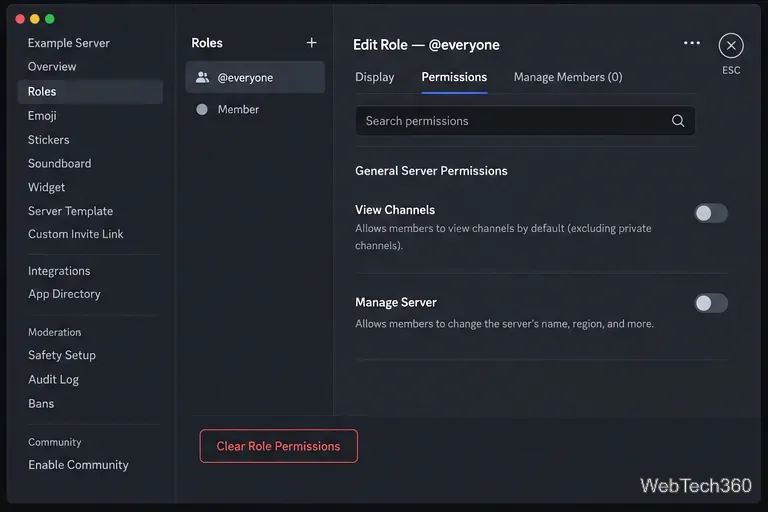
Control who can join, see channels, and find your Discord server with role permissions, invite links, and Discovery settings.
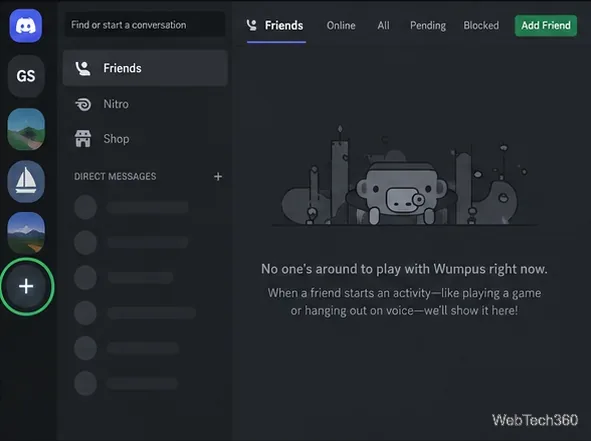
Create a Discord server in the desktop app or browser, organize channels, set permissions and safety tools, then share an invite that fits your group.
Build a renewable lava farm with pointed dripstone, one lava source, and a cauldron. Follow the setup, collection steps, and fixes for a cauldron that will not fill.
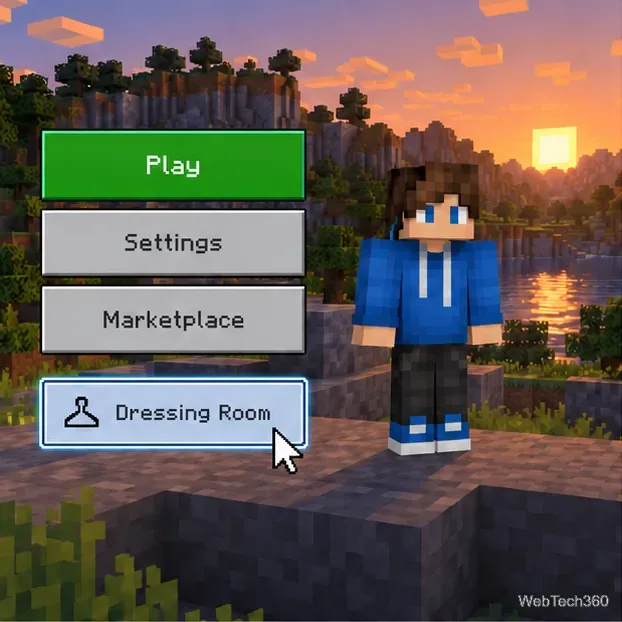
Fix a Minecraft skin that will not load by checking Bedrock Dressing Room, your Microsoft account, Marketplace downloads, updates, and Java skin settings.
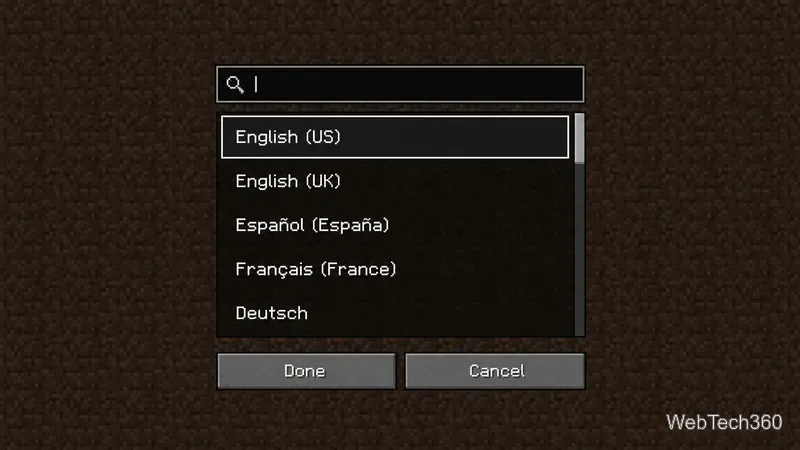
Minecraft language options differ between Java and Bedrock. See common languages, why old counts are unreliable, and where to check your edition.
Plan a practical Minecraft survival base with the essentials for safety, food, storage, and crafting, plus useful upgrades to add as your world grows.
Update Minecraft on Nintendo Switch from the HOME Menu, enable automatic updates, and troubleshoot when the console cannot find or install one.
Learn the official ways to get Minecoins in Minecraft, redeem a prepaid code, spend coins on Marketplace content, and fix a missing balance.
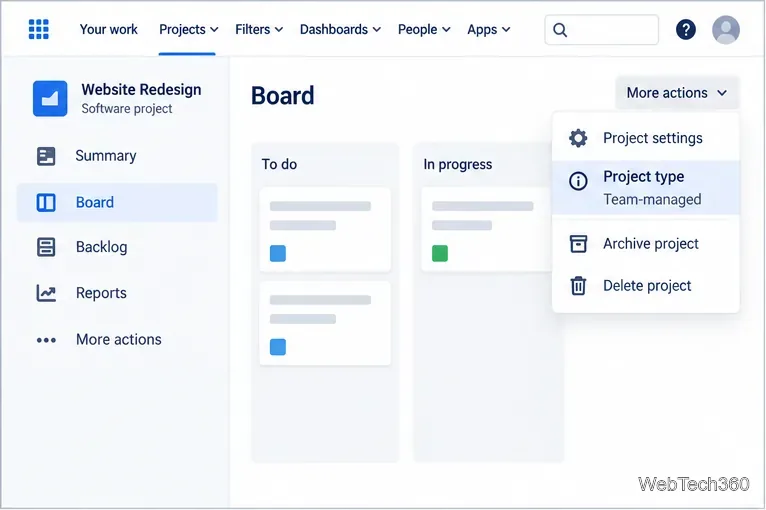
Learn how to add Jira users to team-managed and company-managed projects, assign the right role, and share a board’s saved filter safely.