How to Set Up an Email Signature in Outlook.com
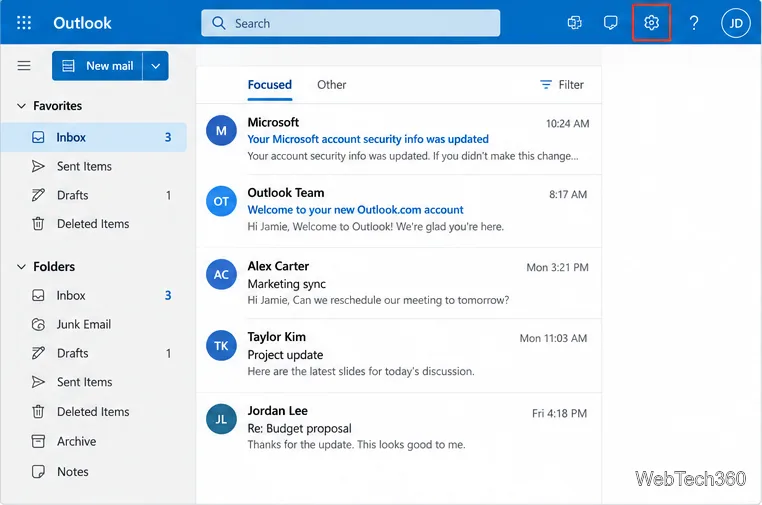
Create a reusable Outlook.com email signature, choose when it appears automatically, and insert it manually when you need a different sign-off.
Encountering the dreaded KMODE_EXCEPTION_NOT_HANDLED Blue Screen of Death (BSOD) on your Windows 11 PC can feel like a total nightmare—your screen freezes, and suddenly you're staring at that ominous error message. But don't worry! This guide is here to help you tackle it head-on with simple, effective solutions. Whether it's a driver glitch or a hardware hiccup, we'll walk you through fixing the KMODE_EXCEPTION_NOT_HANDLED error so you can get back to what you love without the frustration. Let's dive in and reclaim your smooth Windows 11 experience! 😊
The KMODE_EXCEPTION_NOT_HANDLED error is a critical system failure in Windows 11, indicating that a kernel-mode process (the core of your operating system) has encountered an unhandled exception. In plain English, it's when essential software—like drivers or system files—tries to do something it can't handle, causing your PC to crash to prevent further damage.
This BSOD often pops up during startup, gaming, or routine tasks. Common culprits include outdated drivers, corrupted system files, faulty hardware (like RAM or hard drives), or even recent Windows updates. The good news? Most cases are fixable without needing a tech wizard. By following these steps, you'll not only resolve the issue but also learn how to prevent it from returning. Ready to troubleshoot? Let's start with the basics.
Before diving deep, give your PC a simple reboot—sometimes that's all it takes to clear temporary glitches causing the KMODE_EXCEPTION_NOT_HANDLED error. If the crash persists, boot into Safe Mode to isolate the problem.
Pro tip: If stable in Safe Mode, the culprit is likely a driver or app. This step alone resolves many Windows 11 BSOD issues—fingers crossed for you! ✨
Outdated or incompatible drivers are a top cause of the KMODE_EXCEPTION_NOT_HANDLED error. Windows 11 relies heavily on drivers for hardware like graphics cards and network adapters, and glitches here can trigger crashes.
Staying updated keeps your system robust against errors like KMODE_EXCEPTION_NOT_HANDLED. If you're on the latest Windows 11 version (as of 2026), these updates incorporate enhanced stability for modern hardware.
Corrupted system files can wreak havoc, leading to the KMODE_EXCEPTION_NOT_HANDLED BSOD. Microsoft's built-in tools can scan and repair them effortlessly.
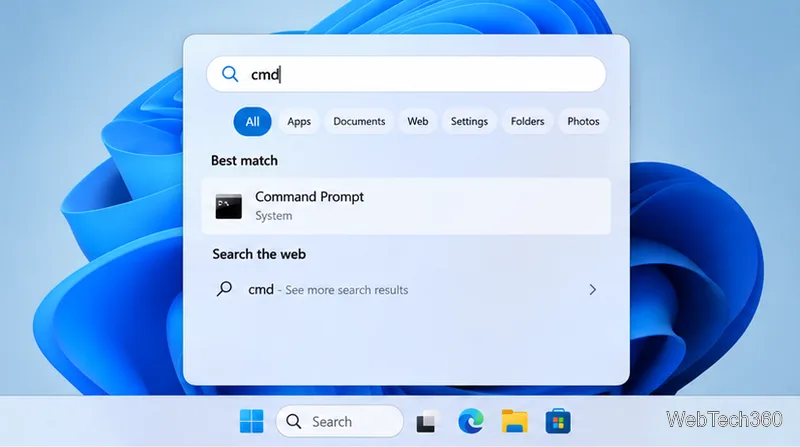
Open Command Prompt as Administrator (search for "cmd" in Start, right-click > Run as admin) and run these commands one by one:
DISM /Online /Cleanup-Image /RestoreHealth – This repairs the Windows image.sfc /scannow – Scans and fixes protected system files.These tools are like a digital doctor for your OS, restoring health without data loss. Run them after a restart for best results—your PC will thank you! 👍
While software fixes handle most cases, hardware faults like bad RAM or overheating can cause the KMODE_EXCEPTION_NOT_HANDLED error. Let's verify:
chkdsk C: /f /r and schedule a scan on restart.If diagnostics flag issues, consider professional help or replacing faulty components. This step ensures your hardware isn't the hidden villain behind the BSOD.
A recent Windows update or app installation might be clashing with your system, triggering KMODE_EXCEPTION_NOT_HANDLED. Roll back to test:
Antivirus or VPN software often causes conflicts—temporarily disable them to confirm. This targeted approach minimizes disruption while pinpointing the issue.
If basics don't cut it, leverage Windows 11's advanced tools. The built-in Blue Screen Troubleshooter (in Settings > System > Troubleshoot > Other troubleshooters) can auto-detect KMODE_EXCEPTION_NOT_HANDLED causes.
Also, check Event Viewer: Search for it in Start, navigate to Windows Logs > System, and filter for errors around crash times. Look for details on faulty drivers (e.g., .sys files) to target updates precisely.
For stubborn cases, consider a System Restore: Search "Create a restore point," then choose a point before the crashes began. It's a safety net that reverts changes without erasing files.
Fixing is great, but preventing the KMODE_EXCEPTION_NOT_HANDLED error keeps your Windows 11 hassle-free:
By staying proactive, you'll enjoy a more reliable PC. If all else fails, a clean Windows 11 reinstall (via Settings > System > Recovery > Reset this PC) is a last resort—back up data first!
| Cause | Symptom | Fix |
|---|---|---|
| Outdated Drivers | Crashes during specific tasks like gaming | Update via Device Manager or manufacturer site |
| Corrupted Files | Random BSOD on startup | Run SFC /scannow and DISM |
| Faulty Hardware | Frequent crashes under load | Run Memory Diagnostic and CHKDSK |
| Recent Update | Error after installing new software/update | Uninstall and test |
There you have it—a complete roadmap to banish the KMODE_EXCEPTION_NOT_HANDLED error from your Windows 11 life. Start with the simple steps, and work your way up. If you're still stuck, Microsoft's support forums are a goldmine—check them out for community wisdom. You've got this; your PC will be purring like new in no time! 🚀
For more in-depth troubleshooting, visit Microsoft's official BSOD guide.
Create a reusable Outlook.com email signature, choose when it appears automatically, and insert it manually when you need a different sign-off.
Open Command Prompt with Start search, Run, File Explorer, or Windows Terminal. See how to launch it as an administrator and find it on older PCs.
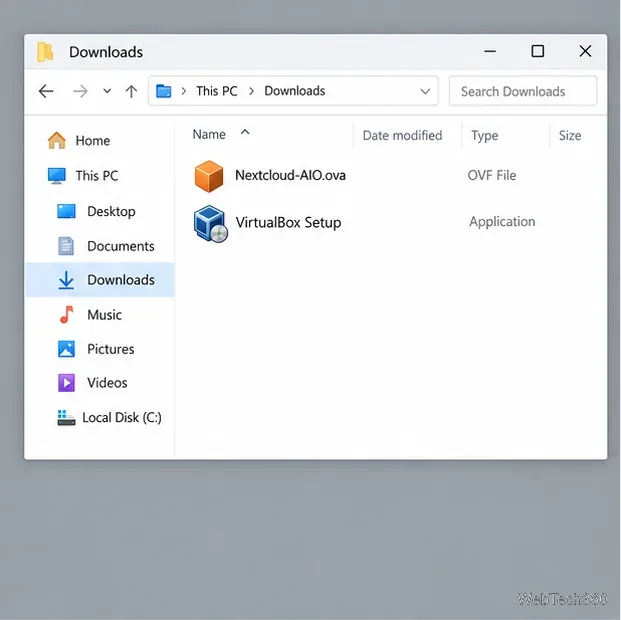
Set up a Nextcloud sync server on Windows Server with the AIO virtual machine, VirtualBox, bridged networking, domain, HTTPS, and backup guidance.
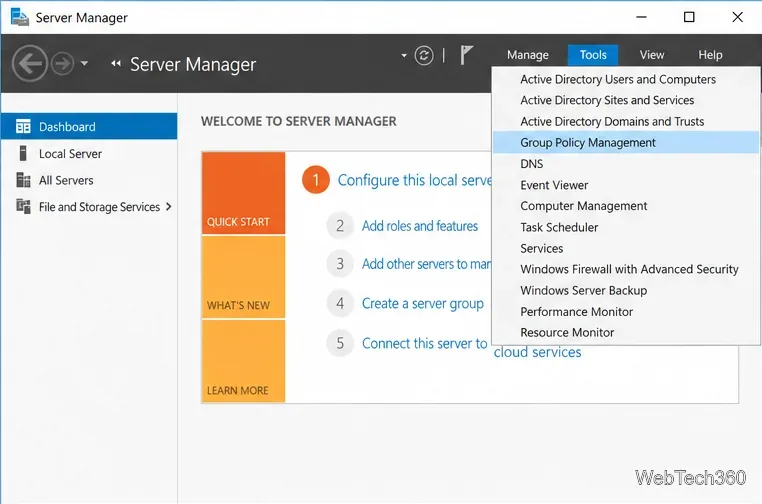
Learn how to create, link, configure, and verify a Windows Server Group Policy Object with a pilot OU, a wallpaper example, and troubleshooting checks.
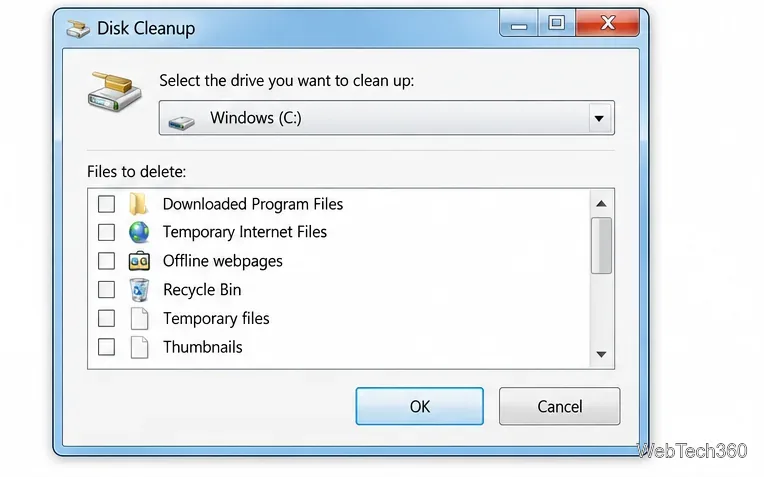
Learn how Windows 7 Disk Cleanup, Disk Defragmenter, System Restore, and built-in troubleshooters handle common maintenance tasks, with important safety limits.
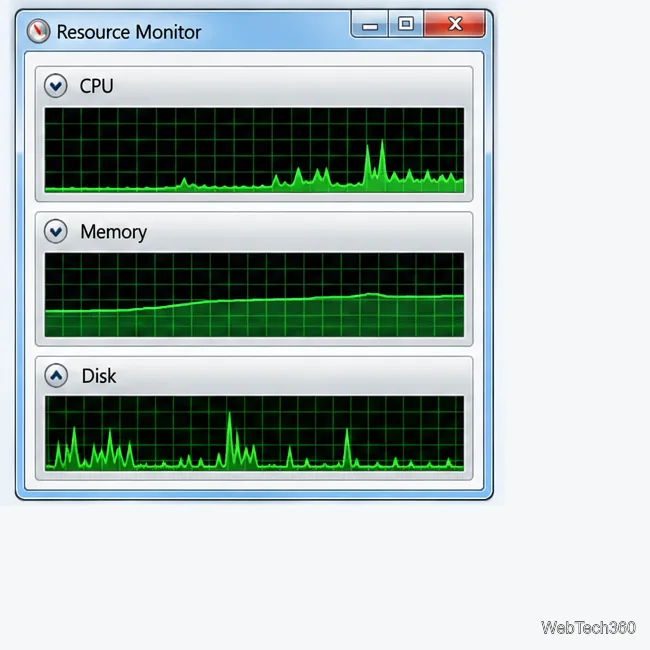
Speed up a Windows 7 PC by finding bottlenecks, reducing startup load, clearing disk space, adjusting visual effects, and upgrading wisely.
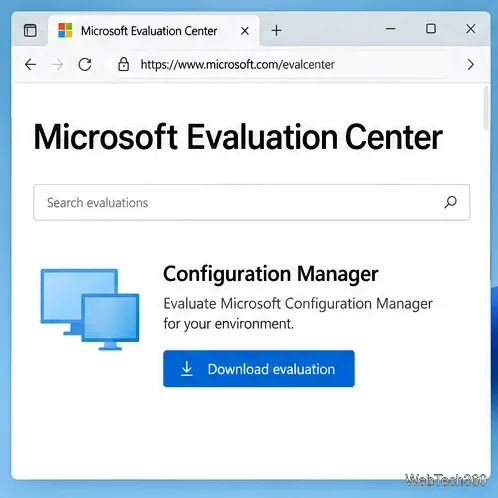
Set up Configuration Manager as a standalone primary site with supported Windows Server, SQL Server, evaluation media, and current setup prerequisites.
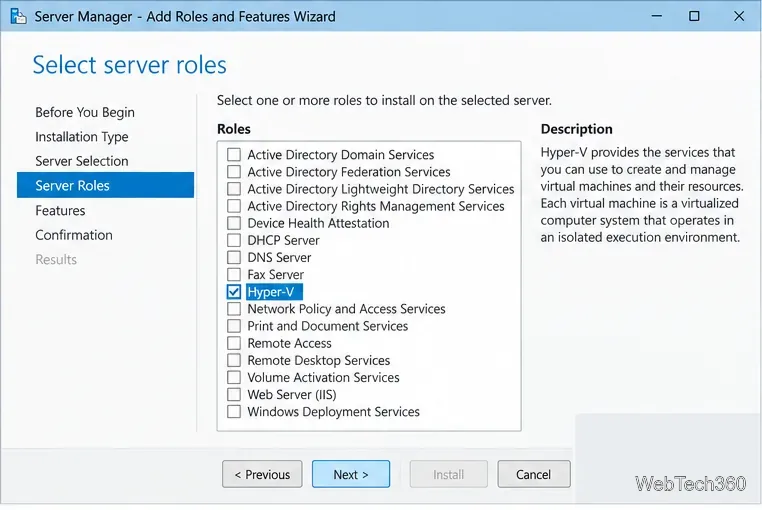
Host GitLab Self-Managed on Windows Server by running Ubuntu Server in Hyper-V, then configure its network, HTTPS address, first login, and backups.
Install Abyss Web Server X1 on Windows Server, create the console login, publish a test page, and configure the service to start at boot.
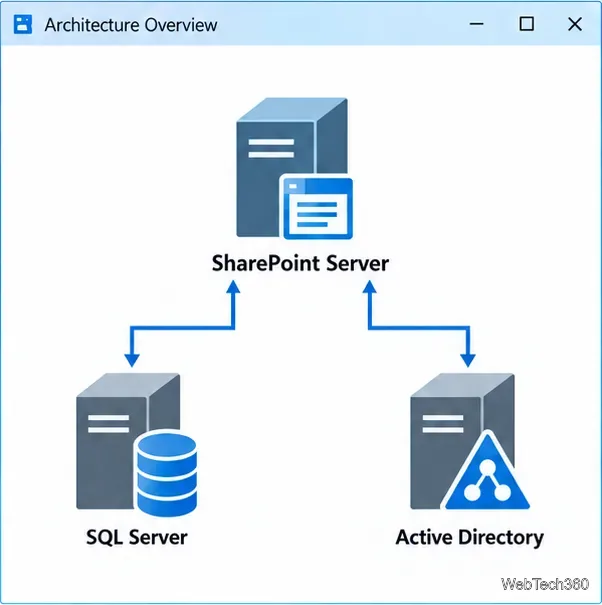
Install SharePoint Server Subscription Edition on Windows Server with current hardware, SQL, prerequisite, setup, and farm-configuration guidance.