How to Make a Glass Bottle in Minecraft
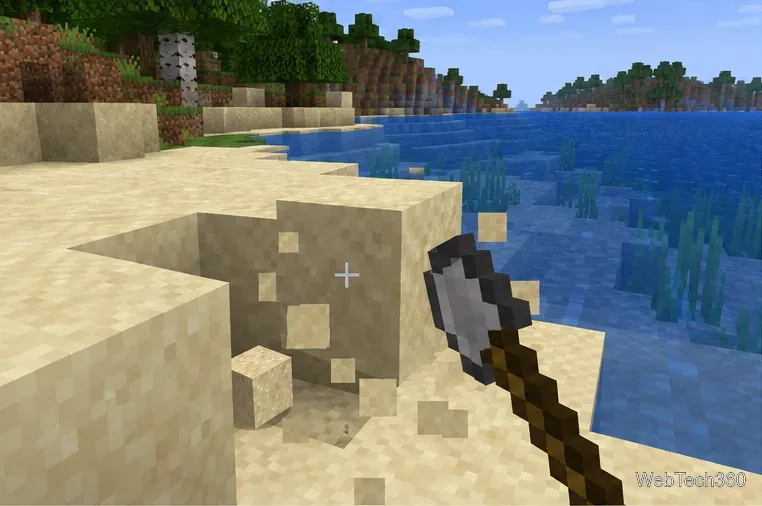
Learn the exact three-glass recipe, smelt sand into glass, and fill your Minecraft bottles with water for brewing.
Imagine powering on your PC, only to be hit with the dreaded Windows 11 "Unmountable Boot Volume" error – a Blue Screen of Death (BSOD) that stops everything in its tracks. 😩 It's frustrating, but don't panic! This common issue often stems from corrupted boot files, hardware glitches, or driver conflicts, and the good news is it's usually fixable without expert help. In this concise guide, we'll walk you through the most effective, up-to-date methods to resolve the unmountable boot volume error Windows 11, keeping your data safe and your system running smoothly. By the end, you'll feel empowered to tackle it yourself – let's dive in and get you back online! 💪
The unmountable boot volume error (stop code 0x000000ED) means Windows can't access the drive containing your operating system. This prevents booting and displays a BSOD. In recent Windows 11 updates, it's often linked to SSD wear, faulty cables, or file system errors from sudden shutdowns. No need to worry – most cases are software-related and reversible. Understanding this sets the stage for quick fixes, so keep reading to reclaim your PC! 🌟
Before jumping into repairs, prepare to avoid further issues. You'll need:
These steps ensure a smooth process. Ready? Let's start with the simplest fixes that often resolve the BSOD unmountable boot volume in under 30 minutes.
Safe Mode loads minimal drivers, helping isolate the problem. Here's how:
sfc /scannow (repairs system files)chkdsk C: /f /r (checks and fixes disk errors – replace C: with your boot drive).bootrec /fixmbrbootrec /fixbootbootrec /rebuildbcd
If Safe Mode works, update drivers via Device Manager – outdated ones are a top culprit in Windows 11 boot failure solutions. Feeling progress already? Great – but if it persists, move to the next level. 🚀
Windows' built-in tool shines here. Boot from your installation USB:
This targets corrupted boot sectors directly. For stubborn errors, follow up with DISM in Command Prompt:
DISM /Online /Cleanup-Image /RestoreHealthPro tip: If you're on an SSD, ensure TRIM is enabled (run fsutil behavior query DisableDeleteNotify – it should return 0). This keeps your drive healthy long-term. Success here means you're almost done – but what if hardware is involved? Let's check. 🔍
Sometimes, the repair Windows boot error is physical. Open your PC case (unplug power first!):
| Component | Action | Why It Helps |
|---|---|---|
| SATA Cables | Reseat or replace cables connecting your drive to the motherboard. | Loose connections mimic boot volume issues. |
| HDD/SSD | Ensure secure mounting; test on another port. | Faulty ports cause intermittent failures. |
| RAM | Reseat sticks; test one at a time. | Bad RAM corrupts boot data. |
After hardware tweaks, rerun chkdsk. If you're not comfortable, consult a tech – but many users fix it DIY. This step prevents recurrence, giving you peace of mind. 👍
For deeper issues, boot from USB into Command Prompt:
diskpart > list volume).bootrec /scanos to detect Windows installations.format C: /FS:NTFS (warning: backs up data first! This is last resort).Stuck on BitLocker? Decrypt via recovery key first. These commands are gold for fix Windows 11 unmountable boot volume – precise and powerful. If all else fails, consider a clean install, but try these first to save time. You're doing great; let's wrap up with prevention. 🌈
To keep your Windows 11 humming:
These habits extend your PC's life and dodge BSOD headaches. For more on Windows maintenance, explore our guides on optimizing performance.
If fixes fail or you're dealing with data loss, don't hesitate – contact Microsoft Support or a certified technician. For hardware diagnostics, tools like CrystalDiskInfo can flag failing drives early. Remember, most unmountable boot volume error Windows 11 cases are solvable at home, boosting your confidence as a tech-savvy user!
Congratulations – you've got the tools to conquer this error. Boot up successfully? Share your win in the comments below. If not, reply for personalized tips. Stay powered on! 🎉
For official guidance, visit Microsoft Support.
Learn the exact three-glass recipe, smelt sand into glass, and fill your Minecraft bottles with water for brewing.
Control who can join, see channels, and find your Discord server with role permissions, invite links, and Discovery settings.
Create a Discord server in the desktop app or browser, organize channels, set permissions and safety tools, then share an invite that fits your group.
Build a renewable lava farm with pointed dripstone, one lava source, and a cauldron. Follow the setup, collection steps, and fixes for a cauldron that will not fill.
Fix a Minecraft skin that will not load by checking Bedrock Dressing Room, your Microsoft account, Marketplace downloads, updates, and Java skin settings.
Minecraft language options differ between Java and Bedrock. See common languages, why old counts are unreliable, and where to check your edition.
Plan a practical Minecraft survival base with the essentials for safety, food, storage, and crafting, plus useful upgrades to add as your world grows.
Update Minecraft on Nintendo Switch from the HOME Menu, enable automatic updates, and troubleshoot when the console cannot find or install one.
Learn the official ways to get Minecoins in Minecraft, redeem a prepaid code, spend coins on Marketplace content, and fix a missing balance.
Learn how to add Jira users to team-managed and company-managed projects, assign the right role, and share a board’s saved filter safely.