How to Check Hard Drive Health in Windows Server
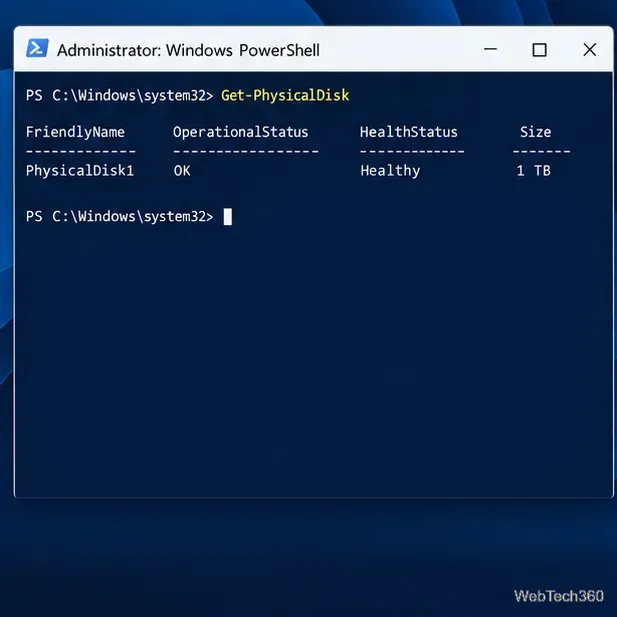
Check Windows Server disk status and reliability counters, verify SMART data when available, and separate hardware warnings from NTFS errors.
Imagine booting up your Windows 11 PC, only to be hit with the frustrating "A Disk Read Error Occurred" message. Your heart sinks as the screen freezes on that dreaded blue backdrop. Don't panic! This common issue, often tied to hard drive problems, corrupted boot files, or loose connections, is fixable with the right steps. In this concise guide, we'll walk you through practical solutions to resolve the Windows 11 disk read error quickly and safely. By the end, you'll have your system humming again, saving you time and stress. Let's dive in and reclaim your productivity! 😊
Understanding the root of the problem empowers you to fix it faster. The disk read error typically signals that your PC can't access essential data from the hard drive or SSD. Common culprits include:
Recent Windows 11 updates have refined error-handling, but these issues persist, especially on older hardware. The good news? Most fixes don't require advanced tools or a tech wizard. We'll start with simple troubleshooting and escalate as needed. Ready to troubleshoot? Follow these steps in order for the best results.
Sometimes, the simplest fix resolves the Windows 11 disk read error. Power off your PC completely (hold the power button if needed), unplug it, and wait 30 seconds. This clears temporary glitches.
Next, inspect hardware:
Pro tip: If you're using an external drive, disconnect it – it might be the source. This step alone fixes about 20% of cases, per Microsoft forums. Feeling optimistic? Let's keep going!
If restarts fail, access WinRE to diagnose deeper issues. Here's how:
chkdsk C: /f /r and press Enter. This scans and repairs bad sectors on your drive. It may take time – be patient!CHKDSK is a powerhouse tool in Windows 11, updated in recent builds to handle SSDs more efficiently. If it finds errors, it'll prompt repairs. Success here? Great! If not, proceed to boot repairs.
A corrupted MBR often triggers the disk read error. Stay in WinRE's Command Prompt and run these commands one by one:
| Command | Purpose |
|---|---|
bootrec /fixmbr |
Repairs the Master Boot Record. |
bootrec /fixboot |
Fixes the boot sector. |
bootrec /scanos |
Scans for Windows installations. |
bootrec /rebuildbcd |
Rebuilds the Boot Configuration Data. |
After running these, type exit and restart. These tools are built into Windows 11 and have been optimized for faster recovery in the latest updates. If your drive is an NVMe SSD, this should restore access without data loss. Stuck? Don't worry – we're building toward full recovery.
From WinRE, choose Troubleshoot > Advanced options > Startup Repair. Let it automatically detect and fix boot issues. If that doesn't work:
sfc /scannow to scan and repair corrupted system files.DISM /Online /Cleanup-Image /RestoreHealth to fix the Windows image if SFC flags issues.These commands target software-side problems in Windows 11 disk read error scenarios. Microsoft recommends them as first-line defenses against file corruption. Your PC should boot normally now – fingers crossed! 🎉
If you can boot into Windows, update your drivers:
For deeper hardware checks, use the built-in tool: Search for mdsched.exe and run the Windows Memory Diagnostic. If errors persist, your drive might be failing. Back up data immediately using an external tool like Macrium Reflect (free version available).
Warning: If CHKDSK reports unrepairable bad sectors, consider replacing the drive. Tools like CrystalDiskInfo can monitor drive health – download from a trusted source for peace of mind.
For stubborn cases, try these:
These methods preserve your data where possible. If you're dealing with a laptop, check the manufacturer's support site for model-specific tweaks.
Once fixed, prevent recurrence:
By staying proactive, you'll minimize downtime and enjoy a smoother Windows 11 experience. Remember, most disk read errors are recoverable – you've got this!
Fixing the "A Disk Read Error Occurred" on Windows 11 doesn't have to be overwhelming. Start with the basics, escalate methodically, and you'll likely resolve it without professional help. If issues linger, consult a technician or Microsoft's support. Share your success in the comments – did these steps save your day? For more Windows tips, stick around. Your smooth-running PC awaits! 👏
For official guidance, visit Microsoft's disk error troubleshooting page.
Check Windows Server disk status and reliability counters, verify SMART data when available, and separate hardware warnings from NTFS errors.
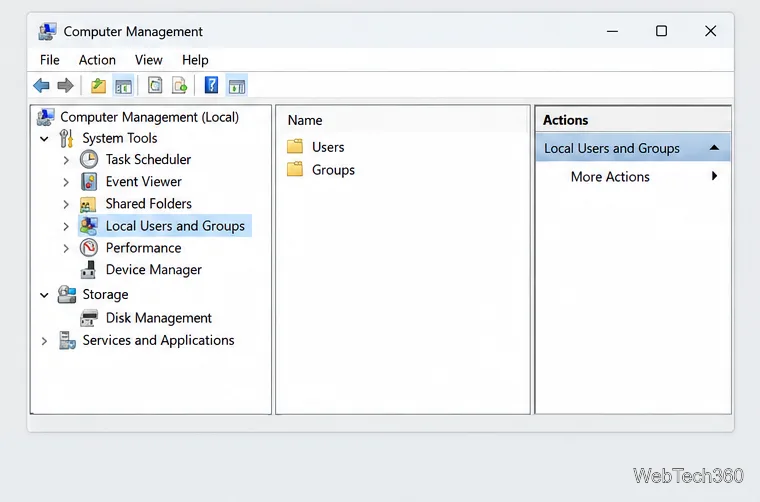
Create, grant admin rights to, disable, or remove local Windows Server users with Computer Management or PowerShell. Learn when to use Active Directory instead.
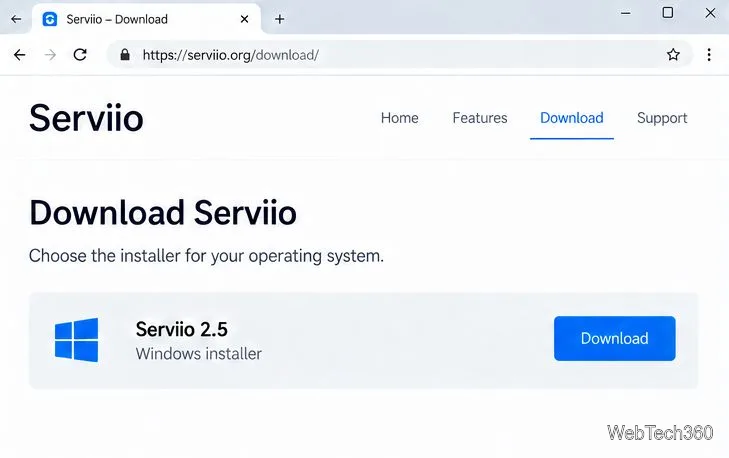
Install Serviio on Windows Server, share local or NAS media folders, and test DLNA playback. Learn how to check the Windows service, firewall, and Pro-only browser features.
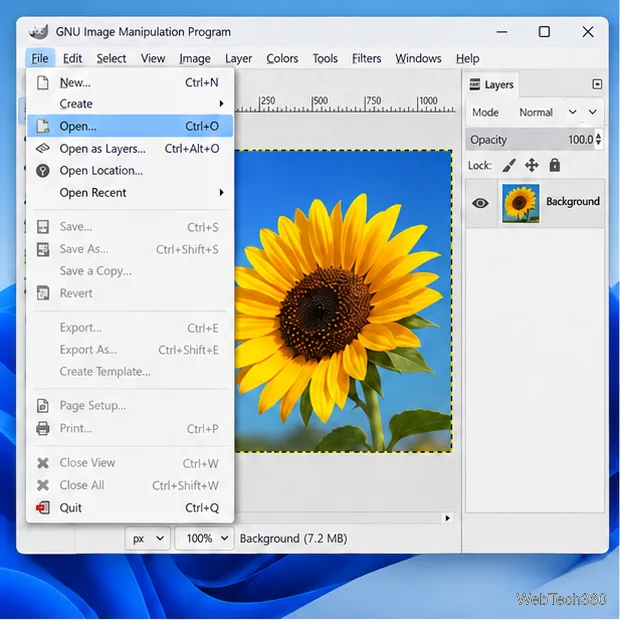
Convert PNG, JPG, or BMP files to Windows ICO with GIMP. Prepare a square image, keep transparency when needed, add standard sizes, and check the export.
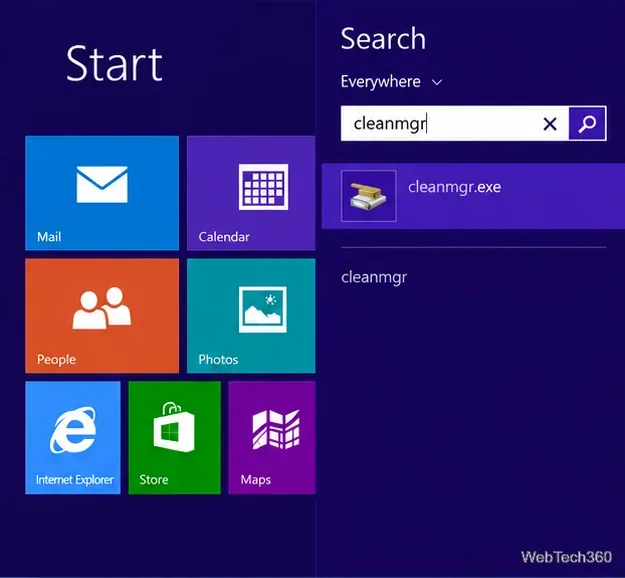
Clear thumbnail, DNS, Internet Explorer, Microsoft Store, Search, and Live Tile data with Windows 8’s built-in tools, and learn what each cleanup removes.
Turn off Windows 10 item check boxes in File Explorer with the View ribbon, or use Folder Options if the toggle is missing. See what changes and how to select multiple files without boxes.
Install VMware Workstation Pro on a compatible Windows Server host, from checking support and downloading the right build to creating your first VM.
Browse and copy Ext2, Ext3, or Ext4 files on Windows with a read-only workflow. See what Linux Reader’s free edition supports and when WSL fits.
Install Caddy’s native Windows binary, serve a test site, enable automatic HTTPS for a domain, and run Caddy as a Windows Server service.
Run Linux Docker containers alongside Windows Server by creating an Ubuntu Hyper-V VM, installing Docker Engine, and publishing a test service safely.