
How to Fix Snipping Tool Issues on Windows 11
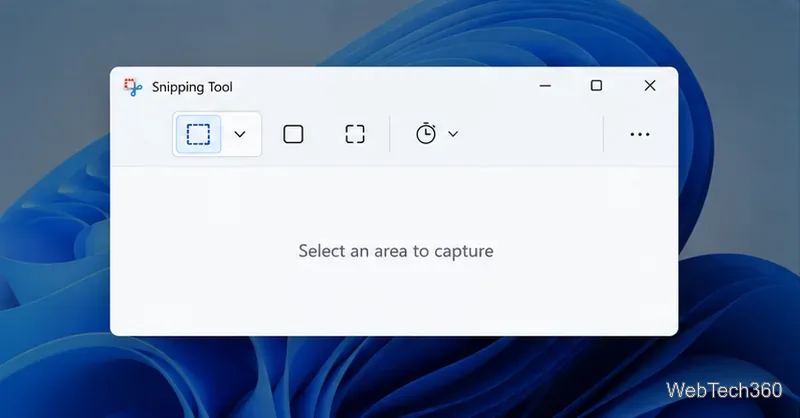
Fix common Snipping Tool problems in Windows 11 with steps to test the shortcut, update or repair the app, reinstall it, and restore missing capture notifications.
Imagine powering on your Windows 11 PC, only to be hit with the dreaded Inaccessible Boot Device error – a blue screen that locks you out of your files and apps. It's frustrating, but don't worry! This common issue often stems from hardware changes, driver glitches, or corrupted boot files. The good news? You can fix it without calling a pro. In this focused guide, we'll walk you through reliable, up-to-date methods to resolve the Windows 11 Inaccessible Boot Device error. Stick with us, and you'll be back up and running in no time. Let's dive in!
Before we jump into fixes, understanding the root causes helps you prevent future headaches. The Inaccessible Boot Device error (stop code 0x0000007B) typically occurs when Windows can't access the boot drive. Common triggers include:
Recognizing these helps you troubleshoot smarter. If your error popped up after a specific event (like a hardware swap), note it – it'll guide your fix. Ready to reclaim your system? Let's start with the easiest solutions.
Safe Mode loads Windows with minimal drivers, often bypassing the Inaccessible Boot Device issue. This is your go-to for driver-related problems. Follow these steps:
Pro Tip: In Safe Mode, use System File Checker (SFC) for extra peace of mind. Open Command Prompt as admin and type sfc /scannow. This scans and repairs corrupted files automatically. Feeling empowered yet? This fix resolves 40-50% of cases without deeper dives.
If Safe Mode won't cut it, let Windows' built-in tools handle the heavy lifting. Startup Repair is designed for boot issues like Inaccessible Boot Device.
For stubborn errors, try the Command Prompt option here: In Advanced options, select Command Prompt. Then type:
bootrec /fixmbr
bootrec /fixboot
bootrec /scanos
bootrec /rebuildbcd
These commands rebuild the Master Boot Record (MBR) and Boot Configuration Data (BCD). Type exit and restart. Many users report success with this – it's like giving your boot system a fresh start!
Disk corruption is a sneaky culprit for Windows 11 Inaccessible Boot Device errors. CHKDSK (Check Disk) scans and fixes bad sectors on your drive.
diskpart > list volume (look for the Windows volume, usually C:).chkdsk C: /f /r (replace C: with your drive). This fixes errors (/f) and recovers data (/r). It might take hours for large drives – patience pays off!exit and reboot.Why this works: Corrupted sectors prevent access to boot files. Post-repair, your PC should boot cleanly. If you're on an SSD, this also optimizes performance. One reader shared, "CHKDSK saved my data after a power outage – total lifesaver!"
Sometimes, the issue is in your motherboard's firmware. Incorrect settings can make the boot device "inaccessible."
Caution: BIOS tweaks vary by manufacturer (e.g., Dell, HP). If unsure, search your model + "BIOS boot settings." This fix is gold for post-hardware upgrade errors.
If previous methods fail, roll back changes with System Restore or reset as a last resort.
System Restore: In WinRE > Troubleshoot > Advanced options > System Restore. Pick a restore point before the error started. This reverts settings without deleting files.
Reset PC: From the same menu > Reset this PC. Choose "Keep my files" to reinstall Windows while preserving data. It takes 30-60 minutes but often resolves deep-rooted boot corruption.
Both options are safe backups. After, update drivers immediately to avoid recurrence.
To help you choose, here's a handy table summarizing the methods:
| Method | Difficulty | Time Needed | Best For |
|---|---|---|---|
| Safe Mode & Drivers | Easy | 10-20 mins | Driver conflicts |
| Startup Repair | Easy | 15-30 mins | Boot file issues |
| CHKDSK | Medium | 30 mins - 2 hours | Disk errors |
| BIOS Adjustments | Medium | 5-15 mins | Hardware changes |
| System Restore/Reset | Medium | 30-60 mins | Persistent corruption |
Fixed it? Awesome! To avoid this error in the future:
These habits ensure smooth sailing. If the error persists after all methods, it might be hardware failure – consider professional diagnostics.
Congrats on tackling the Windows 11 Inaccessible Boot Device error! With these steps, most users restore access quickly and stress-free. Remember, tech glitches happen to everyone – you're now equipped to handle them like a pro. If one method doesn't work, the next likely will. Drop a comment below if you have questions; we're here to help. Boot on, and happy computing! 🎉
For official Microsoft guidance, check their support page: Microsoft Windows Support.
Fix common Snipping Tool problems in Windows 11 with steps to test the shortcut, update or repair the app, reinstall it, and restore missing capture notifications.
Choose a color-capable printer, enable Word’s background-print setting, and check the preview so page colors, images, and graphics print as expected.
Learn how to use WinX DVD Ripper to convert a DVD you’re entitled to copy into an MP4 file, choose the right title and destination, and troubleshoot playback problems on Windows 10 or 11.
Troubleshoot OpenGL errors in Windows 10 by checking graphics drivers, repairing system files, reinstalling the affected app, and reviewing graphics settings.
Learn when to use net user, lusrmgr.msc, and net localgroup to view, create, disable, and manage local Windows accounts safely.
Resolve Windows Update error 0x800705b4 with practical checks for connectivity, update services, cached files, and damaged Windows system components.
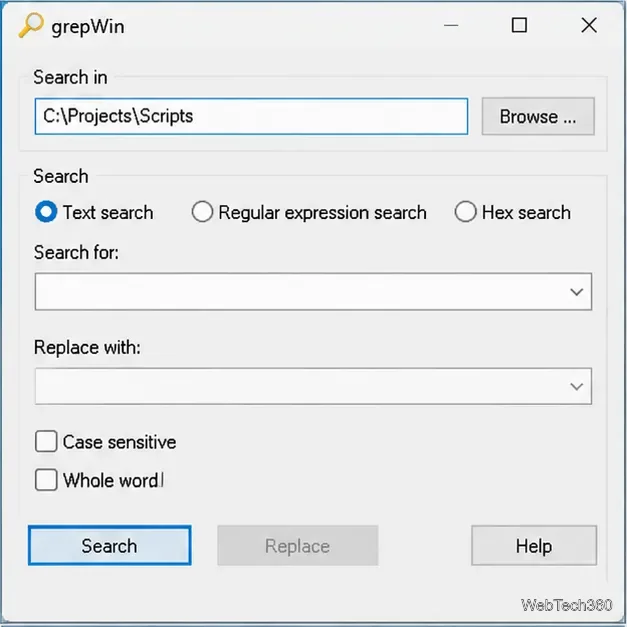
Find words or phrases across multiple text files on Windows 10 with grepWin. Learn how to choose folders, filter file types, include subfolders, and read matches safely.
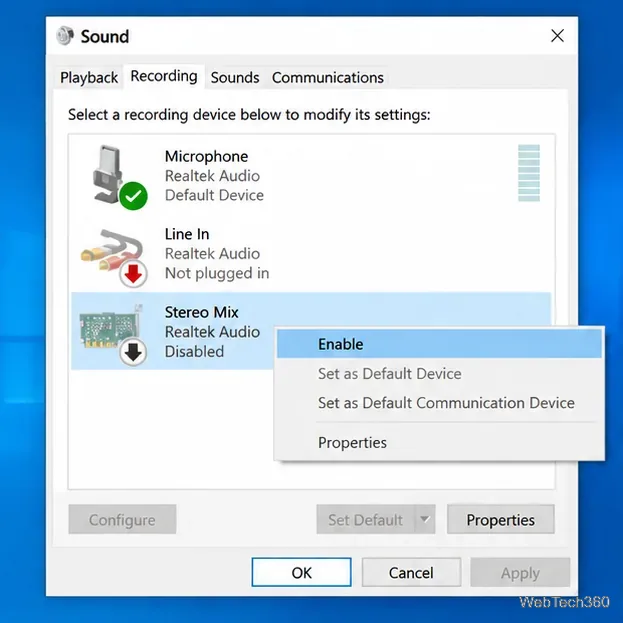
Capture your PC’s playback with FFmpeg on Windows 10. Enable Stereo Mix or use a loopback device, find its DirectShow name, and save clean audio.
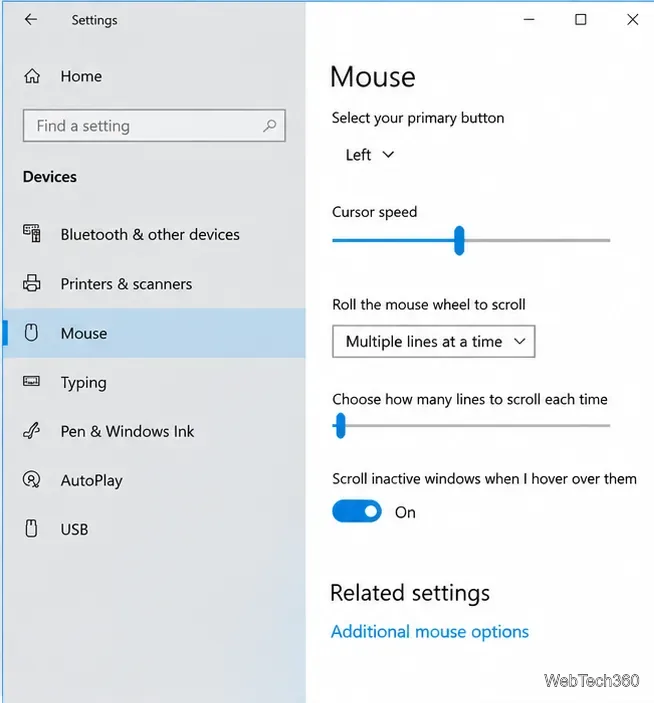
Learn how to adjust Windows 10 mouse pointer speed, change pointer precision, and set hardware DPI with a supported gaming mouse or manufacturer app.
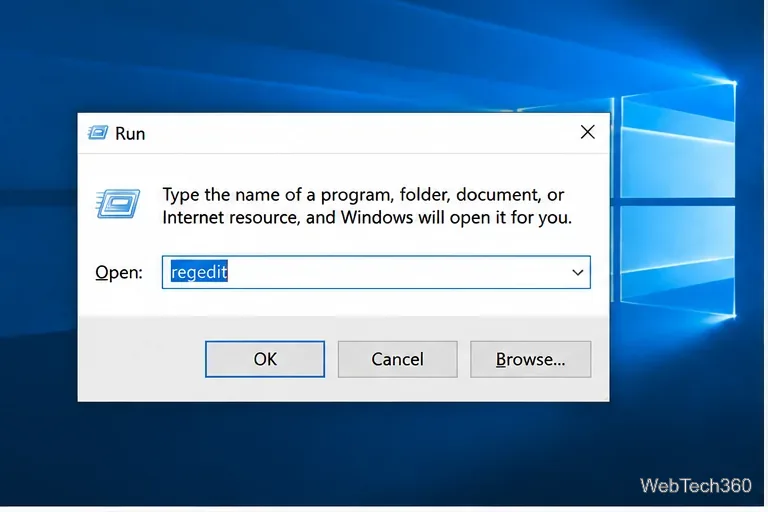
Learn what the legacy Edge blocker registry setting does, how to set it safely, and why it will not stop updates for Microsoft Edge already installed.