
How to Check Hard Drive Health in Windows Server
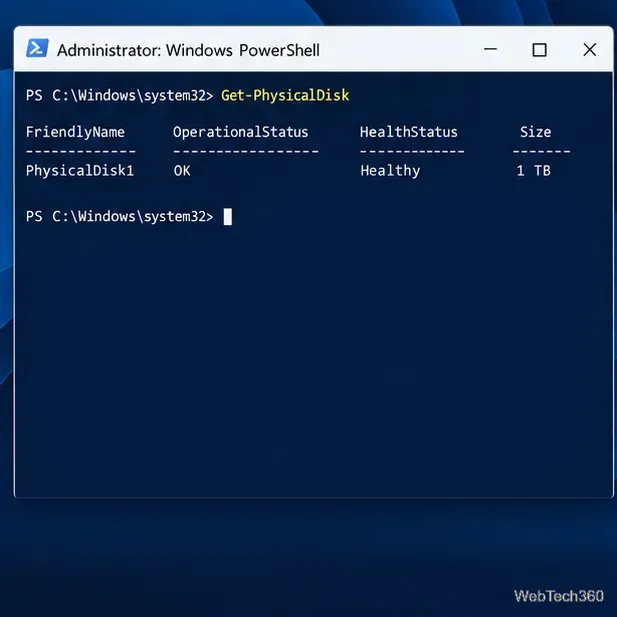
Check Windows Server disk status and reliability counters, verify SMART data when available, and separate hardware warnings from NTFS errors.
Imagine your PC freezing mid-task, only to be hit with a dreaded Windows 11 "Memory Management" error blue screen. It's frustrating, right? 😩 This common BSOD (Blue Screen of Death) issue disrupts everything from gaming to work, but don't worry—it's fixable! In this concise guide, we'll walk you through the most effective ways to fix Windows 11 Memory Management error, using the latest troubleshooting methods. By the end, your system will run smoothly again. Let's dive in and reclaim your productivity! 💪
The Memory Management error in Windows 11 signals problems with how your system handles RAM (Random Access Memory). It often appears as a BSOD with the stop code "MEMORY_MANAGEMENT," causing sudden crashes. Common culprits include faulty drivers, corrupted system files, hardware glitches, or even insufficient RAM during heavy loads.
Why does this happen in Windows 11? Recent updates have improved memory handling, but compatibility issues with older hardware or software can trigger it. The good news? Most fixes are straightforward and don't require a tech wizard. Stick with us—you'll be back online in no time! 🌟
Before troubleshooting, ensure your PC meets Windows 11 basics: at least 4GB RAM (8GB recommended) and updated drivers. Run a quick scan in Settings > Update & Security > Windows Update to install the latest patches. If the error persists, let's tackle the root causes step by step.
We'll start with simple, no-risk methods and progress to advanced ones. Follow these in order for the best results. Pro tip: Create a system restore point first via Search > "Create a restore point" to safeguard your setup. 🔄
A simple restart can clear temporary glitches. But go further—update Windows 11 to the latest version for memory optimization fixes.
This resolves many Memory Management BSOD issues caused by outdated software. If it works, great! If not, keep going. 👍
Windows 11 has a handy tool to test your RAM for errors. It's quick and reveals if hardware is the villain.
If faults are detected, your RAM might need reseating or replacement. No errors? Move on—your hardware is likely fine! 😊
Outdated drivers, especially for graphics cards, often cause Windows 11 RAM issues. Let's update them safely.
Still crashing? Uninstall suspicious drivers in Device Manager (right-click > Uninstall device), then restart to let Windows reinstall them. This has fixed the error for countless users!
Corrupted files can mess with memory allocation. Use these Command Prompt tools to repair them.
sfc /scannow and press Enter. Wait for it to complete.DISM /Online /Cleanup-Image /RestoreHealth and Enter.These commands restore system integrity without data loss. According to Microsoft documentation, they're essential for BSOD troubleshooting. If issues linger, your next step awaits! 🔍
Malware can hog memory, triggering errors. Scan with Windows Security, then trim startup apps.
Feeling lighter already? This step often uncovers hidden memory drains. 🛡️
If your RAM is low, tweak virtual memory (pagefile) to use your hard drive as extra RAM.
This is a game-changer for how to fix Memory Management error on systems with limited physical RAM. Microsoft recommends it for stability.
If basics fail, update your motherboard BIOS for better memory compatibility. Visit your PC manufacturer's site (e.g., Dell, HP) for instructions—proceed cautiously, as BIOS flashes can brick devices if done wrong.
For hardware: Reseat RAM sticks (power off, unplug, remove/reinsert modules). Test one stick at a time to isolate faults. If you're not comfortable, consult a pro. Need more? Check Microsoft's BSOD Guide for official tips.
Don't ignore updates or skip scans—rushing can worsen issues. Also, avoid third-party "RAM cleaners" unless from trusted sources; they sometimes cause more harm. Focus on these proven steps for reliable results. 🚫
Once fixed, prevent recurrence:
By staying proactive, you'll dodge future blue screen error fix headaches. Your PC deserves it! 🎉
Congrats on tackling the Windows 11 "Memory Management" error! Start with the basics, and if one fix doesn't click, the next likely will. If problems persist after all steps, consider professional help or Microsoft Support. Share your success in the comments below—what fixed it for you? Let's help each other out. Happy computing! 👏
Remember, these methods are based on the latest Windows 11 stability improvements for optimal performance.
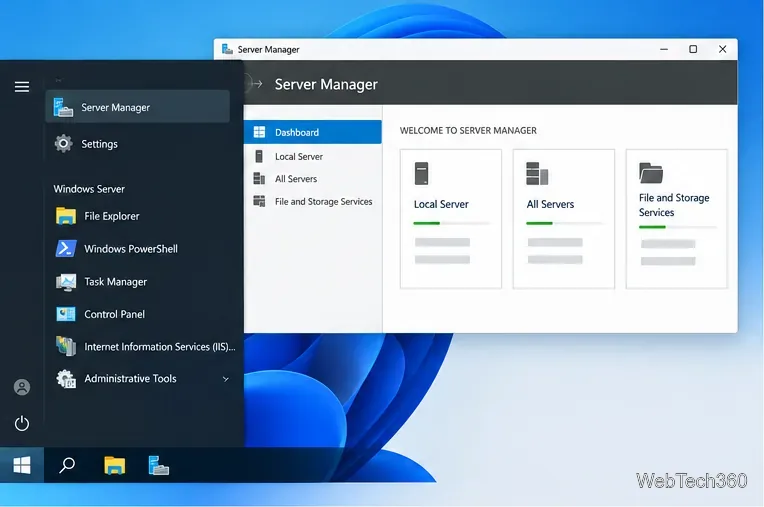
Check Windows Server disk status and reliability counters, verify SMART data when available, and separate hardware warnings from NTFS errors.
Create, grant admin rights to, disable, or remove local Windows Server users with Computer Management or PowerShell. Learn when to use Active Directory instead.
Install Serviio on Windows Server, share local or NAS media folders, and test DLNA playback. Learn how to check the Windows service, firewall, and Pro-only browser features.
Convert PNG, JPG, or BMP files to Windows ICO with GIMP. Prepare a square image, keep transparency when needed, add standard sizes, and check the export.
Clear thumbnail, DNS, Internet Explorer, Microsoft Store, Search, and Live Tile data with Windows 8’s built-in tools, and learn what each cleanup removes.
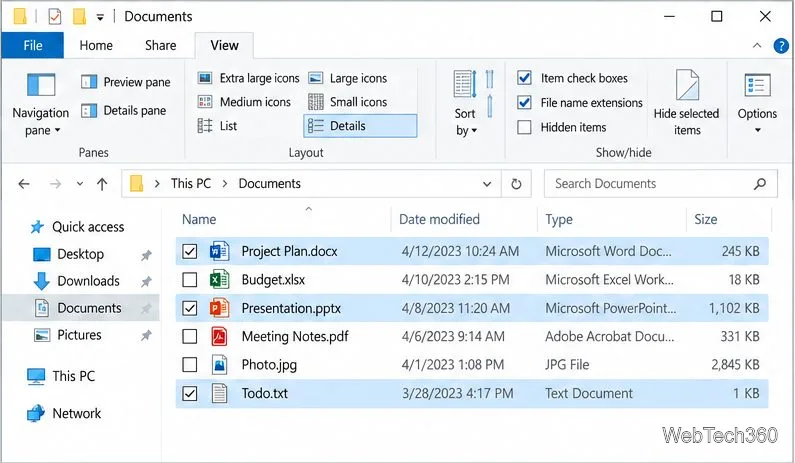
Turn off Windows 10 item check boxes in File Explorer with the View ribbon, or use Folder Options if the toggle is missing. See what changes and how to select multiple files without boxes.
Install VMware Workstation Pro on a compatible Windows Server host, from checking support and downloading the right build to creating your first VM.
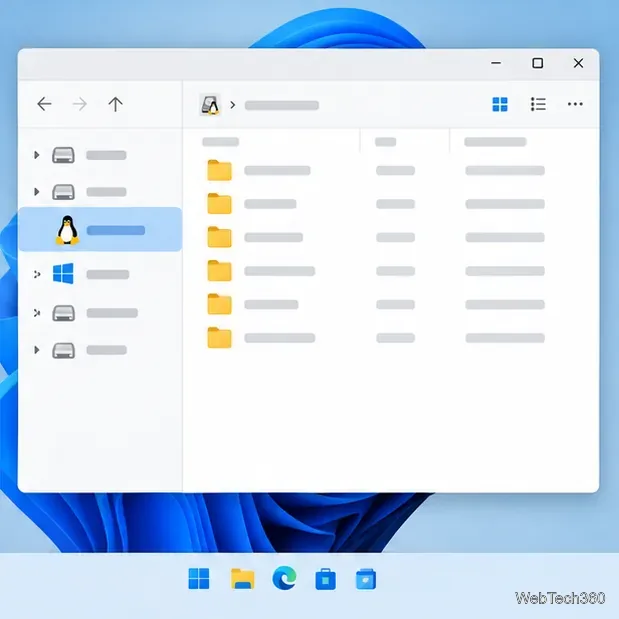
Browse and copy Ext2, Ext3, or Ext4 files on Windows with a read-only workflow. See what Linux Reader’s free edition supports and when WSL fits.
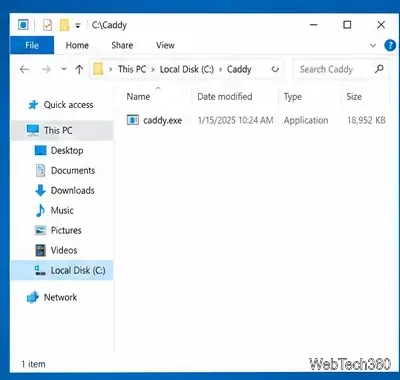
Install Caddy’s native Windows binary, serve a test site, enable automatic HTTPS for a domain, and run Caddy as a Windows Server service.
Run Linux Docker containers alongside Windows Server by creating an Ubuntu Hyper-V VM, installing Docker Engine, and publishing a test service safely.