How to Check for Open Ports on Windows Server
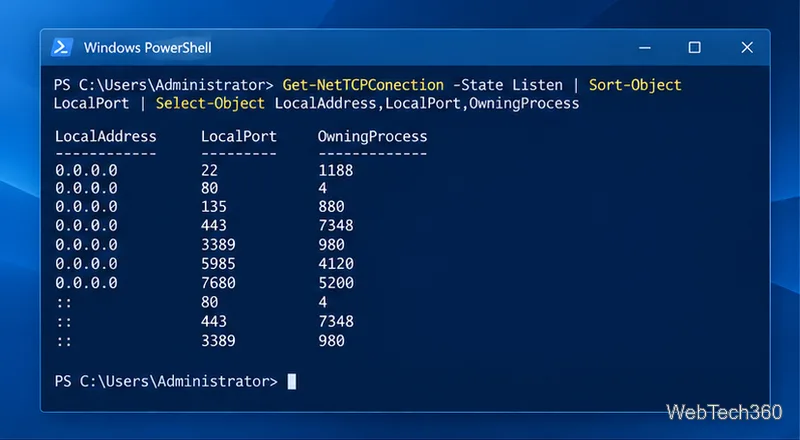
Find local TCP listeners, identify the process using a port, and test whether a Windows Server port is reachable with PowerShell, PortQry, or Nmap.
Imagine you're in the middle of an important task—editing a video, browsing multiple tabs, or running heavy software—when suddenly, your Windows 11 PC throws up the dreaded "Virtual Memory Too Low" error. Your system slows to a crawl, apps freeze, and frustration sets in. Don't worry; this common issue is fixable with a few targeted steps. In this guide, we'll walk you through understanding and resolving the Windows 11 "Virtual Memory" Too Low Error efficiently, so you can get back to smooth sailing. Let's dive in and reclaim your productivity! 🌟
Before we jump into fixes, let's quickly clarify what virtual memory is. It's essentially an extension of your PC's physical RAM, using a portion of your hard drive (or SSD) as temporary storage when RAM fills up. Windows 11 relies on this to handle multitasking, but when it's set too low or misconfigured, you get the virtual memory too low warning.
Common culprits include:
Understanding this empowers you to tackle the root cause. Stick with us—the solutions ahead are straightforward and effective, based on the latest Windows 11 updates. Ready to fix it? Let's go! 👆
We'll start with the simplest methods and progress to more advanced ones. Follow these in order for the best results. Most users see immediate improvement after the first few steps.
Sometimes, the error is just a temporary overload. Free up RAM by:
Then, restart your computer. This clears temporary files and resets memory allocation. If the error persists, move on— we've got more tools in our kit!
The most direct fix for low virtual memory in Windows 11 is adjusting its size. Windows usually auto-manages this, but manual tweaks often resolve the issue permanently.
This boosts your virtual memory without needing extra hardware. Pro tip: If you're on an SSD, this is even more efficient! Many users report no more errors after this tweak. 🎉
Corrupted system files can trigger virtual memory errors. Let's repair them using built-in tools—updated in recent Windows 11 builds for better reliability.
Open Command Prompt as Administrator (search for "cmd" in Start, right-click, "Run as administrator") and run these commands one by one:
| Command | Purpose |
|---|---|
DISM /Online /Cleanup-Image /RestoreHealth |
Repairs Windows image files (takes 10-20 minutes). |
sfc /scannow |
Scans and fixes corrupted system files. |
Restart after completion. These scans are safe and often fix underlying issues causing Windows 11 virtual memory too low. If you're tech-savvy, this feels like giving your PC a fresh tune-up! 🔧
Outdated software is a sneaky cause of memory errors. Ensure you're on the latest Windows 11 version:
For drivers, use Device Manager (search in Start):
Alternatively, download the latest from manufacturers like NVIDIA or Intel for optimal virtual memory handling. Staying updated prevents many performance hiccups—your PC will thank you! 👍
Virtual memory needs free space on your drive. Aim for at least 15-20% free on C:.
For deeper cleaning, use Disk Cleanup (search in Start) and select files to delete. This not only fixes the error but speeds up your entire system. Imagine the relief of a clutter-free PC! 😌
If basics don't cut it, scan for malware using Windows Security (Settings > "Privacy & security" > "Windows Security" > "Virus & threat protection" > "Quick scan"). For hardware, test your RAM with the built-in Memory Diagnostic tool (search "mdsched" in Start and restart to run).
For persistent problems, consider adding more RAM—Windows 11 thrives on 16GB or more for heavy use. If you're unsure, consult a pro.
Fix it once, prevent it forever! Here's how:
By following these, you'll enjoy a more responsive Windows 11 experience. We've covered the essentials—now your turn to apply them and feel the difference!
The Windows 11 "Virtual Memory" Too Low Error doesn't have to derail your day. With these steps, from simple restarts to manual adjustments, you'll fix it quickly and efficiently. Start with increasing virtual memory—it's a game-changer for most users. If issues linger, the Microsoft support forums are a great next stop (always verify advice there).
Got questions or a success story? Drop a comment below—we love hearing how these tips worked for you! Your smoother computing journey starts now. 🚀
For official guidance, check Microsoft's documentation on optimizing Windows performance.
Find local TCP listeners, identify the process using a port, and test whether a Windows Server port is reachable with PowerShell, PortQry, or Nmap.
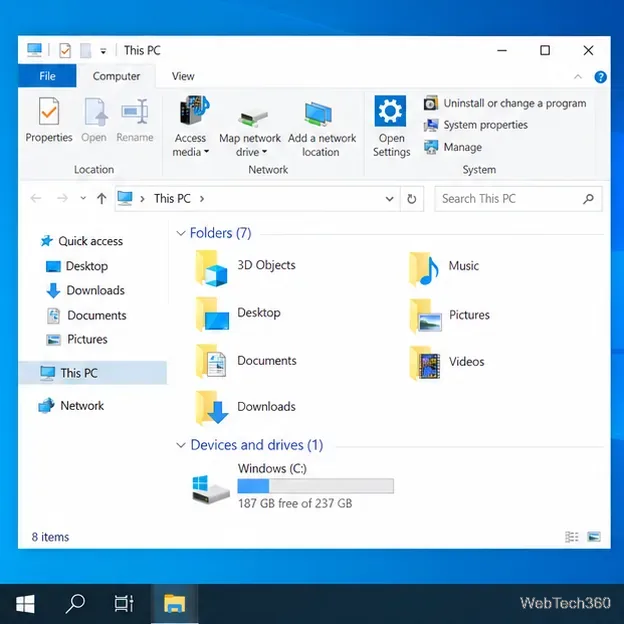
Map a shared folder as a drive letter in Windows 10, reconnect it at sign-in, confirm access, and fix common path, credential, and network discovery issues.
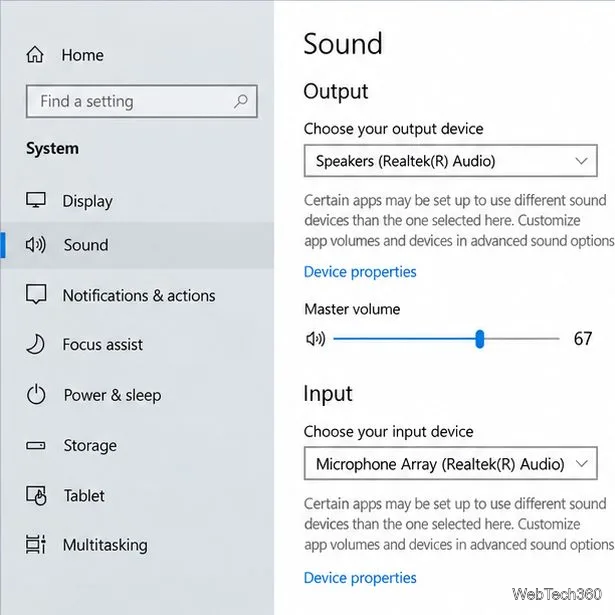
Hear your microphone through Windows 10 speakers with the Listen to this device setting. Choose the right input and output, test the route, and prevent feedback.
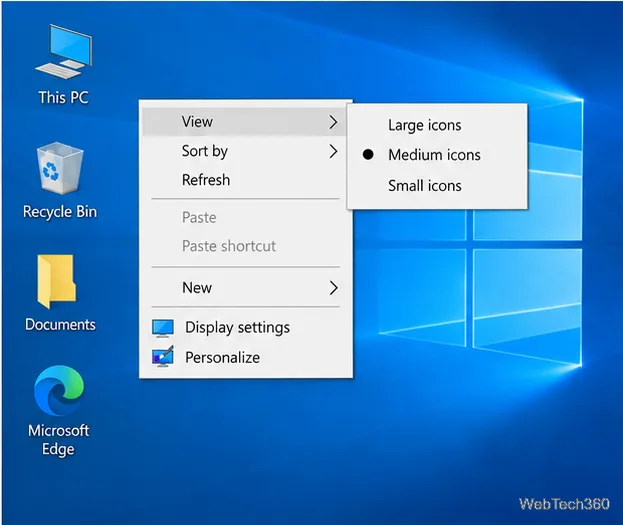
Change icon size on Windows 10 with desktop, taskbar, and File Explorer controls. Learn when display scaling helps and how to fix unexpected size changes.
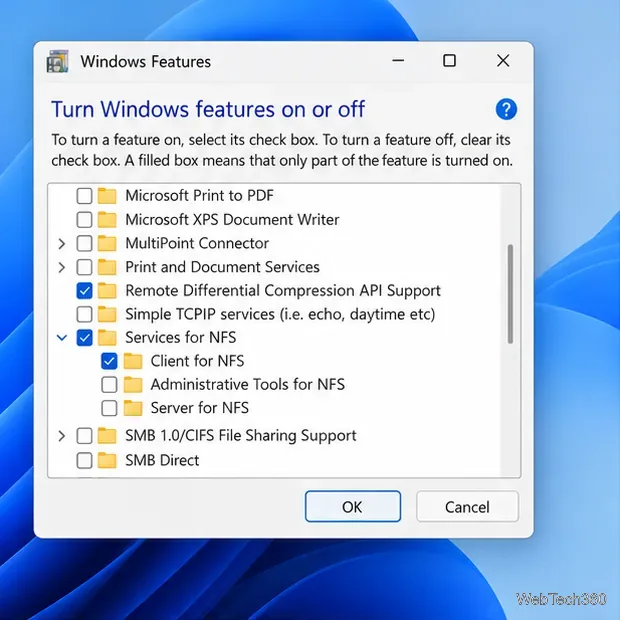
Map an NFS share to a Windows 11 drive letter with the built-in Client for NFS. Check protocol compatibility, mount the export, and troubleshoot access issues.
Install Universal Media Server on Windows Server, share selected folders, set LAN-only firewall access, and test DLNA playback from a TV or browser.
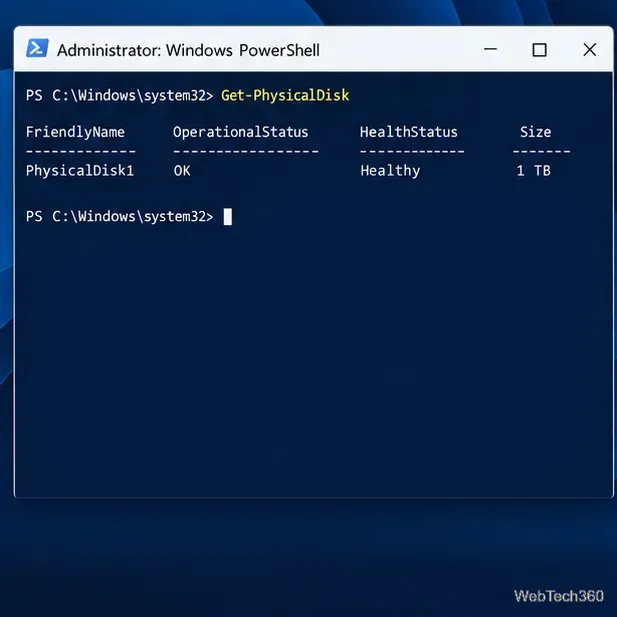
Check Windows Server disk status and reliability counters, verify SMART data when available, and separate hardware warnings from NTFS errors.
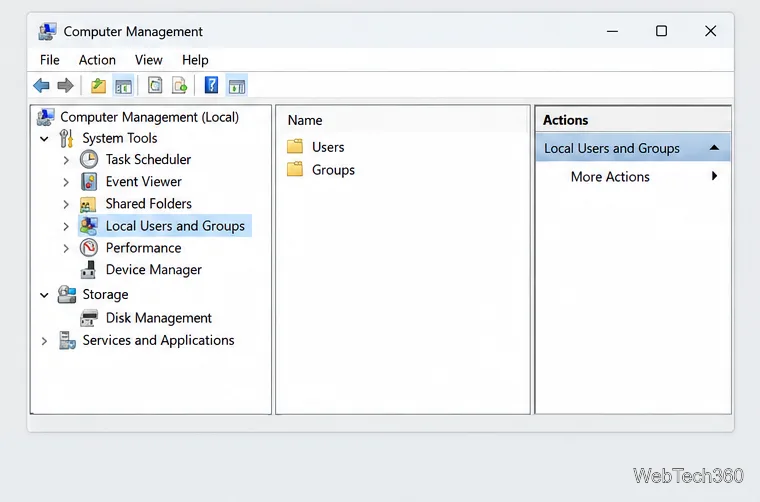
Create, grant admin rights to, disable, or remove local Windows Server users with Computer Management or PowerShell. Learn when to use Active Directory instead.
Install Serviio on Windows Server, share local or NAS media folders, and test DLNA playback. Learn how to check the Windows service, firewall, and Pro-only browser features.
Convert PNG, JPG, or BMP files to Windows ICO with GIMP. Prepare a square image, keep transparency when needed, add standard sizes, and check the export.