How to Check for Open Ports on Windows Server
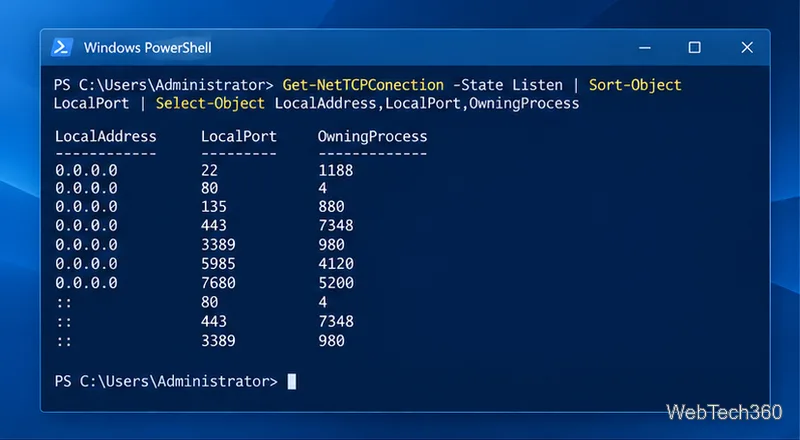
Find local TCP listeners, identify the process using a port, and test whether a Windows Server port is reachable with PowerShell, PortQry, or Nmap.
Imagine diving into an intense Fortnite match, only for your screen to suddenly turn blue with the dreaded BSOD (Blue Screen of Death). If you're on Windows 11 and facing Fortnite Anti-Cheat BSOD issues, you're not alone. This frustrating error, often tied to Epic Games' Easy Anti-Cheat system, can halt your gaming session in an instant. But don't worry— we've got your back with a focused, step-by-step guide to troubleshoot and fix it. By the end, you'll be back in the battle bus, playing without interruptions. Let's jump right in! 🚀
The Fortnite Anti-Cheat BSOD typically occurs when Easy Anti-Cheat (EAC), the software protecting Fortnite from cheats, conflicts with your Windows 11 system. Common error codes include IRQL_NOT_LESS_OR_EQUAL, SYSTEM_SERVICE_EXCEPTION, or KMODE_EXCEPTION_NOT_HANDLED. These crashes stem from driver incompatibilities, outdated software, or hardware issues amplified by Windows 11's stricter security features.
Recent updates to both Fortnite and Windows 11 have addressed some root causes, but lingering problems persist for many players. The good news? Most fixes are straightforward and don't require advanced tech skills. We'll prioritize safe, effective solutions to minimize downtime and keep your setup stable.
Before diving deep, start with these simple steps to rule out easy-to-fix issues. These can resolve Fortnite Anti-Cheat BSOD in under 10 minutes. 😊
If these don't work, let's move to more targeted troubleshooting. Stick with us—these next steps have helped thousands of gamers reclaim their Fortnite sessions.
Easy Anti-Cheat is at the heart of the Fortnite Anti-Cheat BSOD problem. A faulty installation can trigger kernel-level errors on Windows 11. Here's how to reinstall it cleanly:
Pro Tip: If the setup file is missing, redownload Fortnite via the Epic Launcher. This ensures you have the latest EAC version compatible with current Windows 11 builds.
Driver conflicts are a top culprit for Windows 11 BSOD in Fortnite. Focus on graphics, network, and chipset drivers, as EAC interacts heavily with them.
| Driver Type | Action | Why It Helps |
|---|---|---|
| Graphics (NVIDIA/AMD/Intel) | Update via GeForce Experience, AMD Software, or Intel Driver Assistant. If issues persist, roll back to a previous version. | EAC scans GPU drivers; mismatches cause IRQL errors. |
| Network (Wi-Fi/Ethernet) | Update from your motherboard manufacturer's site (e.g., Realtek drivers). | Anti-cheat pings servers; outdated NIC drivers trigger exceptions. |
| Chipset | Download latest from Intel/AMD site. | Improves system stability on Windows 11's hybrid architecture. |
After updates, use Device Manager (right-click Start > Device Manager) to scan for hardware changes. Restart and test Fortnite. Feeling optimistic? These tweaks often eliminate BSODs for good.
If BSODs keep crashing your Fortnite fun, try these deeper interventions. We'll keep it simple—no need for a tech degree!
sfc /scannow, then DISM /Online /Cleanup-Image /RestoreHealth. These repair corrupted Windows files that EAC relies on.Most Fortnite Anti-Cheat BSOD issues on Windows 11 resolve with the above steps. If not, gather details: Note the exact BSOD error code and minidump files (in C:\Windows\Minidump). Share them on the official Epic Games forums or Reddit's r/FortNiteBR for community input.
For official support, visit Epic's help page: Epic Games Fortnite Support. If hardware faults are suspected, tools like HWMonitor can check temperatures and voltages.
To keep your gaming smooth, adopt these habits:
Congratulations—you've now armed yourself against the Fortnite Anti-Cheat BSOD! Implementing these fixes not only resolves crashes but boosts your overall Windows 11 performance. Drop into Fortnite, build your forts, and victory royale awaits. If this guide helped, share your success story in the comments below. Game on! 🎮✨
Find local TCP listeners, identify the process using a port, and test whether a Windows Server port is reachable with PowerShell, PortQry, or Nmap.
Map a shared folder as a drive letter in Windows 10, reconnect it at sign-in, confirm access, and fix common path, credential, and network discovery issues.
Hear your microphone through Windows 10 speakers with the Listen to this device setting. Choose the right input and output, test the route, and prevent feedback.
Change icon size on Windows 10 with desktop, taskbar, and File Explorer controls. Learn when display scaling helps and how to fix unexpected size changes.
Map an NFS share to a Windows 11 drive letter with the built-in Client for NFS. Check protocol compatibility, mount the export, and troubleshoot access issues.
Install Universal Media Server on Windows Server, share selected folders, set LAN-only firewall access, and test DLNA playback from a TV or browser.
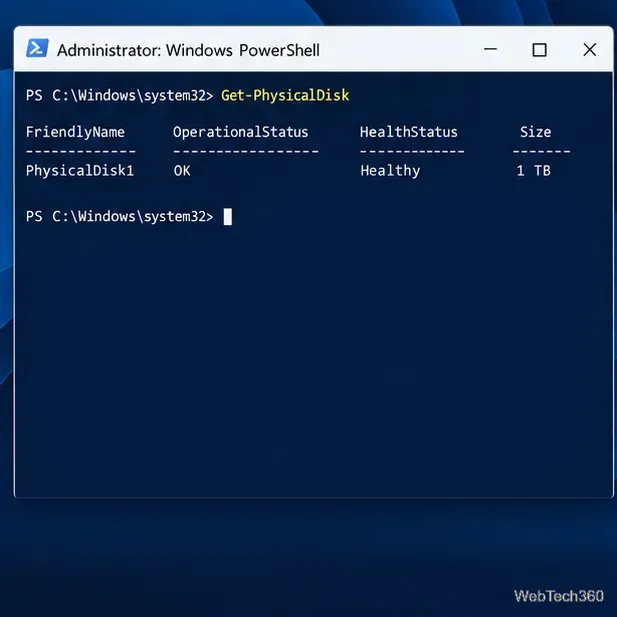
Check Windows Server disk status and reliability counters, verify SMART data when available, and separate hardware warnings from NTFS errors.
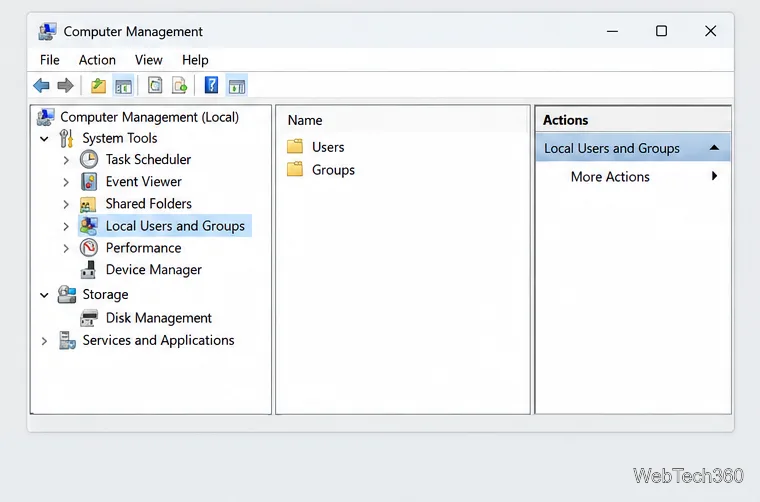
Create, grant admin rights to, disable, or remove local Windows Server users with Computer Management or PowerShell. Learn when to use Active Directory instead.
Install Serviio on Windows Server, share local or NAS media folders, and test DLNA playback. Learn how to check the Windows service, firewall, and Pro-only browser features.
Convert PNG, JPG, or BMP files to Windows ICO with GIMP. Prepare a square image, keep transparency when needed, add standard sizes, and check the export.