
How to Fix Snipping Tool Issues on Windows 11
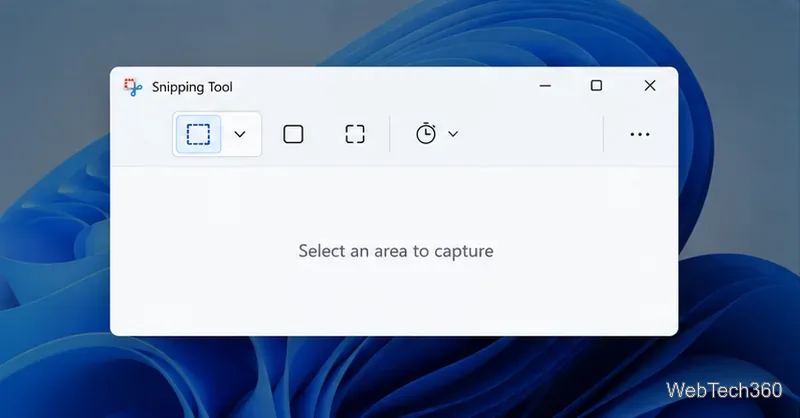
Fix common Snipping Tool problems in Windows 11 with steps to test the shortcut, update or repair the app, reinstall it, and restore missing capture notifications.
Are you tired of audio crackling, video stuttering, or frustrating lag spikes on your Windows 11 PC? If high DPC latency is ruining your gaming or productivity sessions, you're not alone. Tools like LatencyMon can pinpoint these issues, but fixing them doesn't have to be overwhelming. In this concise guide, we'll break down what high DPC latency means, how to use LatencyMon effectively, and step-by-step solutions to restore your system's smoothness. Let's dive in and get your PC running like new! 🚀
DPC latency, or Deferred Procedure Call latency, refers to delays in how Windows 11 handles low-level hardware interrupts. These interrupts are crucial for real-time tasks like audio processing and graphics rendering. When high DPC latency occurs, your system struggles to respond quickly, leading to symptoms like:
On Windows 11, this issue often stems from driver conflicts, background processes, or hardware incompatibilities. According to Microsoft's latest diagnostics, DPC latency spikes can exceed 1,000 microseconds, far above the ideal under 500 for smooth operation. Don't worry—identifying and fixing it with LatencyMon is straightforward and rewarding. Imagine lag-free sessions that make your PC feel brand new!
LatencyMon is a free, powerful tool from Resplendence Software that monitors DPC latency in real-time. It's essential for Windows 11 users facing these spikes. Here's how to get started:
Pro tip: Run LatencyMon in a clean boot state (more on that later) to isolate issues. This step alone can reveal hidden Windows 11 high DPC latency sources, giving you that "aha!" moment as you uncover the fix.
Understanding the root causes empowers you to tackle high DPC latency head-on. Based on the latest Windows 11 updates, here are the top offenders:
| Cause | Symptoms | Likely Fix |
|---|---|---|
| Outdated or Faulty Drivers | Spikes from graphics/network drivers | Update via Device Manager or manufacturer site |
| Power Settings | Latency during idle or high-load | Switch to High Performance plan |
| Background Software | Antivirus or RGB apps causing interrupts | Disable non-essential startup items |
| Hardware Conflicts | USB devices or Wi-Fi adapters | Test with minimal hardware |
| Windows Features | Core isolation or virtual machine platform | Disable via Windows Security |
These insights from LatencyMon scans align with recent Microsoft forums and tech communities, where users report Windows 11 high DPC latency often tied to post-update driver mismatches. Spotting your specific cause is the first win toward a smoother experience.
Ready to banish high DPC latency? Follow these targeted steps, starting with the simplest. Test with LatencyMon after each to measure improvement. You'll feel the difference immediately!
Outdated drivers are a prime DPC latency culprit. Open Device Manager (right-click Start > Device Manager), expand categories like Network adapters or Display adapters, right-click, and select "Update driver." For best results, download the latest from manufacturers:
Also, ensure Windows 11 is fully updated via Settings > Windows Update. This addresses recent patches for high DPC routine execution issues.
Windows 11's balanced power plan can throttle performance, spiking DPC latency. Go to Settings > System > Power & battery > Power mode, and select "Best performance." For laptops, plug in and disable sleep timers. Users report up to 50% latency reduction here! ⭐
Third-party apps often interfere. Use Microsoft's clean boot guide to disable non-Microsoft services. Run LatencyMon afterward—if latency drops, re-enable items one by one to identify the offender. This methodical approach keeps things exciting as you eliminate suspects.
Features like Memory Integrity (in Core Isolation) can cause high DPC latency. Navigate to Windows Security > Device security > Core isolation details, and toggle off Memory Integrity. Restart and retest. For virtual audio drivers, uninstall enhancements in Sound settings.
If ndis.sys or USB drivers top your LatencyMon list, disable IPv6 in network adapter properties (Device Manager > Advanced). Unplug non-essential USB devices and test Wi-Fi vs. Ethernet—many find Ethernet slashes DPC latency spikes.
For stubborn cases, disable CPU core parking via registry (search for guides, but back up first). In BIOS, enable High Precision Event Timer (HPET) if available—though test both on and off, as it varies by hardware. These steps can drop high DPC latency to under 200μs for pro-level performance.
Once fixed, maintain your gains! Schedule monthly LatencyMon checks, keep drivers updated automatically, and avoid sketchy software. If issues persist, consider hardware like a SSD upgrade or checking for overheating—tools like HWMonitor help here. Your PC deserves this care, and the payoff is seamless multitasking that feels empowering.
High DPC latency on Windows 11 doesn't have to disrupt your day. By mastering LatencyMon and applying these fixes, you'll eliminate stuttering and enjoy buttery-smooth performance. Start with a scan today—what's your biggest latency headache? Share in the comments, and let's keep the conversation going. You've got this! 👏
Fix common Snipping Tool problems in Windows 11 with steps to test the shortcut, update or repair the app, reinstall it, and restore missing capture notifications.
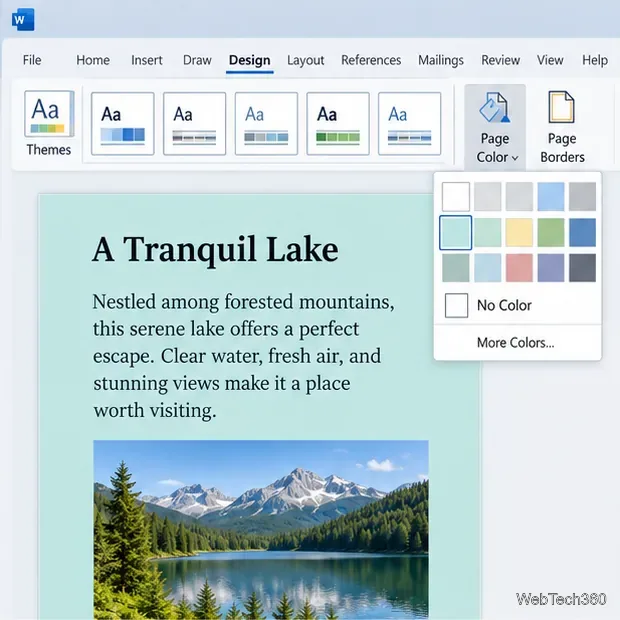
Choose a color-capable printer, enable Word’s background-print setting, and check the preview so page colors, images, and graphics print as expected.
Learn how to use WinX DVD Ripper to convert a DVD you’re entitled to copy into an MP4 file, choose the right title and destination, and troubleshoot playback problems on Windows 10 or 11.
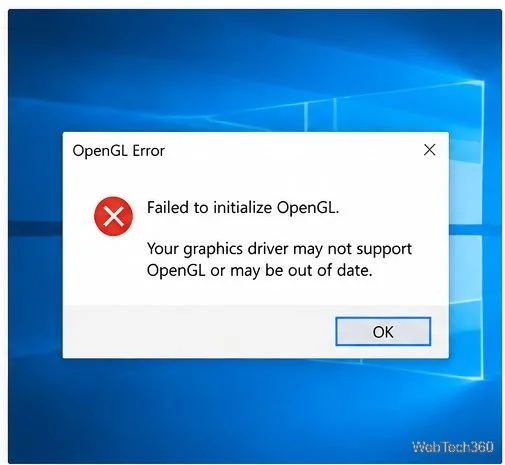
Troubleshoot OpenGL errors in Windows 10 by checking graphics drivers, repairing system files, reinstalling the affected app, and reviewing graphics settings.
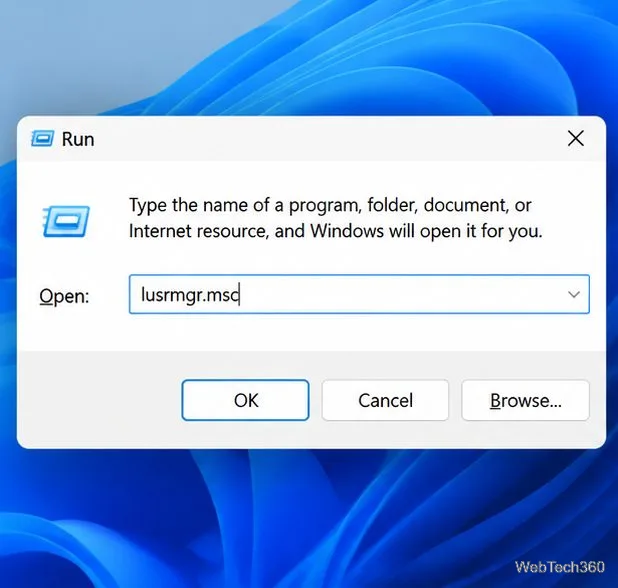
Learn when to use net user, lusrmgr.msc, and net localgroup to view, create, disable, and manage local Windows accounts safely.
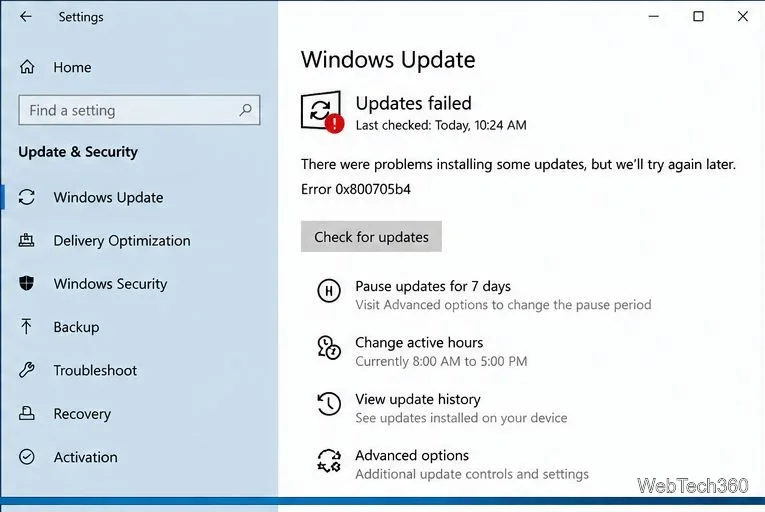
Resolve Windows Update error 0x800705b4 with practical checks for connectivity, update services, cached files, and damaged Windows system components.
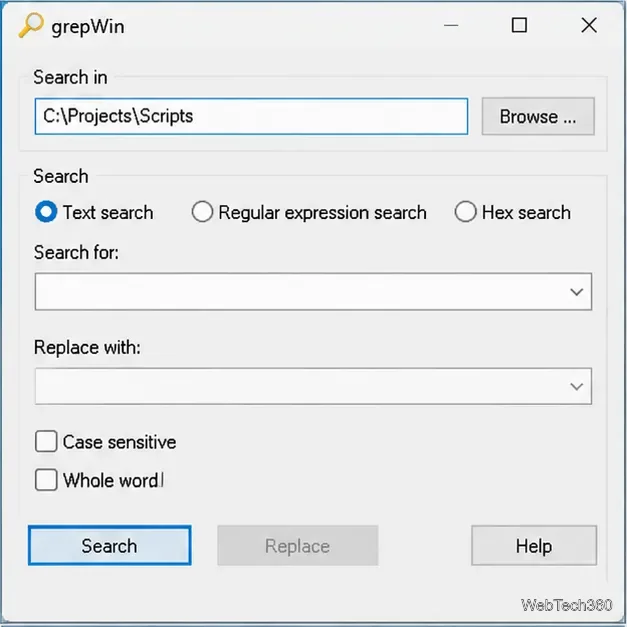
Find words or phrases across multiple text files on Windows 10 with grepWin. Learn how to choose folders, filter file types, include subfolders, and read matches safely.
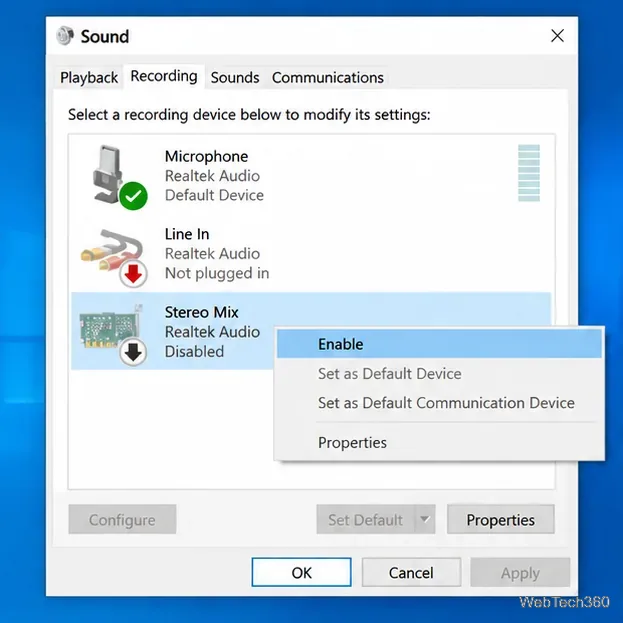
Capture your PC’s playback with FFmpeg on Windows 10. Enable Stereo Mix or use a loopback device, find its DirectShow name, and save clean audio.
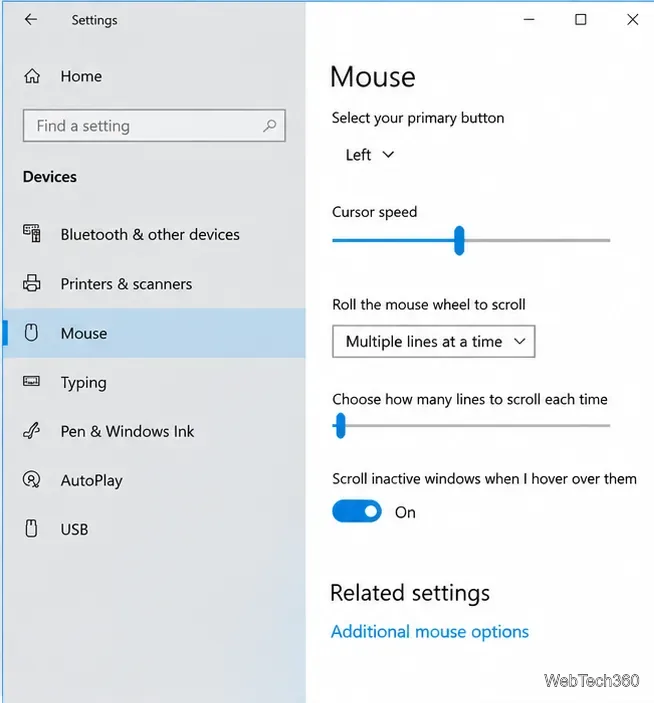
Learn how to adjust Windows 10 mouse pointer speed, change pointer precision, and set hardware DPI with a supported gaming mouse or manufacturer app.
Learn what the legacy Edge blocker registry setting does, how to set it safely, and why it will not stop updates for Microsoft Edge already installed.