How to Check Hard Drive Health in Windows Server
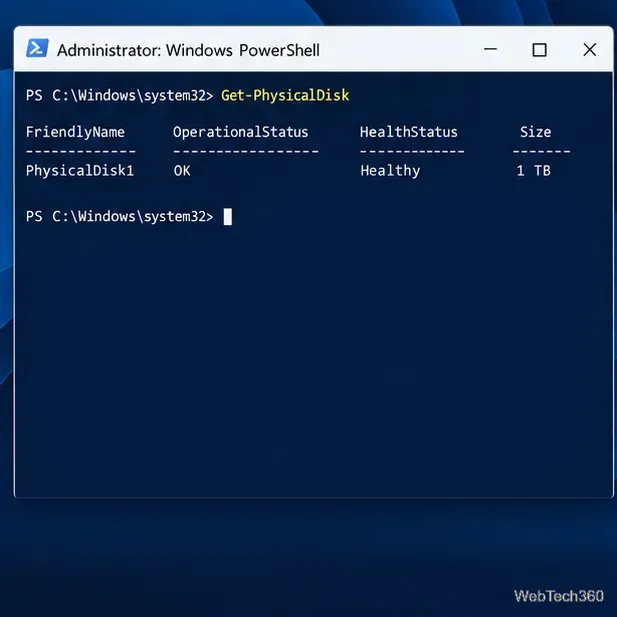
Check Windows Server disk status and reliability counters, verify SMART data when available, and separate hardware warnings from NTFS errors.
Encountering the Windows 11 0x800700c1 error can be incredibly frustrating, especially when it disrupts your app installations or updates. This error often pops up during software setups, signaling issues with corrupted files or system conflicts. Don't worry— we've got your back! In this concise guide, we'll walk you through effective troubleshooting Windows 11 0x800700c1 application error steps to resolve it quickly and get your system running smoothly again. By the end, you'll feel empowered to tackle this hiccup like a pro. Let's dive in! 😊
The 0x800700c1 error is a common Windows hexadecimal code indicating a problem with application execution or file operations. It typically occurs when installing or updating apps, often due to bad sectors on your drive, antivirus interference, or corrupted system files. In recent Windows 11 updates, this error has been linked to compatibility issues with certain software packages.
Understanding the root causes is key to fixing it. Common triggers include:
Spotting this error? You'll likely see a message like "Error 0x800700c1: The parameter is incorrect" during app launches or installs. Now, let's move to the solutions—starting with the simplest ones to build your confidence step by step.
We'll focus on practical, actionable steps. Follow them in order for the best results. Remember, restarting your PC after each major change can help apply fixes effectively.
Windows 11 has built-in tools designed for errors like 0x800700c1. Start here—it's quick and often resolves basic issues.
This tool scans for common glitches and can automatically repair corrupted components. If it doesn't fully resolve the issue, proceed to the next step— you're making great progress!
Bad sectors on your hard drive are a frequent culprit for the Windows 11 0x800700c1 application error. Use the built-in CHKDSK utility to scan and repair.
chkdsk C: /f /r (replace C: with your system drive) and press Enter.Pro tip: This process might take time, but it's worth it for long-term stability. Once done, test the problematic app again.
Overzealous antivirus programs can block installations, triggering 0x800700c1. Temporarily pause it to check.
If this works, add exceptions for the app in your antivirus settings. Safety first—never leave it off permanently!
Corrupted system files can cause this error. Use these command-line tools for a deep clean.
sfc /scannow and wait for it to complete.DISM /Online /Cleanup-Image /RestoreHealth.These commands are powerful and have been refined in the latest Windows 11 builds to handle errors like 0x800700c1 more efficiently. You'll likely notice improvements right away.
Ensure everything is current—outdated components often lead to compatibility errors.
Microsoft's ongoing updates in 2026 have improved error handling, so staying updated is your best defense.
If basic steps fail, try these targeted solutions.
For a stubborn app:
For system-wide issues, consider a clean boot:
These methods isolate conflicts, helping pinpoint the problem without a full reinstall.
Once fixed, keep it that way! Regular maintenance is key:
| Action | Why It Helps | Frequency |
|---|---|---|
| Run Disk Cleanup | Removes junk files that corrupt installs | Monthly |
| Update Drivers | Prevents hardware-software clashes | As needed via Device Manager |
| Backup Important Data | Safeguards against deeper system issues | Weekly |
| Scan for Malware | Eliminates hidden threats causing errors | Bi-weekly |
Incorporate these habits, and you'll rarely see troubleshooting Windows 11 0x800700c1 on your to-do list again. 👍
If these steps don't resolve the 0x800700c1 error, it might indicate hardware failure. Consult a technician or visit Microsoft's support forums. For official guidance, check Microsoft Support.
You're almost there—applying these fixes should have your Windows 11 humming along perfectly. If you try a step and need clarification, drop a comment below. We've all been frustrated by errors like this, but overcoming them feels great! Ready to test your setup now?
Check Windows Server disk status and reliability counters, verify SMART data when available, and separate hardware warnings from NTFS errors.
Create, grant admin rights to, disable, or remove local Windows Server users with Computer Management or PowerShell. Learn when to use Active Directory instead.
Install Serviio on Windows Server, share local or NAS media folders, and test DLNA playback. Learn how to check the Windows service, firewall, and Pro-only browser features.
Convert PNG, JPG, or BMP files to Windows ICO with GIMP. Prepare a square image, keep transparency when needed, add standard sizes, and check the export.
Clear thumbnail, DNS, Internet Explorer, Microsoft Store, Search, and Live Tile data with Windows 8’s built-in tools, and learn what each cleanup removes.
Turn off Windows 10 item check boxes in File Explorer with the View ribbon, or use Folder Options if the toggle is missing. See what changes and how to select multiple files without boxes.
Install VMware Workstation Pro on a compatible Windows Server host, from checking support and downloading the right build to creating your first VM.
Browse and copy Ext2, Ext3, or Ext4 files on Windows with a read-only workflow. See what Linux Reader’s free edition supports and when WSL fits.
Install Caddy’s native Windows binary, serve a test site, enable automatic HTTPS for a domain, and run Caddy as a Windows Server service.
Run Linux Docker containers alongside Windows Server by creating an Ubuntu Hyper-V VM, installing Docker Engine, and publishing a test service safely.