How to Fix Snipping Tool Issues on Windows 11
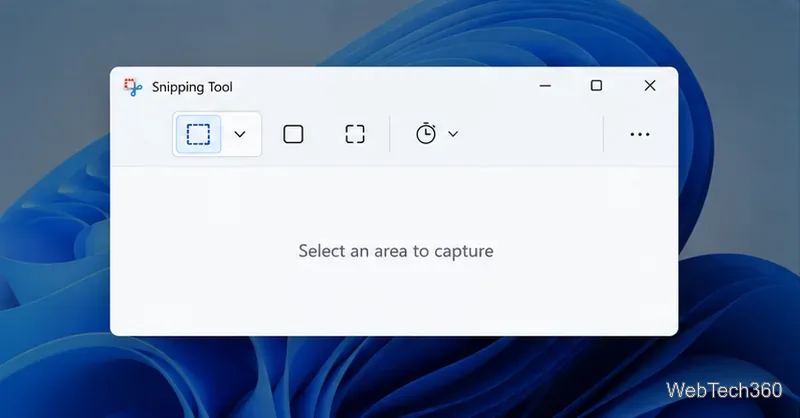
Fix common Snipping Tool problems in Windows 11 with steps to test the shortcut, update or repair the app, reinstall it, and restore missing capture notifications.
Imagine firing up your PC, only to find your desktop icons scattered like confetti after a party. Frustrating, right? The Windows 11 Desktop Icon Spacing Error is a common glitch that disrupts your workflow and makes your screen look chaotic. But don't worry—this issue is fixable, and we're here to guide you through it with simple, effective steps. By the end of this article, you'll have a tidy desktop that feels brand new, boosting your productivity and peace of mind. Let's dive in and sort this out! 😊
The Windows 11 Desktop Icon Spacing Error occurs when icons on your desktop lose their uniform alignment, either spacing out too much, clustering together, or jumping around unpredictably. This can stem from display settings tweaks, software conflicts, or even updates that don't play nice with your setup. It's especially noticeable after resizing windows, changing resolutions, or installing new apps.
Why does this happen in Windows 11? The OS's enhanced UI, with its rounded corners and snap layouts, sometimes clashes with older icon grid settings. No need to panic—most cases are resolved without advanced tech skills. If you've tried right-clicking and selecting "View" options only to see no change, you're in the right place. We'll cover beginner-friendly fixes first, then escalate to more robust solutions.
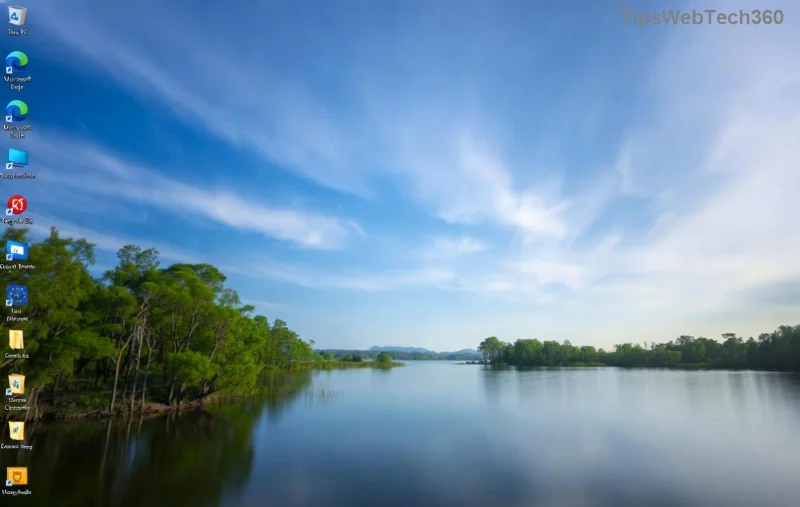
Start with these straightforward methods to fix desktop icons Windows 11. They're fast and require no downloads—perfect for getting back to work ASAP.
👆 Sometimes, a simple refresh does the trick. Right-click on an empty spot on your desktop, hover over "View," and ensure "Auto arrange icons" is unchecked. Then, right-click again and select "Refresh" (or press F5). If icons are still wonky, go to "View" > "Align icons to grid" to snap them into place.
This method resets the grid without altering your layout. Pro tip: Hold Ctrl while dragging an icon to fine-tune spacing manually—it's a game-changer for custom setups!
Right-click the desktop and select "View." Experiment with "Large icons," "Medium icons," or "Small icons" to see if it recalibrates the spacing. For deeper control, right-click > "Sort by" > choose "Name" or "Size" to force reorganization.
If the error persists, it's time to tweak registry settings—but only if you're comfortable. We'll cover that safely below.
For stubborn cases of the icon spacing issues, let's go deeper. Always create a system restore point first (search for "Create a restore point" in the Start menu) to safeguard your setup.
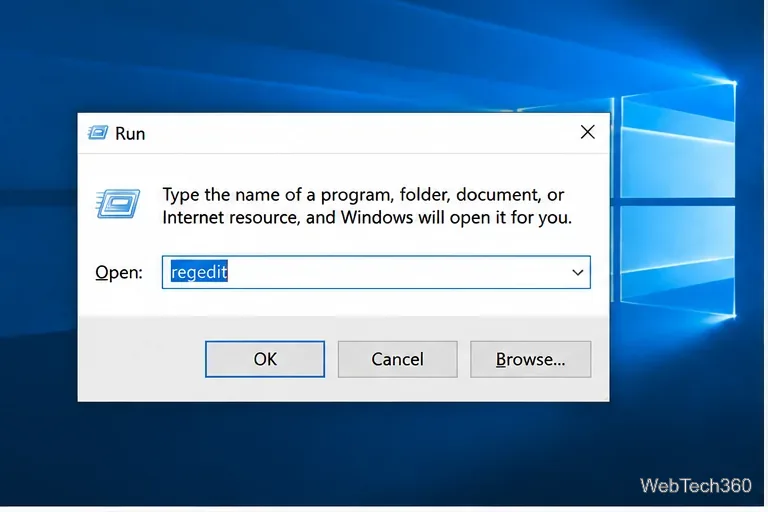
Press Windows + R, type "regedit," and hit Enter to open the Registry Editor. Navigate to HKEY_CURRENT_USER\Control Panel\Desktop\WindowMetrics. Look for "IconSpacing" and "IconVerticalSpacing"—default values are -1125 (for a spacing of 75 in a 96 DPI setup). Double-click to edit: set to -1200 for tighter spacing or -1500 for more room. Restart Explorer (via Task Manager: end task on "Windows Explorer," then File > Run new task > explorer.exe) to apply changes.
⚠️ Warning: Incorrect registry edits can cause issues, so back up your registry first (File > Export in Regedit). This fix is based on the latest Windows 11 builds and resolves spacing errors in most scenarios.
Display glitches often trigger Windows 11 troubleshooting for icons. Right-click the desktop > "Display settings." Under "Scale & layout," set scaling to 100% or 125% (recommended for most monitors). Then, click "Advanced scaling settings" and ensure it's off if not needed. Change resolution temporarily (e.g., to 1920x1080), apply, then revert—this forces a refresh.
For multi-monitor setups, ensure all displays match scaling in Settings > System > Display > Multiple displays.
To avoid the Desktop Icon Spacing Error recurring, identify triggers like third-party themes or outdated drivers. Update your graphics drivers via Device Manager (right-click Start > Device Manager > Display adapters > Update driver) or from your GPU manufacturer's site, such as NVIDIA or AMD.
Here's a quick comparison table of common causes and fixes:
| Cause | Symptoms | Fix |
|---|---|---|
| Display Resolution Change | Icons stretch or shrink unevenly | Reset resolution in Display settings |
| Software Conflict | Icons shift after app launch | Update or uninstall conflicting apps |
| Registry Corruption | Permanent misalignment | Edit IconSpacing in Regedit |
| Outdated Drivers | Spacing errors post-update | Update graphics drivers |
Prevent future headaches by disabling auto-scaling for icons: In Registry Editor, under HKEY_CURRENT_USER\Software\Microsoft\Windows\Shell\Bags\1\Desktop, set "FFlags" to 0x40000000 (for no auto-arrange). Restart your PC to test.
If these steps don't resolve your desktop customization woes, it might be a deeper system issue. Run the System File Checker: Open Command Prompt as admin (search "cmd" > Run as administrator) and type sfc /scannow. For persistent problems, consider a clean boot via Microsoft's official guide.
You're almost there! With these fixes, your desktop will be organized and efficient. Share your success in the comments—have you battled this error before? Stick around for more Windows 11 tips to keep your setup running smoothly. You've got this! 👏
Fix common Snipping Tool problems in Windows 11 with steps to test the shortcut, update or repair the app, reinstall it, and restore missing capture notifications.
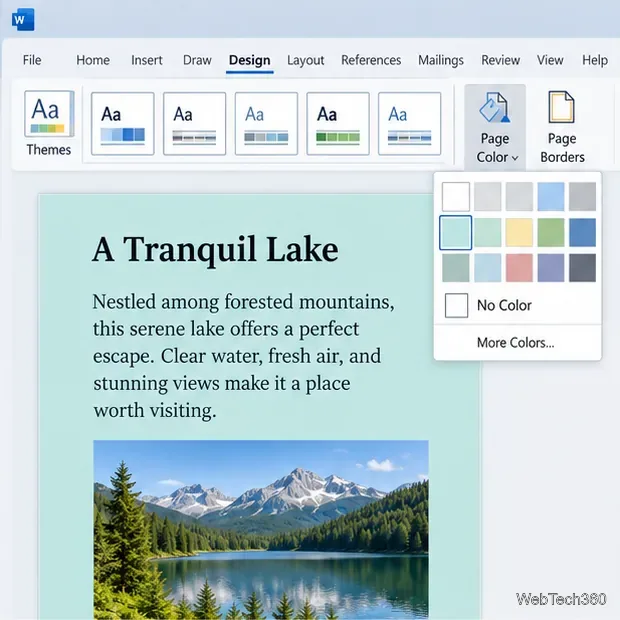
Choose a color-capable printer, enable Word’s background-print setting, and check the preview so page colors, images, and graphics print as expected.
Learn how to use WinX DVD Ripper to convert a DVD you’re entitled to copy into an MP4 file, choose the right title and destination, and troubleshoot playback problems on Windows 10 or 11.
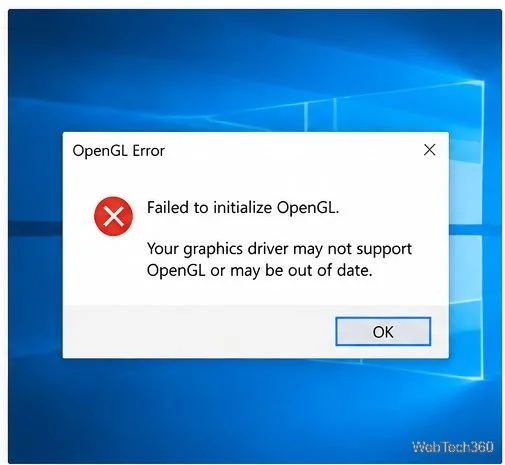
Troubleshoot OpenGL errors in Windows 10 by checking graphics drivers, repairing system files, reinstalling the affected app, and reviewing graphics settings.
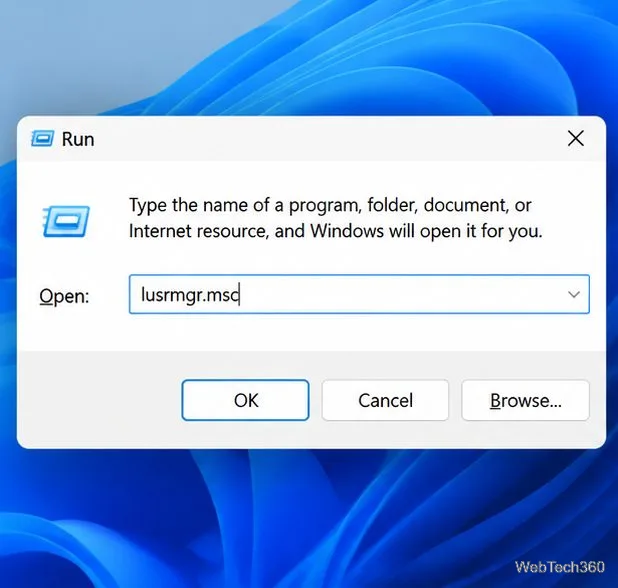
Learn when to use net user, lusrmgr.msc, and net localgroup to view, create, disable, and manage local Windows accounts safely.
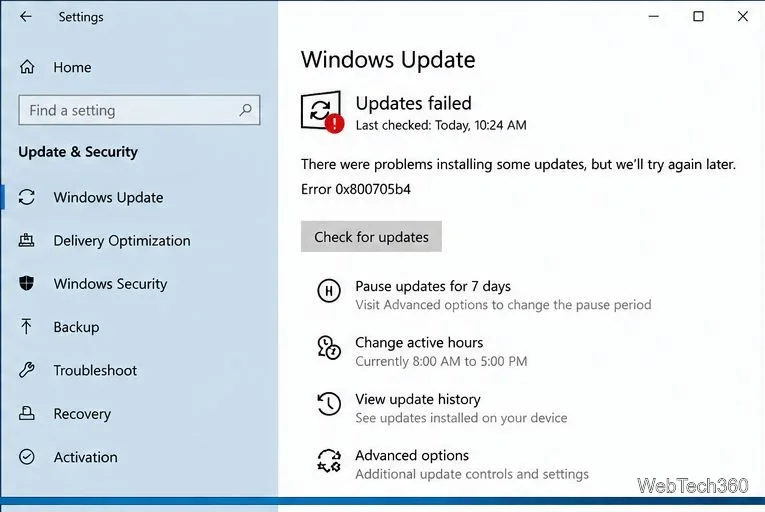
Resolve Windows Update error 0x800705b4 with practical checks for connectivity, update services, cached files, and damaged Windows system components.
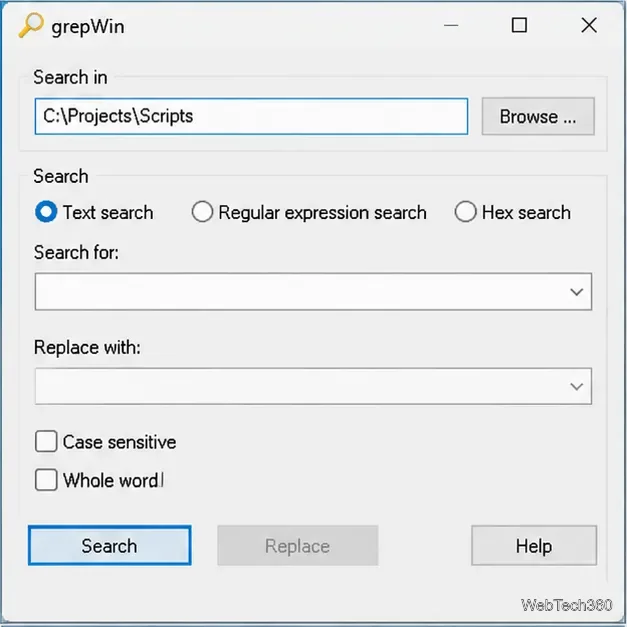
Find words or phrases across multiple text files on Windows 10 with grepWin. Learn how to choose folders, filter file types, include subfolders, and read matches safely.
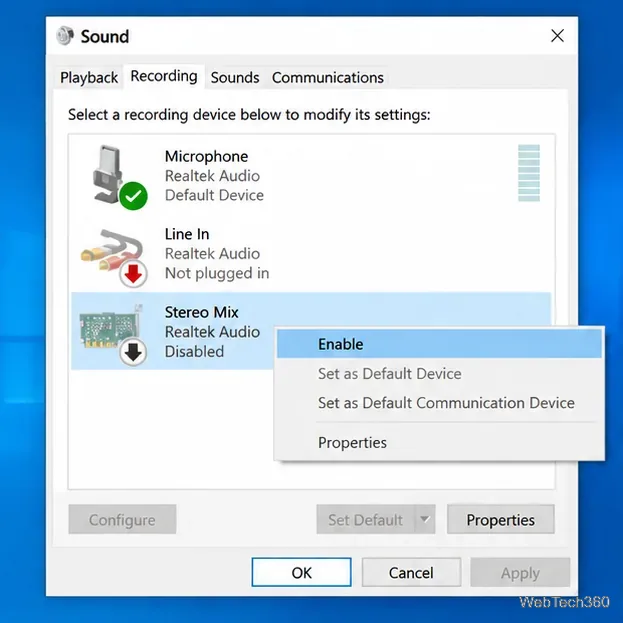
Capture your PC’s playback with FFmpeg on Windows 10. Enable Stereo Mix or use a loopback device, find its DirectShow name, and save clean audio.
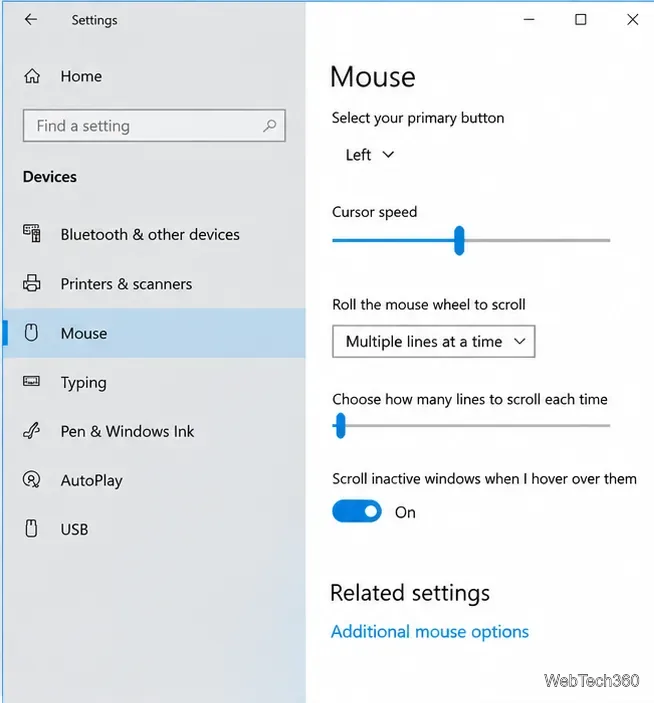
Learn how to adjust Windows 10 mouse pointer speed, change pointer precision, and set hardware DPI with a supported gaming mouse or manufacturer app.
Learn what the legacy Edge blocker registry setting does, how to set it safely, and why it will not stop updates for Microsoft Edge already installed.